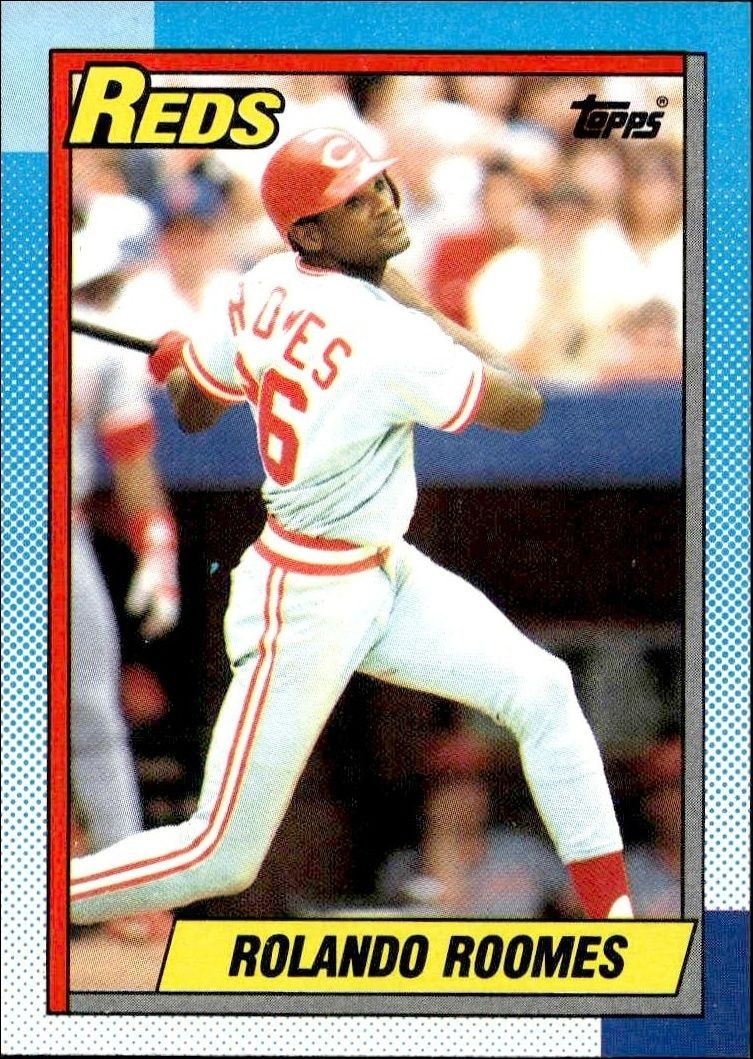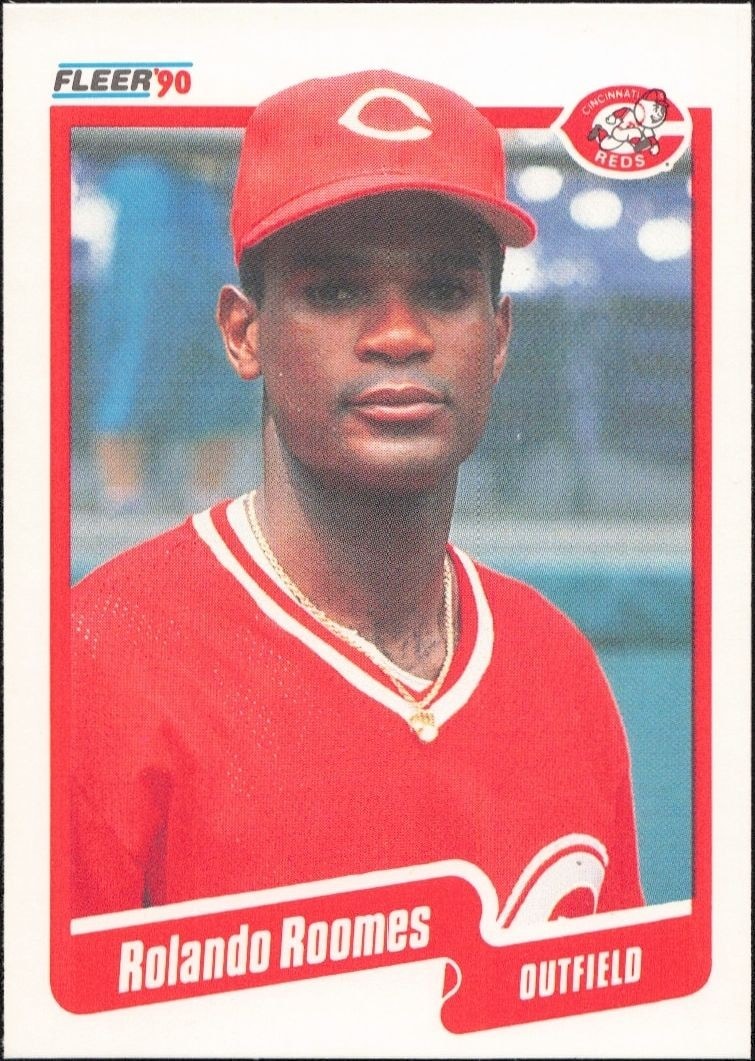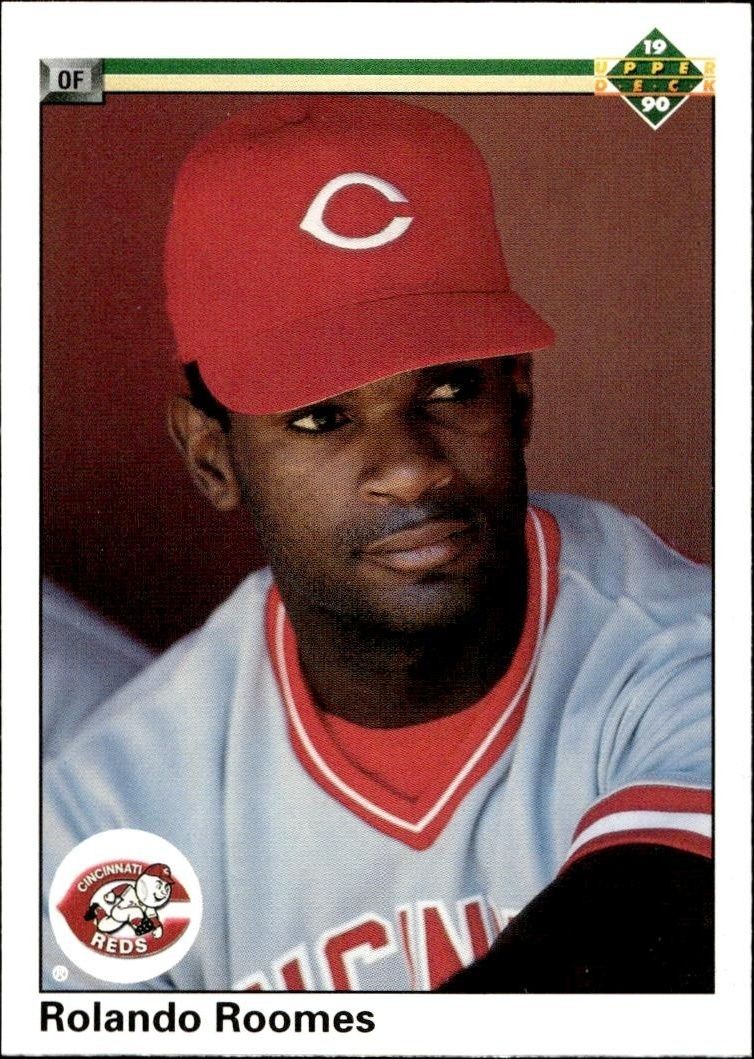
Explore Rolando Roomes baseball cards from his time with the Cincinnati Reds. Discover vintage Upper Deck releases and other key issues from the early 1990s.
Rolando Roomes was an outfielder who played for the Cincinnati Reds during the early 1990s, a period that saw significant collector interest in…Read more
baseball cards. His career cards, particularly those from Upper Deck's 1990 releases, represent an important segment of early-90s baseball card collecting. Upper Deck's entry into the baseball card market in 1989 elevated production quality and design standards, making Roomes cards from this era sought after by vintage collectors building comprehensive team sets or focusing on Reds memorabilia. Cards featuring Roomes typically showcase the distinctive photography and premium cardstock that defined Upper Deck's early offerings. Collectors pursuing Cincinnati Reds player collections or those interested in 1990s baseball card history often seek out Roomes cards as part of broader team or era-focused acquisitions. The availability of Roomes cards varies across the vintage market, making them a meaningful addition to focused collecting pursuits. Whether completing a Reds team set, assembling a 1990s baseball card portfolio, or collecting specific Upper Deck issues, Rolando Roomes cards offer authentic connection to a formative period in modern baseball card production and Cincinnati's roster history.
1990 Upper Deck cards are highly regarded by collectors because they marked Upper Deck's debut in baseball cards with premium quality, innovative photography, and superior cardstock compared to competitors. Early Upper Deck releases are often sought for their condition sensitivity and historical significance in the hobby.
Yes, Reds player cards from the early 1990s are popular among team set builders and Reds fans. Cards from this era represent a specific period in franchise history and are commonly pursued as part of comprehensive team collections.
Vintage card values depend on player demand, card condition (grading), rarity, and brand significance. Upper Deck cards are typically valued higher than contemporaneous releases due to quality. Consulting recent sold listings and graded card databases helps establish realistic market values.