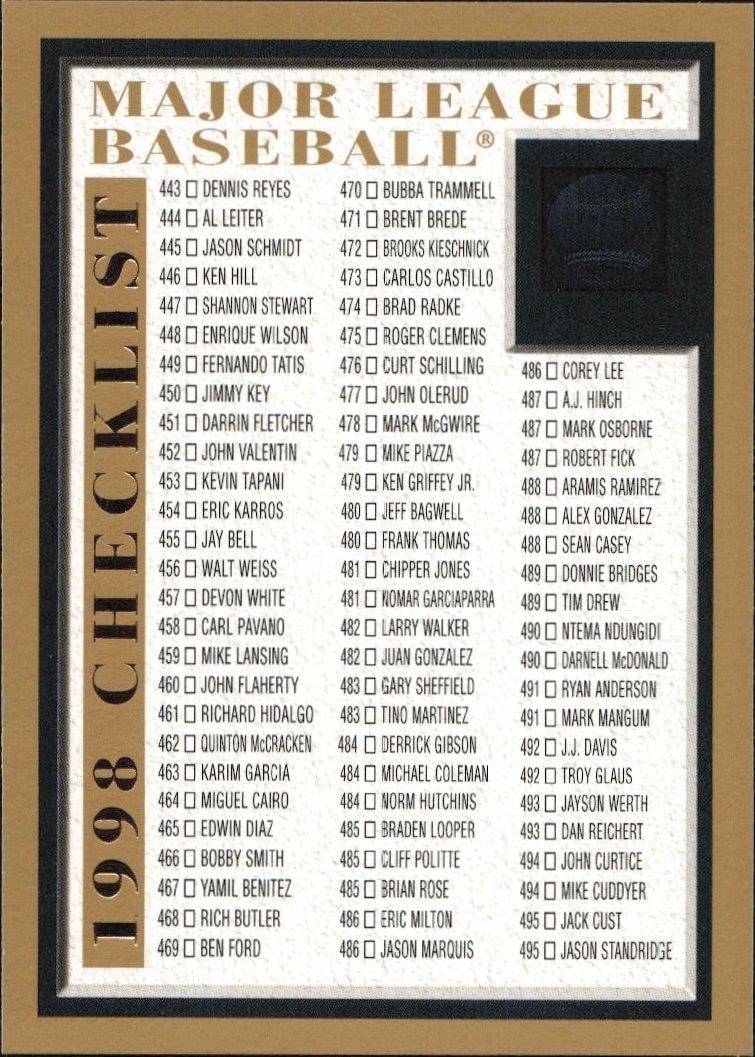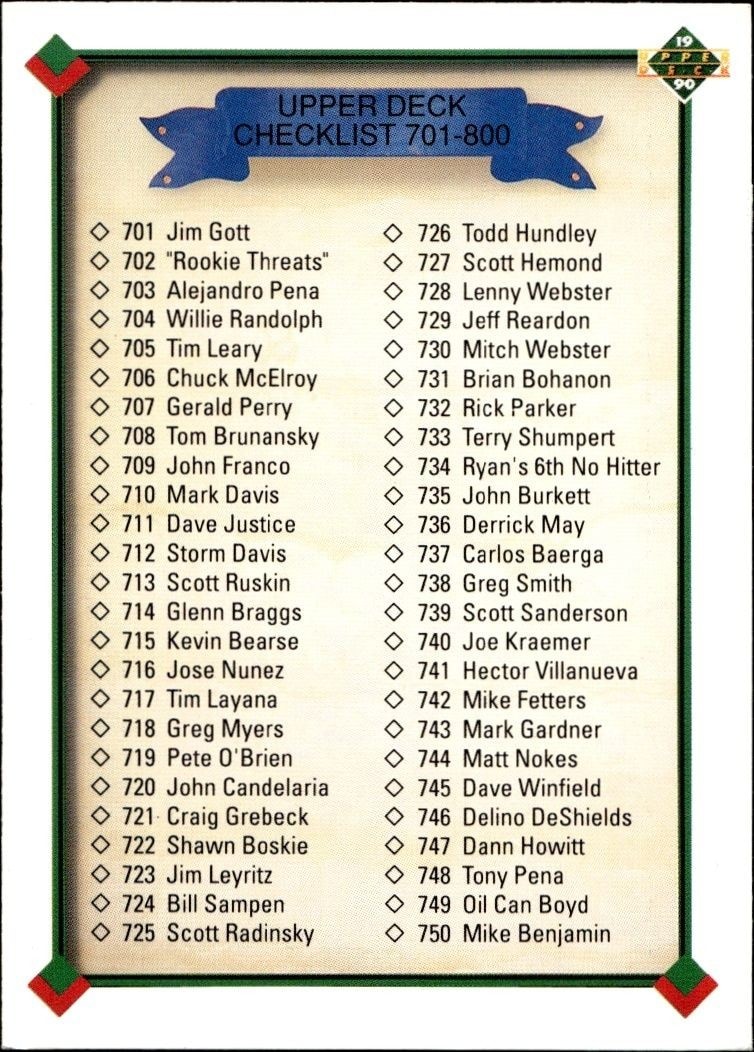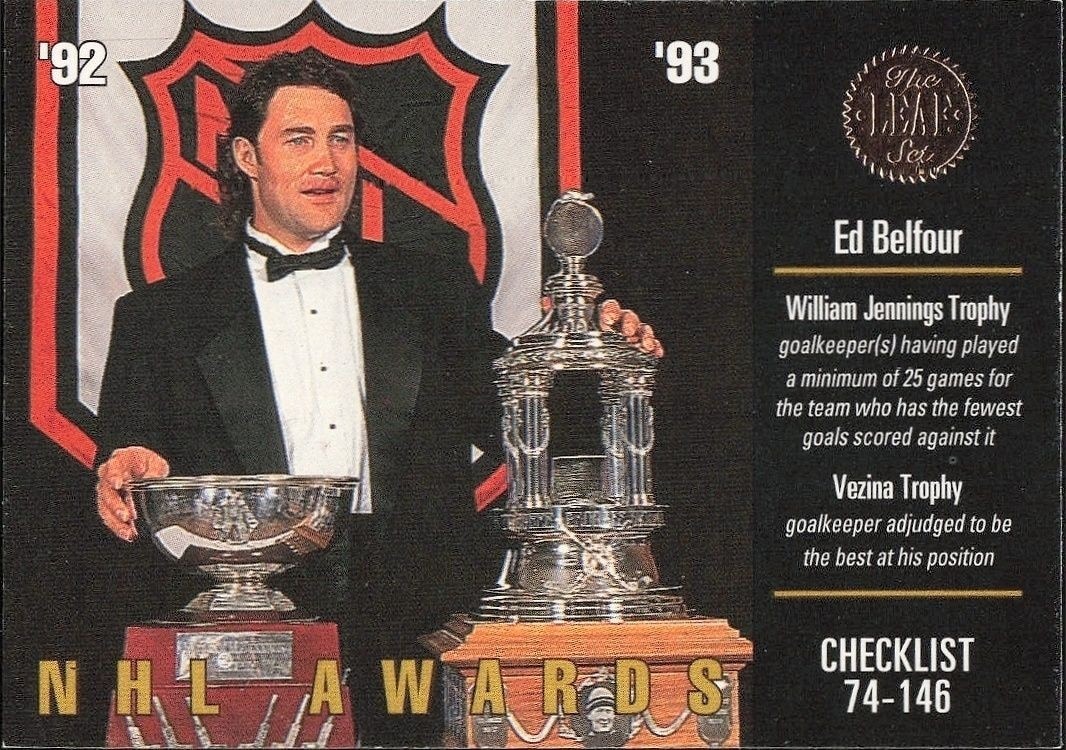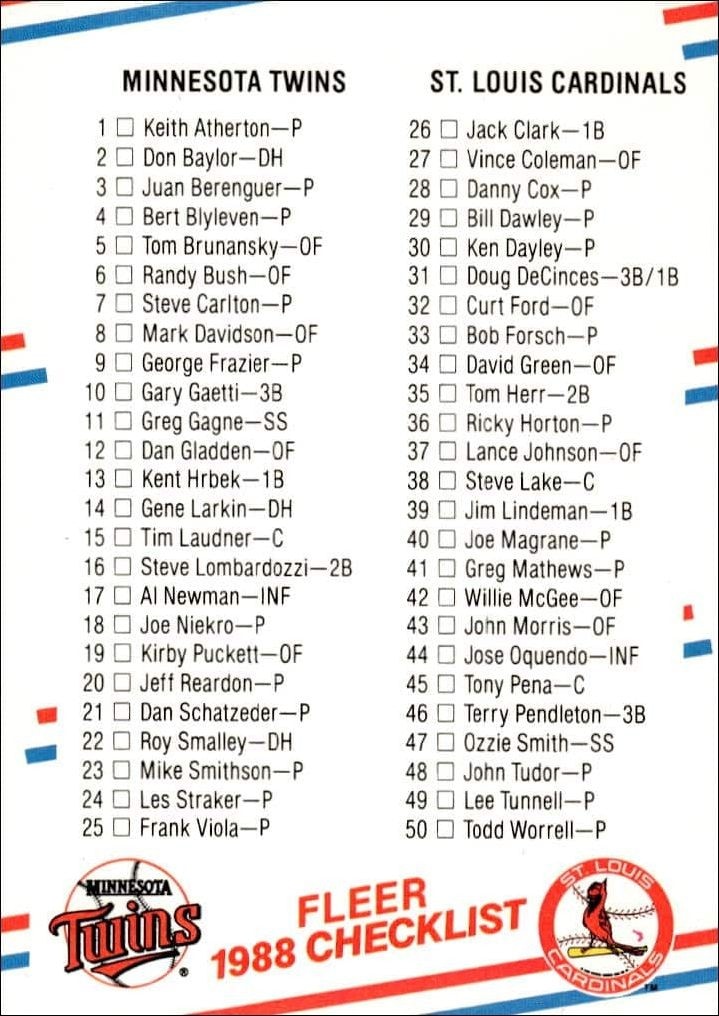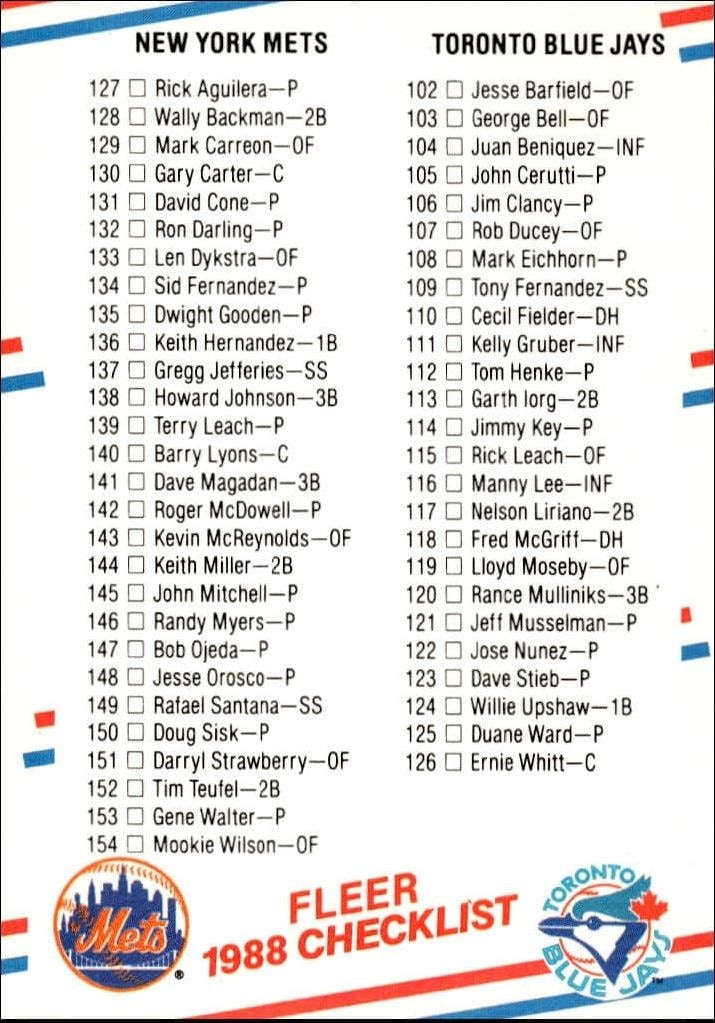


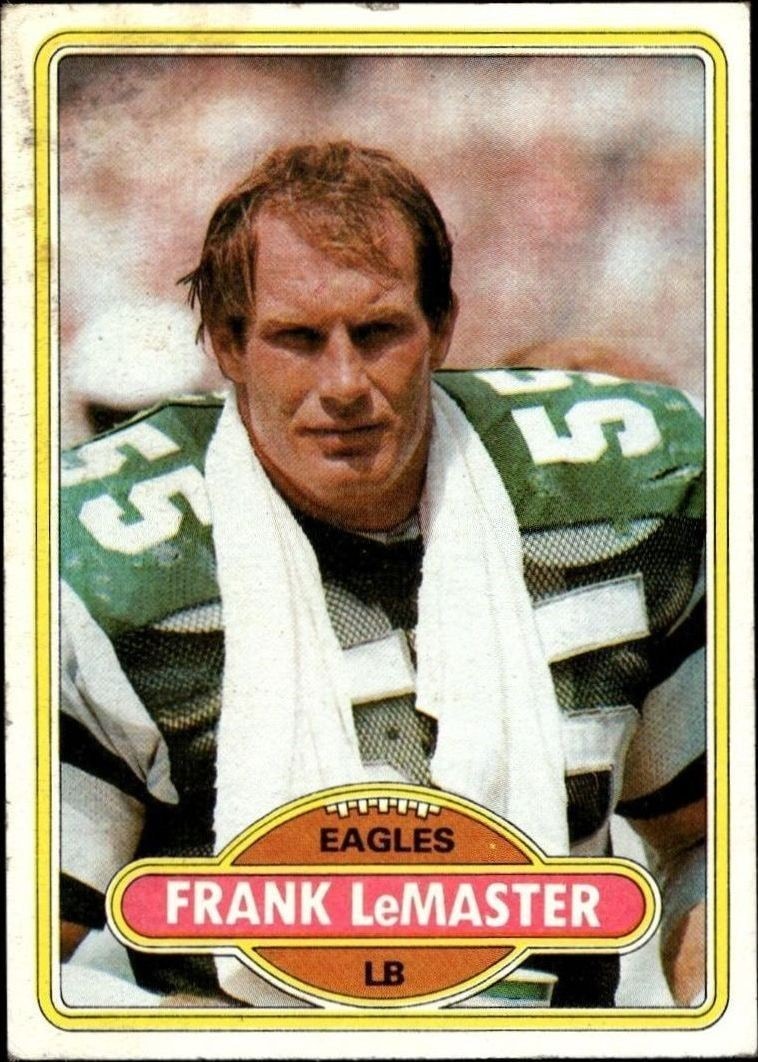

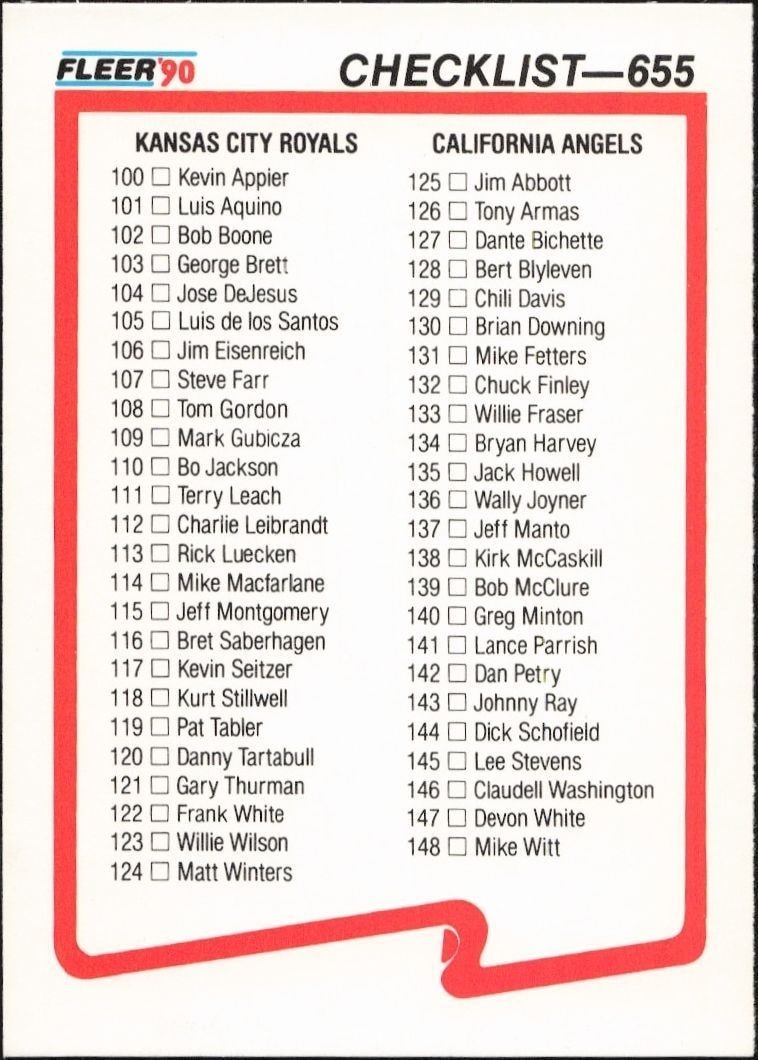
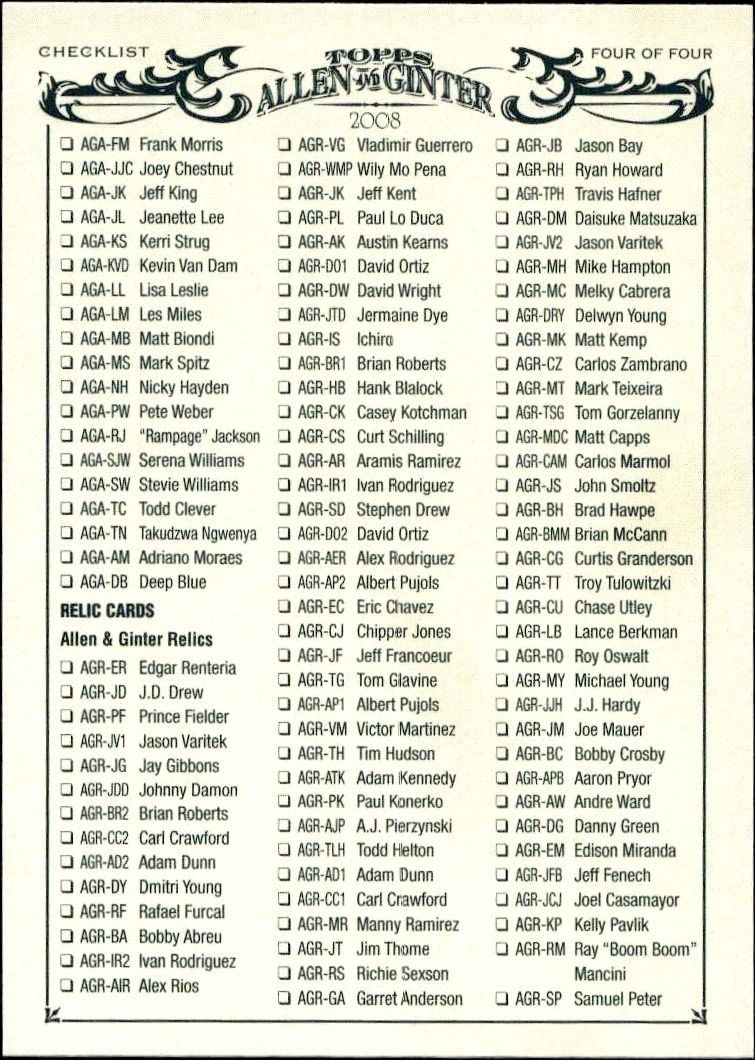
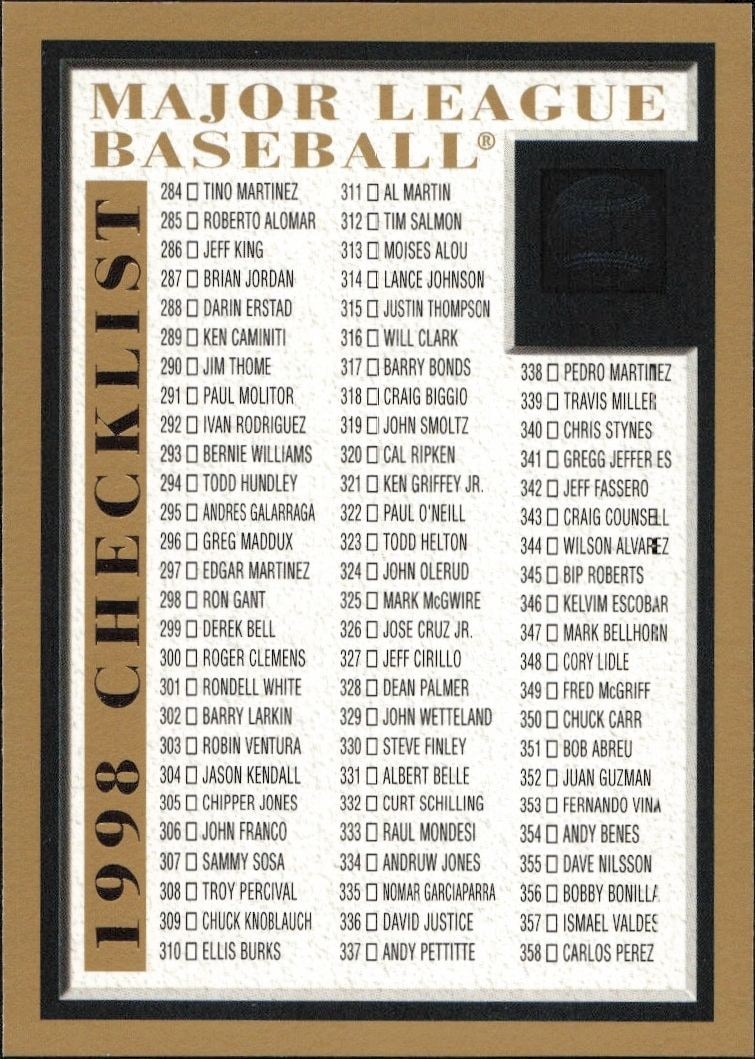
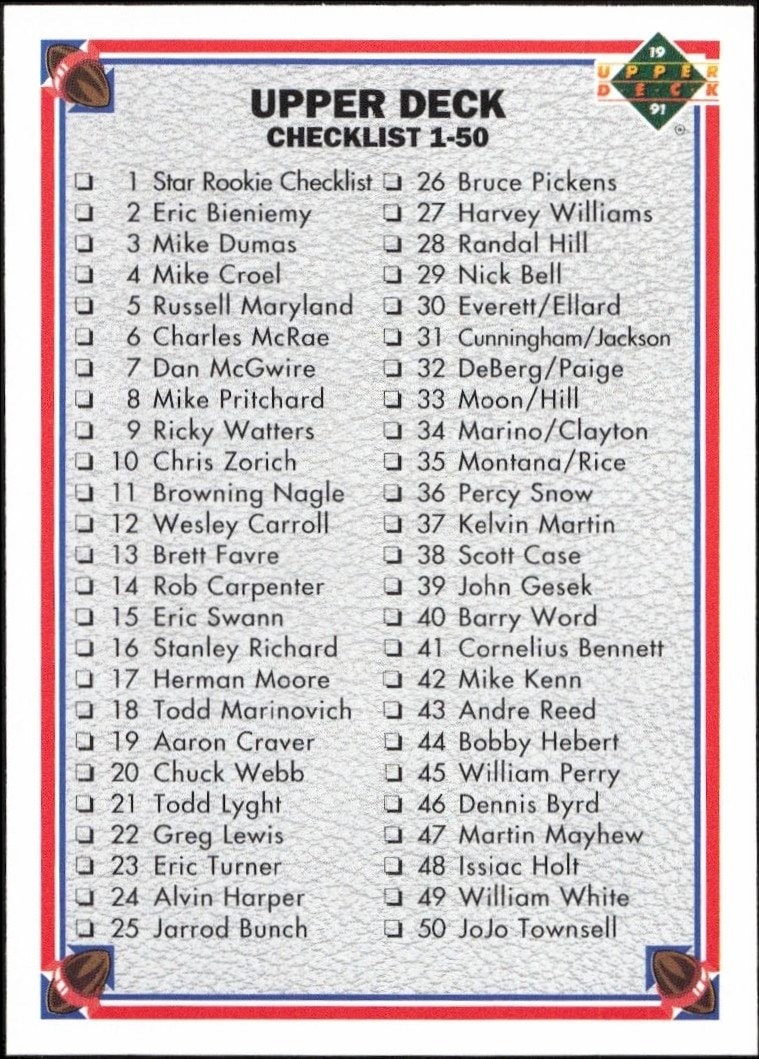


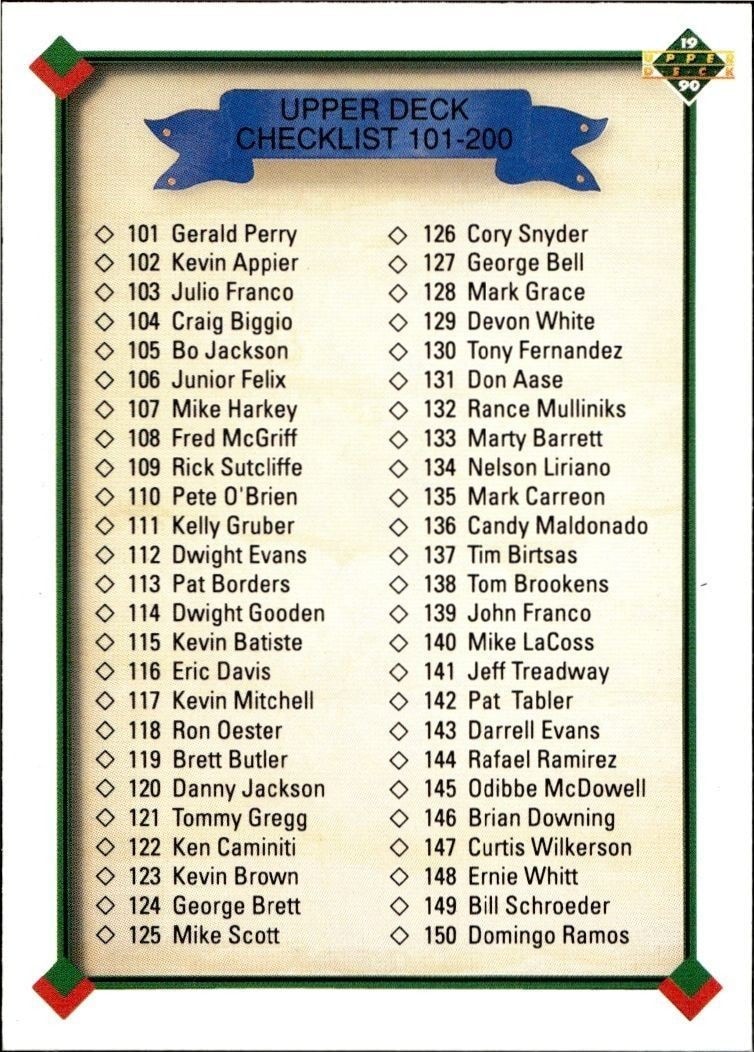
The 1980 Topps Checklist 121 is a functional baseball trading card designed to help collectors track their progress through the series.
1980 • Topps
Major League Baseball
Excellent
121
New
Shipping Calculated at Checkout
Arrives in 5-7 daysEstimated delivery October 23, 2026 - October 25, 2026
Seller returns October 19, 2026.30-day Returns| Condition | Value | Source | Trend | Price Details |
|---|---|---|---|---|
$1.40 | Guide Estimate | +12% | ||
$1.82As of 9/23/2026 | Completed Sales | |||
$4.58 | Guide Estimate | 0% | ||
$22.30 | Guide Estimate | 0% | ||
$50.12 | Guide Estimate | +5.7% | ||
$87.00 | Guide Estimate | 0% | ||
$40.00 | Guide Estimate | 0% | ||
$66.90 | Guide Estimate | 0% | ||
$40.00 | Guide Estimate | 0% | ||
Raw / Ungraded
PriceCharting Price Guide · Guide Estimate evidence · captured Oct 17, 2026
The 1980 Topps Checklist 121 serves as a vital organizational tool for enthusiasts of vintage sports memorabilia. As part of the broader 1980 Topps baseball card series, this card number provides a snapshot of the roster and checklist items available at that point in the production run. For many collectors, these checklist cards are not merely administrative but represent a distinct piece of the set's history, offering insight into the distribution and availability of cards from that era. Collecting the 1980 Topps series often involves seeking out these checklist cards to ensure a complete portfolio. While they may not feature player imagery or action shots, Checklist 121 holds a unique place in the hobby for its utility and historical context. It allows collectors to verify which cards were intended to be in the base set, making it an important reference point for verifying set completeness. Whether you are a dedicated set builder or a historian of the sport, owning this card adds depth to your collection by providing a tangible link to the cataloging methods used by Topps in 1980. From raw cards to professionally graded examples, the market offers diverse options for those looking to acquire this piece of baseball card history. The checklist format itself remains a popular subject for those interested in the structural elements of trading card design, making the 1980 Topps Checklist 121 a noteworthy addition for any serious collector's shelf.
11 hours ago
We'll pre-fill the product details from this catalog entry, so your listing lands on this exact page. Just add photos of your copy, pick its condition, and set your price.
The catalog profile below summarizes the card identity, featured subject, and notable collectible traits.
The subject, team, league, and sport context tied to this card.
Production details and format-specific attributes.
Material
Card Stock
Language
English
Notable collectible traits associated with this card profile.
Compare prices, grades, photos, and shipping from approved sellers.
New
Excellent
See how many public collections currently include this card.
0 collectors have this card
This checklist card represents a niche segment of the 1980 Topps baseball set, typically trading at a value tier below standard base cards due to its functional rather than portrait-focused nature. With only a single active listing currently available, the item is in a low-supply state that may allow for immediate acquisition, though it generally lacks the premium pricing power of player-specific rookie or star cards. Its market position is defined by its utility to completists rather than speculative demand for individual athletes.
As a checklist card within the 1980 Topps Baseball set, this item does not carry inherent scarcity mechanics such as serial numbering, short-print status, or parallel variations. The supply is determined solely by the original print run of the base set, meaning it is a common component of the product line. Consequently, it does not benefit from limited-edition constraints or unique attribute-driven scarcity that typically elevate card values.
Investment potential is limited to completist demand, as collectors seeking to complete the full 1980 Topps set may require this specific card to finish their collection. The card lacks rookie-card premiums or player-specific significance that would drive broader collector interest beyond set completionists. Long-term value appreciation is unlikely to outperform broader market trends, making it a functional holding rather than a high-growth asset.