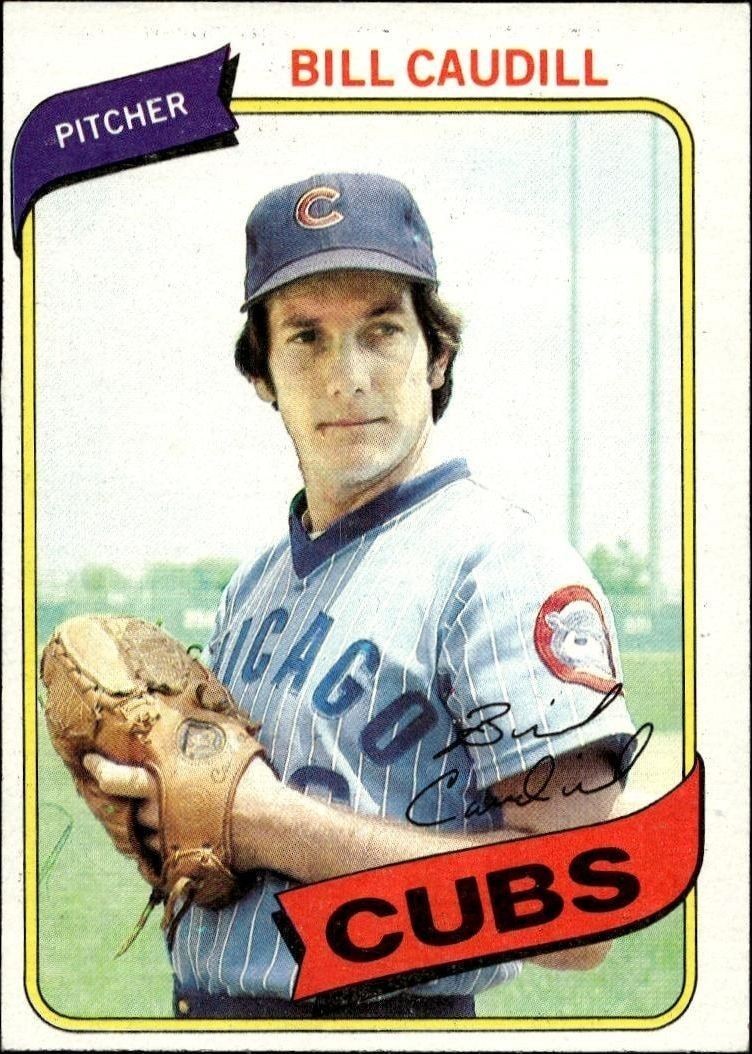
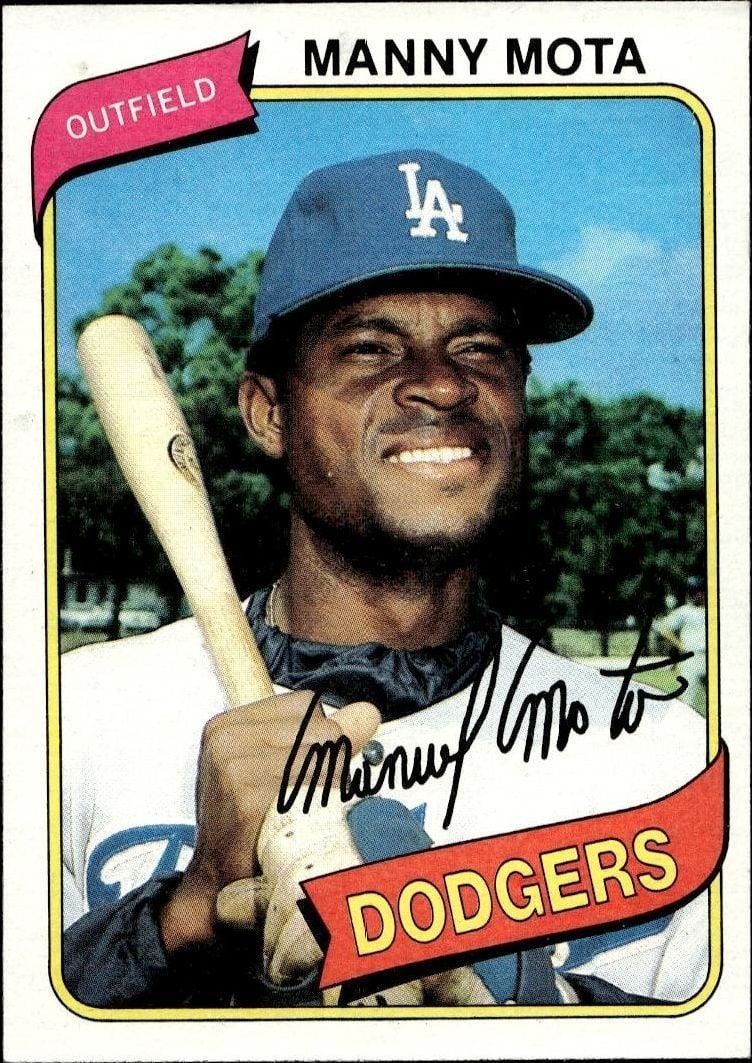
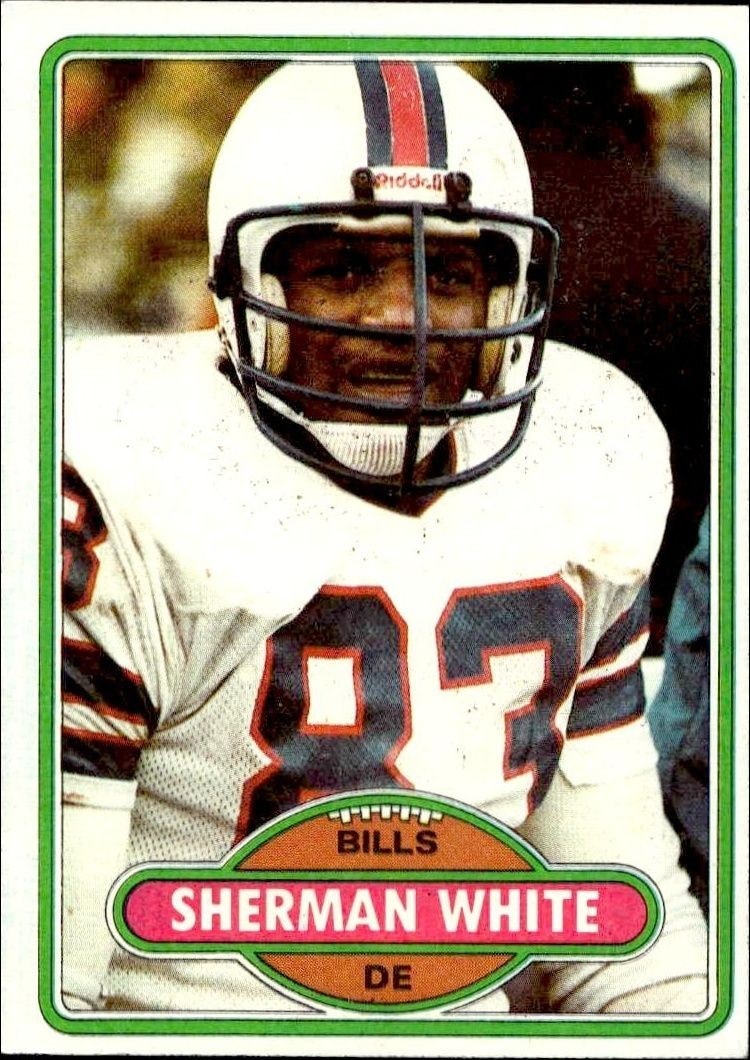


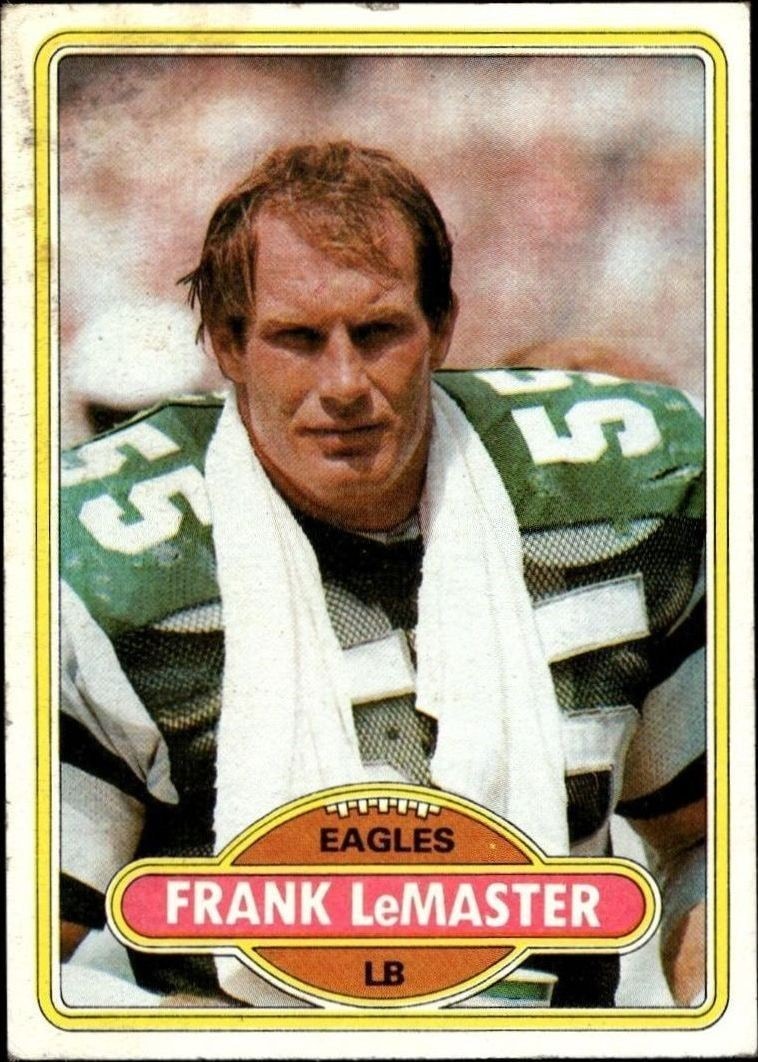


The 1980 Topps Dave Rosello #122 baseball card features the Cleveland Indians player within the classic Topps design of the era.
1980 • Topps
Major League Baseball • Cleveland Indians
Excellent
122
New
Shipping Calculated at Checkout
Arrives in 5-7 daysEstimated delivery October 23, 2026 - October 25, 2026
Seller returns October 19, 2026.30-day Returns| Condition | Value | Source | Trend | Price Details |
|---|---|---|---|---|
$0.69 | Guide Estimate | 0% | ||
$0.11As of 9/23/2026 | Completed Sales | |||
$9.99 | Guide Estimate | 0% | ||
$14.99 | Guide Estimate | 0% | ||
$16.00 | Guide Estimate | 0% | ||
$34.00 | Guide Estimate | 0% | ||
$16.00 | Guide Estimate | 0% | ||
$26.27 | Guide Estimate | -0% | ||
$16.00 | Guide Estimate | 0% | ||
Raw / Ungraded
PriceCharting Price Guide · Guide Estimate evidence · captured Oct 17, 2026
Collectors seeking to complete the 1980 Topps baseball checklist will find the Dave Rosello #122 card to be an essential component. Released by Topps in 1980, this sports card captures a snapshot of the Cleveland Indians roster during that specific season. For enthusiasts of vintage baseball memorabilia, adding this card to a collection provides a tangible connection to the history of the sport and the specific teams that competed during that year. The 1980 Topps set remains one of the most recognized and sought-after releases in modern trading card history. Its straightforward design and comprehensive coverage of the league make it a favorite for set builders. The Dave Rosello #122 card fits seamlessly into this iconic series, offering collectors a straightforward yet historically significant addition. Whether you are assembling a complete base set or focusing on specific teams, this card represents a fundamental part of the 1980 Topps experience. By focusing on the identity of the card and its place within the broader 1980 Topps ecosystem, collectors can appreciate the historical context of the product. This card serves as a reminder of the players who wore the Cleveland Indians uniform in 1980 and the role they played in the game's rich tapestry. For those interested in the evolution of baseball card design, the 1980 Topps release offers a clear window into the production standards and aesthetic choices of that time. Dave Rosello's presence on card number 122 highlights the depth of the roster and the variety of talent featured in the set. Exploring cards like this allows collectors to delve deeper into the nuances of specific seasons and teams, enhancing the overall collecting experience.
10 hours ago
We'll pre-fill the product details from this catalog entry, so your listing lands on this exact page. Just add photos of your copy, pick its condition, and set your price.
The catalog profile below summarizes the card identity, featured subject, and notable collectible traits.
The subject, team, league, and sport context tied to this card.
Production details and format-specific attributes.
Material
Card Stock
Language
English
Compare prices, grades, photos, and shipping from approved sellers.
New
Excellent
See how many public collections currently include this card.
0 collectors have this card
This 1980 Topps Dave Rosello card represents the baseline entry point for Cleveland Indians memorabilia from the early 1980s era. As a non-premium base card, it trades at the lower end of the market spectrum relative to vintage baseball issues, reflecting its status as a common insert rather than a flagship product. The current pricing indicates a stable, low-tier valuation consistent with other mass-produced cards from this specific production run.
The item lacks any special scarcity mechanics such as serial numbering, short-printing, or parallel layering, placing it firmly within the standard base set distribution. Without limited edition markers or unique production constraints, the supply remains abundant and unconstrained by special manufacturing processes. This absence of distinct rarity attributes means the card does not benefit from the supply-side premiums typically seen in chase variants.
As a standard base card from a pre-digital era set, the primary value driver is historical nostalgia rather than scarcity or rookie card premiums. Collector demand is likely limited to completists seeking to fill specific gaps in vintage Cleveland Indians or 1980 Topps base set collections. Long-term appreciation potential is minimal given the high print volume and lack of exclusive attributes that typically drive secondary market growth.