


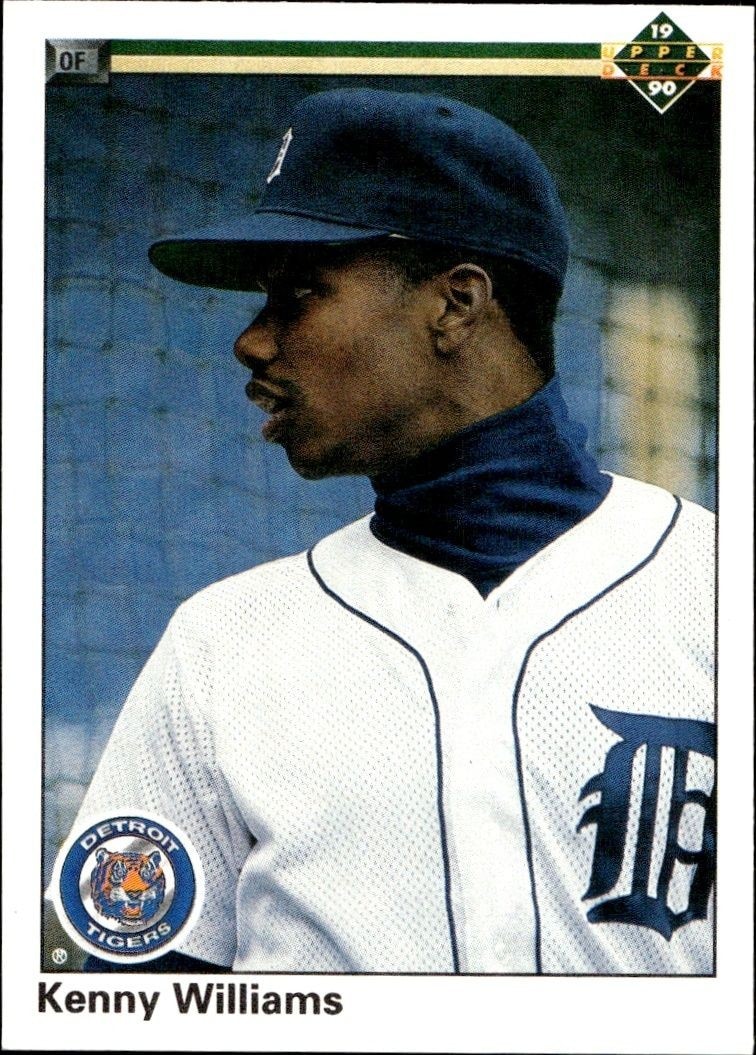
This 1980 Topps Eddy Putman #59 card captures a Detroit Tigers player from a classic era of baseball trading cards.
1980 • Topps
Major League Baseball • Detroit Tigers
Excellent
59
New
Shipping Calculated at Checkout
This seller is away until 10/19/2026 — orders are still accepted and ship after they return.30-day Returns| Condition | Value | Source | Trend | Price Details |
|---|---|---|---|---|
$1.17As of 9/25/2026 | Guide Estimate | |||
$10.50As of 9/25/2026 | Guide Estimate | |||
$22.38As of 9/25/2026 | Guide Estimate | |||
$45.45As of 9/25/2026 | Guide Estimate | |||
$162.00As of 9/25/2026 | Guide Estimate | |||
$75.00As of 9/25/2026 | Guide Estimate | |||
$124.58As of 9/25/2026 | Guide Estimate | |||
$75.00As of 9/25/2026 | Guide Estimate | |||
Raw / Ungraded
PriceCharting Price Guide · Guide Estimate evidence · captured Sep 25, 2026
History is building. At least two days of matching observations are needed to show a trend.
Each point is the last stored observation that day for this printing, condition, grader, autograph status and source. Gaps mean no observation; guide estimates and asking prices are not completed sales.The 1980 Topps Eddy Putman #59 card represents a specific entry in one of the most recognizable baseball card sets in history. Released by Topps in 1980, this product features Eddy Putman, who is associated with the Detroit Tigers. The card is identified by the number 59, placing it within the standard base set distribution that collectors have tracked for decades. For hobbyists focusing on the 1980 Topps brand, this card offers a direct connection to the design and layout conventions of that specific year. Collectors often seek out individual cards from this release to complete their annual sets or to focus on specific teams like the Detroit Tigers. Owning a piece of the 1980 Topps Eddy Putman #59 card allows enthusiasts to engage with a tangible piece of sports history. The card serves as a focal point for those interested in the Detroit Tigers' roster composition during the early 1980s. Whether you are building a comprehensive collection of Topps releases or targeting specific players, this card remains a relevant item for cataloging. The enduring appeal of vintage baseball cards lies in their ability to preserve moments in time. This card from the 1980 Topps set is a key component for those studying the era's visual culture and team rosters. By acquiring this product, collectors add a verified piece of the 1980 Topps series to their holdings, maintaining the integrity of their collection's chronological scope. The marketplace supports collectors in finding specific cards like the Eddy Putman #59, ensuring that the hobby remains accessible to those who value historical accuracy and set completeness. Exploring the broader range of 1980 Topps cards can reveal additional connections within the Detroit Tigers' lineup from that season. Ultimately, the 1980 Topps Eddy Putman #59 card is more than just a piece of cardboard; it is a snapshot of a player's career and a team's identity at a specific point in time. For serious collectors, these cards are essential building blocks for understanding the evolution of baseball card design and the history of the Detroit Tigers.
3 hours ago
We'll pre-fill the product details from this catalog entry, so your listing lands on this exact page. Just add photos of your copy, pick its condition, and set your price.
The catalog profile below summarizes the card identity, featured subject, and notable collectible traits.
The subject, team, league, and sport context tied to this card.
Production details and format-specific attributes.
Material
Card Stock
Language
English
Compare prices, grades, photos, and shipping from approved sellers.
New
Excellent
See how many public collections currently include this card.
0 collectors have this card
This 1980 Topps card of Eddy Putman sits at the absolute entry-level price tier for the brand, reflecting its status as a common base card from a major production run. While the Detroit Tigers affiliation provides a baseline of interest, the lack of special attributes or high-grade scarcity keeps it well below the premium tiers commanded by rookie cards or key stars of the era. It serves primarily as a filler item for complete set builders rather than an investment-grade piece for individual portfolio growth.
As a standard base card from the 1980 Topps set, this item carries no serial numbering, short-print designations, or parallel variations that would artificially constrain its supply. The scarcity is defined entirely by natural attrition and the sheer volume of identical copies produced, making it one of the most ubiquitous examples of vintage baseball card manufacturing. Without unique physical markers or limited edition status, its rarity is functionally equivalent to the mass-produced base stock of the entire series.
The investment potential is minimal, as the card lacks the rookie-card premium mechanics or set-defining significance that typically drive collector demand. Demand is likely restricted to niche completists seeking to fill a specific slot in a 1980 Topps collection, offering little upside for appreciation. Investors should view this item as a negligible asset with stable but stagnant value, driven solely by the low barrier to entry rather than scarcity or player legacy.