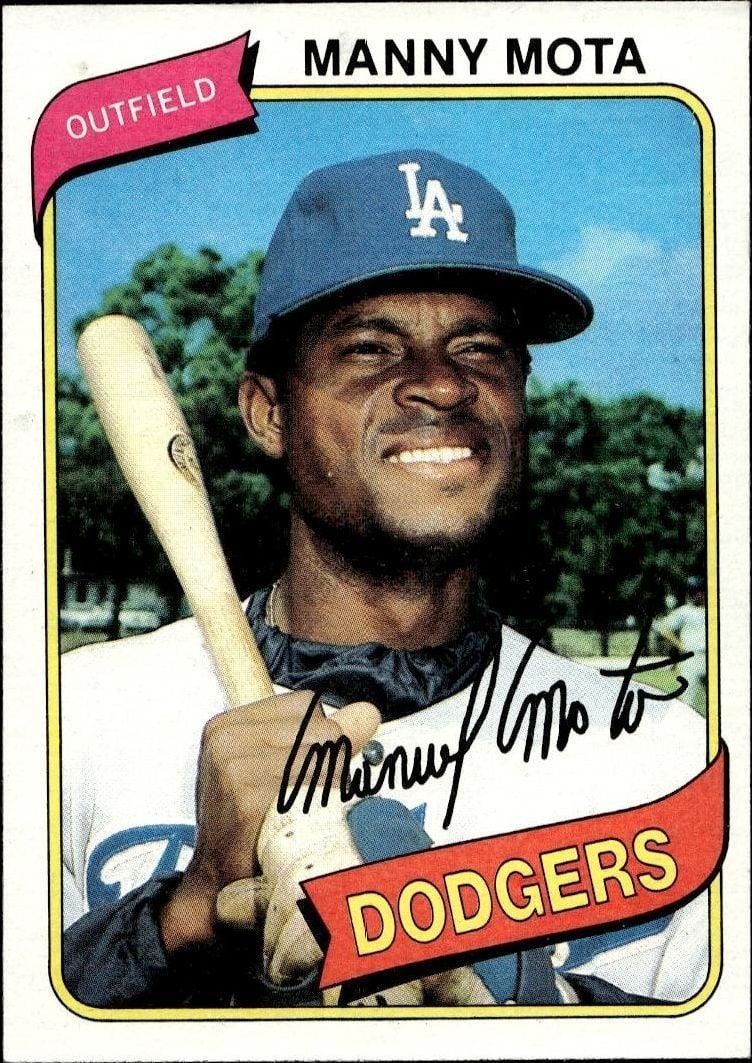
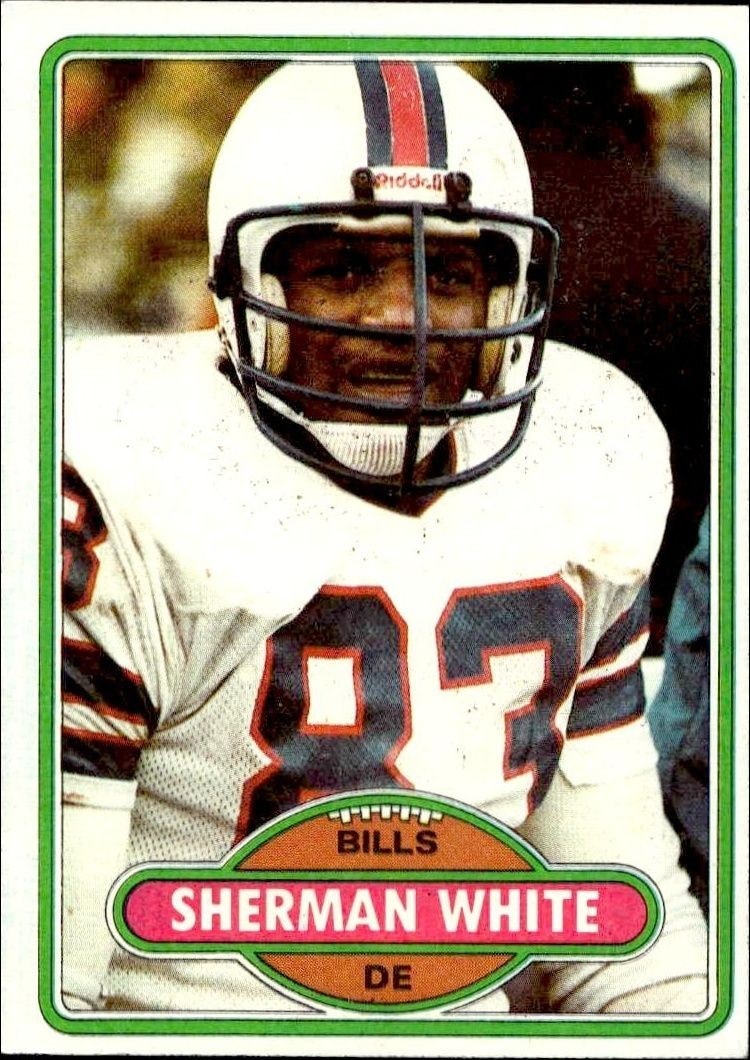


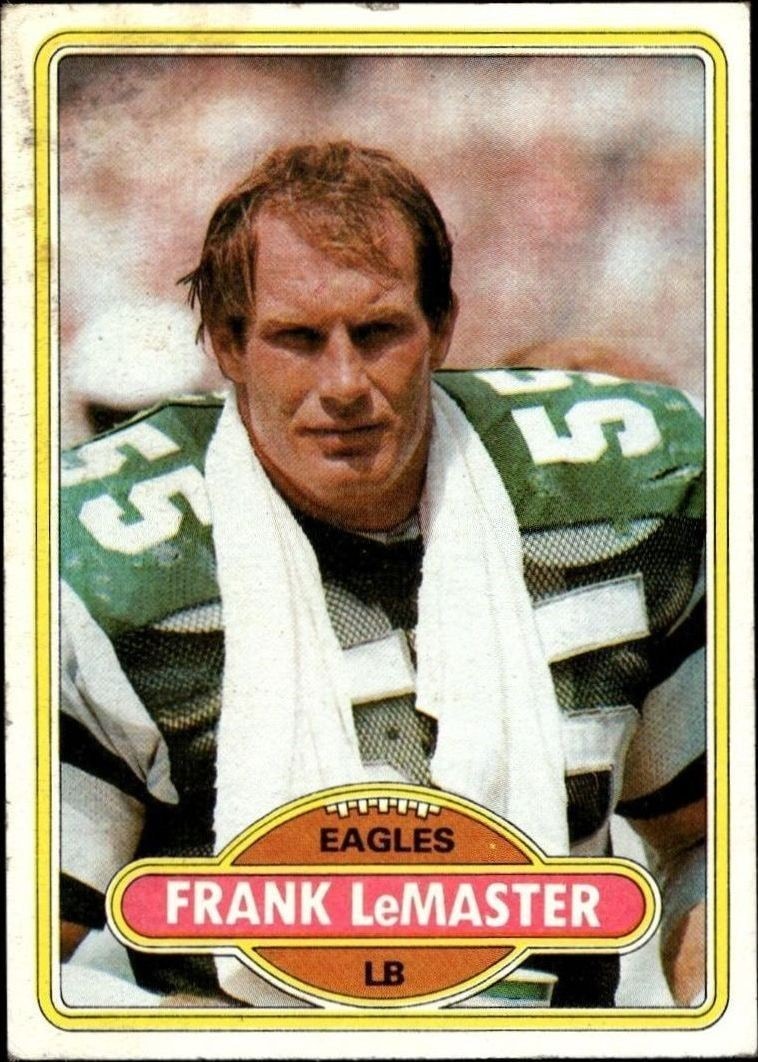


The 1980 Topps Gary Davis #262 card represents a vintage piece of Miami Dolphins history from the 1980 NFL season.
1980 • Topps
National Football League • Miami Dolphins
Excellent
262
This seller is currently on vacation and expects to return by 10/19/2026.
New
Shipping Calculated at Checkout
Arrives in 13-15 daysEstimated delivery October 22, 2026 - October 24, 2026
Seller returns October 19, 2026.30-day Returns| Condition | Value | Source | Trend | Price Details |
|---|---|---|---|---|
$1.65 | Guide Estimate | +10% | ||
$13.59 | Guide Estimate | +6.3% | ||
$14.00 | Guide Estimate | 0% | ||
$56.23 | Guide Estimate | +6.4% | ||
$86.00 | Guide Estimate | 0% | ||
$40.00 | Guide Estimate | 0% | ||
$66.00 | Guide Estimate | 0% | ||
$40.00 | Guide Estimate | 0% | ||
Raw / Ungraded
PriceCharting Price Guide · Guide Estimate evidence · captured Sep 28, 2026
The 1980 Topps Gary Davis #262 card captures a specific moment in Miami Dolphins history from the 1980 NFL season. As a standard issue from the 1980 Topps football set, this card serves as a tangible link to the league during a pivotal era of professional gridiron competition. Collectors often seek out cards from this year to build comprehensive vintage collections or to track the career trajectories of players who defined the decade. Gary Davis, featured on card number 262, was an active participant in the league, making this product a relevant artifact for fans of the Miami Dolphins and NFL history alike. For investors and hobbyists, vintage sports cards from the early 1980s hold significant nostalgic value, often appreciated for their historical context rather than just athletic performance. The card's straightforward design reflects the manufacturing standards of the era, providing a clean and classic aesthetic that appeals to purists of the hobby. Whether you are looking to complete a set of 1980 Topps football cards or simply want to add a piece of Miami Dolphins memorabilia to your shelf, this card offers a solid foundation for any collection. The marketplace caters to those who appreciate the heritage of the sport, offering a platform where the history of players like Gary Davis can be preserved and shared. By focusing on the identity and context of each card, enthusiasts can build collections that tell the story of the game. The 1980 Topps Gary Davis #262 is more than just a piece of cardboard; it is a record of a player's contribution to the team and the sport during a memorable season.
4 days ago
We'll pre-fill the product details from this catalog entry, so your listing lands on this exact page. Just add photos of your copy, pick its condition, and set your price.
The catalog profile below summarizes the card identity, featured subject, and notable collectible traits.
The subject, team, league, and sport context tied to this card.
Production details and format-specific attributes.
Material
Card Stock
Language
English
Compare prices, grades, photos, and shipping from approved sellers.
New
Excellent
See how many public collections currently include this card.
0 collectors have this card
This 1980 Topps Gary Davis card sits in an entry-level price tier, reflecting its status as a common base card from a high-volume production era. While the Miami Dolphins affiliation provides baseline interest, the absence of special attributes means it trades significantly below premium parallels or graded examples of the same player. Current market activity suggests it remains an affordable acquisition for casual collectors rather than a high-value asset.
As a standard base card from the 1980 Topps set, this item carries no serial numbering, short-print status, or limited-edition mechanics that would artificially constrain supply. The vast original print run ensures that raw copies are abundant, leading to high availability in the secondary market. Without parallel variations or unique scoring features, the supply is effectively unlimited relative to demand.
The card lacks the rookie-card premium or set-positioning significance that typically drives long-term value appreciation in football collectibles. Demand is primarily driven by nostalgia for the 1980 era and the Miami Dolphins brand, rather than scarcity or player legacy metrics. Investors should view this as a low-risk, low-reward addition for completing base set collections rather than a speculative asset.