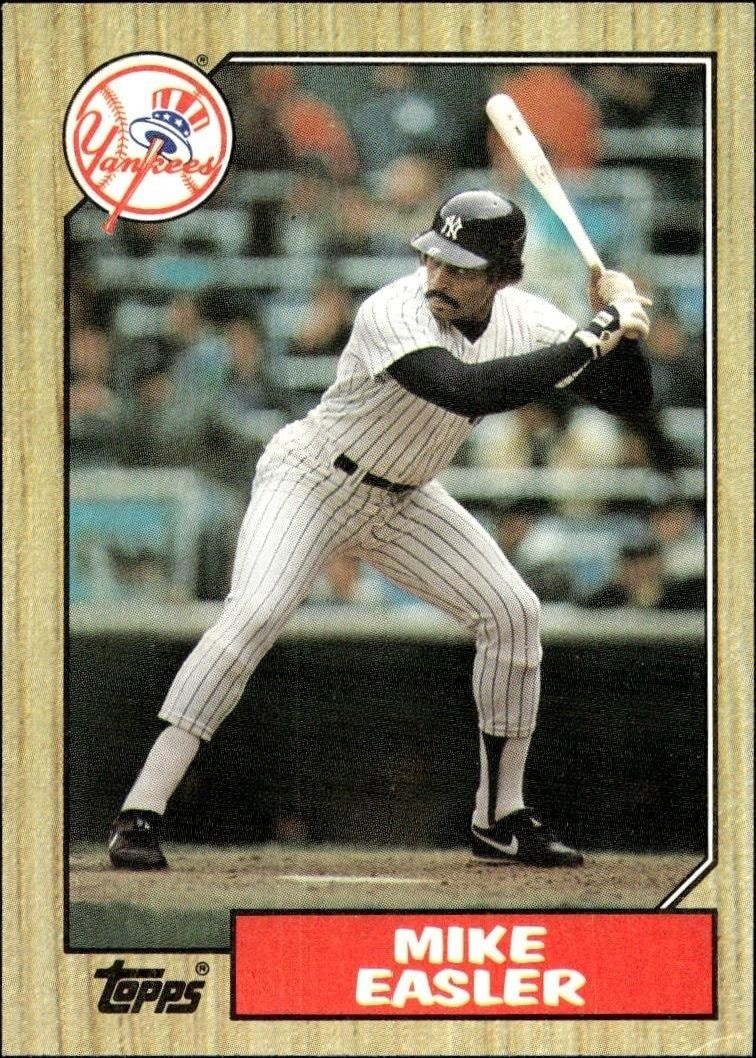




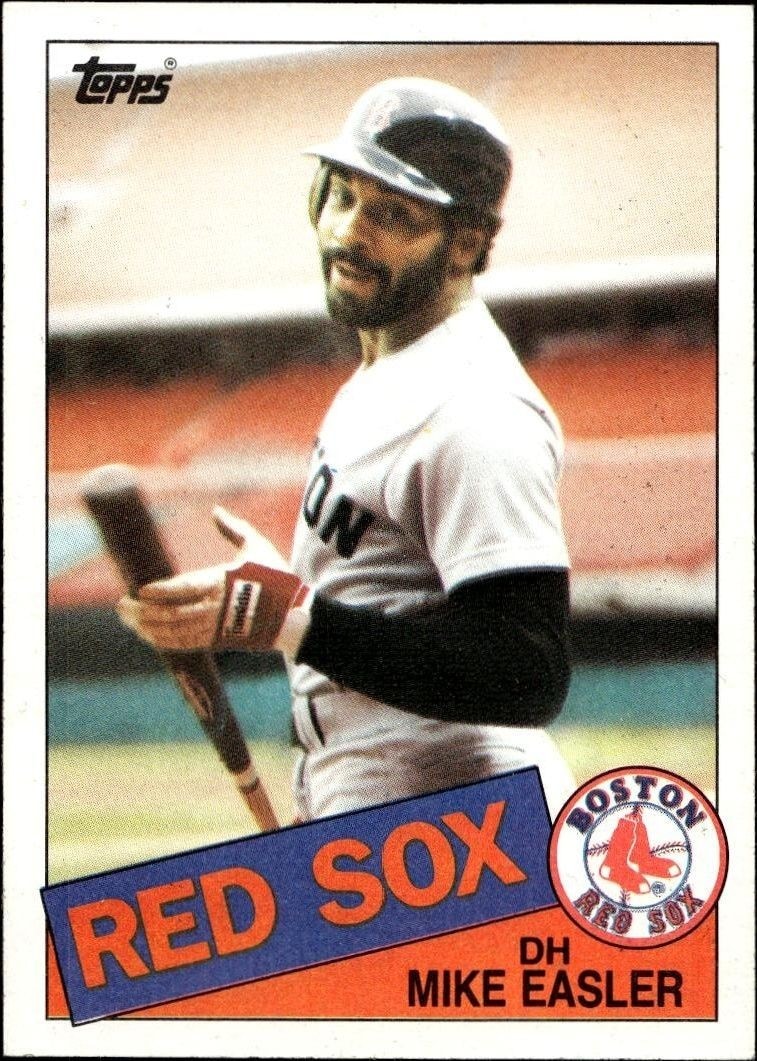


The 1980 Topps Mike Easler #194 baseball card captures a key moment in Pittsburgh Pirates history, featuring the outfielder in one of the most recognizable designs of the era.
1980 • Topps
Major League Baseball • Pittsburgh Pirates
Excellent
194
New
Shipping Calculated at Checkout
This seller is away until 10/19/2026 — orders are still accepted and ship after they return.30-day Returns| Condition | Value | Source | Trend | Price Details |
|---|---|---|---|---|
$1.26As of 9/25/2026 | Guide Estimate | |||
$1.40As of 9/25/2026 | Completed Sales | |||
$12.29As of 9/25/2026 | Guide Estimate | |||
$22.68As of 9/25/2026 | Guide Estimate | |||
$50.72As of 9/25/2026 | Guide Estimate | |||
$92.00As of 9/25/2026 | Guide Estimate | |||
$42.00As of 9/25/2026 | Guide Estimate | |||
$70.58As of 9/25/2026 | Guide Estimate | |||
$42.00As of 9/25/2026 | Guide Estimate | |||
Raw / Ungraded
PriceCharting Price Guide · Guide Estimate evidence · captured Sep 25, 2026
History is building. At least two days of matching observations are needed to show a trend.
Each point is the last stored observation that day for this printing, condition, grader, autograph status and source. Gaps mean no observation; guide estimates and asking prices are not completed sales.The 1980 Topps Mike Easler #194 card stands as a definitive piece of Major League Baseball history, capturing the outfielder during his tenure with the Pittsburgh Pirates. Mike Easler was a valuable contributor to the Pirates lineup, known for his consistency at the plate and solid defensive play in the outfield. Collectors often seek out this card to complete their 1980 Topps base set or to build a dedicated collection of Pittsburgh Pirates memorabilia. The card's design features a clean layout with a white border, typical of the Topps brand's approach during the early 1980s. This simplicity allows the player's image and statistical data to take center stage, making it an attractive addition to any binder. As a non-rookie card, the 1980 Topps Mike Easler #194 appeals to those interested in the broader history of the Pirates franchise and the players who shaped the team during the late 1970s and early 1980s. It serves as a tangible connection to a period when the Pirates were a competitive force in the National League East. The card's enduring popularity among vintage collectors ensures its place as a staple in many collections. Whether you are a long-time fan of the Pirates or a dedicated collector of vintage baseball cards, this card offers a glimpse into the past. It represents the craftsmanship and design sensibilities of Topps during a golden age of baseball card production. Adding this card to your collection is a way to preserve a piece of sports history for future generations.
15 hours ago
We'll pre-fill the product details from this catalog entry, so your listing lands on this exact page. Just add photos of your copy, pick its condition, and set your price.
The catalog profile below summarizes the card identity, featured subject, and notable collectible traits.
The subject, team, league, and sport context tied to this card.
Production details and format-specific attributes.
Material
Card Stock
Language
English
Compare prices, grades, photos, and shipping from approved sellers.
New
Excellent
See how many public collections currently include this card.
0 collectors have this card
Mike Easler's 1980 Topps card occupies a modest tier within his overall cardography, reflecting his journeyman status during a competitive era for the Pittsburgh Pirates roster. As a base card from the 1980 Topps set — one of the hobby's most widely collected vintage issues — it trades in line with other common singles from that release rather than commanding a premium. Easler's career significance as a reliable left-handed bat adds mild collector interest, particularly among Pirates team collectors, but does not elevate this card meaningfully above its set peers.
This is a standard base card from the 1980 Topps set, which was produced in very high print runs typical of the era, meaning raw copies remain widely available with only one active listing suggesting thin but not extraordinary scarcity. No serial numbering, short print designation, or parallel variants apply to this issue, placing it firmly in the high-supply segment of the vintage market. Graded population reports for this card are minimal, as submission volume for common 1980 Topps singles remains low relative to star cards from the same set.
Easler never achieved Hall of Fame status or sustained superstar recognition, which limits long-term speculative upside for this card compared to contemporaries like Dave Parker from the same Pirates squad. Grading submission trends for common 1980 Topps cards remain driven largely by set registry collectors and condition-sensitive buyers rather than broad market momentum. Unless a significant pop-culture moment or historical reassessment elevates Easler's profile, this card is best positioned as a stable, low-volatility holding for team or era collectors rather than a growth-oriented investment.