


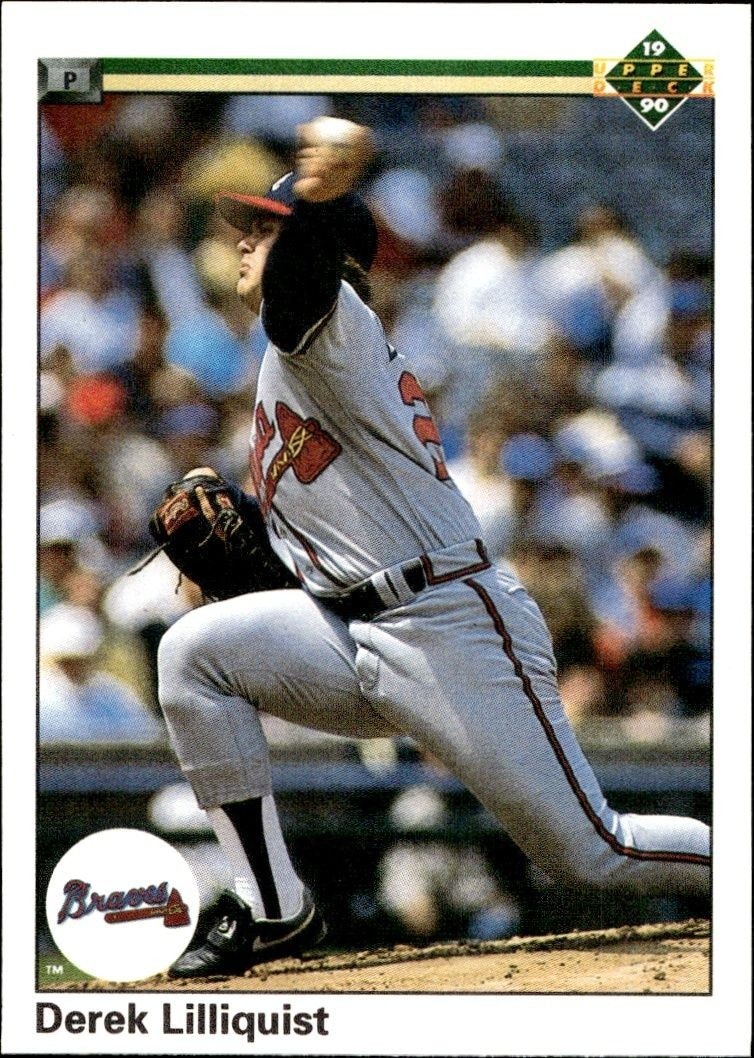
Explore the 1980 Topps Tony Brizzolara #156 baseball card, representing a specific piece of Atlanta Braves history for collectors of vintage sports memorabilia.
1980 • Topps
Major League Baseball • Atlanta Braves
Excellent
156
New
Shipping Calculated at Checkout
This seller is away until 10/19/2026 — orders are still accepted and ship after they return.30-day Returns| Condition | Value | Source | Trend | Price Details |
|---|---|---|---|---|
$0.52As of 9/29/2026 | Guide Estimate | |||
$11.49As of 9/29/2026 | Guide Estimate | |||
$13.73As of 9/29/2026 | Guide Estimate | |||
$31.41As of 9/29/2026 | Guide Estimate | |||
$166.00As of 9/29/2026 | Guide Estimate | |||
$77.00As of 9/29/2026 | Guide Estimate | |||
$127.50As of 9/29/2026 | Guide Estimate | |||
$77.00As of 9/29/2026 | Guide Estimate | |||
Raw / Ungraded
PriceCharting Price Guide · Guide Estimate evidence · captured Sep 29, 2026
History is building. At least two days of matching observations are needed to show a trend.
Each point is the last stored observation that day for this printing, condition, grader, autograph status and source. Gaps mean no observation; guide estimates and asking prices are not completed sales.The 1980 Topps Tony Brizzolara #156 baseball card stands as a tangible piece of vintage sports history, capturing the Atlanta Braves roster during that specific season. For collectors focusing on the 1980 Topps brand, this card number represents a distinct entry in the annual checklist, offering a straightforward glimpse into the team's lineup from that era. The design reflects the classic aesthetic typical of Topps releases from the early 1980s, prioritizing clear photography and essential biographical data for each player. Collecting vintage baseball cards often involves tracking down specific numbers to complete a set or focusing on individual players from a particular team. This card is relevant to those who follow the Atlanta Braves' history or are interested in the broader context of Major League Baseball during the late 1970s and early 1980s. While Tony Brizzolara may not be a household name today, his presence on this card makes it a valuable artifact for enthusiasts of team-specific collections or those who appreciate the tangible history of the sport. Whether you are building a comprehensive set of 1980 Topps cards or seeking a specific Braves player card, the marketplace provides access to diverse inventory from multiple sellers. This approach ensures that collectors can find the right copy to complete their collection without being limited by a single source. The enduring appeal of 1980s baseball cards lies in their connection to a bygone era of the game, making cards like #156 interesting additions to any vintage sports card portfolio.
1 day ago
We'll pre-fill the product details from this catalog entry, so your listing lands on this exact page. Just add photos of your copy, pick its condition, and set your price.
The catalog profile below summarizes the card identity, featured subject, and notable collectible traits.
The subject, team, league, and sport context tied to this card.
Production details and format-specific attributes.
Material
Card Stock
Language
English
Compare prices, grades, photos, and shipping from approved sellers.
New
Excellent
See how many public collections currently include this card.
0 collectors have this card
This 1980 Topps Tony Brizzolara card represents a baseline entry point for vintage baseball collectors, currently trading at a modest price tier typical for non-star players from this era. While it lacks the premium valuation associated with Hall of Famers or rookie cards, it offers an accessible opportunity to acquire a piece of the Atlanta Braves' roster history. The card's condition is the primary driver of its value, with graded examples likely commanding a noticeable premium over raw copies in the current market.
As a standard base card from the 1980 Topps set, this item does not possess inherent scarcity mechanics such as serial numbering, short-print status, or parallel variations. The supply is effectively unlimited relative to collector demand, as millions of these cards were produced and have circulated widely over the past four decades. Consequently, rarity is determined solely by physical preservation rather than intentional production limits or unique attributes.
From an investment perspective, this card serves primarily as a fill-in for complete set builders rather than a standalone appreciating asset. The lack of special attributes or rookie status limits its potential for significant value growth compared to marquee players or limited-edition parallels. Collectors should view this as a low-risk acquisition for nostalgia or set completion, with stability derived from the enduring popularity of the 1980 Topps brand rather than speculative demand.