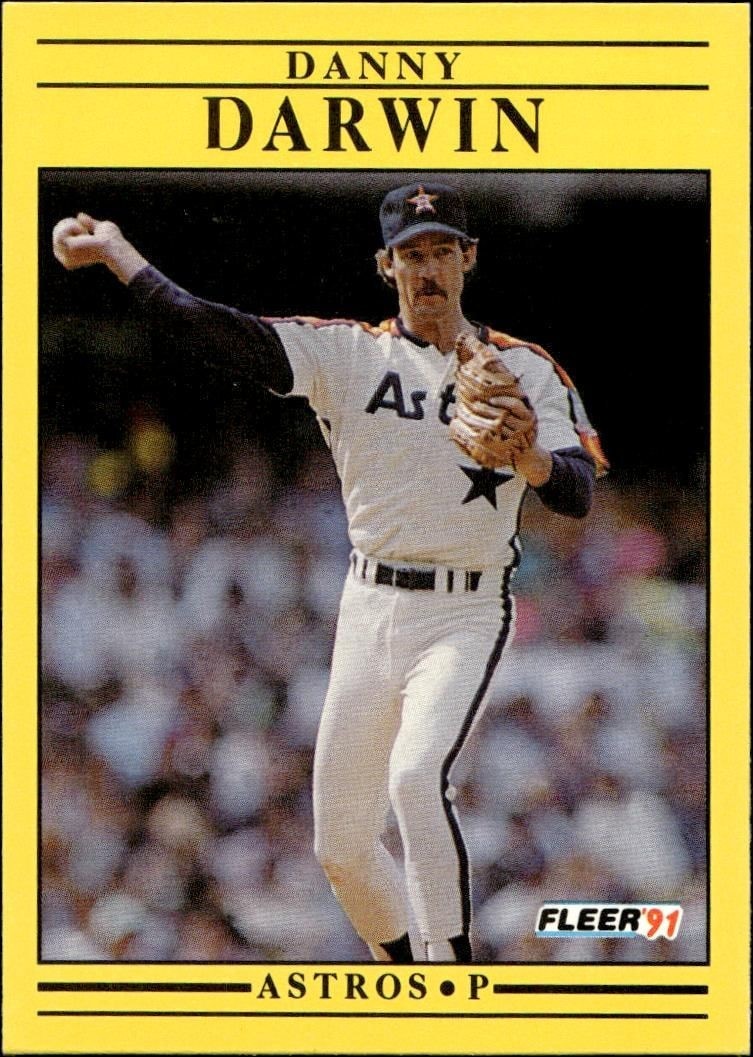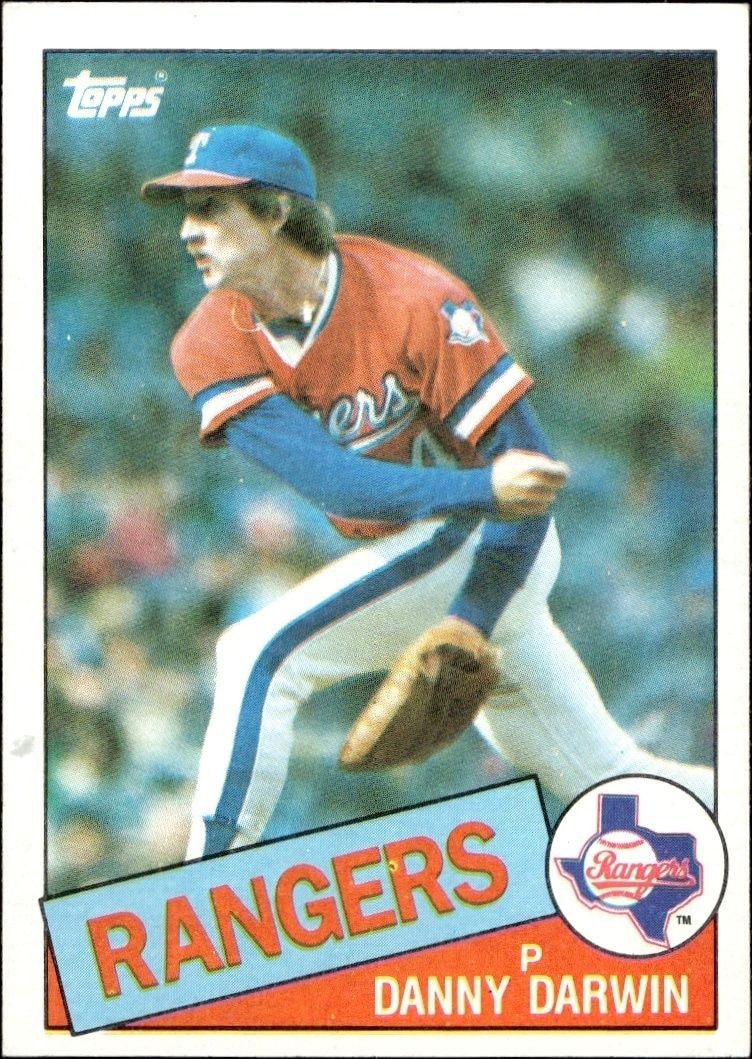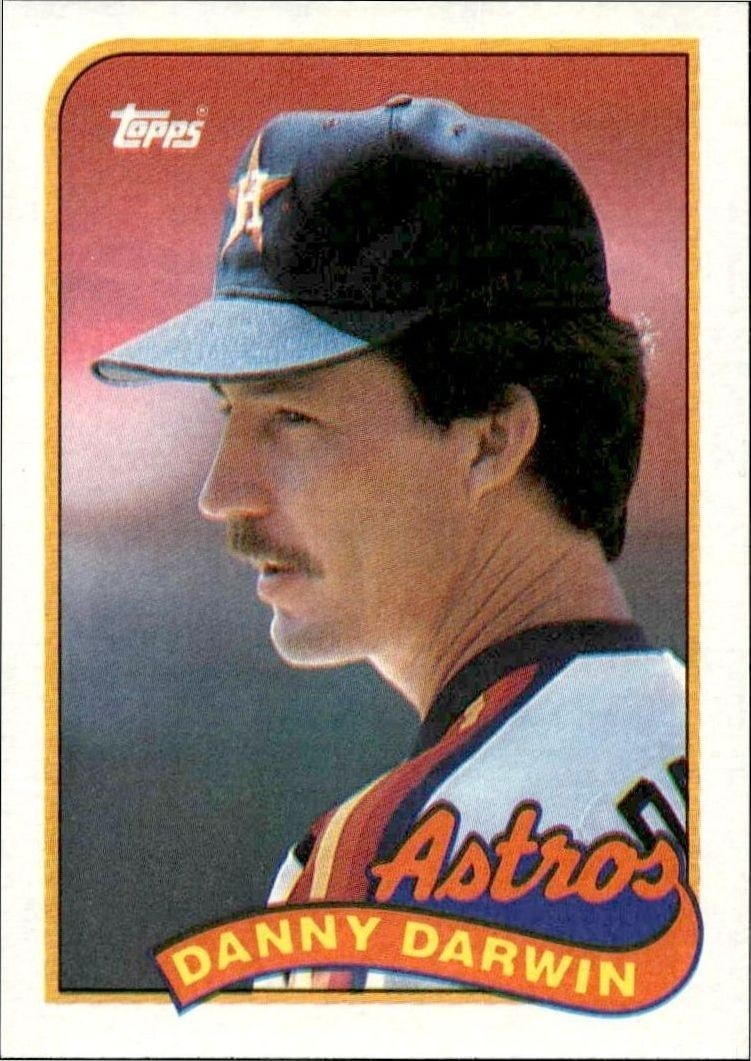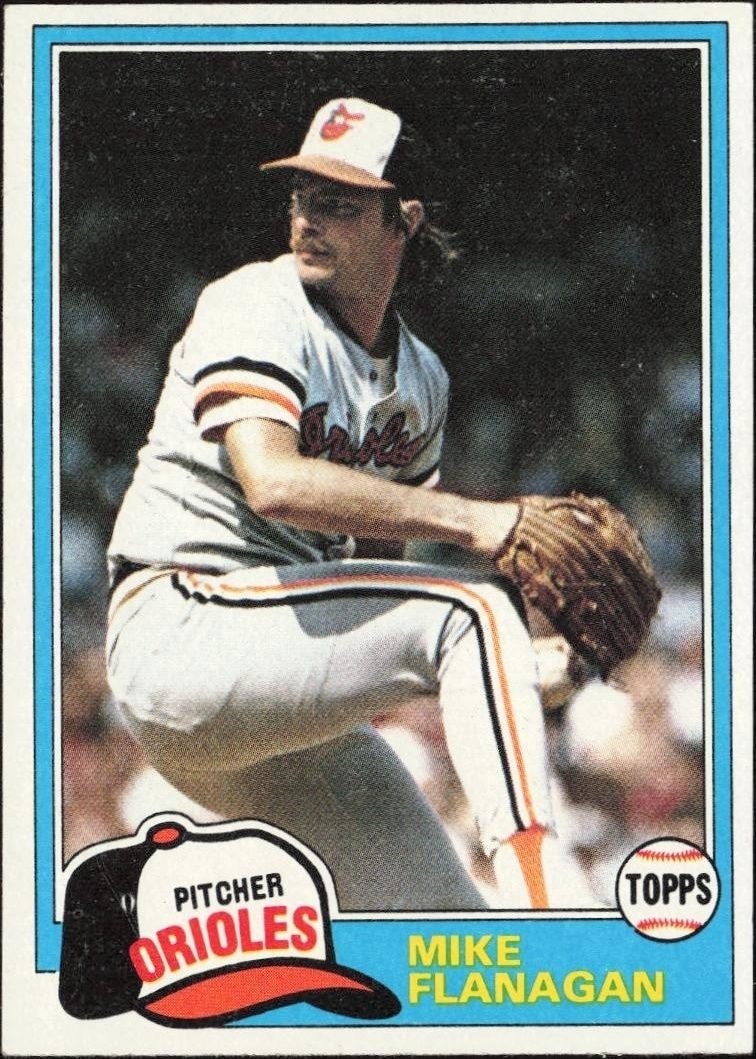

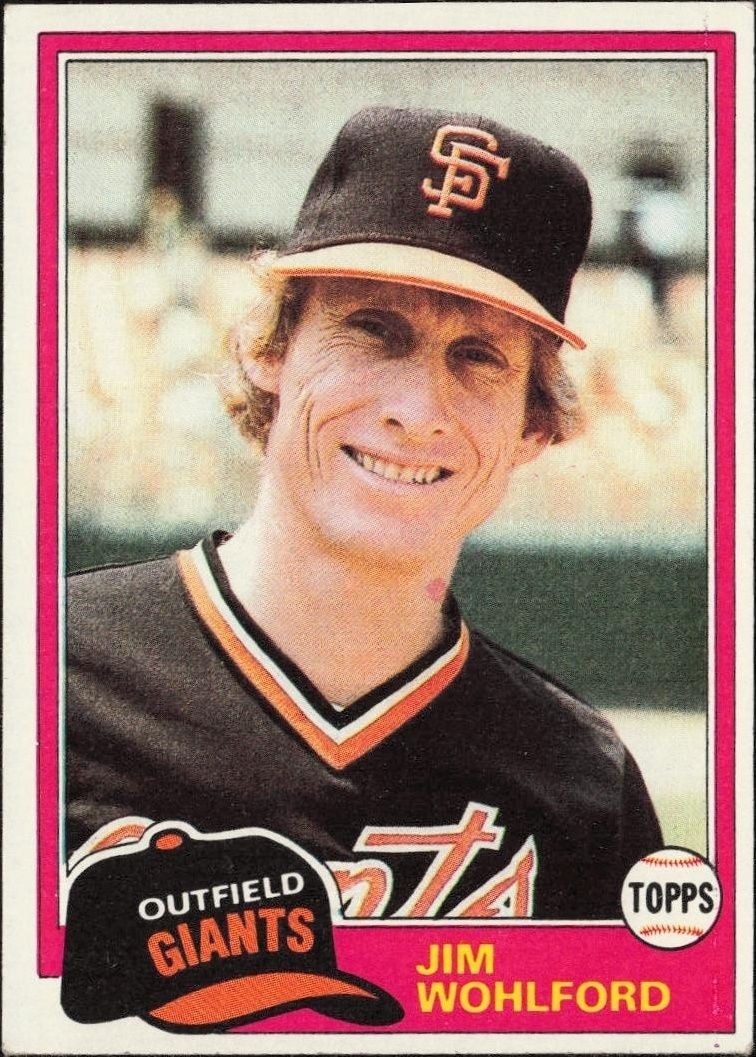
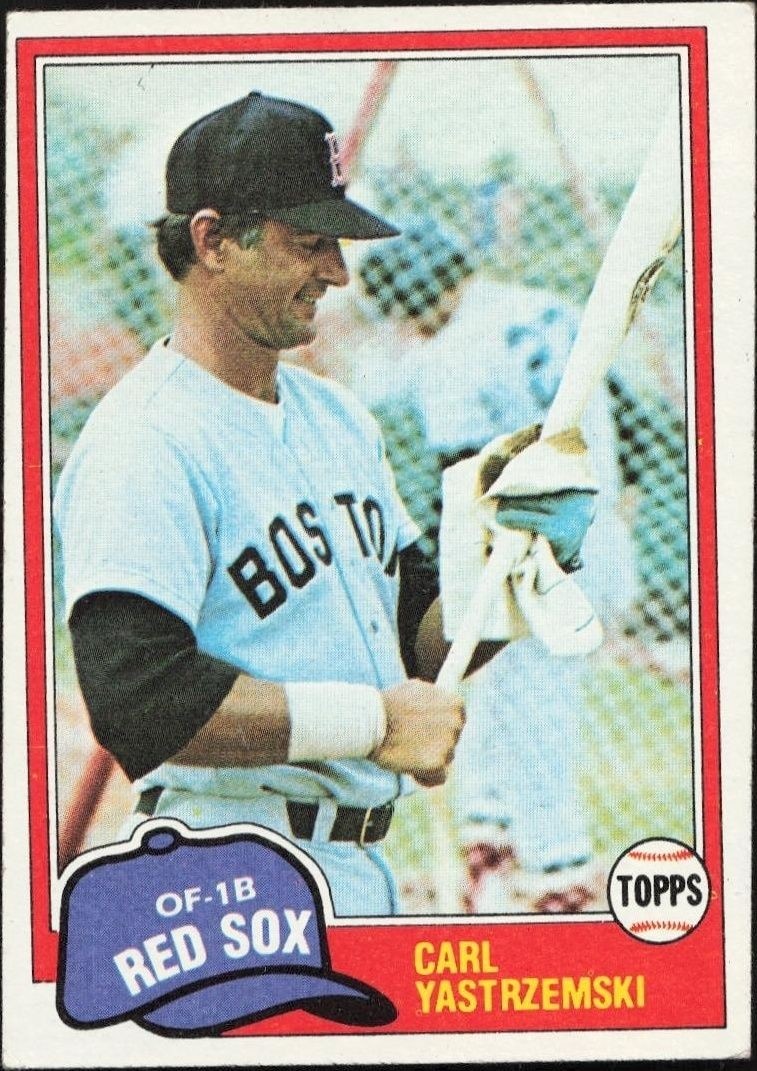


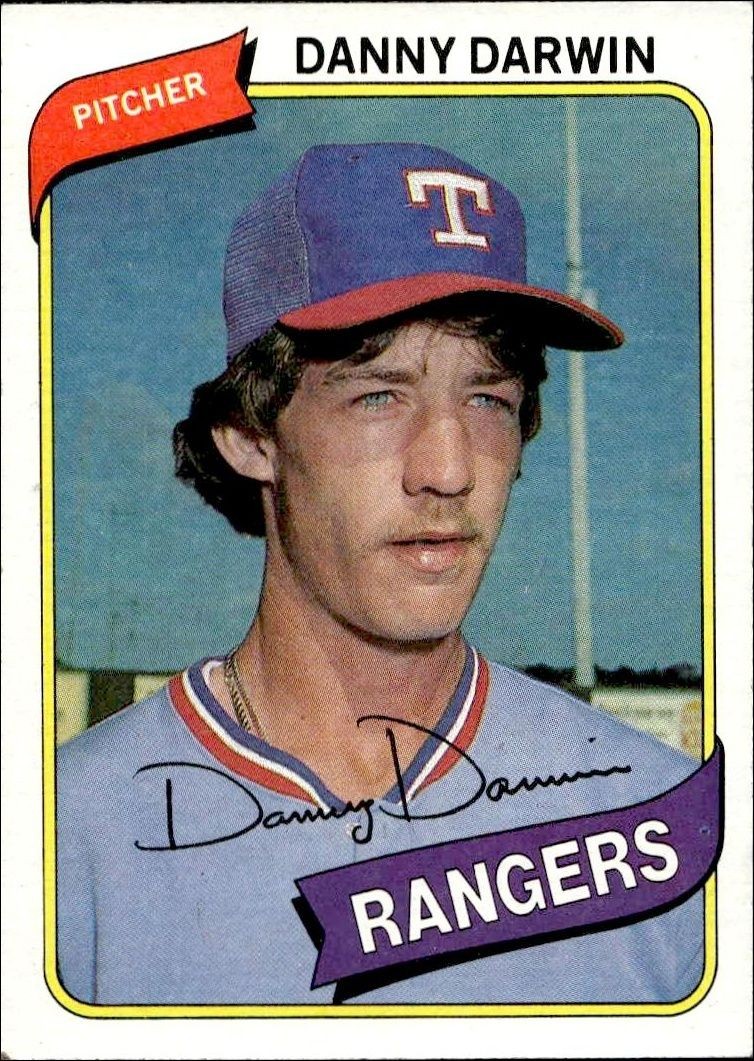
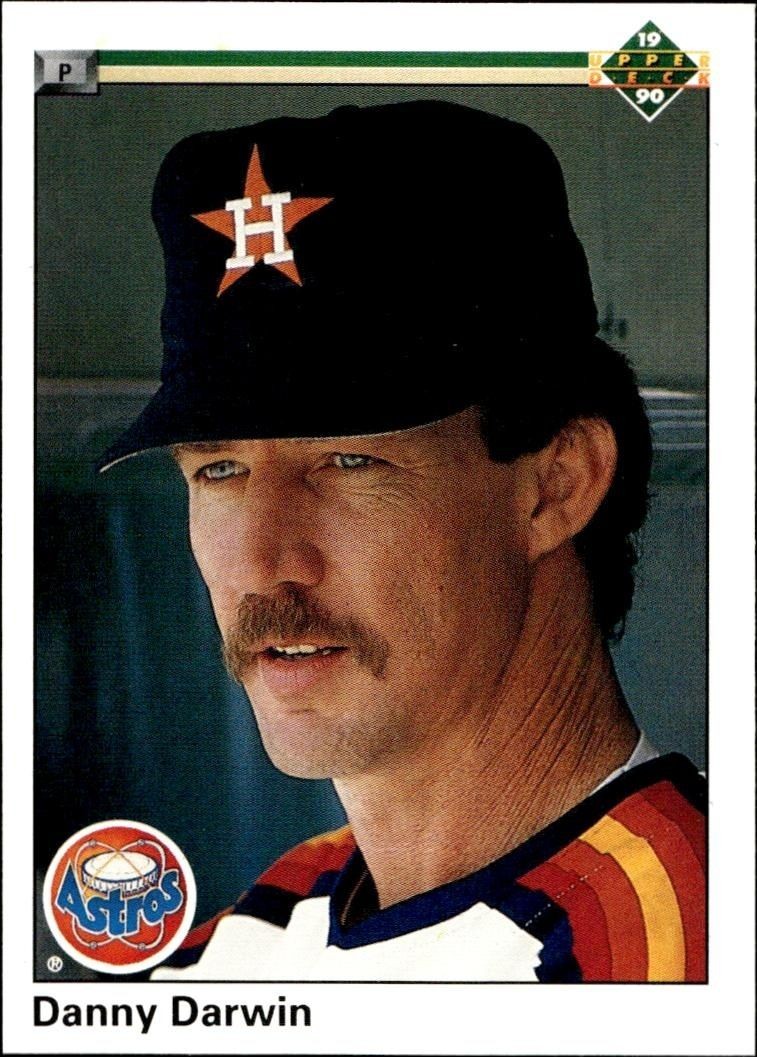

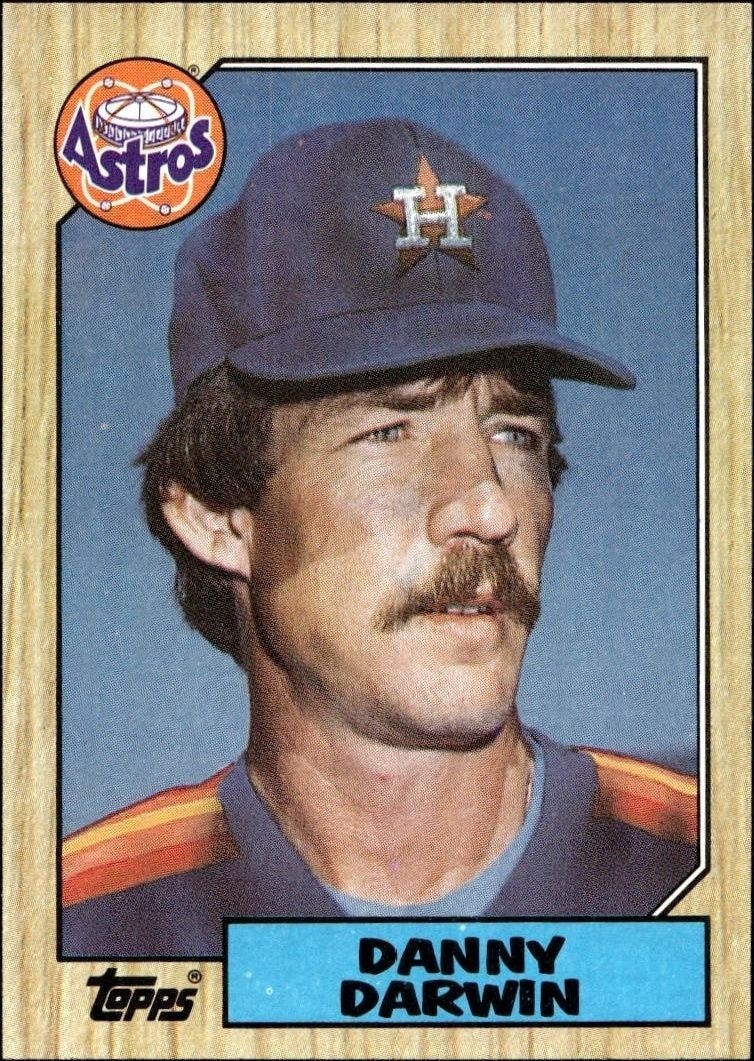
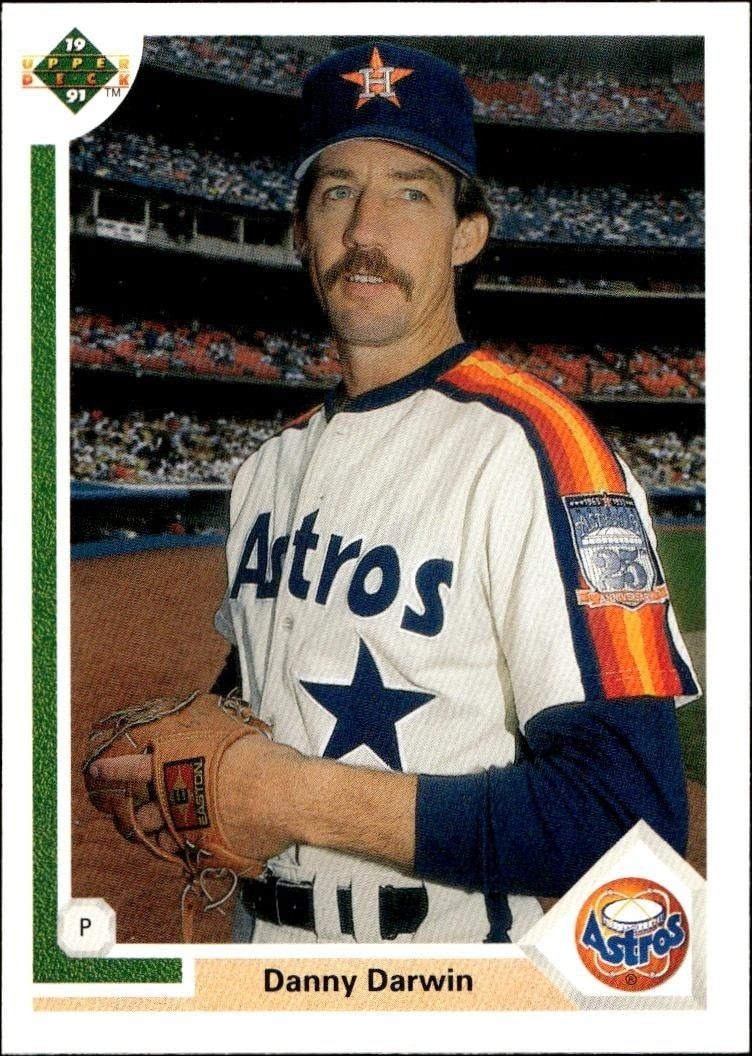
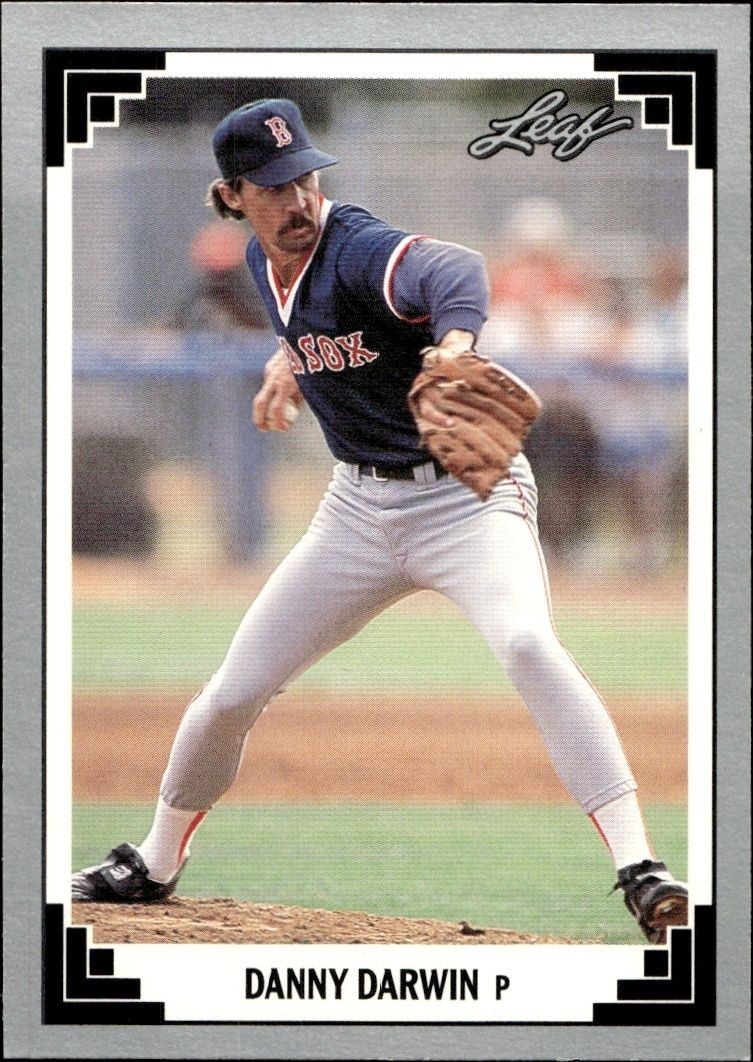
This 1981 Topps Danny Darwin #22 sports card features the Texas Rangers pitcher from the 1981 baseball season. A key piece for collectors of vintage Topps baseball issues.
1981 • Topps
Major League Baseball • Texas Rangers
Excellent
22
New
Shipping Calculated at Checkout
Arrives in 5-7 daysEstimated delivery October 23, 2026 - October 25, 2026
Seller returns October 19, 2026.30-day Returns| Condition | Value | Source | Trend | Price Details |
|---|---|---|---|---|
$1.27 | Guide Estimate | 0% | ||
$11.33 | Guide Estimate | -4.5% | ||
$14.99 | Guide Estimate | 0% | ||
$46.49 | Guide Estimate | -4.5% | ||
$83.00 | Guide Estimate | 0% | ||
$38.00 | Guide Estimate | 0% | ||
$63.53 | Guide Estimate | 0% | ||
$38.00 | Guide Estimate | 0% | ||
Raw / Ungraded
PriceCharting Price Guide · Guide Estimate evidence · captured Oct 15, 2026
The 1981 Topps Danny Darwin #22 baseball card represents a specific moment in the history of the Topps brand and the 1981 baseball season. As a standard issue within the 1981 Topps baseball set, this card features Danny Darwin during his tenure with the Texas Rangers. Collectors often seek out cards from this era to complete their base set collections or to focus on specific franchises like the Rangers. Danny Darwin appears as the featured subject on card number 22, a position within the larger Topps checklist for that year. For many hobbyists, cards from this year hold nostalgic value, marking a time when physical trading cards were a primary way to engage with the sport. For those building a collection of 1981 Topps baseball cards, the Danny Darwin #22 release serves as a foundational component. It allows enthusiasts to trace the roster composition of the Texas Rangers during that specific season. Whether you are a fan of the player, the team, or the brand itself, this card offers a tangible connection to the 1981 baseball landscape. The value of the 1981 Topps Danny Darwin #22 card often lies in its completeness within the set and its association with a notable period for the Texas Rangers. Collectors appreciate the opportunity to own a piece of the 1981 baseball season, preserved through the enduring popularity of the Topps brand. By focusing on the catalog details—the year, the brand, the team, and the card number—collectors can make informed decisions about adding this piece to their collection.
11 hours ago
We'll pre-fill the product details from this catalog entry, so your listing lands on this exact page. Just add photos of your copy, pick its condition, and set your price.
The catalog profile below summarizes the card identity, featured subject, and notable collectible traits.
The subject, team, league, and sport context tied to this card.
Production details and format-specific attributes.
Material
Card Stock
Language
English
Compare prices, grades, photos, and shipping from approved sellers.
New
Excellent
See how many public collections currently include this card.
0 collectors have this card
This 1981 Topps card sits at an accessible entry-level price point, reflecting its status as a standard base issue from the early 1980s era. While Danny Darwin holds a defined niche in Texas Rangers history, this specific ungraded base card does not command a significant premium over comparable players from the same set. Its current market positioning suggests it trades at the lower end of the spectrum for vintage baseball cards, appealing primarily to budget-conscious completists rather than high-end investors.
The card lacks any special scarcity attributes such as serial numbering, short-print status, or parallel variations, identifying it strictly as a mass-produced base card. This standard production run implies a high overall supply in the secondary market, which naturally suppresses individual value compared to limited-edition counterparts. Without unique physical characteristics or low-print mechanics, its rarity is derived solely from its age and condition rather than intentional scarcity.
As a non-rookie base card from a major brand, this item offers minimal upside potential for capital appreciation due to the abundant supply and lack of unique collector drivers. Demand is likely limited to those seeking to complete specific team or player sets within the 1981 Topps framework. Investors should view this as a consumable acquisition for collection purposes rather than a store of value, given the absence of rookie card premiums or special parallel distinctions.