


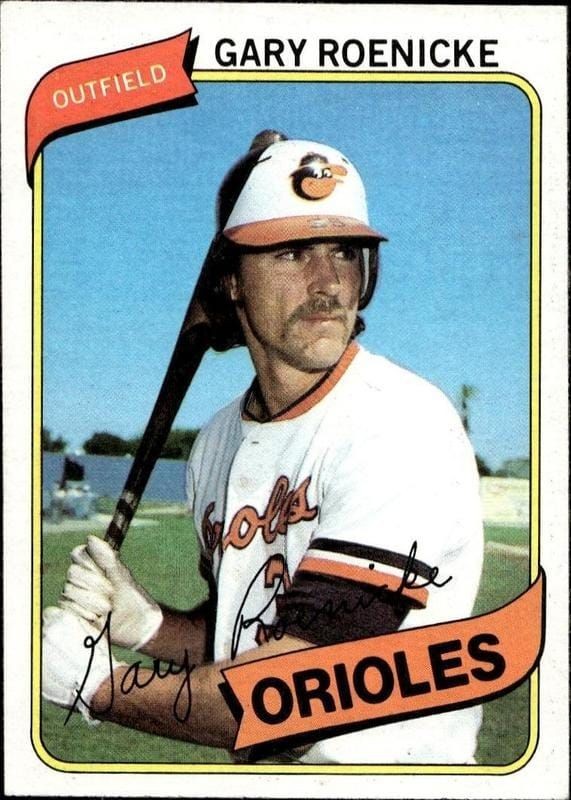
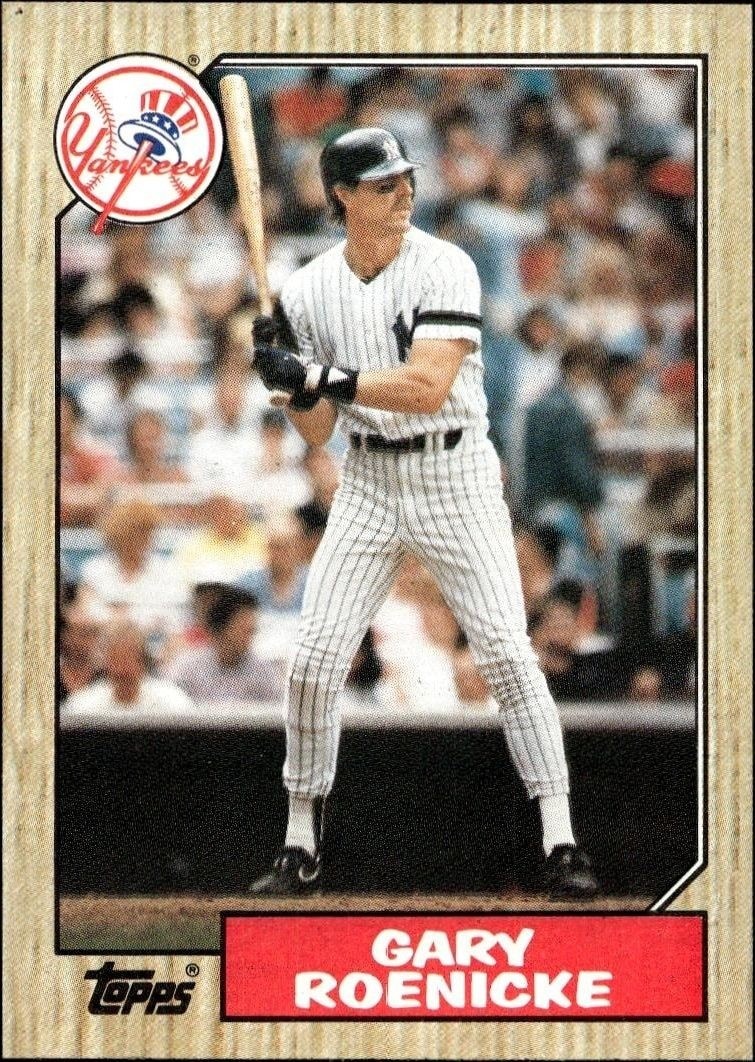
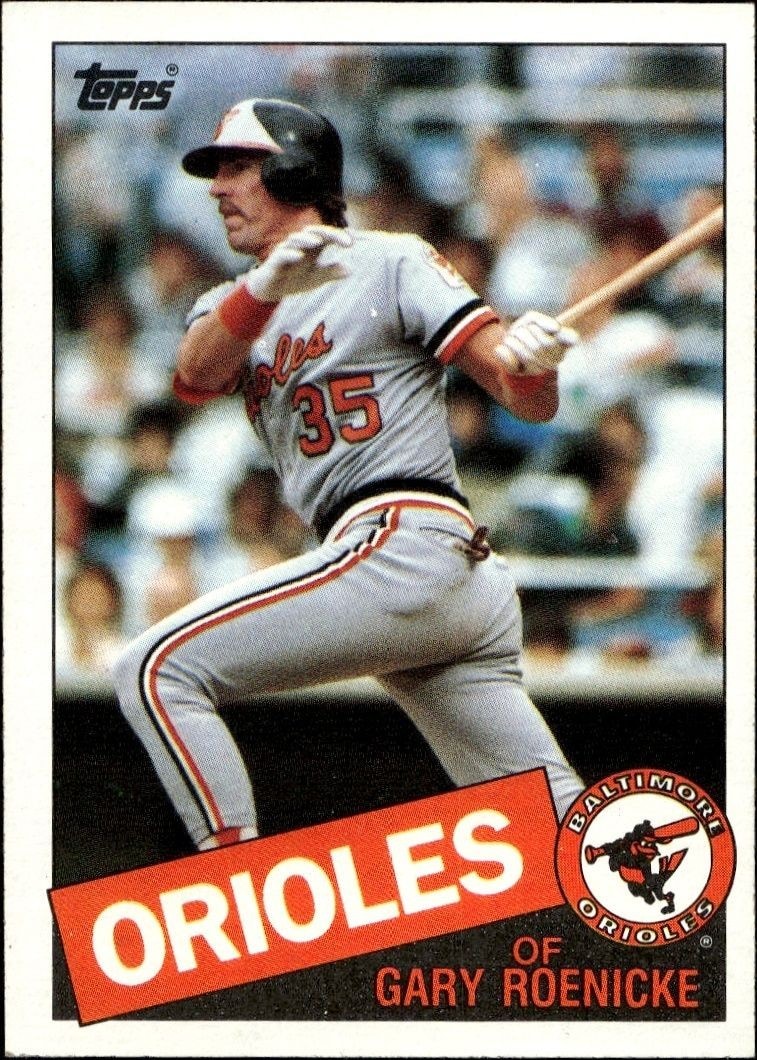
The 1981 Topps #37 Gary Roenicke baseball card represents a key entry in vintage sports card collecting, featuring the Baltimore Orioles player from a classic Topps release.
1981 • Topps
Major League Baseball • Baltimore Orioles
Excellent
37
New
Shipping Calculated at Checkout
Arrives in 5-7 daysEstimated delivery October 23, 2026 - October 25, 2026
Seller returns October 19, 2026.30-day Returns| Condition | Value | Source | Trend | Price Details |
|---|---|---|---|---|
$1.49 | Guide Estimate | +0.7% | ||
$3.25 | Guide Estimate | 0% | ||
$10.00 | Guide Estimate | 0% | ||
$17.87 | Guide Estimate | -0.1% | ||
$51.12 | Guide Estimate | +0.3% | ||
$179.00 | Guide Estimate | -0.6% | ||
$83.00 | Guide Estimate | 0% | ||
$137.99 | Guide Estimate | -0.3% | ||
$83.00 | Guide Estimate | 0% | ||
Raw / Ungraded
PriceCharting Price Guide · Guide Estimate evidence · captured Oct 16, 2026
The 1981 Topps #37 Gary Roenicke sports card stands as a distinct artifact from one of the most iconic eras in sports trading card history. As part of the 1981 Topps series, this card captures the visual style and design sensibilities that define the brand's legacy in the baseball hobby. Collectors often seek out cards from this year to complete their vintage sets or to add a tangible piece of baseball history to their portfolio. Gary Roenicke, identified on the card as a member of the Baltimore Orioles, provides a direct link to the team's roster during the early 1980s. For investors and hobbyists alike, the 1981 Topps release remains a foundational component of modern collecting, offering both nostalgic value and historical context. The card's design reflects the straightforward, player-focused approach that Topps was known for, allowing the subject to remain the central point of interest. Whether you are a dedicated set builder looking for the final piece of your 1981 collection or a long-term investor interested in the durability of vintage paper goods, this card offers a compelling entry point. The enduring appeal of the 1981 Topps brand ensures that items like the Gary Roenicke card continue to hold significance within the broader community of baseball card enthusiasts. It serves as a reminder of the era when physical cards were the primary way fans connected with their favorite teams and players.
11 hours ago
We'll pre-fill the product details from this catalog entry, so your listing lands on this exact page. Just add photos of your copy, pick its condition, and set your price.
The catalog profile below summarizes the card identity, featured subject, and notable collectible traits.
The subject, team, league, and sport context tied to this card.
Production details and format-specific attributes.
Material
Card Stock
Language
English
Compare prices, grades, photos, and shipping from approved sellers.
New
Excellent
See how many public collections currently include this card.
0 collectors have this card
Gary Roenicke's 1981 Topps card is positioned in the entry-level tier, trading at a modest valuation consistent with his role as a reserve outfielder rather than a franchise cornerstone. The current active listing availability suggests a stable, low-volume market where the card commands minimal premium over its base set value. Price appreciation is likely constrained by the player's limited long-term market presence compared to contemporaneous stars.
This item represents a standard base card from the 1981 Topps issue, lacking any special parallel, short-print designation, or serial numbering mechanics that would artificially restrict supply. The scarcity is driven purely by the natural attrition of uncoated cardboard over four decades rather than intentional production limits. Without unique attributes like a one-of-one status or specific die-cut variations, the supply remains relatively abundant relative to the demand.
As a non-rookie card from a major brand, the investment potential is limited to niche collection completion rather than speculative growth. Collector demand is primarily fueled by the visual appeal of the 1981 set design and the specific era of Baltimore Orioles history, rather than career trajectory milestones. Long-term value stability relies on the enduring popularity of the Topps brand and the continued pursuit of 1980s baseball memorabilia by casual collectors.