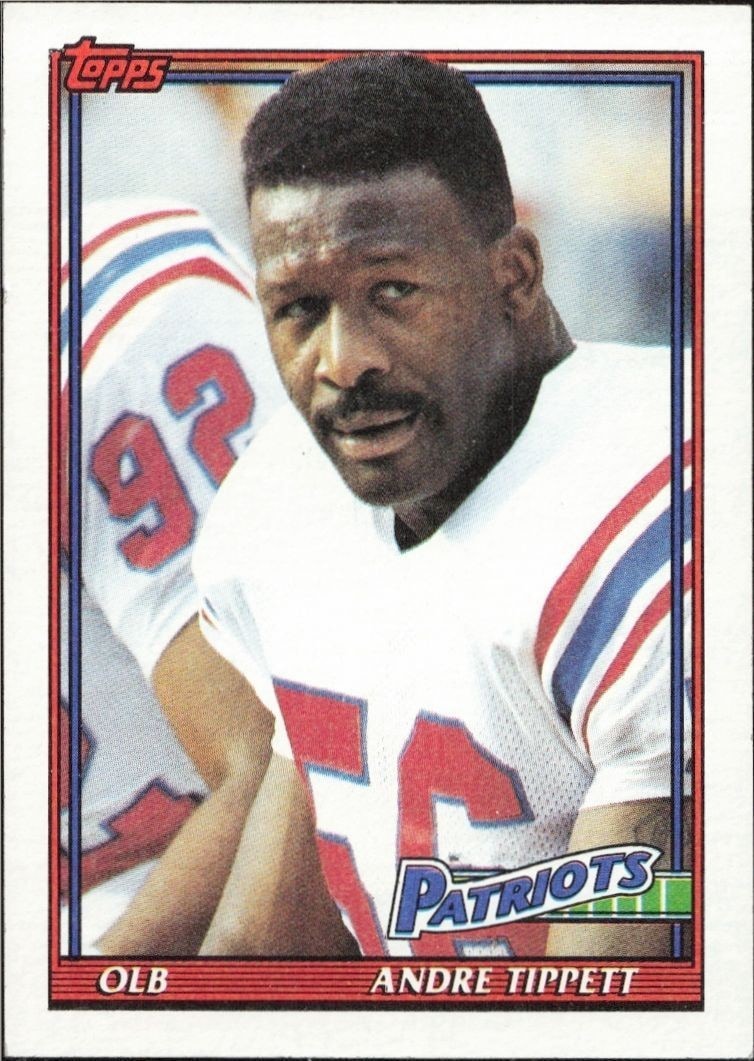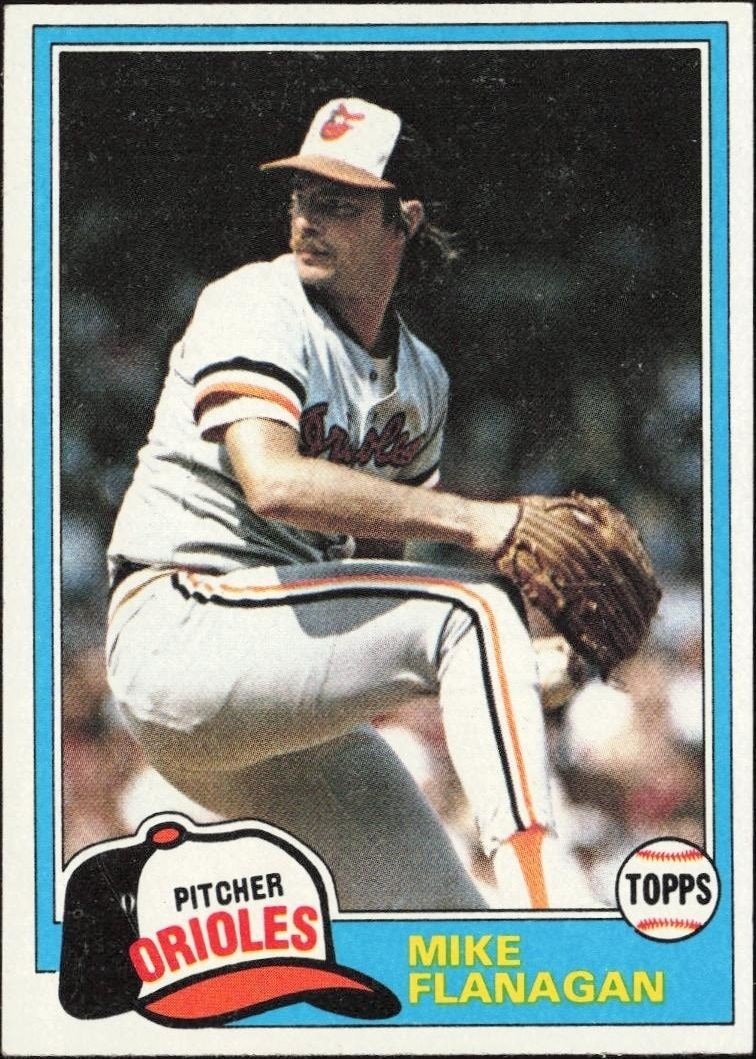

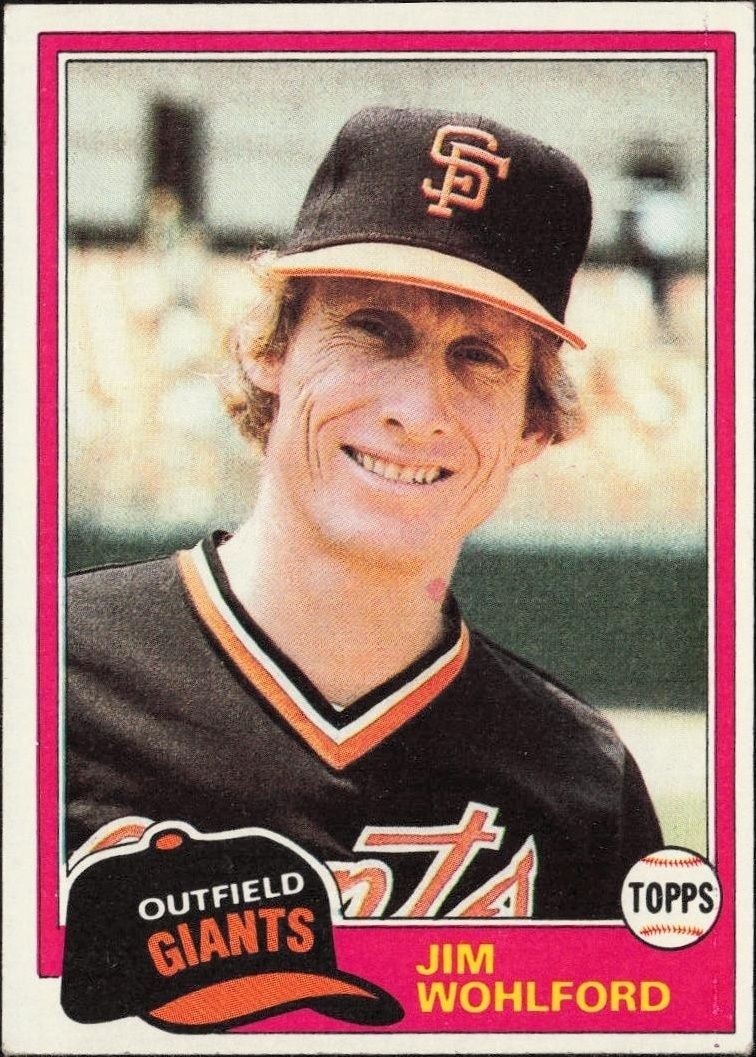
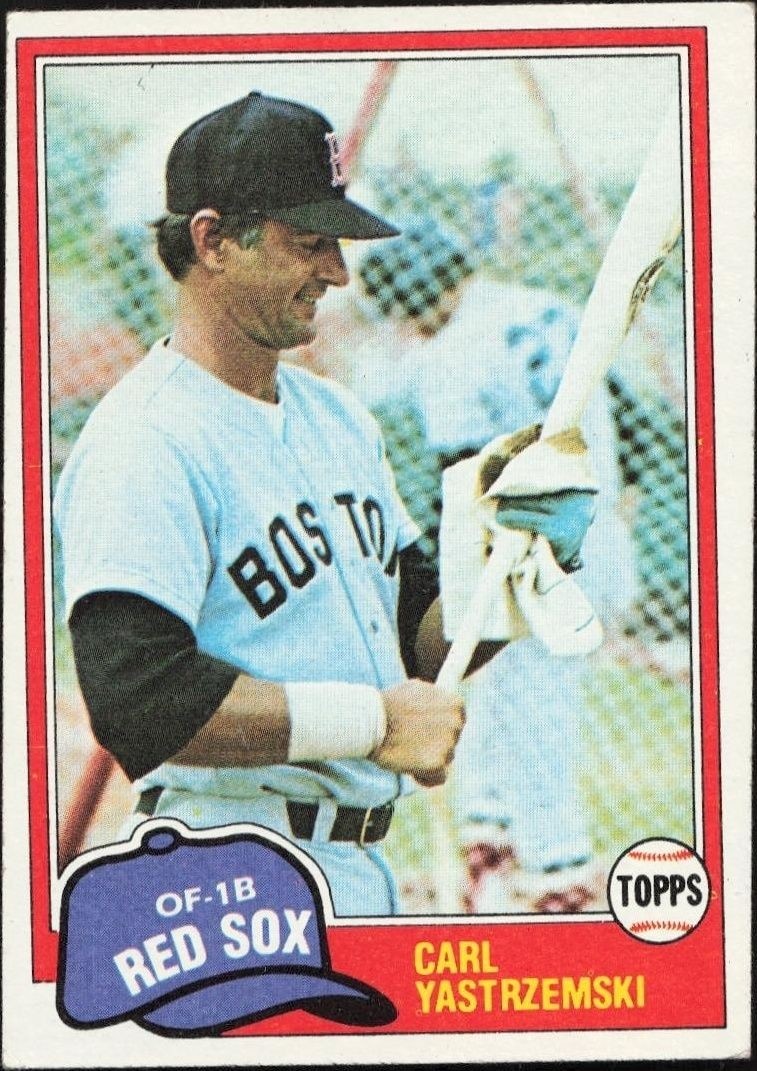


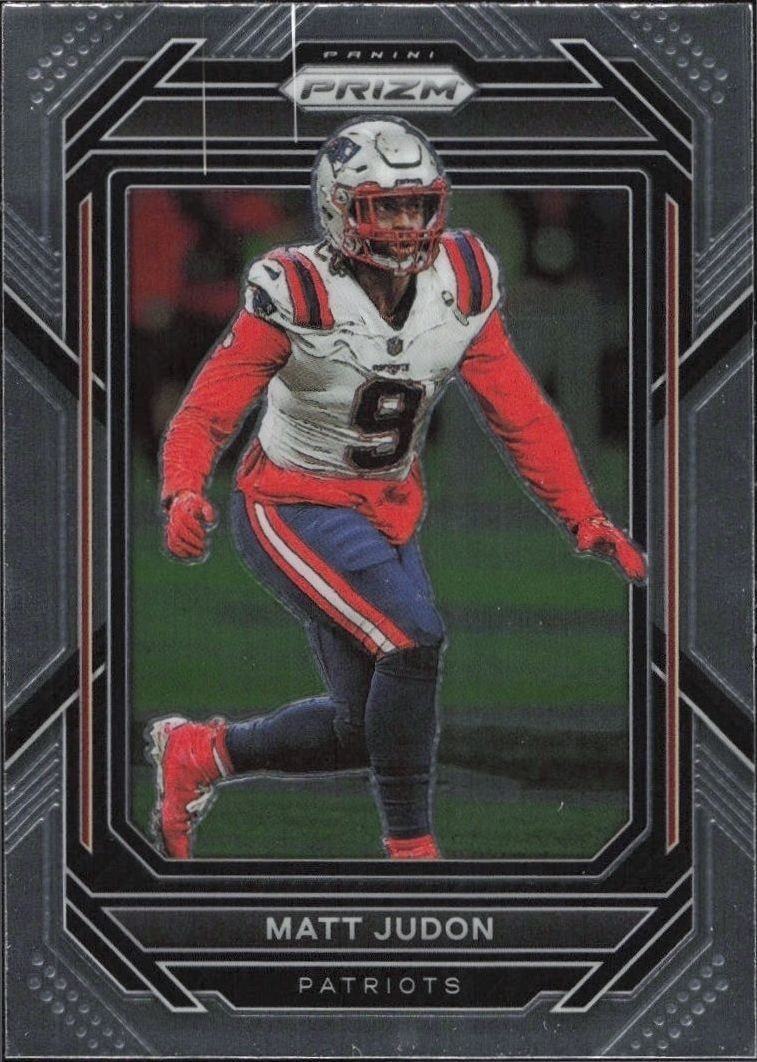
The 1981 Topps John Smith #490 is a standard sports trading card featuring the New England Patriots player in the NFL category.
1981 • Topps
National Football League • New England Patriots
Excellent
490
New
Shipping Calculated at Checkout
Arrives in 4-6 daysEstimated delivery November 12, 2026 - November 14, 2026
30-day Returns| Condition | Value | Source | Trend | Price Details |
|---|---|---|---|---|
$0.81As of 10/24/2026 | Guide Estimate | +24.6% | ||
$8.25As of 10/24/2026 | Guide Estimate | +0.1% | ||
$12.99As of 10/24/2026 | Guide Estimate | 0% | ||
$33.58As of 10/24/2026 | Guide Estimate | +0.1% | ||
$81.00As of 10/24/2026 | Guide Estimate | +1.3% | ||
$25.00As of 10/24/2026 | Guide Estimate | -32.4% | ||
$62.00As of 10/24/2026 | Guide Estimate | +1.1% | ||
$37.00As of 10/24/2026 | Guide Estimate | 0% | ||
Raw / Ungraded
PriceCharting Price Guide · Guide Estimate evidence · captured Oct 24, 2026
This 1981 Topps John Smith #490 sports trading card features the New England Patriots player in the NFL category. The card is part of the 1981 Topps brand release, identified by card number 490 in the set. It represents a standard football card from the early 1980s era of sports memorabilia. ## What is the card number for John Smith in 1981 Topps? The card number for John Smith in the 1981 Topps set is 490. This number uniquely identifies the card within the standard Topps checklist for that year. ## Is this card an autograph or memorabilia card? No, the 1981 Topps John Smith #490 is a standard sports card. It does not feature an autograph or game-used memorabilia component. ## What team does John Smith represent on this card? John Smith is featured as a player for the New England Patriots on this card, representing the team in the NFL category.
1 day ago
We'll pre-fill the product details from this catalog entry, so your listing lands on this exact page. Just add photos of your copy, pick its condition, and set your price.
The catalog profile below summarizes the card identity, featured subject, and notable collectible traits.
The subject, team, league, and sport context tied to this card.
Production details and format-specific attributes.
Material
Card Stock
Language
English
Compare prices, grades, photos, and shipping from approved sellers.
New
Excellent
See how many public collections currently include this card.
0 collectors have this card
FAQ
The card number for John Smith in the 1981 Topps set is 490. This number uniquely identifies the card within the standard Topps checklist for that year.
No, the 1981 Topps John Smith #490 is a standard sports card. It does not feature an autograph or game-used memorabilia component.
John Smith is featured as a player for the New England Patriots on this card, representing the team in the NFL category.
This 1981 Topps base card occupies a lower tier in the broader John Smith collectible market, reflecting its status as a standard issue from a pre-eminent football era. As a common base card without special attributes, it trades at a modest premium relative to ungraded or damaged counterparts but remains significantly below the value of his rare parallels or inserts. The pricing structure suggests it serves primarily as a foundational piece for set builders rather than a high-value speculative asset.
The card lacks any scarcity mechanics such as serial numbering, short-print designation, or parallel treatment, meaning it represents the highest-volume subset of the 1981 Topps Football set. Its supply is effectively unlimited within the context of the base product, as it was produced in mass quantities to fulfill the primary checklist requirements. Consequently, the card does not benefit from the supply constraints that typically drive premiums in vintage sports card collecting.
As a non-rookie base card from 1981, this item does not carry the rookie-card premium mechanics that typically drive long-term appreciation for player-specific investments. Collector demand is likely limited to those completing specific year-based sets or focusing on New England Patriots history from the early 1980s. While it holds nostalgic value for the era, its lack of special attributes limits its potential for significant market growth compared to rarer variations of the same player.