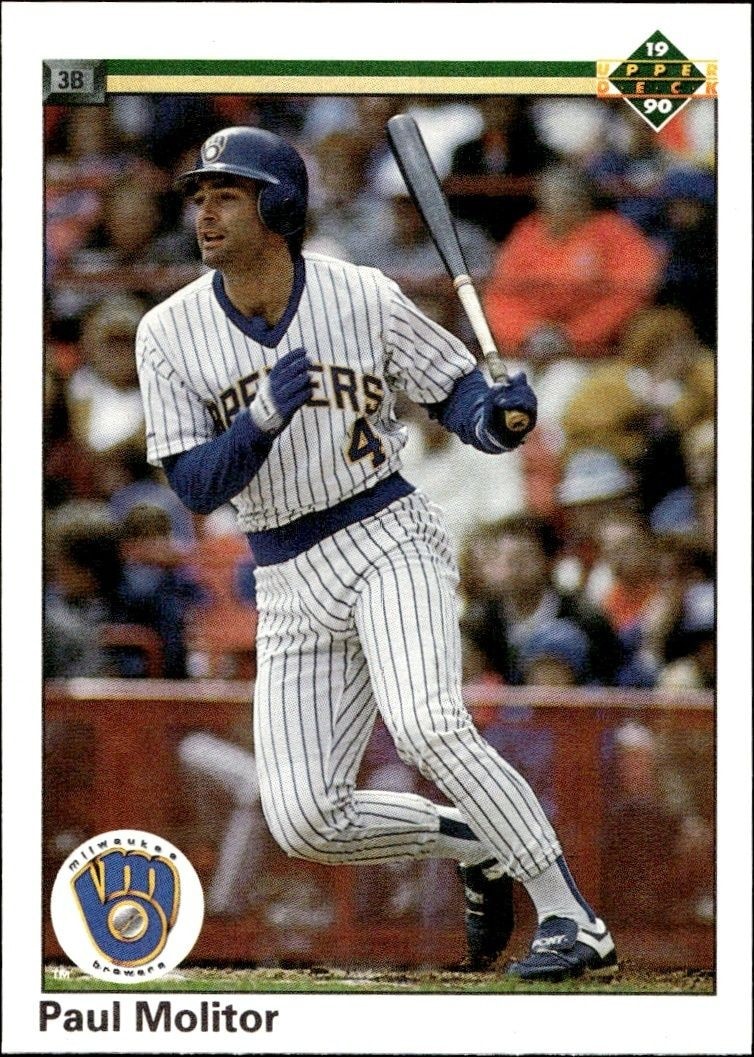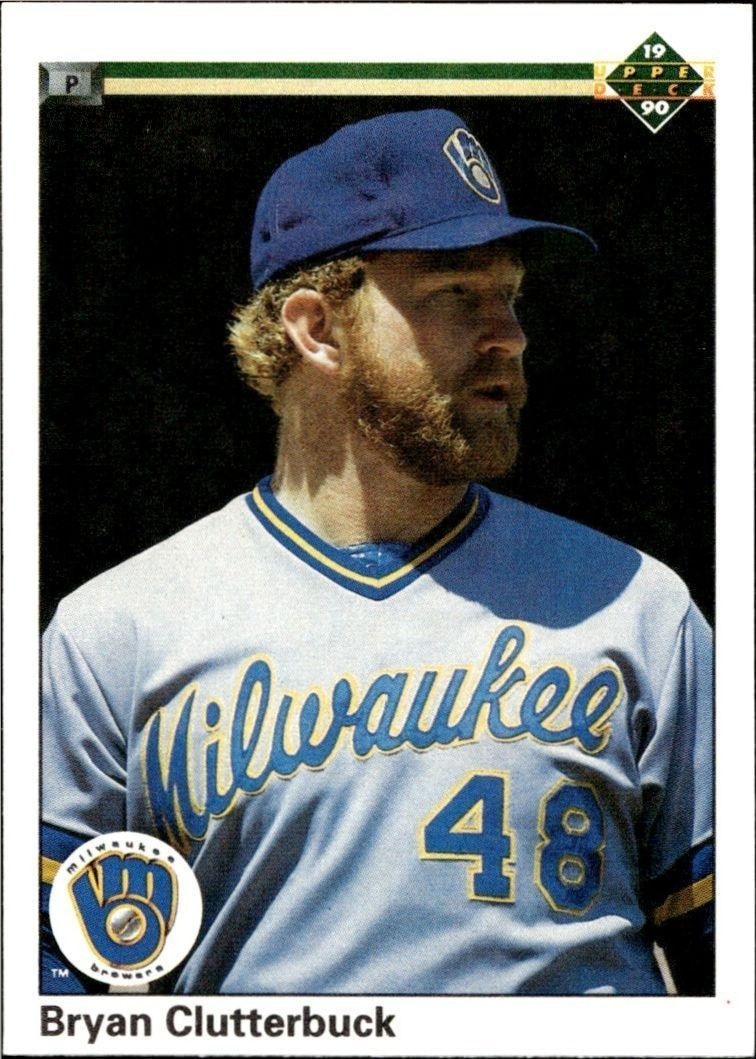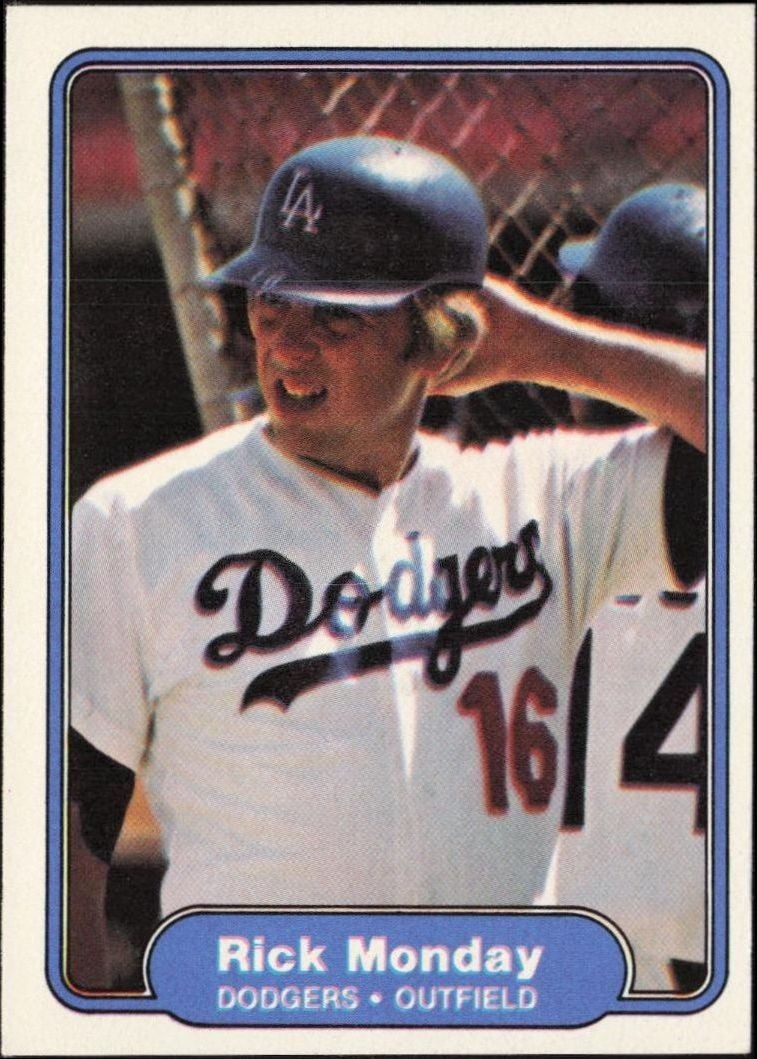


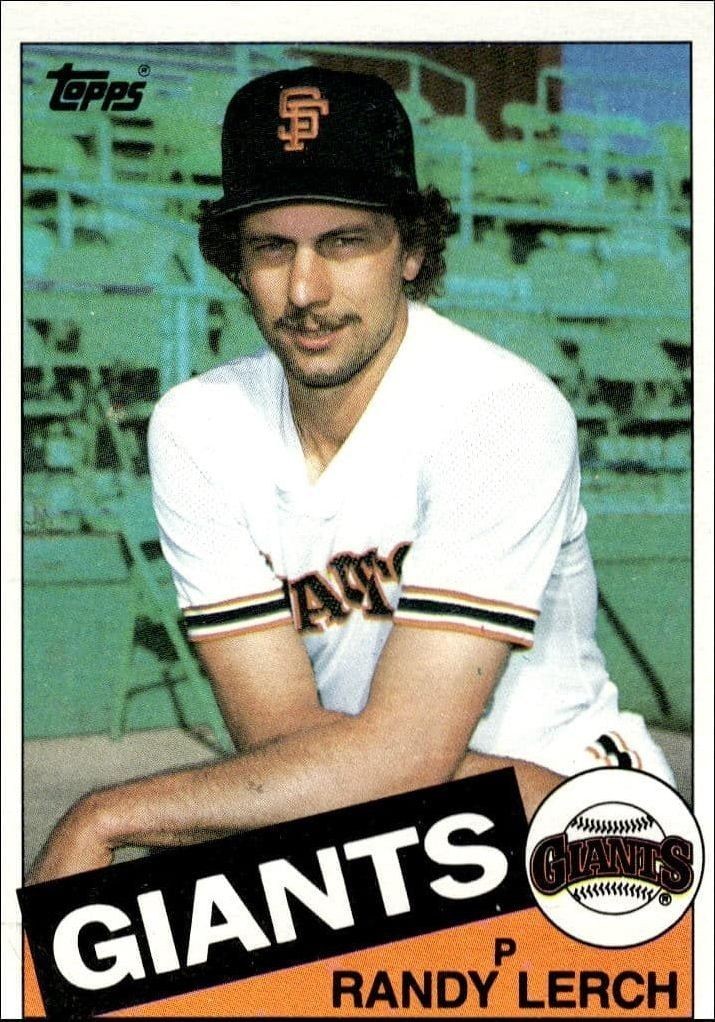

Explore the 1982 Fleer Randy Lerch #147 baseball card, a key issue for collectors of vintage Milwaukee Brewers memorabilia and Fleer series.
1982 • Fleer
Major League Baseball • Milwaukee Brewers
Excellent
147
New
Shipping Calculated at Checkout
30-day Returns| Condition | Value | Source | Trend | Price Details |
|---|---|---|---|---|
$1.15 | Guide Estimate | 0% | ||
$0.99As of 9/15/2026 | Completed Sales | |||
$84.99 | Guide Estimate | 0% | ||
$93.00 | Guide Estimate | 0% | ||
Raw / Ungraded
PriceCharting Price Guide · Guide Estimate evidence · captured Oct 23, 2026
The 1982 Fleer Randy Lerch #147 card represents a specific moment in the evolution of baseball trading cards during the early 1980s. Fleer re-entered the market during this era, producing sets that are now highly sought after by historians and collectors who value the brand's return to prominence. This release, numbered 147, features Randy Lerch during his tenure with the Milwaukee Brewers, capturing his role within the team's roster at the time. Collectors of vintage sports cards often look to the early 1980s as a pivotal period for design and production quality. Fleer cards from this year are distinguished by their unique aesthetic and printing techniques, which differ significantly from modern counterparts. Randy Lerch's presence in this Fleer release offers a tangible connection to his career in Major League Baseball. For investors and hobbyists, cards from this year and manufacturer hold historical significance due to Fleer's limited but impactful run during this decade. The card number 147 serves as a clear identifier within the catalog, aiding in organization and retrieval for serious collectors. By focusing on the identity of the product—its year, brand, subject, and card number—collectors can build a robust library of vintage baseball history. Whether you are tracking down specific players or exploring the breadth of the 1982 Fleer set, this card stands as an important piece of sports trading card heritage.
2 days ago
We'll pre-fill the product details from this catalog entry, so your listing lands on this exact page. Just add photos of your copy, pick its condition, and set your price.
The catalog profile below summarizes the card identity, featured subject, and notable collectible traits.
The subject, team, league, and sport context tied to this card.
Production details and format-specific attributes.
Material
Card Stock
Language
English
Compare prices, grades, photos, and shipping from approved sellers.
New
Excellent
See how many public collections currently include this card.
0 collectors have this card
Randy Lerch's 1982 Fleer card represents a deep commons tier within the set, trading at the lower end of the market given his journeyman status as a left-handed pitcher who spent the 1982 season with the Milwaukee Brewers during their pennant-winning year. The Brewers connection does provide a modest collector interest bump, as team set collectors actively pursue the full '82 Fleer Brewers roster. However, without significant career milestones or Hall of Fame credentials, this card does not command a premium relative to key players from the same checklist.
The 1982 Fleer base set was produced in substantial quantities during the junk wax era's early onset, meaning print runs for cards like Lerch are high and raw copies remain widely available. With only one active listing currently on the market, the apparent scarcity is more a reflection of low collector demand than genuine limited supply. Graded population for this card is minimal, as submission rates for common players from this era are extremely low, making high-grade PSA or BGS examples technically scarce but economically unimpactful.
Lerch retired shortly after this card was issued, limiting any active player momentum or narrative-driven demand surges that could lift market interest. Cards from this era and player tier rarely see grading submission trends increase unless a cultural moment — such as a documentary or viral story — resurfaces collector curiosity. The investment outlook is flat, with this card best suited for team or set collectors rather than those seeking appreciating assets.