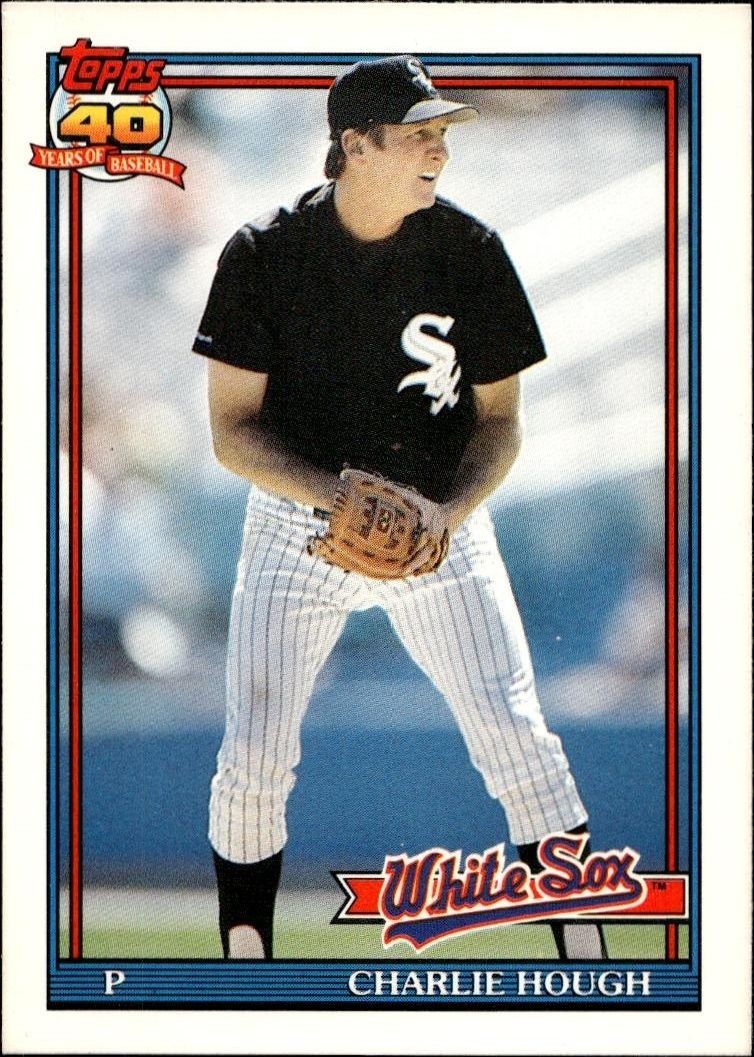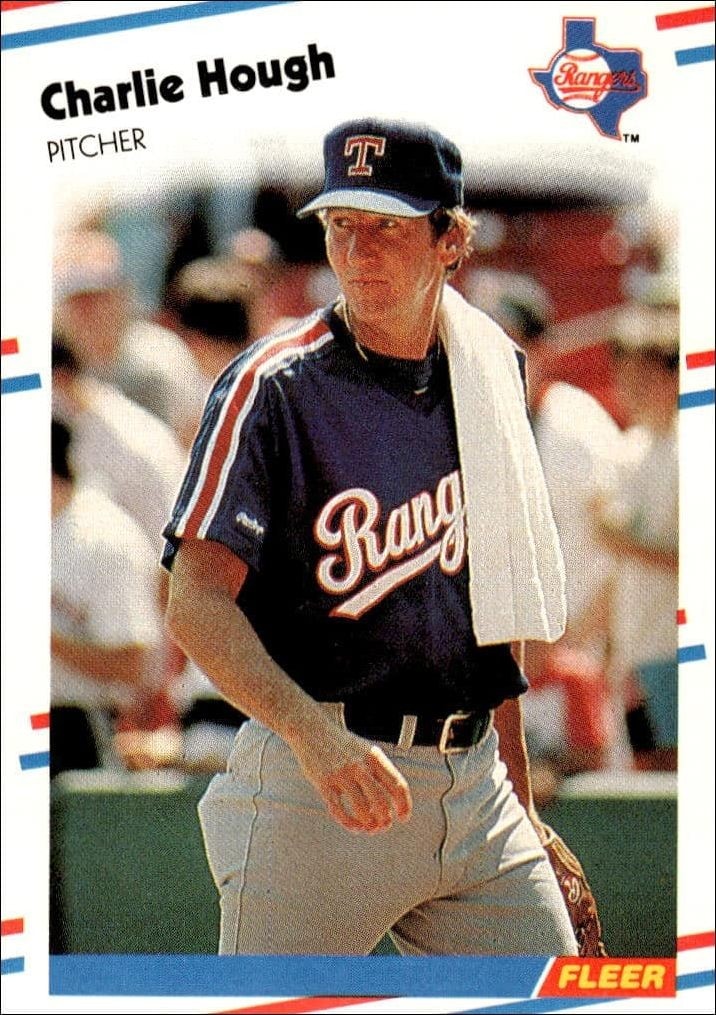

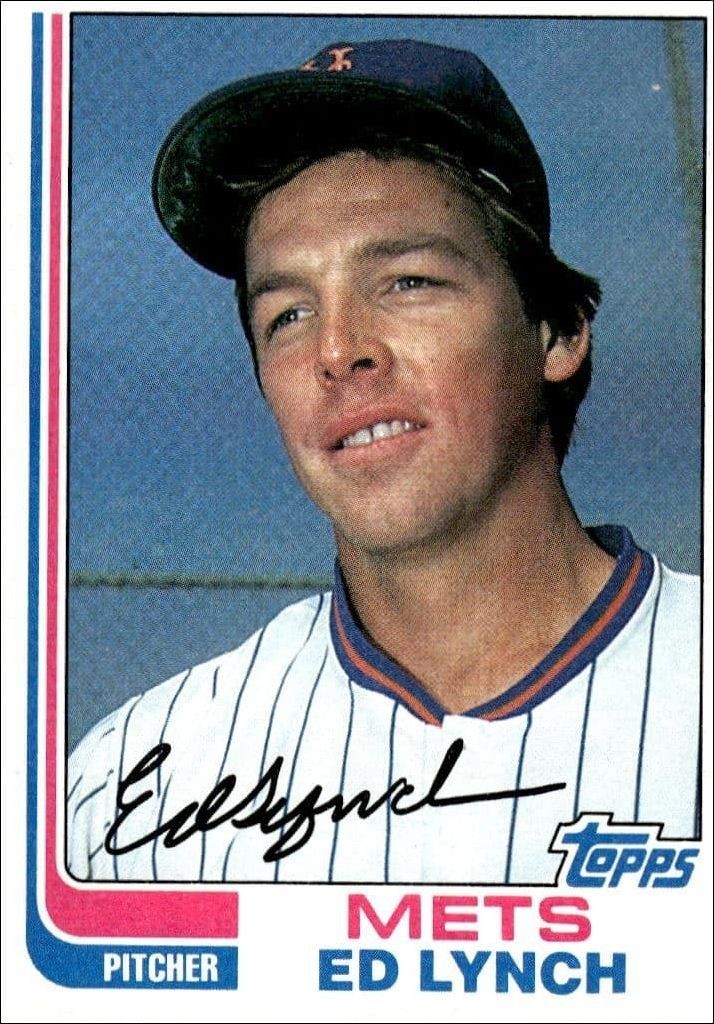



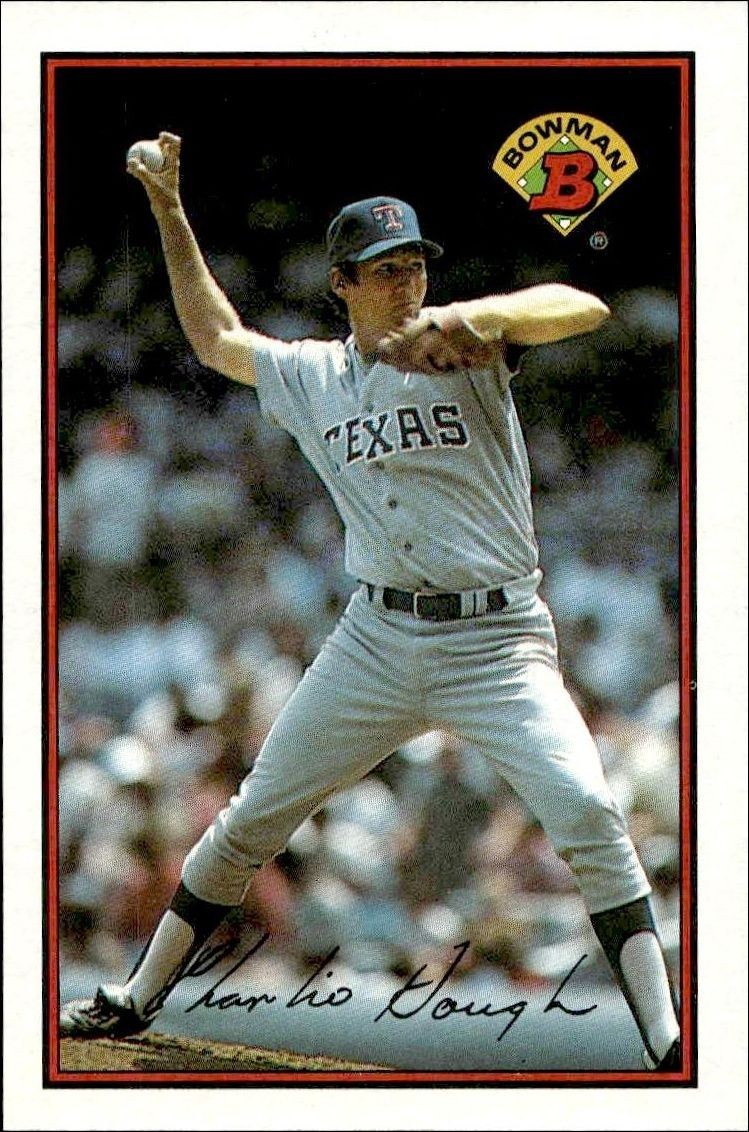
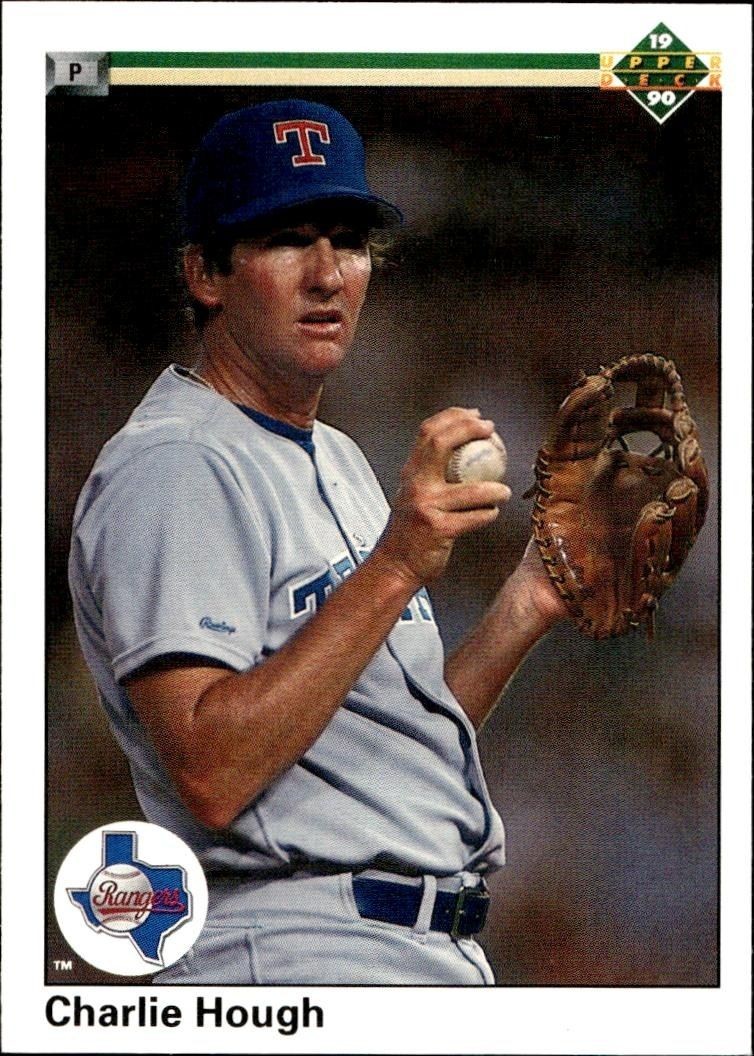
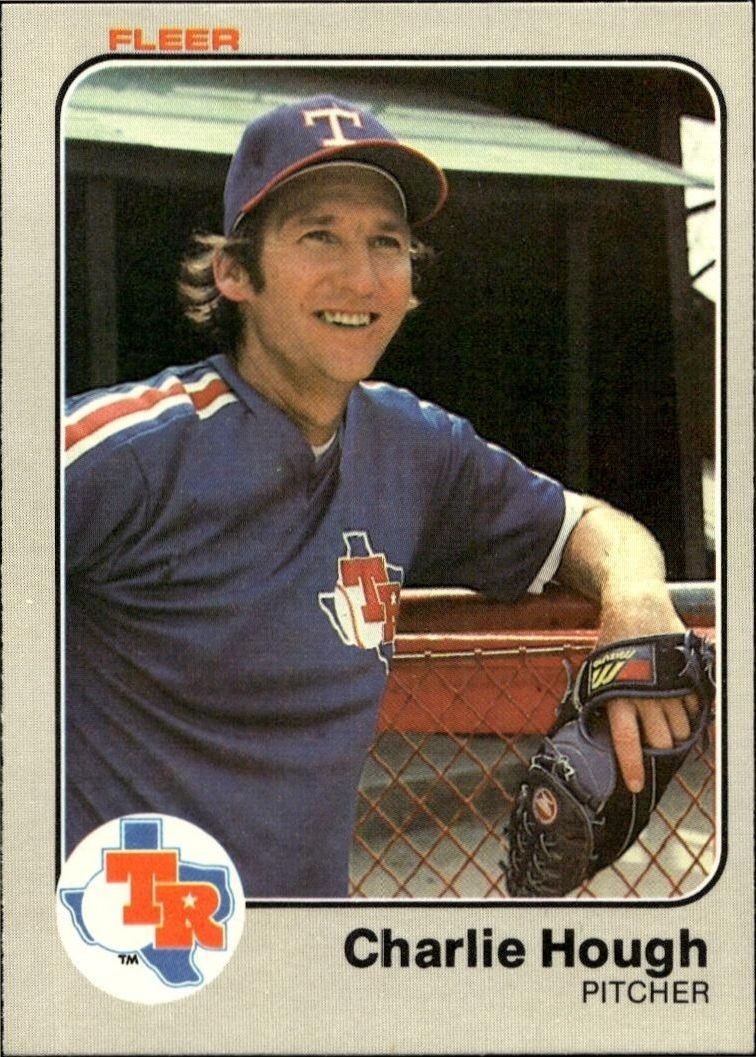


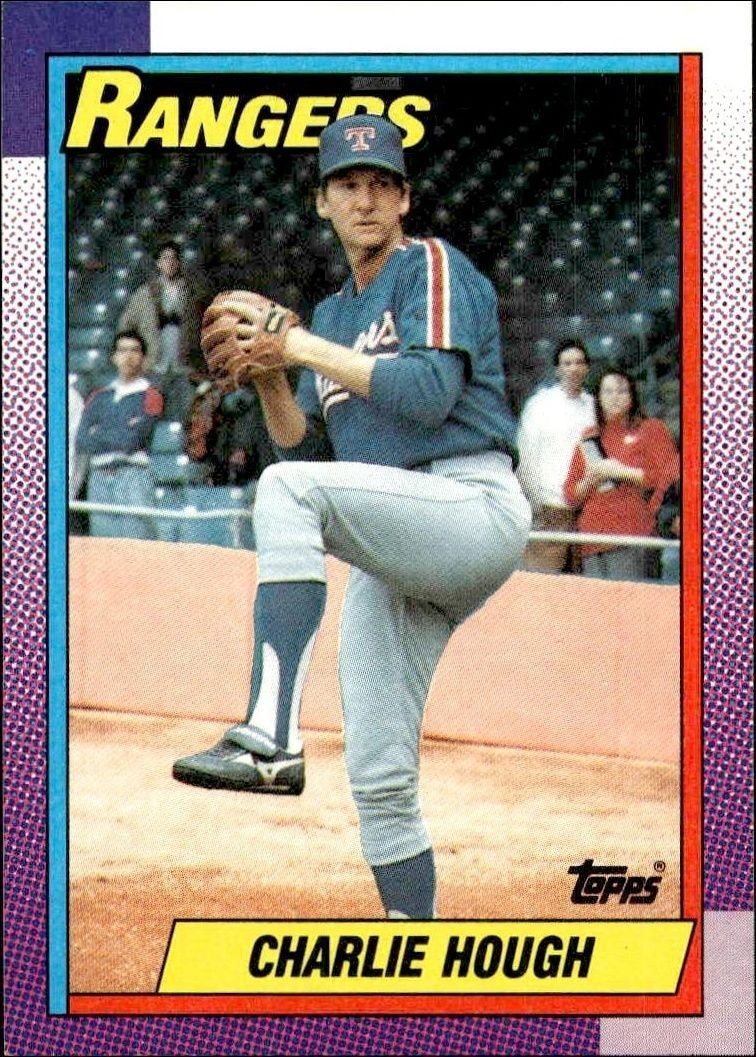
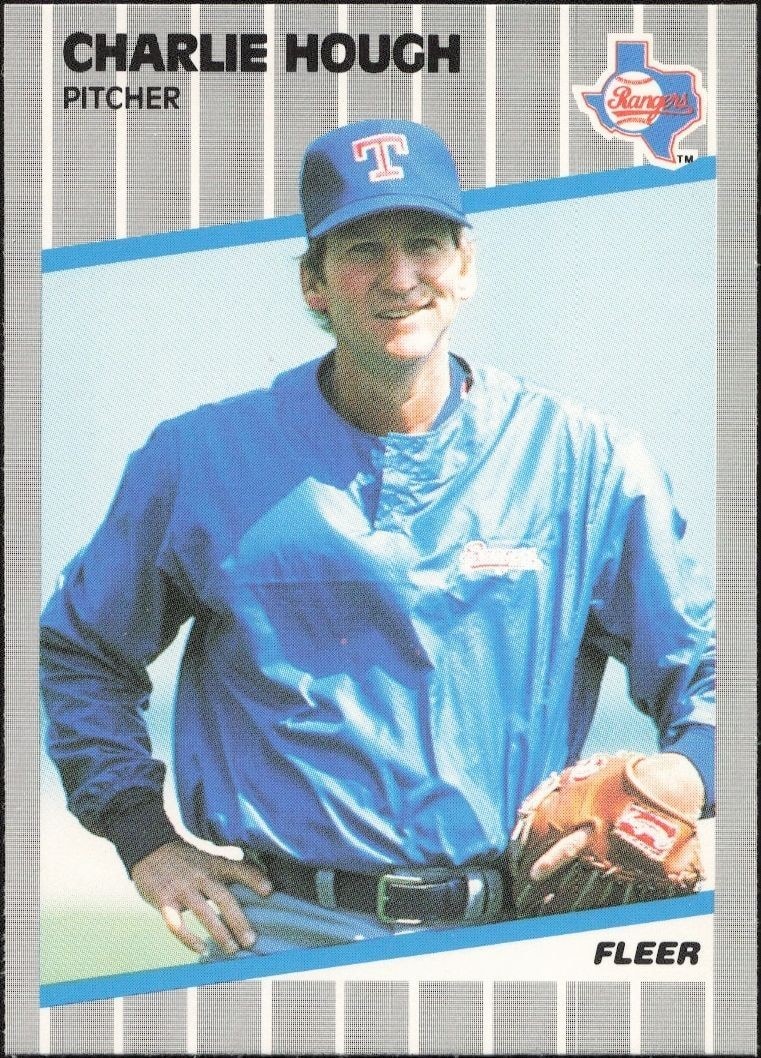
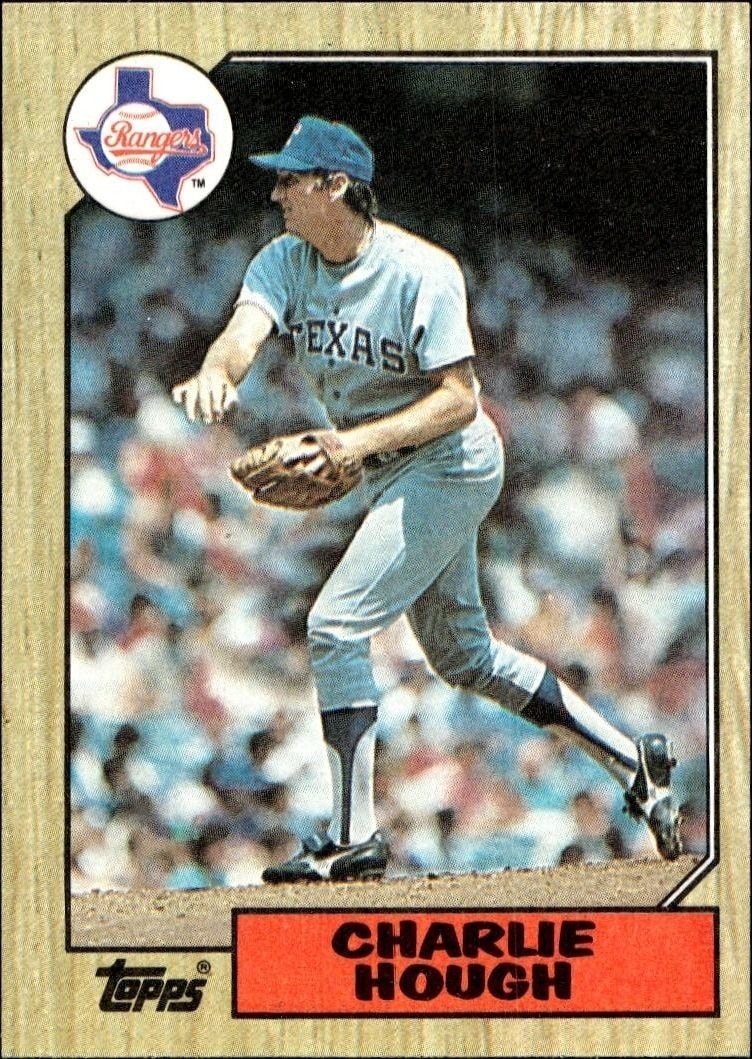
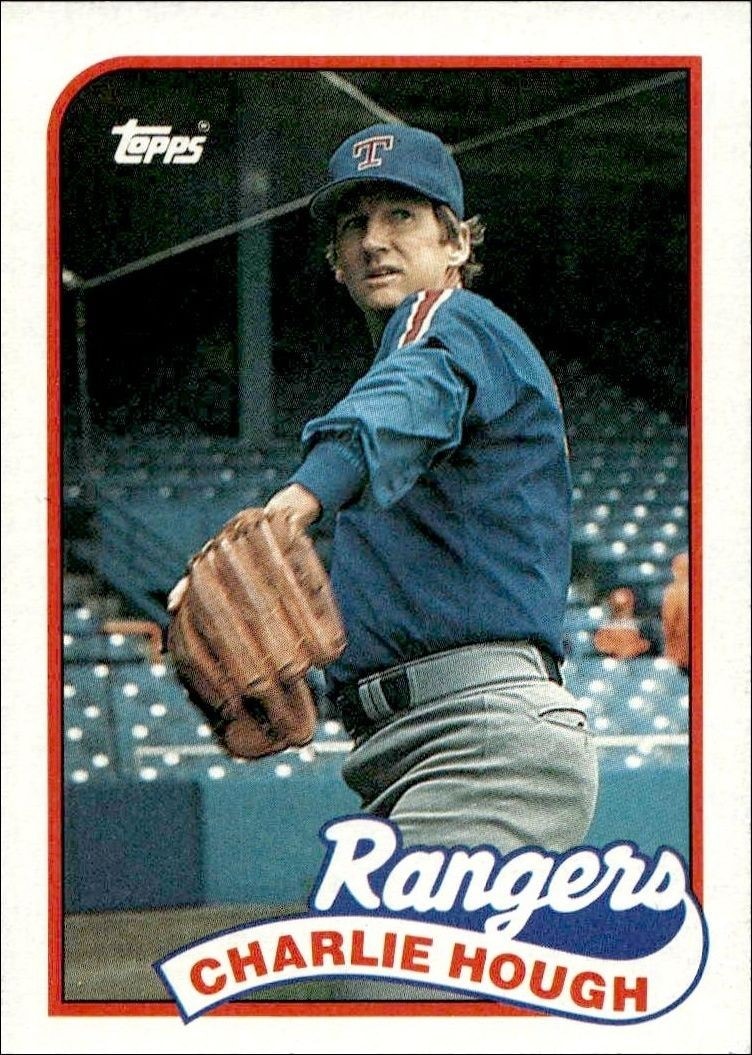
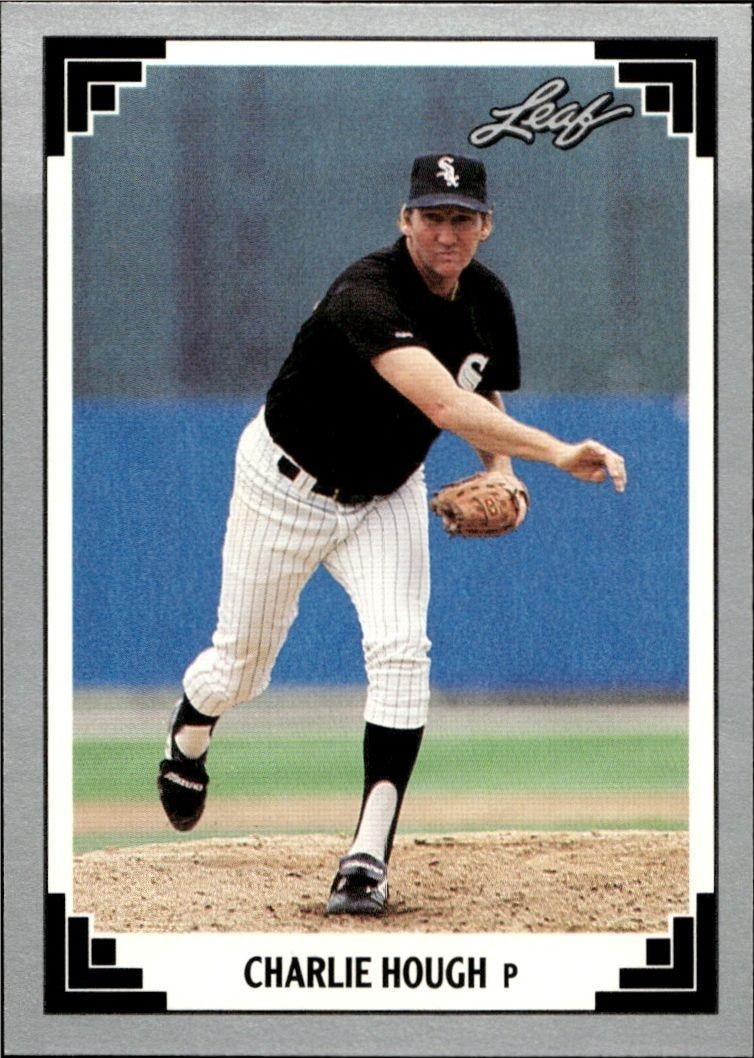
The 1982 Topps Charlie Hough #718 baseball card captures the Texas Rangers pitcher during a pivotal era in franchise history. This catalog-level listing represents the standard base card issued by Topps in 1982.
1982 • Topps
Major League Baseball • Texas Rangers
Excellent
718
New
Shipping Calculated at Checkout
Arrives in 5-7 daysEstimated delivery October 23, 2026 - October 25, 2026
Seller returns October 19, 2026.30-day Returns| Condition | Value | Source | Trend | Price Details |
|---|---|---|---|---|
$1.37 | Guide Estimate | +7.9% | ||
$1.31As of 9/22/2026 | Completed Sales | |||
$13.00 | Guide Estimate | |||
$16.20 | Guide Estimate | +0.1% | ||
$18.00 | Guide Estimate | 0% | ||
$45.00 | Guide Estimate | +0.8% | ||
$60.00 | Guide Estimate | 0% | ||
$28.00 | Guide Estimate | 0% | ||
$46.00 | Guide Estimate | 0% | ||
$28.00 | Guide Estimate | 0% | ||
Raw / Ungraded
PriceCharting Price Guide · Guide Estimate evidence · captured Oct 16, 2026
The 1982 Topps Charlie Hough #718 card is a standard issue from one of the most recognizable brands in sports trading card history. This card number identifies the Texas Rangers pitcher within the base set, offering collectors a tangible connection to the early 1980s MLB landscape. Charlie Hough was a significant figure for the Rangers during this period, and his presence on this card makes it a relevant piece for those tracking team rosters or player histories from that decade. Vintage baseball cards from the early 1980s hold a distinct appeal for hobbyists who appreciate the design aesthetics and printing techniques of that era. Collectors often seek out specific player cards like #718 to complete team sets, build themed collections around pitching staffs, or add depth to their overall hobby inventory. The card serves as a historical document, preserving a moment in time when Hough was contributing to the Rangers' lineup on the mound. For investors and long-term collectors, the value of 1980s baseball cards often hinges on preservation and scarcity of high-grade examples. While this catalog page represents the product identity, individual copies vary widely in condition, from raw examples to professionally graded slabs. The 1982 Topps Charlie Hough #718 card remains a staple in the world of vintage baseball memorabilia, appealing to those who value the nostalgia of the sport and the tangible history embedded in these paper collectibles. Whether used for completing a personal album or as part of a broader investment portfolio, this card represents a concrete link to the past. By focusing on the product's identity and historical context, collectors can make informed decisions about adding this piece to their collection.
13 hours ago
We'll pre-fill the product details from this catalog entry, so your listing lands on this exact page. Just add photos of your copy, pick its condition, and set your price.
The catalog profile below summarizes the card identity, featured subject, and notable collectible traits.
The subject, team, league, and sport context tied to this card.
Production details and format-specific attributes.
Material
Card Stock
Language
English
Compare prices, grades, photos, and shipping from approved sellers.
New
Excellent
See how many public collections currently include this card.
0 collectors have this card
As a 1982 Topps base card for Charlie Hough, this item sits firmly in the entry-level tier of vintage baseball collectibles. Its current valuation reflects the high supply of common vintage issues, trading significantly below the premiums commanded by graded examples or key rookie cards of the era. While affordable, the lack of special attributes limits its appeal to casual collectors rather than serious investors seeking appreciation.
This card is a standard base issue within the 1982 Topps set, meaning it carries no inherent scarcity mechanisms such as serial numbering, short-print status, or parallel variations. The supply is effectively unlimited relative to collector demand, as these were mass-produced and remain widely available in the secondary market. Consequently, it lacks the exclusive supply constraints that typically drive value increases in vintage sports cards.
The investment potential for this specific card is limited due to its status as a non-rookie base card from a high-print-run set. While it holds nostalgic value for fans of the Texas Rangers or 1980s MLB, it does not benefit from rookie-card premiums or unique scarcity drivers. Long-term growth is unlikely to outperform broader market trends unless the player achieves significant Hall of Fame recognition, which is not indicated in the provided attributes.