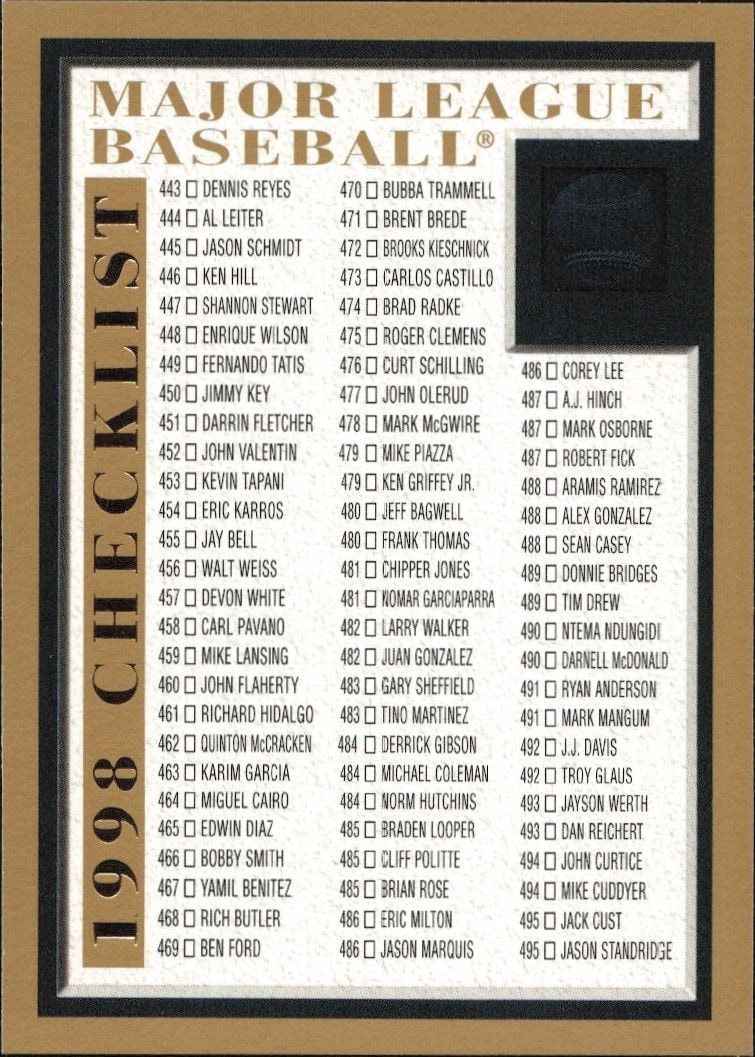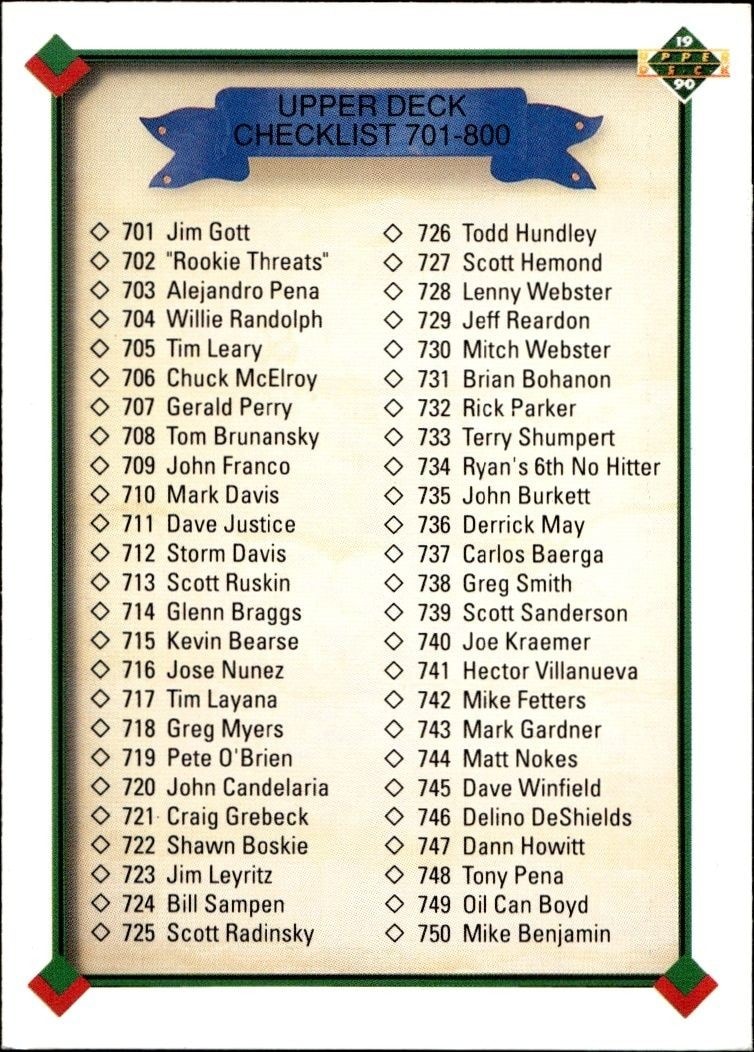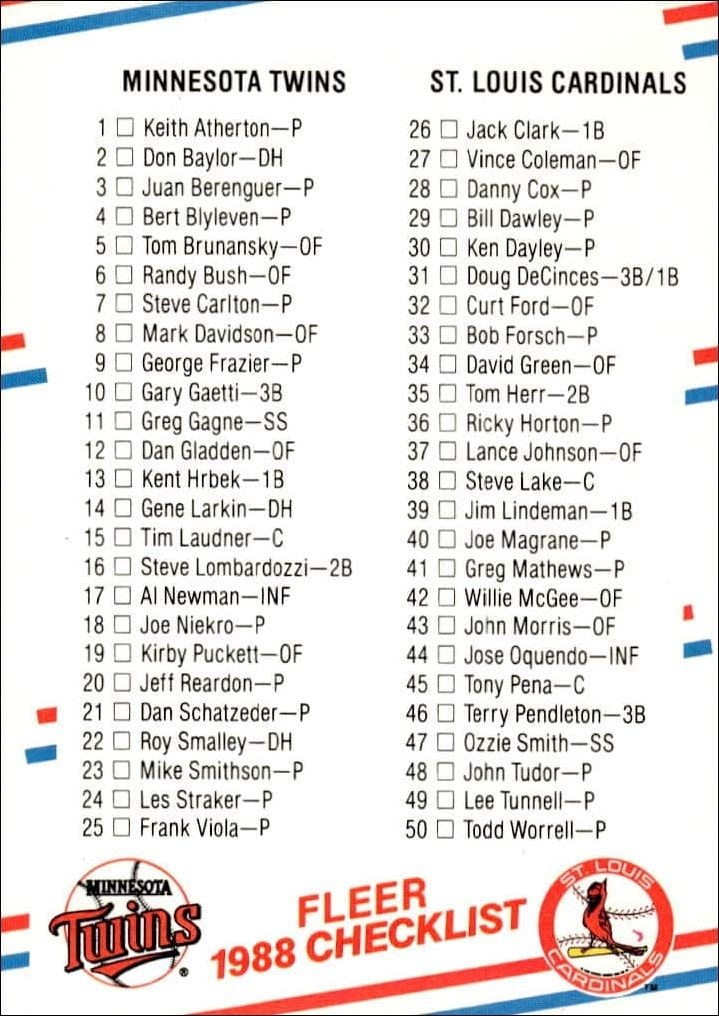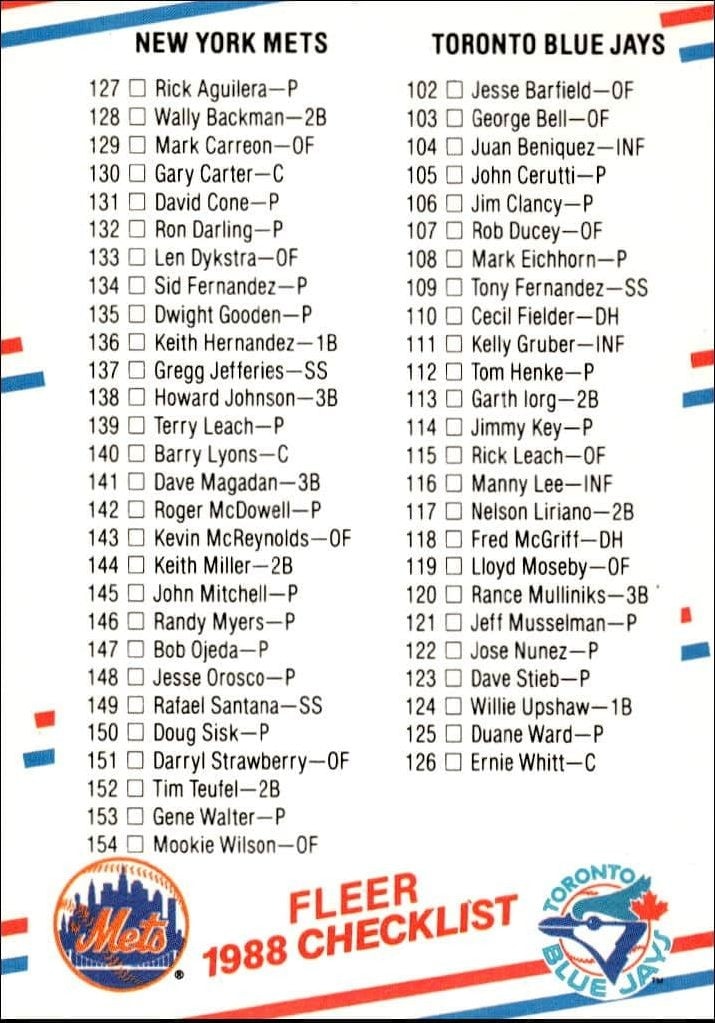






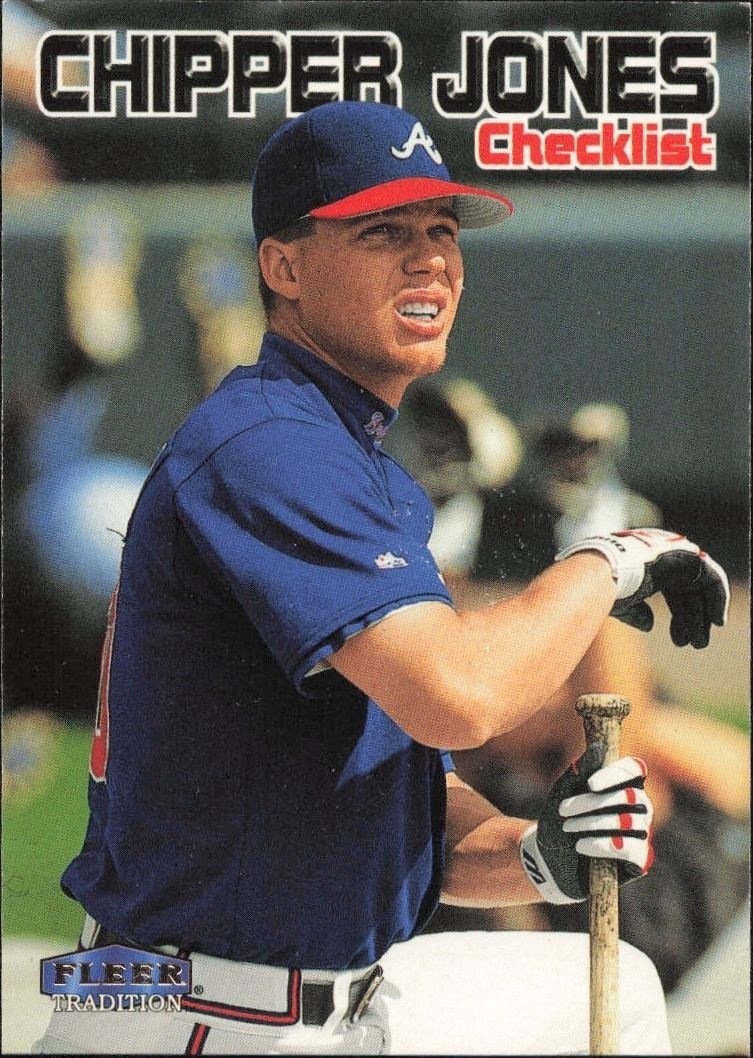
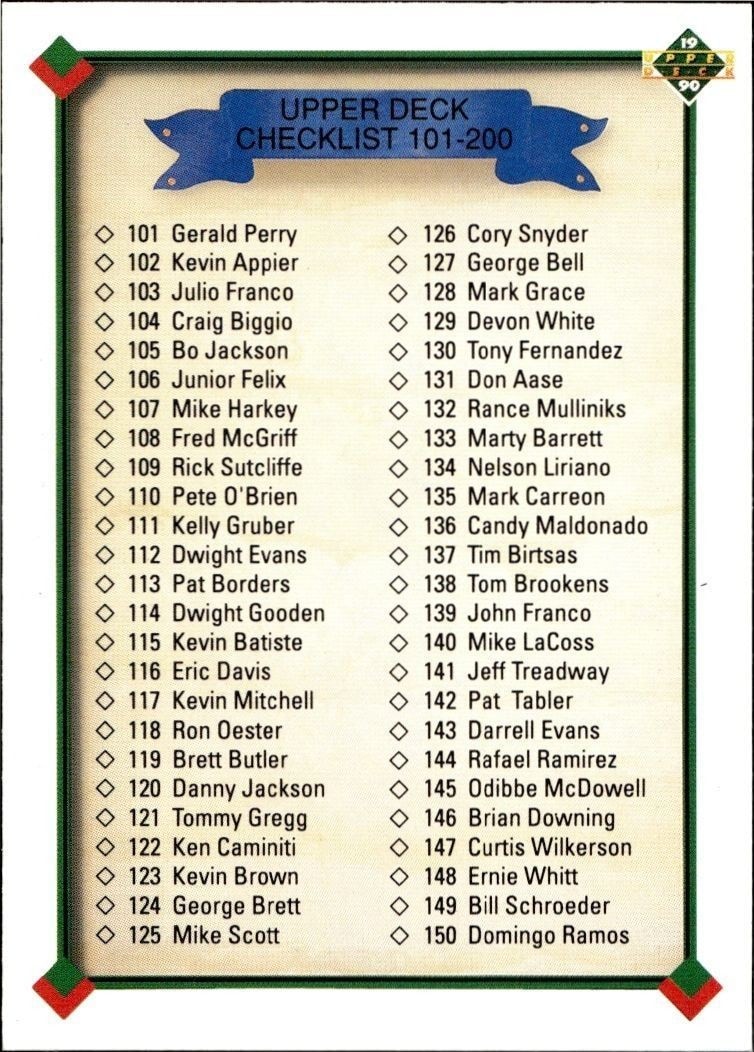
The 1982 Topps Checklist 366 serves as a vital reference card for collectors navigating the complete 1982 Topps baseball set.
1982 • Topps
Major League Baseball
Excellent
366
New
Shipping Calculated at Checkout
Arrives in 5-7 daysEstimated delivery October 29, 2026 - October 31, 2026
30-day Returns| Condition | Value | Source | Trend | Price Details |
|---|---|---|---|---|
$0.84As of 9/22/2026 | Guide Estimate | |||
$9.00As of 9/22/2026 | Guide Estimate | |||
$11.00As of 9/22/2026 | Guide Estimate | |||
$36.56As of 9/22/2026 | Guide Estimate | |||
$214.00As of 9/22/2026 | Guide Estimate | |||
$99.00As of 9/22/2026 | Guide Estimate | |||
$164.50As of 9/22/2026 | Guide Estimate | |||
$99.00As of 9/22/2026 | Guide Estimate | |||
Raw / Ungraded
PriceCharting Price Guide · Guide Estimate evidence · captured Sep 22, 2026
History is building. At least two days of matching observations are needed to show a trend.
Each point is the last stored observation that day for this printing, condition, grader, autograph status and source. Gaps mean no observation; guide estimates and asking prices are not completed sales.The 1982 Topps Checklist 366 holds a unique place in the history of sports trading cards. Unlike standard player portraits, this card functions as an organizational tool for enthusiasts aiming to track their progress through the entire release. It lists the card numbers and player names required to complete the base set, making it an essential reference point for anyone serious about collecting Topps products from this era. For many collectors, checklist cards are often overlooked, yet they represent a significant part of the hobby's identity. Checklist 366 specifically appears near the end of the base set, guiding collectors through the final stages of their hunt. This positioning makes it particularly relevant for those nearing completion of their collection. Collecting the 1982 Topps checklist card offers a different appeal than hunting for player cards. It serves as a historical snapshot of the league's roster during that specific season. For investors and hobbyists alike, these cards provide context and completeness to the broader set. They are often sought after by those who appreciate the structural integrity of the product as much as the individual athletes featured within it. Whether you are looking to fill a gap in your 1982 Topps collection or add a piece of baseball history to your portfolio, this card stands as a testament to the hobby's rich organizational traditions. It remains a sought-after component for those who value completeness and the nostalgic charm of early 80s baseball memorabilia.
3 days ago
We'll pre-fill the product details from this catalog entry, so your listing lands on this exact page. Just add photos of your copy, pick its condition, and set your price.
The catalog profile below summarizes the card identity, featured subject, and notable collectible traits.
The subject, team, league, and sport context tied to this card.
Production details and format-specific attributes.
Material
Card Stock
Language
English
Notable collectible traits associated with this card profile.
Compare prices, grades, photos, and shipping from approved sellers.
New
Excellent
See how many public collections currently include this card.
0 collectors have this card
As a 1982 Topps checklist card, this item occupies a niche tier within the broader vintage baseball market, distinct from player-focused memorabilia. Its value is driven by its utility to completists rather than star power, resulting in a modest market position compared to graded player cards. The lack of special attributes suggests it trades at a baseline level relative to other ungraded checklist inserts from the same era.
The card lacks specific scarcity mechanics such as serial numbering, short printing, or parallel variants, indicating it is a standard base set component. This absence of limited edition features means supply is determined by general preservation rates of ungraded paper goods rather than intentional production caps. Consequently, it does not benefit from the premium associated with one-of-one or low-print-run items.
Investment potential is primarily tied to the collector demand for completing the 1982 Topps Baseball set, serving as a functional rather than speculative asset. Its status as a rookie card is not indicated, removing the significant rookie premium often seen in other vintage issues. Long-term value stability depends on the sustained effort of completists seeking to finish the set, rather than broader market speculation.