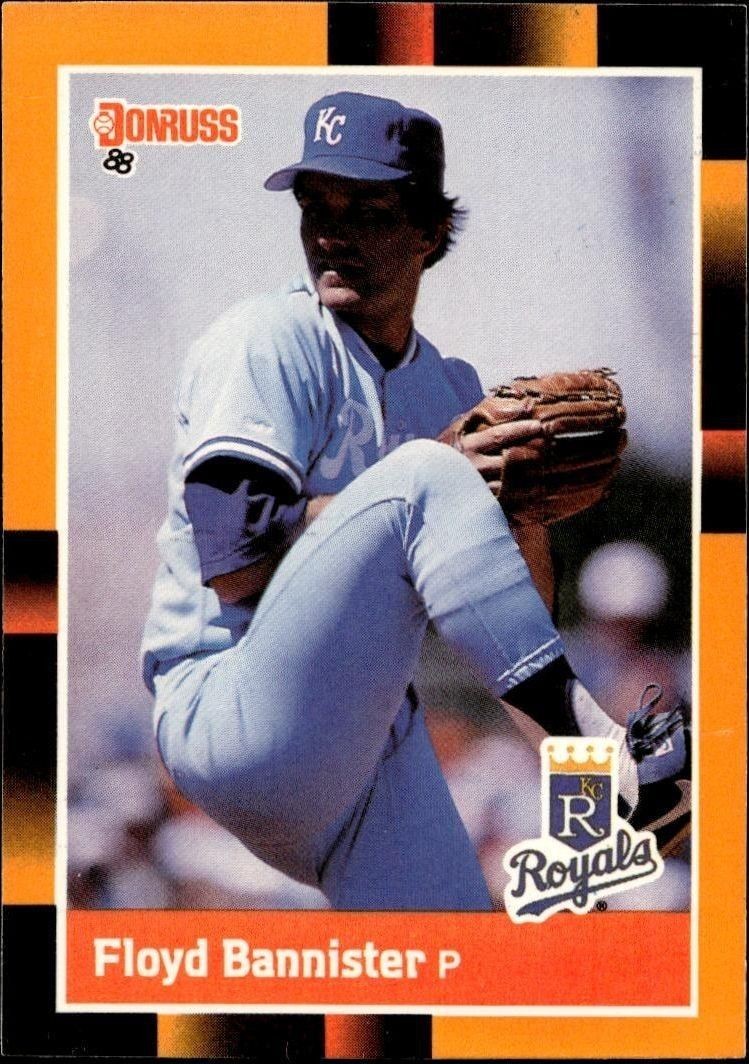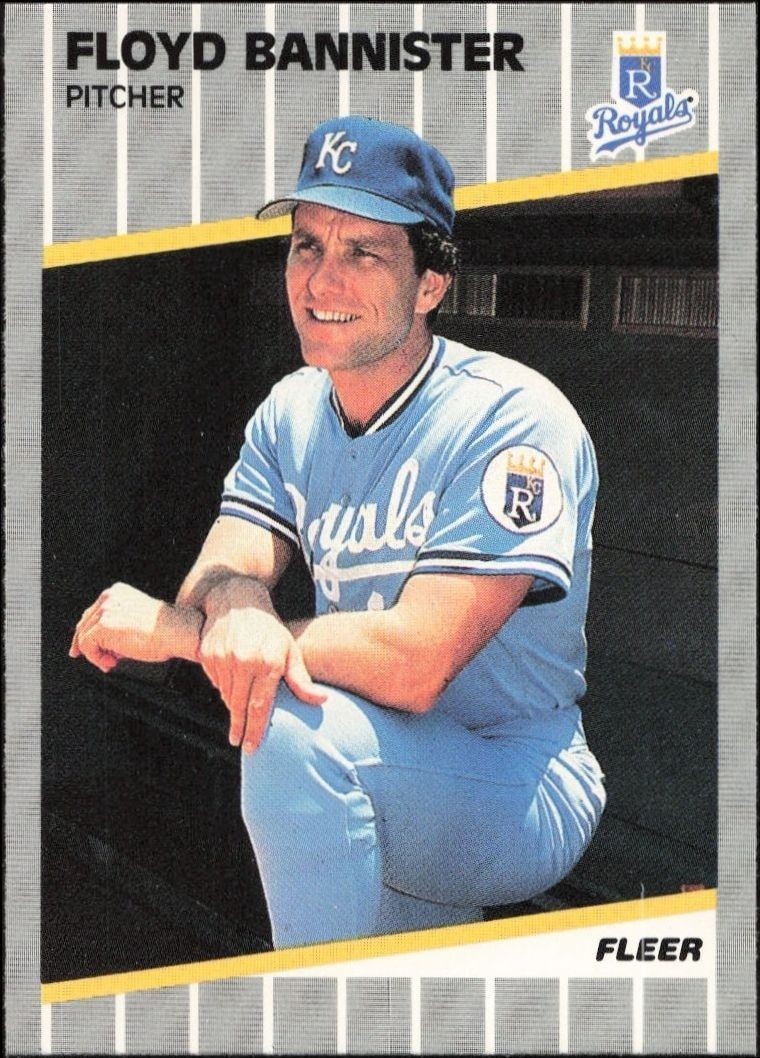







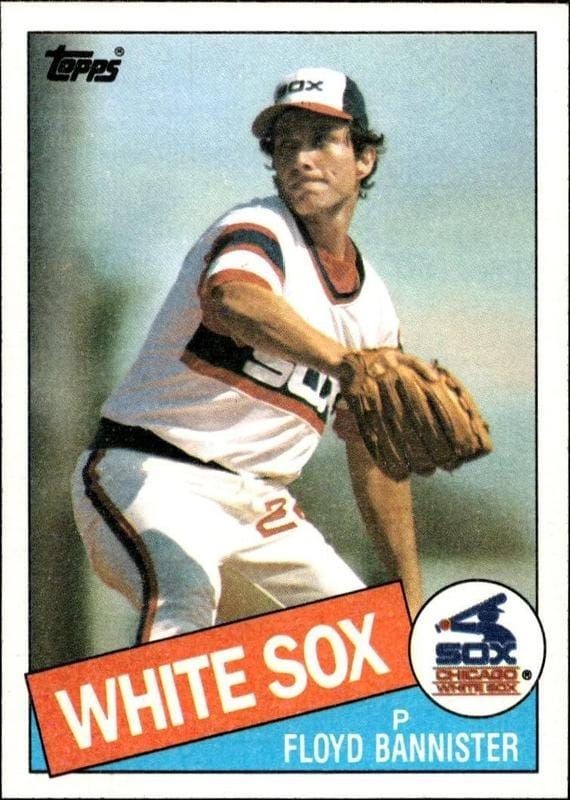




The 1982 Topps Floyd Bannister #468 is a classic baseball card featuring the Seattle Mariners pitcher during his early career.
1982 • Topps
Major League Baseball • Seattle Mariners
Excellent
468
New
Shipping Calculated at Checkout
Arrives in 5-7 daysEstimated delivery October 23, 2026 - October 25, 2026
Seller returns October 19, 2026.30-day Returns| Condition | Value | Source | Trend | Price Details |
|---|---|---|---|---|
$1.00As of 9/25/2026 | Guide Estimate | |||
$1.00As of 9/25/2026 | Completed Sales | |||
$8.97As of 9/25/2026 | Guide Estimate | |||
$32.98As of 9/25/2026 | Guide Estimate | |||
$36.00As of 9/25/2026 | Guide Estimate | |||
$200.00As of 9/25/2026 | Guide Estimate | |||
$92.00As of 9/25/2026 | Guide Estimate | |||
$153.89As of 9/25/2026 | Guide Estimate | |||
$92.00As of 9/25/2026 | Guide Estimate | |||
Raw / Ungraded
PriceCharting Price Guide · Guide Estimate evidence · captured Sep 26, 2026
History is building. At least two days of matching observations are needed to show a trend.
Each point is the last stored observation that day for this printing, condition, grader, autograph status and source. Gaps mean no observation; guide estimates and asking prices are not completed sales.The 1982 Topps Floyd Bannister #468 card represents a specific moment in Seattle Mariners history, capturing the pitcher during his formative years with the franchise. As part of the extensive 1982 Topps baseball set, this release offers collectors a tangible connection to the American League during a transitional era for the league's expansion teams. Bannister, who would go on to have a notable career, is featured here before his tenure with other organizations, making this card particularly relevant for historians and players' collectors. Collecting vintage baseball cards from the early 1980s often involves navigating a vast array of releases, and the 1982 Topps set remains one of the most accessible and popular entry points. For those focused on completing the full 1982 Topps set, this card is an essential component, bridging the gap between the team's early years and its subsequent growth. Whether you are tracking down specific team cards or focusing on individual player rosters, the 1982 Topps Floyd Bannister card provides a solid foundation for any collection. It serves as a historical artifact of MLB's past, allowing enthusiasts to preserve the legacy of the game's athletes. For investors and hobbyists alike, understanding the context of the 1982 release helps in appreciating the broader narrative of baseball card collecting. This card is not just a piece of cardboard but a record of a player's journey and the evolution of the sport itself. By acquiring this piece, collectors engage with the rich tapestry of baseball history, ensuring that the stories of players like Bannister remain part of the collective memory of the game.
9 hours ago
We'll pre-fill the product details from this catalog entry, so your listing lands on this exact page. Just add photos of your copy, pick its condition, and set your price.
The catalog profile below summarizes the card identity, featured subject, and notable collectible traits.
The subject, team, league, and sport context tied to this card.
Production details and format-specific attributes.
Material
Card Stock
Language
English
Compare prices, grades, photos, and shipping from approved sellers.
New
Excellent
See how many public collections currently include this card.
0 collectors have this card
This 1982 Topps card of Floyd Bannister occupies a lower tier in the broader baseball card market, reflecting its status as a standard base card from a pre-expansion era team. While the card lacks special parallels or insert features, it remains a fundamental piece for collectors focusing on Seattle Mariners history or the 1982 Topps set completion. Its value is currently constrained by the high availability of common cards from this era, resulting in a modest price point relative to star players or rare variations.
The card possesses no special scarcity attributes, such as serial numbering, short-print designation, or parallel coloring, meaning it is a standard base issue. As a common card from a major set, the supply is determined by the original print run, which was substantial for a player on an expansion team. Consequently, the card does not benefit from the limited supply mechanics that typically drive premiums in the secondary market.
Investment potential for this specific card is limited due to its classification as a non-premium base card from a year with a high volume of issued products. Collector demand is likely driven by niche set-building rather than speculative growth, as the card does not carry rookie card status or unique identifying features. Long-term value appreciation is unlikely to outpace standard inflation unless the broader market for 1980s base cards experiences a significant, broad-based surge.