







Jim Morrison
1982 • Topps
#654
$499.99
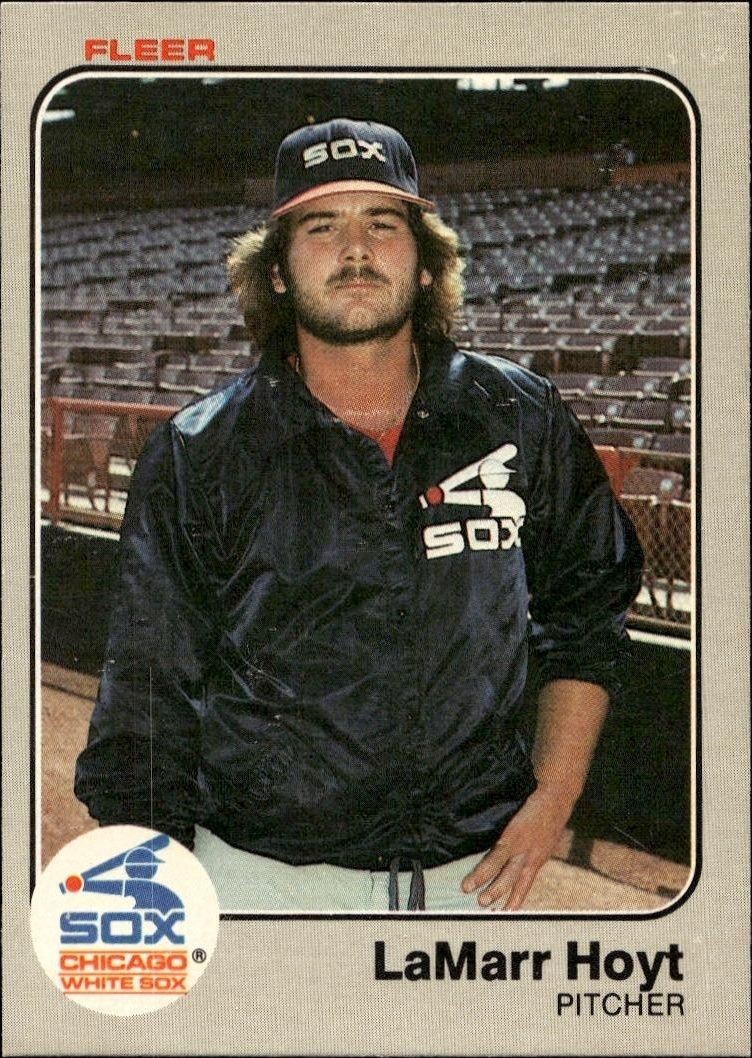
The 1982 Topps LaMarr Hoyt #428 card features the Chicago White Sox pitcher, offering a tangible piece of 1980s baseball history for serious collectors.
1982 • Topps
Major League Baseball • Chicago White Sox
Excellent
428
New
Shipping Calculated at Checkout
Arrives in 5-7 daysEstimated delivery October 23, 2026 - October 25, 2026
Seller returns October 19, 2026.30-day Returns| Condition | Value | Source | Trend | Price Details |
|---|---|---|---|---|
$1.00As of 10/1/2026 | Guide Estimate | |||
$17.50As of 10/1/2026 | Guide Estimate | |||
$42.57As of 10/1/2026 | Guide Estimate | |||
$47.00As of 10/1/2026 | Guide Estimate | |||
Raw / Ungraded
PriceCharting Price Guide · Guide Estimate evidence · captured Oct 1, 2026
History is building. At least two days of matching observations are needed to show a trend.
Each point is the last stored observation that day for this printing, condition, grader, autograph status and source. Gaps mean no observation; guide estimates and asking prices are not completed sales.LaMarr Hoyt appeared on the 1982 Topps baseball card set as card number 428, representing the Chicago White Sox. For collectors, this card serves as a historical marker for Hoyt's tenure with the White Sox, capturing his role on the roster during a pivotal era of the franchise. The 1982 Topps set remains a cornerstone for vintage baseball card enthusiasts. Collectors often seek out individual cards like #428 to complete base sets or to focus on specific teams and players. The card's value is derived from its place in the broader 1982 Topps collection, which is widely recognized for its accessibility and iconic aesthetic that defined the period. Owning this card allows enthusiasts to connect with the visual and cultural history of baseball from that year. For investors and hobbyists alike, the 1982 Topps LaMarr Hoyt #428 represents a tangible link to the sport's past. It is an essential component for those building comprehensive collections of White Sox memorabilia or tracking the career trajectories of players from the 1980s. The card stands as a distinct item within the vast universe of sports trading cards, offering a focused point of interest for those who appreciate the depth and detail of vintage baseball collectibles. Whether used to round out a set or as a standalone piece of sports history, this card holds a permanent place in the annals of 1982 Topps releases.
18 hours ago
We'll pre-fill the product details from this catalog entry, so your listing lands on this exact page. Just add photos of your copy, pick its condition, and set your price.
The catalog profile below summarizes the card identity, featured subject, and notable collectible traits.
The subject, team, league, and sport context tied to this card.
Production details and format-specific attributes.
Material
Card Stock
Language
English
Compare prices, grades, photos, and shipping from approved sellers.
New
Excellent
See how many public collections currently include this card.
0 collectors have this card
This 1982 Topps LaMarr Hoyt card represents a foundational entry into his MLB career, anchoring the valuation within the context of his tenure with the Chicago White Sox. As a base card from a widely distributed set, it trades at the lower end of the spectrum relative to Hoyt's more specialized or parallel issues. The current market reflects its status as a common base release, where condition and centering are the primary drivers for any modest premium above the baseline floor.
The card lacks any special scarcity attributes such as serial numbering, short-print status, or unique parallels, placing it firmly in the standard base category of the 1982 Topps set. This absence of limiting factors means the supply is determined by the original mass-production volume rather than artificial constraints. Consequently, the card does not benefit from the supply-side mechanics that typically elevate value in modern or limited-edition releases.
As a rookie-year card, this item carries inherent historical significance for collectors focused on Hoyt's early career with the White Sox, though it remains a high-supply asset. The lack of parallel variants or special inserts limits its appeal to collectors seeking specific subset completions rather than broad rarity-driven demand. Long-term value appreciation is likely constrained by the abundance of available copies, making it a stable but low-growth holding within a larger portfolio.