



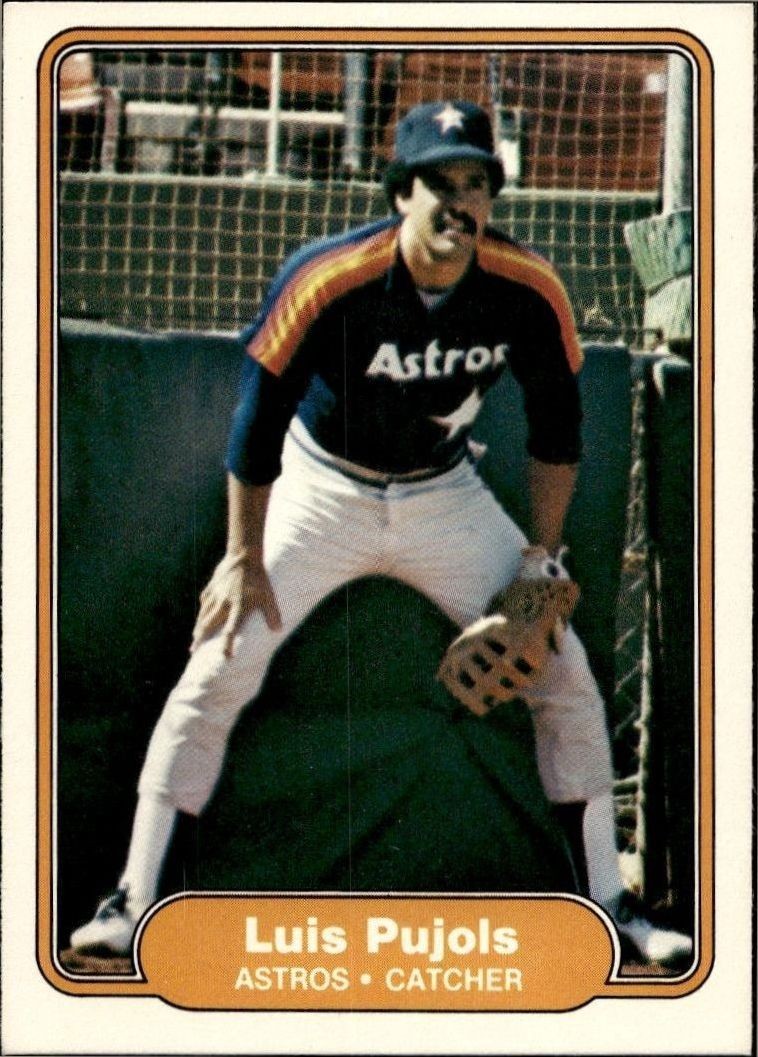
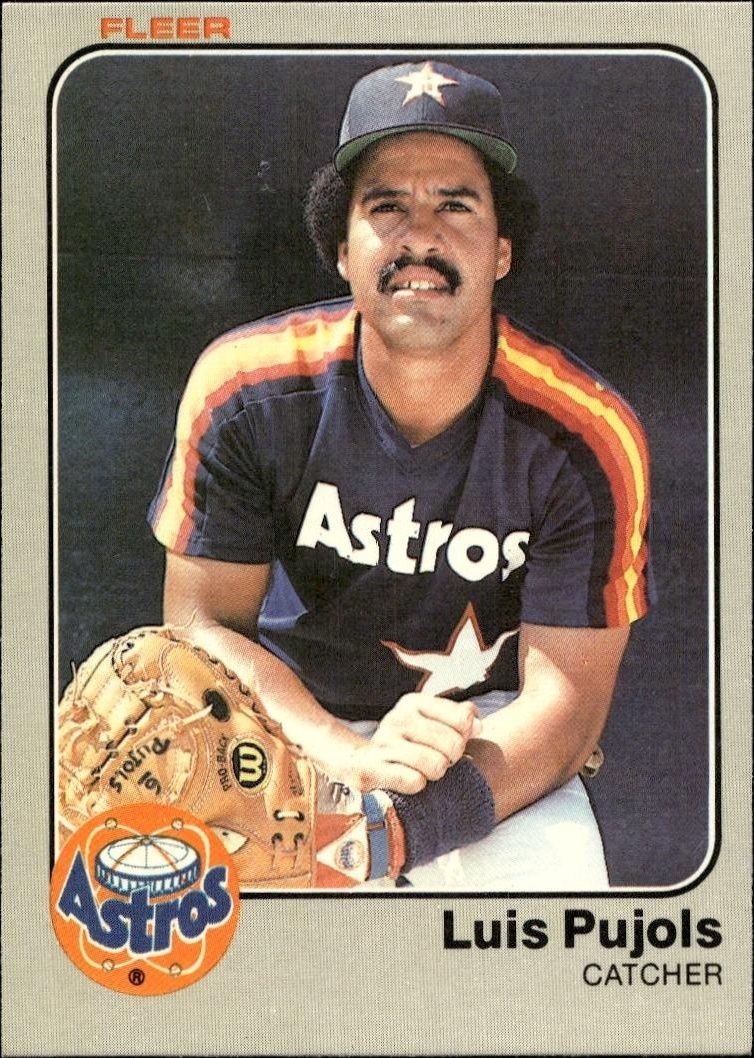
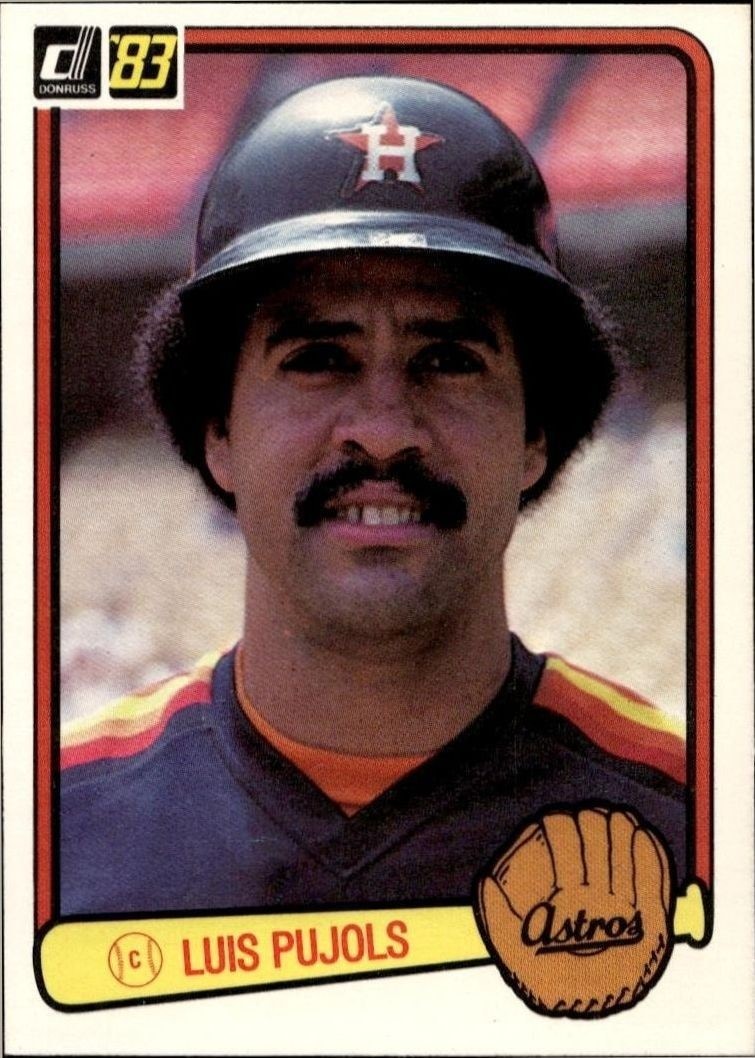
Discover the 1982 Topps baseball card featuring Luis Pujols, numbered 582. This vintage issue captures a specific moment in the Houston Astros franchise history.
1982 • Topps
Major League Baseball • Houston Astros
Excellent
582
New
Shipping Calculated at Checkout
This seller is away until 10/19/2026 — orders are still accepted and ship after they return.30-day Returns| Condition | Value | Source | Trend | Price Details |
|---|---|---|---|---|
$1.49 | Guide Estimate | |||
$10.99 | Guide Estimate | |||
$23.35 | Guide Estimate | |||
$26.00 | Guide Estimate | |||
Raw / Ungraded
PriceCharting Price Guide · Guide Estimate evidence · captured Oct 5, 2026
History is building. At least two days of matching observations are needed to show a trend.
Each point is the last stored observation that day for this printing, condition, grader, autograph status and source. Gaps mean no observation; guide estimates and asking prices are not completed sales.The 1982 Topps baseball card featuring Luis Pujols holds a distinct place in vintage collecting circles. As card number 582 in the annual series, this issue represents a standard entry from a year known for its accessible design and widespread distribution. Collectors often seek out specific numbers within the 1000-card base set to complete their chronological runs or to focus on particular franchises. Luis Pujols is depicted here during his tenure with the Houston Astros. For fans of the team’s history, this card serves as a tangible link to the roster composition of the early 1980s. Whether you are building a set focused on a single player or a team, this card offers a straightforward addition to any collection. The market for 1980s baseball cards remains active, with many collectors prioritizing the condition and authenticity of each piece. Understanding the context of the 1982 release helps buyers appreciate the card beyond its face value. It is a piece of sports memorabilia that reflects the broader landscape of baseball during that time. For those interested in the Houston Astros' past, this card number is a key component of their archival efforts. The focus remains on the historical significance of the 1982 Topps brand and its role in preserving the legacy of players like Pujols.
6 hours ago
We'll pre-fill the product details from this catalog entry, so your listing lands on this exact page. Just add photos of your copy, pick its condition, and set your price.
The catalog profile below summarizes the card identity, featured subject, and notable collectible traits.
The subject, team, league, and sport context tied to this card.
Production details and format-specific attributes.
Material
Card Stock
Language
English
Compare prices, grades, photos, and shipping from approved sellers.
New
Excellent
See how many public collections currently include this card.
0 collectors have this card
This 1982 Topps card represents a baseline entry-level asset for Luis Pujols, reflecting standard market conditions for a non-premium vintage rookie or early-career card. The absence of special attributes suggests it trades in the lower tier of the player's collectible hierarchy, lacking the condition premiums or rarity drivers that elevate similar issues. Value is currently constrained by the high availability of base copies, resulting in modest trading activity relative to more sought-after parallels or inserts.
As a standard base card without noted serial numbering, short-print status, or parallel variations, this item carries no artificial scarcity mechanics. Its supply is effectively unrestricted by production limits, meaning it relies entirely on natural demand rather than constrained availability. Collectors typically view this tier as abundant, distinguishing it sharply from limited-edition counterparts that utilize numbering or unique manufacturing processes to restrict supply.
The card's primary demand driver is its status as a vintage Topps issue from the early 1980s, appealing to collectors focused on era-specific sets rather than individual player performance metrics. Without rookie designation premiums or special parallel treatments, long-term appreciation is likely tied to general vintage baseball market trends rather than specific asset scarcity. Investors should view this as a volume play for set completion rather than a high-growth speculative hold.