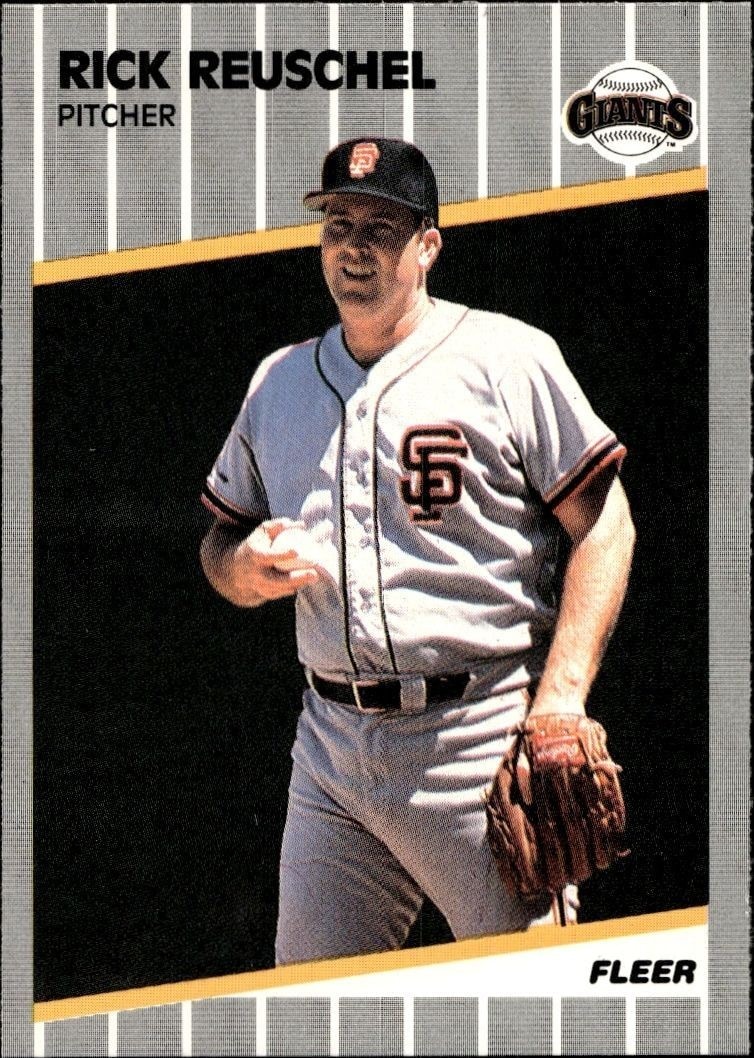




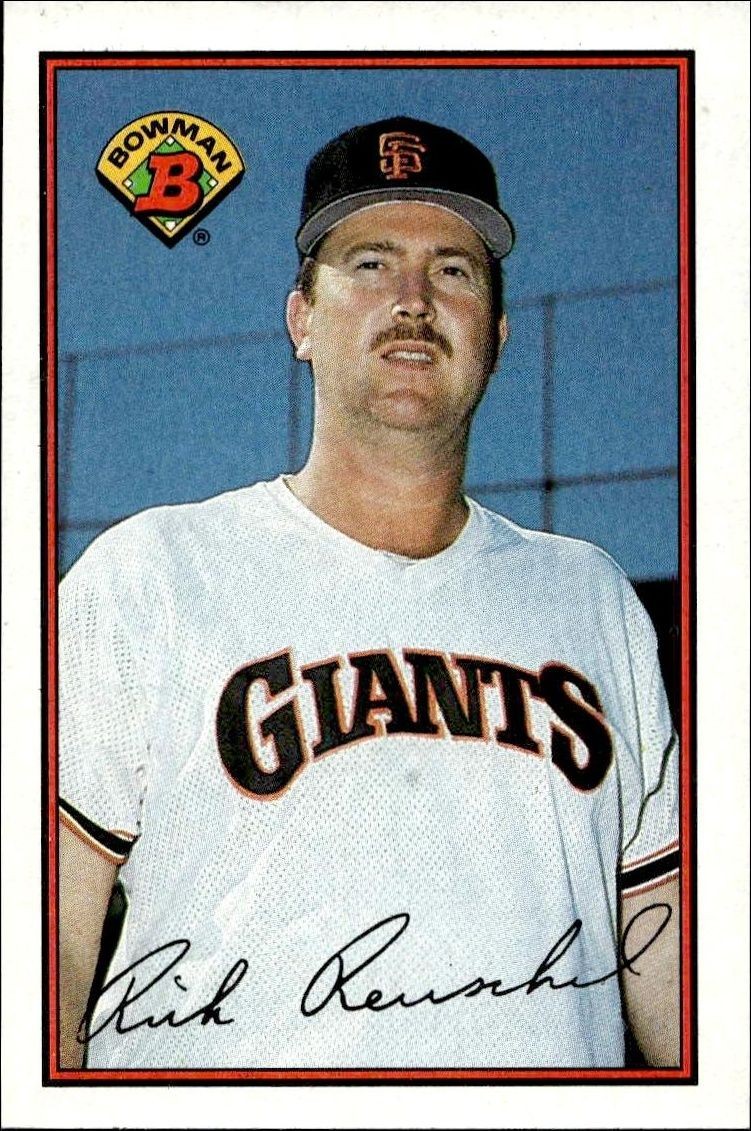
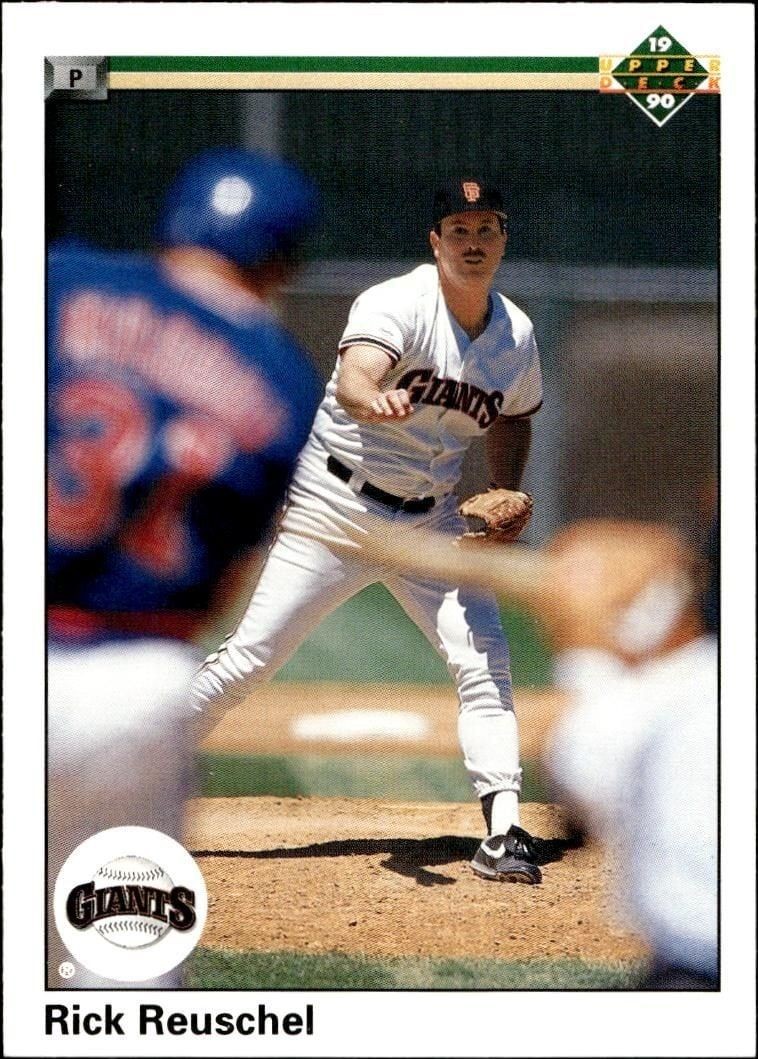
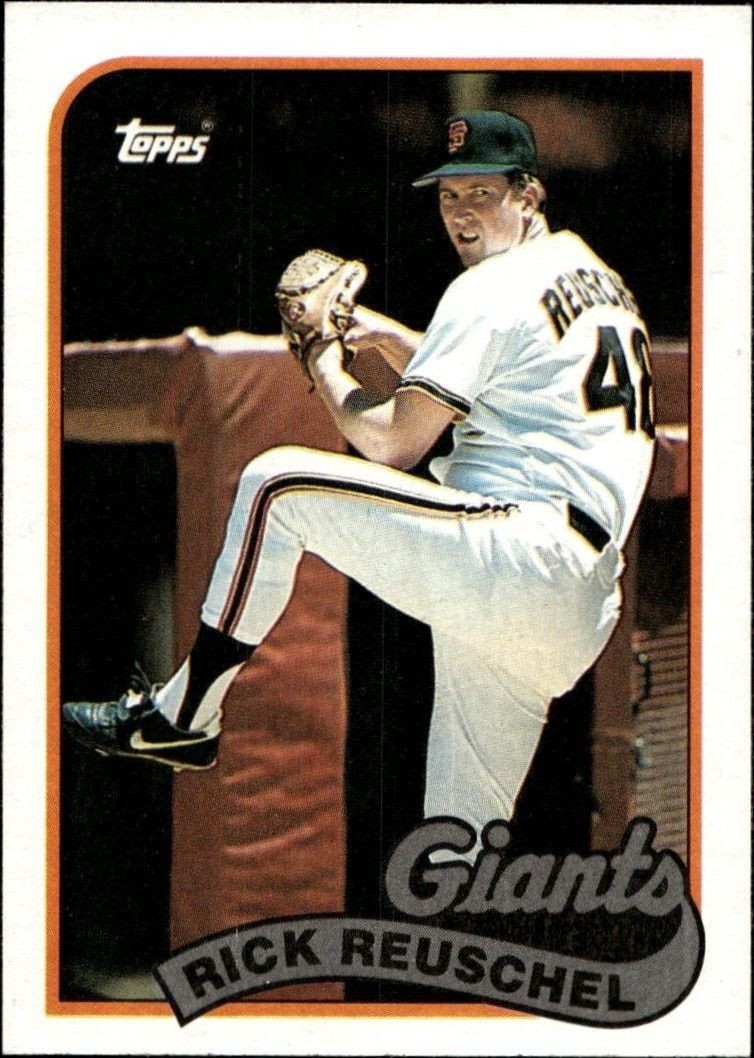
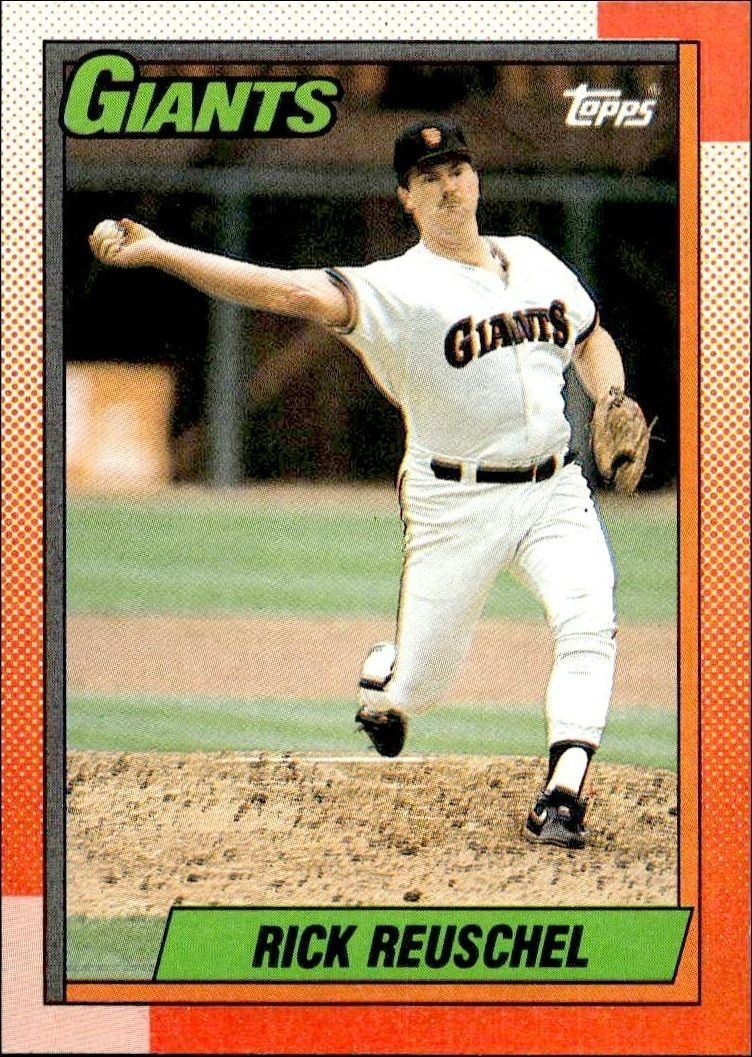
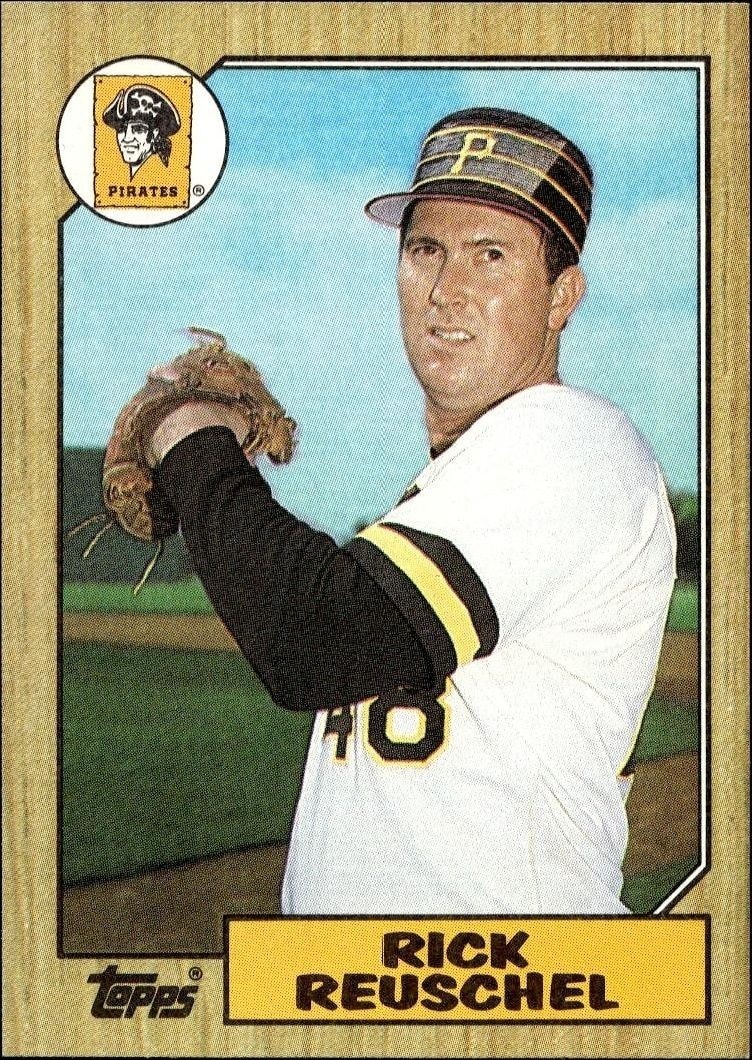

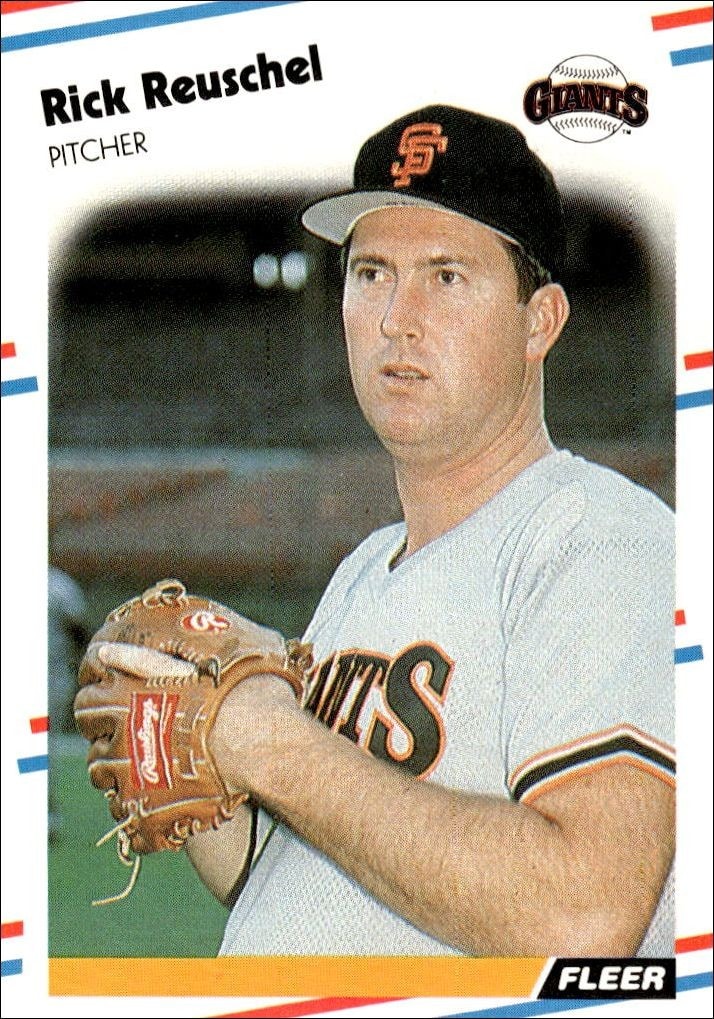
The 1982 Topps Rick Reuschel #405 baseball card captures the pitcher during his tenure with the New York Yankees. This vintage issue is a staple for collectors of 1980s baseball memorabilia.
1982 • Topps
Major League Baseball • New York Yankees
Excellent
405
New
Shipping Calculated at Checkout
Arrives in 5-7 daysEstimated delivery October 23, 2026 - October 25, 2026
Seller returns October 19, 2026.30-day Returns| Condition | Value | Source | Trend | Price Details |
|---|---|---|---|---|
$1.63 | Guide Estimate | -8.9% | ||
$6.75 | Guide Estimate | 0% | ||
$13.25 | Guide Estimate | 0% | ||
$52.21 | Guide Estimate | -5.5% | ||
$195.00 | Guide Estimate | -7.1% | ||
$90.00 | Guide Estimate | -7.2% | ||
$149.79 | Guide Estimate | -7% | ||
$90.00 | Guide Estimate | -7.2% | ||
Raw / Ungraded
PriceCharting Price Guide · Guide Estimate evidence · captured Oct 16, 2026
The 1982 Topps Rick Reuschel #405 baseball card stands as a distinct piece of MLB history from the early 1980s. Rick Reuschel, a left-handed pitcher known for his durability and strikeout ability, appeared on this card during his time with the New York Yankees. For collectors of vintage sports cards, this release offers a tangible connection to a specific era of Major League Baseball, characterized by the design aesthetics and printing techniques of Topps during that period. Collecting 1980s baseball cards has seen a resurgence in interest, with many hobbyists seeking to build comprehensive sets or acquire specific player issues from their favorite teams. Whether you are a fan of the Yankees or a generalist collector of American sports history, this card represents a key piece of the puzzle for those completing the 1982 Topps base set. Exploring the 1982 Topps Rick Reuschel #405 card allows fans to appreciate the visual style and historical context of baseball cards from this year. For investors and hobbyists alike, understanding the context of a card's release is crucial. This issue reflects the market dynamics and design trends of 1982, offering insights into the evolution of sports card manufacturing. As the hobby continues to grow, vintage cards from this decade remain a popular choice for those looking to add depth and nostalgia to their portfolios. Discovering and acquiring cards like this one is a rewarding experience for any baseball card enthusiast.
10 hours ago
We'll pre-fill the product details from this catalog entry, so your listing lands on this exact page. Just add photos of your copy, pick its condition, and set your price.
The catalog profile below summarizes the card identity, featured subject, and notable collectible traits.
The subject, team, league, and sport context tied to this card.
Production details and format-specific attributes.
Material
Card Stock
Language
English
Compare prices, grades, photos, and shipping from approved sellers.
New
Excellent
See how many public collections currently include this card.
0 collectors have this card
This card represents a standard base issue from the 1982 Topps set, placing it in an accessible entry-level price tier for vintage baseball collectors. As a common card for Rick Reuschel, it lacks the scarcity or condition premiums that drive higher valuations in the secondary market. Its current positioning reflects the broad supply of ungraded, non-premium vintage base cards available to casual buyers.
The item is identified as a standard base card with no special attributes such as serial numbering, short-print status, or parallel variations. This lack of distinct scarcity mechanics means the supply is determined entirely by the original print run of the base set, which was mass-produced for wide distribution. Consequently, the card does not carry the limited-edition constraints that typically elevate value in the vintage hobby.
As a non-rookie card from the early 1980s, this item does not benefit from the rookie-card premium that often drives long-term appreciation for players with significant career legacies. The market for standard base cards from this era is driven largely by bulk-set completionists rather than individual player speculation. While it holds nostalgic value for fans of the 1982 New York Yankees, it lacks the specific scarcity drivers required for strong investment growth.