




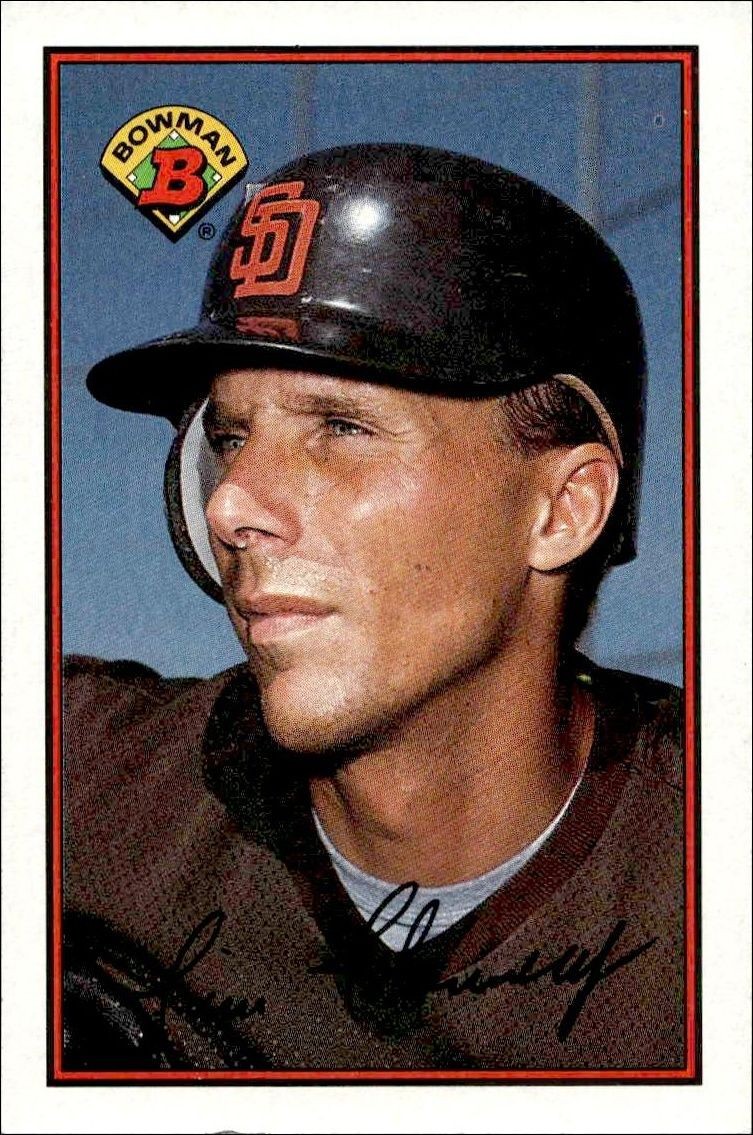
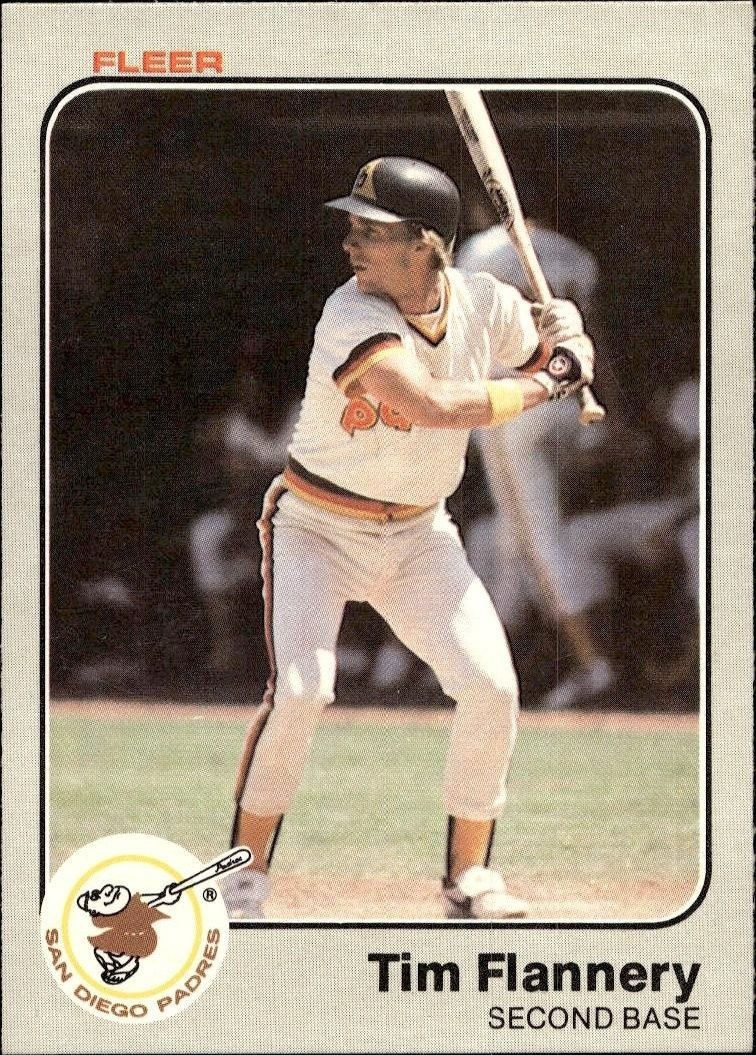
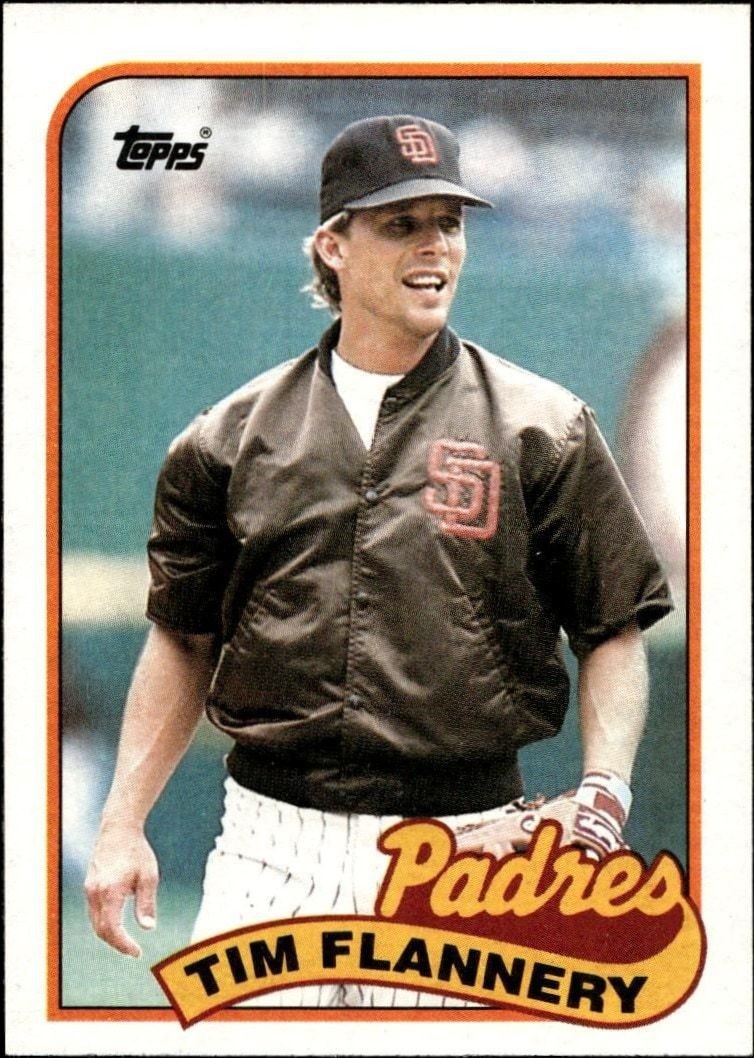
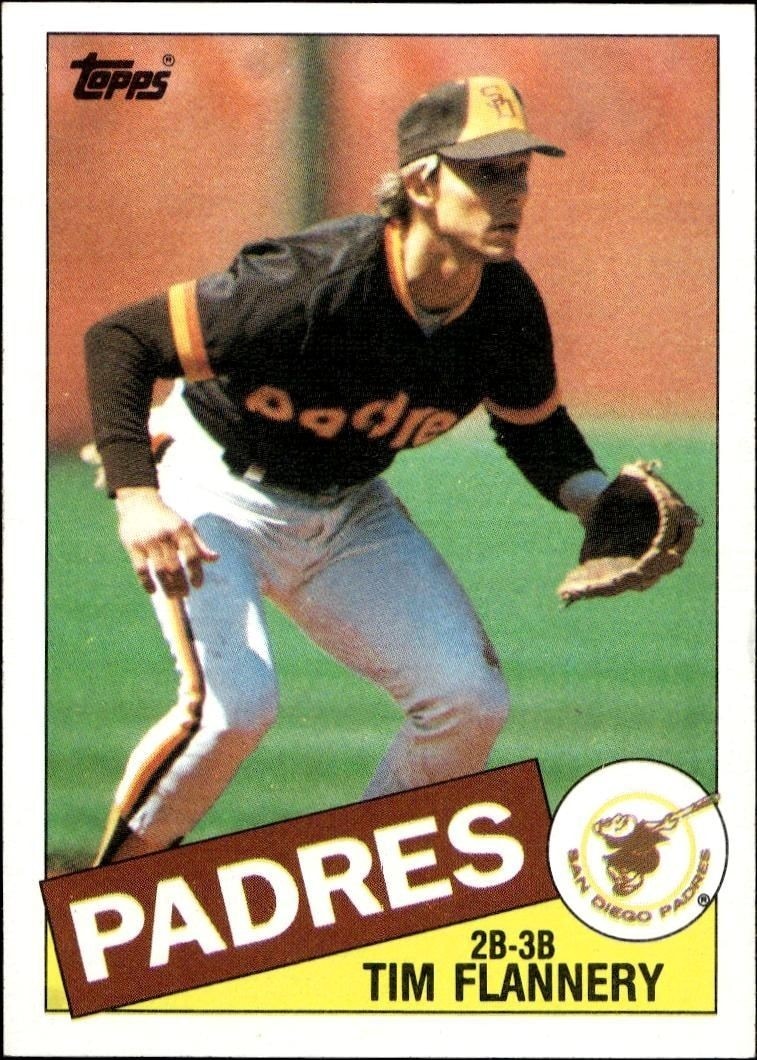
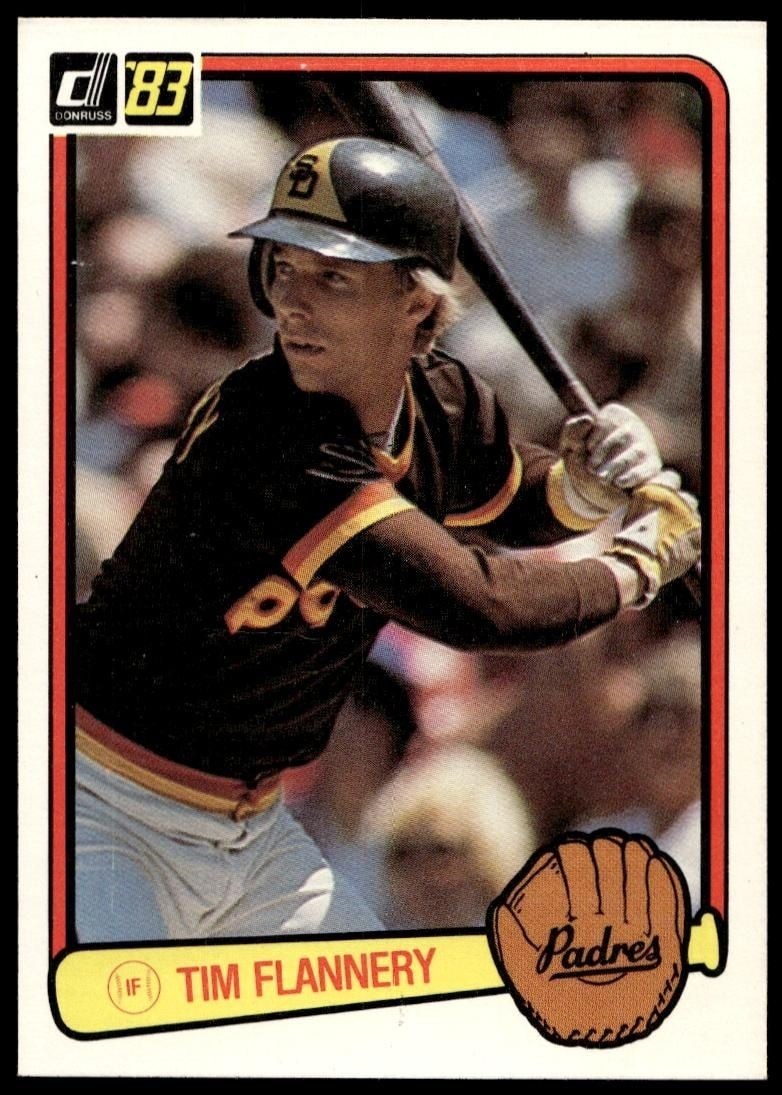
Discover the 1982 Topps Tim Flannery #249 baseball card, a vintage collectible featuring the San Diego Padres player from the classic Topps series.
1982 • Topps
Major League Baseball • San Diego Padres
Excellent
249
New
Shipping Calculated at Checkout
Arrives in 4-6 daysEstimated delivery November 12, 2026 - November 14, 2026
30-day Returns| Condition | Value | Source | Trend | Price Details |
|---|---|---|---|---|
$1.44 | Guide Estimate | 0% | ||
$5.51 | Guide Estimate | 0% | ||
$10.51 | Guide Estimate | 0% | ||
$12.00 | Guide Estimate | 0% | ||
$142.00 | Guide Estimate | -0.7% | ||
$44.00 | Guide Estimate | 0% | ||
$109.21 | Guide Estimate | -0.5% | ||
$66.00 | Guide Estimate | 0% | ||
Raw / Ungraded
PriceCharting Price Guide · Guide Estimate evidence · captured Nov 1, 2026
The 1982 Topps Tim Flannery #249 baseball card represents a specific moment in the history of the San Diego Padres. As part of the 1982 Topps release, this product captures the roster lineup for that particular season, offering collectors a tangible connection to the team's composition during that era. For enthusiasts of vintage sports memorabilia, this card serves as a foundational element for those looking to build or expand their collection of Padres-related items. Collecting cards from the early 1980s appeals to those who appreciate the distinct design language and production values of that time. The 1982 Topps brand is widely recognized for its consistent formatting and vibrant color palettes, which have become iconic in the hobby. Tim Flannery, featured on card number 249, provides a focal point for collectors interested in the history of the franchise. Whether you are a dedicated Padres fan or a generalist collector of baseball trading cards, this card offers a straightforward entry point into the hobby's rich archival past. The value of this piece lies in its role as a historical artifact, documenting the players who wore the uniform during the 1982 season. It stands as a reminder of the game's enduring appeal and the detailed record-keeping that makes collecting such a rewarding pursuit. By focusing on the identity of the card and its place within the 1982 Topps set, collectors can appreciate its significance independent of market fluctuations. This approach allows for a deeper understanding of the product's context within the broader landscape of baseball history.
6 days ago
We'll pre-fill the product details from this catalog entry, so your listing lands on this exact page. Just add photos of your copy, pick its condition, and set your price.
The catalog profile below summarizes the card identity, featured subject, and notable collectible traits.
The subject, team, league, and sport context tied to this card.
Production details and format-specific attributes.
Material
Card Stock
Language
English
Compare prices, grades, photos, and shipping from approved sellers.
New
Excellent
See how many public collections currently include this card.
0 collectors have this card
FAQ
No, this card is not a rookie card. It was released in 1982, well into Flannery's professional career, documenting his time with the San Diego Padres during that specific season.
The card features Tim Flannery as a member of the San Diego Padres, reflecting the team's roster for the 1982 season.
This 1982 Topps Tim Flannery card represents a foundational entry into vintage baseball collecting, currently trading at a modest price tier typical for non-star position players from this era. Its value is anchored by its status as an original release card rather than a modern reprint, offering a tangible connection to the San Diego Padres' history during the early 1980s. While it does not command the premium associated with franchise icons or rookie cards, it holds steady as an accessible piece of MLB history with consistent, albeit low, liquidity.
The card's scarcity is defined by its age and survival rate within the base set rather than any specific limited-edition mechanics or serial numbering. As a standard base card from a mass-produced 1982 Topps release, it lacks the artificial supply constraints of parallels or short-print inserts, meaning its rarity is driven entirely by the condition of surviving copies from over four decades ago. This places it in the common tier of collectibles, where availability is high but pristine examples are naturally harder to find due to wear and tear.
Investment potential is limited by the card's non-rookie status and the player's role as a utility infielder rather than a superstar, which restricts broad collector demand. Value appreciation is likely to remain stable and slow, tracking general vintage baseball market trends rather than experiencing explosive growth. This card is best suited for collectors building specific team sets or era-focused collections rather than investors seeking high-yield assets.