


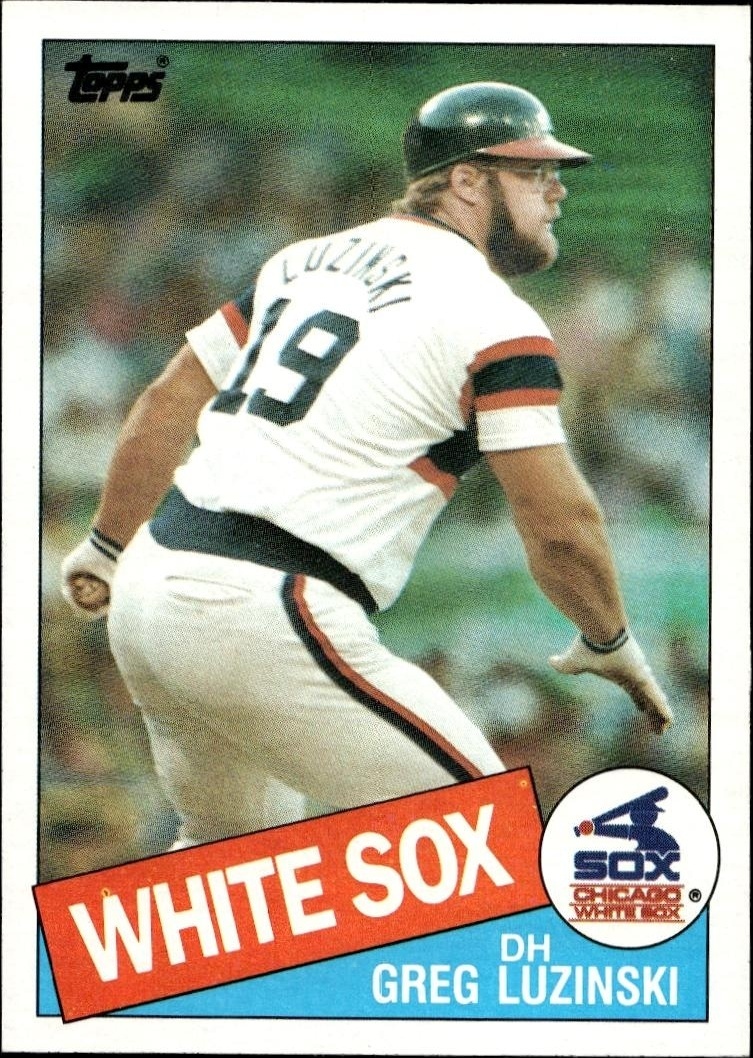
The 1983 Donruss Greg Luzinski #395 baseball card captures the career of the Chicago White Sox slugger during his tenure in MLB.
1983 • Donruss
Major League Baseball • Chicago White Sox
Excellent
395
New
Shipping Calculated at Checkout
Arrives in 4-6 daysEstimated delivery November 12, 2026 - November 14, 2026
30-day Returns| Condition | Value | Source | Trend | Price Details |
|---|---|---|---|---|
$0.67 | Guide Estimate | -49.6% | ||
$32.00 | Guide Estimate | -8.6% | ||
$10.00 | Guide Estimate | -37.5% | ||
$24.99 | Guide Estimate | -8.2% | ||
$15.00 | Guide Estimate | -6.2% | ||
Raw / Ungraded
PriceCharting Price Guide · Guide Estimate evidence · captured Oct 31, 2026
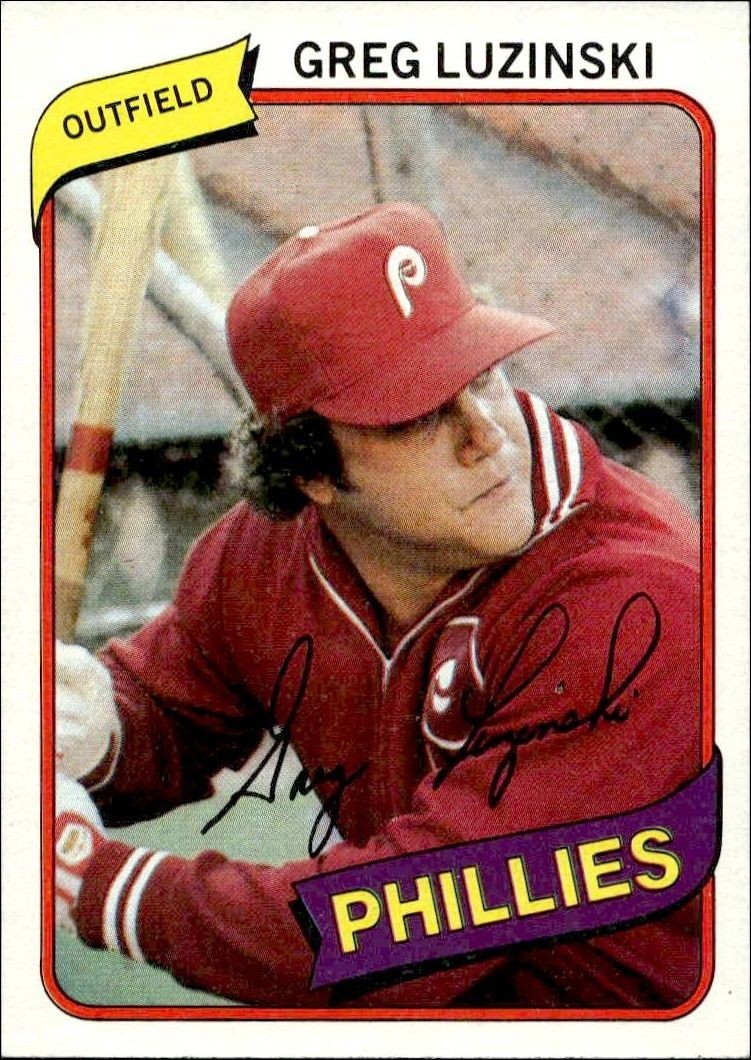
Greg Luzinski established himself as one of the premier power hitters in Major League Baseball during the late 1970s and early 1980s, spending the majority of his career with the Chicago White Sox. The 1983 Donruss Greg Luzinski #395 baseball card documents his tenure with the team during this era, offering collectors a tangible link to his on-field performance and legacy in the sport. Donruss entered the trading card market in 1983 with a bold design that quickly became a staple for vintage collectors. For those focused on the Chicago White Sox or the 1980s MLB landscape, this card serves as a fundamental component of a well-rounded collection. Collecting vintage baseball cards from the early 1980s requires an appreciation for the history of the game and the specific players who defined that period. Luzinski was known for his consistent power output and durability, making his cards a popular choice for fans who follow the team's history. The 1983 Donruss Greg Luzinski #395 baseball card is often sought after by those looking to complete base set collections or build a focused archive of White Sox memorabilia. Whether you are a long-time collector or just beginning to explore the world of vintage cards, understanding the context of each release helps in building a meaningful collection. This card represents a specific moment in Luzinski's career and the broader narrative of MLB during the 1980s.
6 days ago
We'll pre-fill the product details from this catalog entry, so your listing lands on this exact page. Just add photos of your copy, pick its condition, and set your price.
The catalog profile below summarizes the card identity, featured subject, and notable collectible traits.
The subject, team, league, and sport context tied to this card.
Production details and format-specific attributes.
Material
Card Stock
Language
English
Compare prices, grades, photos, and shipping from approved sellers.
New
Excellent
See how many public collections currently include this card.
0 collectors have this card
FAQ
Greg Luzinski was a highly accomplished power hitter who played for the Philadelphia Phillies and Chicago White Sox. While he was a multi-time All-Star and Silver Slugger Award winner, he has not been inducted into the Baseball Hall of Fame.
The 1983 Donruss set was significant because it marked Donruss's first year producing baseball cards, challenging the monopoly held by Topps and Fleer. This entry introduced a new design aesthetic and numbering system that remains popular among vintage collectors today.
Cards from this era are collected because they document the tenure of key players like Luzinski during a competitive period for the franchise. Collectors often focus on this timeframe to build comprehensive archives of team history or to capture the visual style of 1980s sports card design.
This 1983 Donruss Greg Luzinski card represents a baseline entry point for the player, trading at a modest tier relative to his broader market presence. As a standard issue from a high-volume set, it lacks the condition premiums or scarcity drivers that elevate value in vintage baseball collecting. The current listing activity suggests a stable but low-demand environment for this specific iteration.
The card carries no special scarcity attributes, existing as a base parallel within the 1983 Donruss set. Without serial numbering, short-print designation, or unique variations, the supply is determined by the original mass production run typical of this era. This lack of distinct rarity mechanics means the item is widely available compared to limited edition counterparts.
As a non-rookie card from a mass-produced set, this item lacks the primary demand drivers associated with rookie premiums or significant set milestones. Collector interest is likely driven by nostalgia for the Chicago White Sox era rather than speculative growth mechanics. It serves better as a supplemental piece for a Luzinski collection than as a standalone investment vehicle.