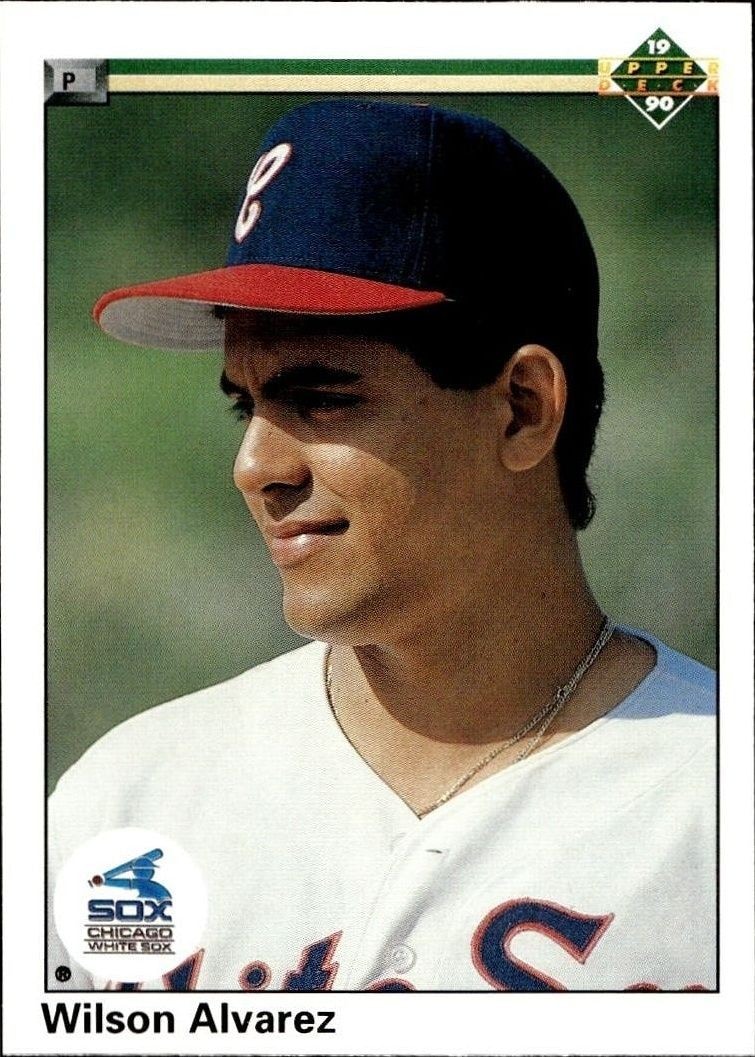

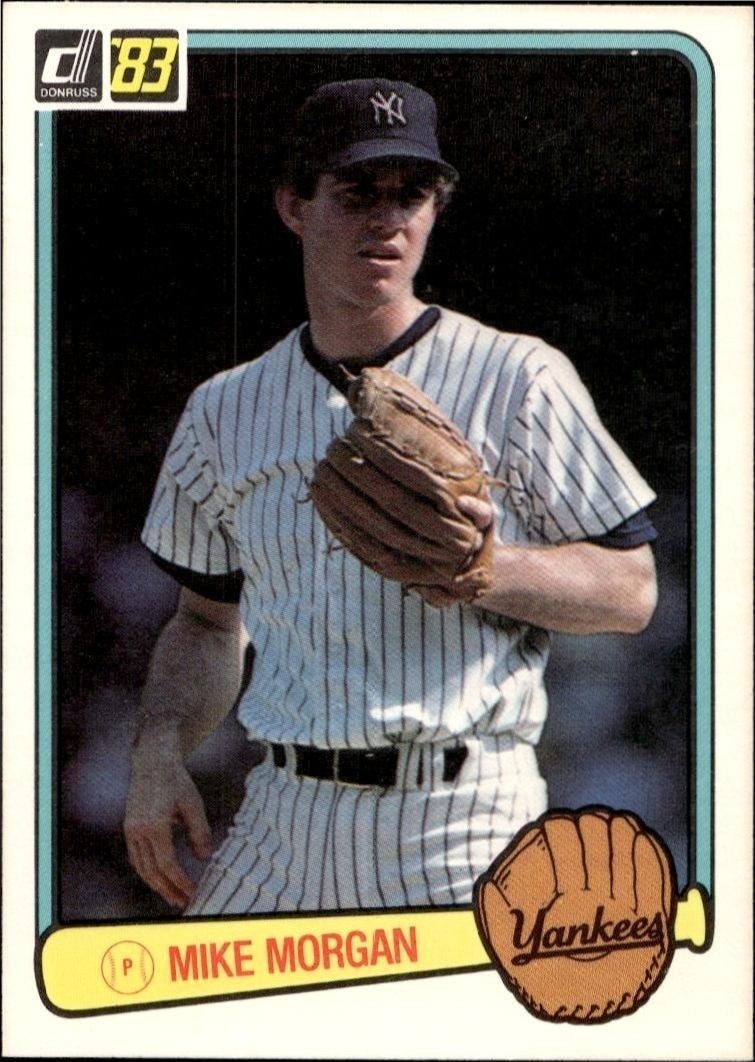
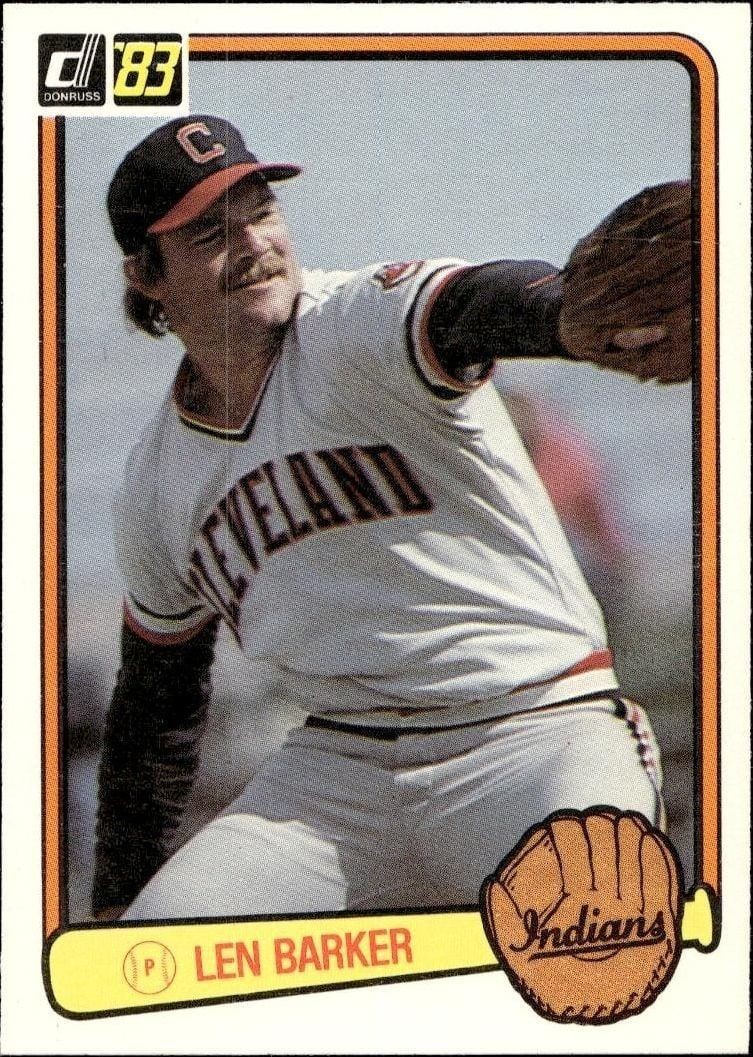


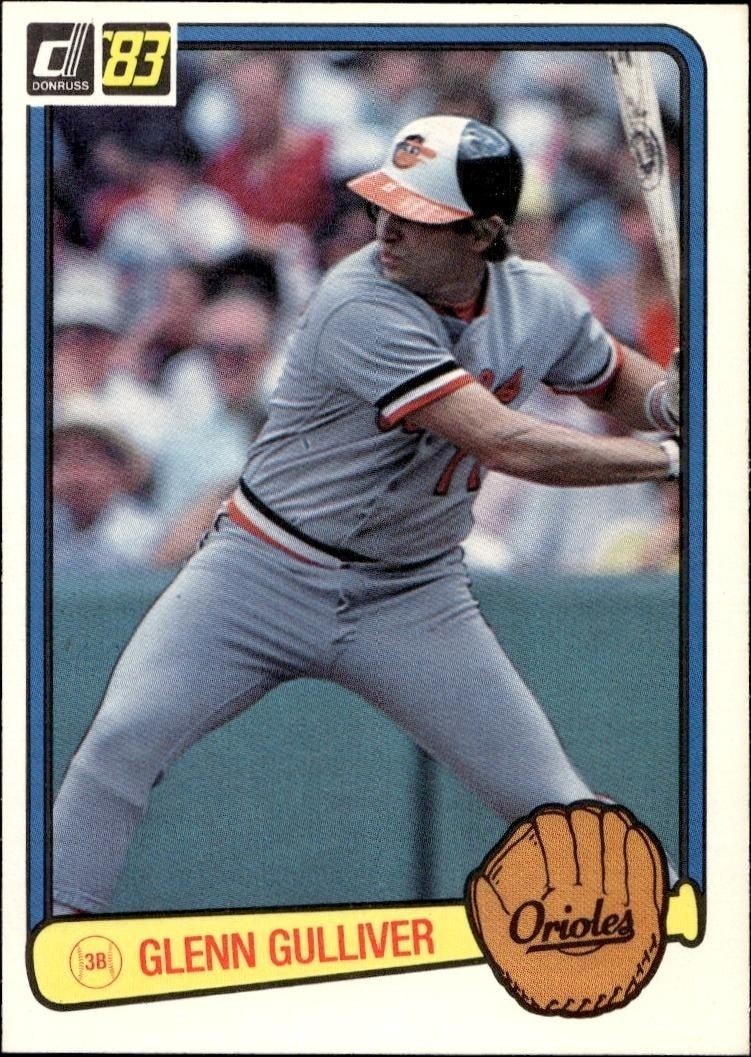
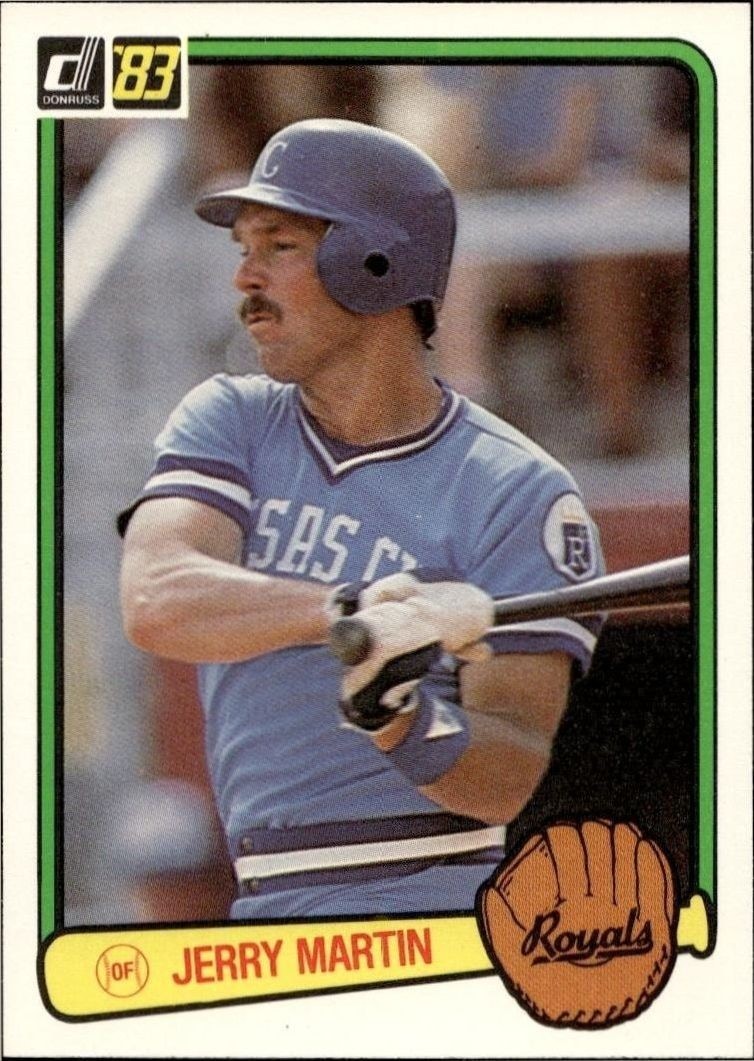



The 1983 Donruss Marc Hill #230 is a foundational card from the year Donruss entered the sports card market, featuring Chicago White Sox second baseman Marc Hill.
1983 • Donruss
Major League Baseball • Chicago White Sox
Excellent
230
New
Shipping Calculated at Checkout
Arrives in 5-7 daysEstimated delivery October 23, 2026 - October 25, 2026
Seller returns October 19, 2026.30-day Returns| Condition | Value | Source | Trend | Price Details |
|---|---|---|---|---|
$1.00 | Asking Prices | |||
$32.00 | Guide Estimate | |||
$15.00 | Guide Estimate | |||
$24.75 | Guide Estimate | |||
$15.00 | Guide Estimate | |||
Raw / Ungraded
eBay Active Listings · Asking Prices evidence · captured Oct 10, 2026
History is building. At least two days of matching observations are needed to show a trend.
Each point is the last stored observation that day for this printing, condition, grader, autograph status and source. Gaps mean no observation; guide estimates and asking prices are not completed sales.The 1983 Donruss Marc Hill #230 represents a significant entry for collectors interested in the early era of modern baseball trading cards. Released in 1983, this card is part of the inaugural set from Donruss, a manufacturer that fundamentally changed the landscape of the hobby by introducing a glossy finish and a more vibrant design aesthetic compared to its competitors. For those building a comprehensive collection of 1980s baseball memorabilia, this product offers a tangible connection to a pivotal year in sports card history. Marc Hill, portrayed in this card as a member of the Chicago White Sox, provides a specific focal point for fans of the team and the National League during the early 1980s. While Hill was not a rookie card subject, his inclusion in this set captures his tenure with the White Sox, making it a relevant piece for specialists tracking player rosters of that specific season. The card bears the number 230, anchoring it within the set's numerical sequence and providing a clear identifier for cataloging and organization. Collecting from the 1983 Donruss base set appeals to hobbyists who appreciate the transition period in card manufacturing. Whether you are focusing on completing a full base set or hunting for specific player cards from the Chicago White Sox lineup, this Marc Hill card serves as a solid component of a curated archive. It stands as a reminder of the era when trading cards became a mainstream collectible, driven by accessible pricing and bold new designs. Enthusiasts often seek out these cards to understand the evolution of card design and the historical context of MLB rosters from the early 1980s.
14 hours ago
We'll pre-fill the product details from this catalog entry, so your listing lands on this exact page. Just add photos of your copy, pick its condition, and set your price.
The catalog profile below summarizes the card identity, featured subject, and notable collectible traits.
The subject, team, league, and sport context tied to this card.
Production details and format-specific attributes.
Material
Card Stock
Language
English
Compare prices, grades, photos, and shipping from approved sellers.
New
Excellent
See how many public collections currently include this card.
0 collectors have this card
This 1983 Donruss card represents a foundational entry into Marc Hill's collecting portfolio, situated at a baseline price point typical for ungraded, base issues from this specific set and era. While it lacks the premium valuation seen in graded specimens or special parallels, it remains accessible for collectors seeking to complete a White Sox or Donruss base set. The card trades in line with the broader market for common rookie-year cards of players whose careers did not reach Hall of Fame status, reflecting steady but modest demand.
As a standard base card without noted special attributes such as serial numbering, short printing, or parallel variations, this item carries no inherent supply constraints beyond the original print run of the 1983 Donruss set. The scarcity is purely functional, relying on the natural attrition of copies over four decades rather than deliberate manufacturing limits. Consequently, its rarity profile is defined by condition availability rather than intentional distribution restrictions.
Investment potential is primarily driven by the card's status as a rookie-year issue, which historically commands a baseline level of interest for collectors focusing on debut cards. Without grading or special parallels, the upside is limited to general set-completion demand rather than speculative growth. It serves better as a building block for a comprehensive collection of 1980s baseball cards than as a standalone appreciating asset.