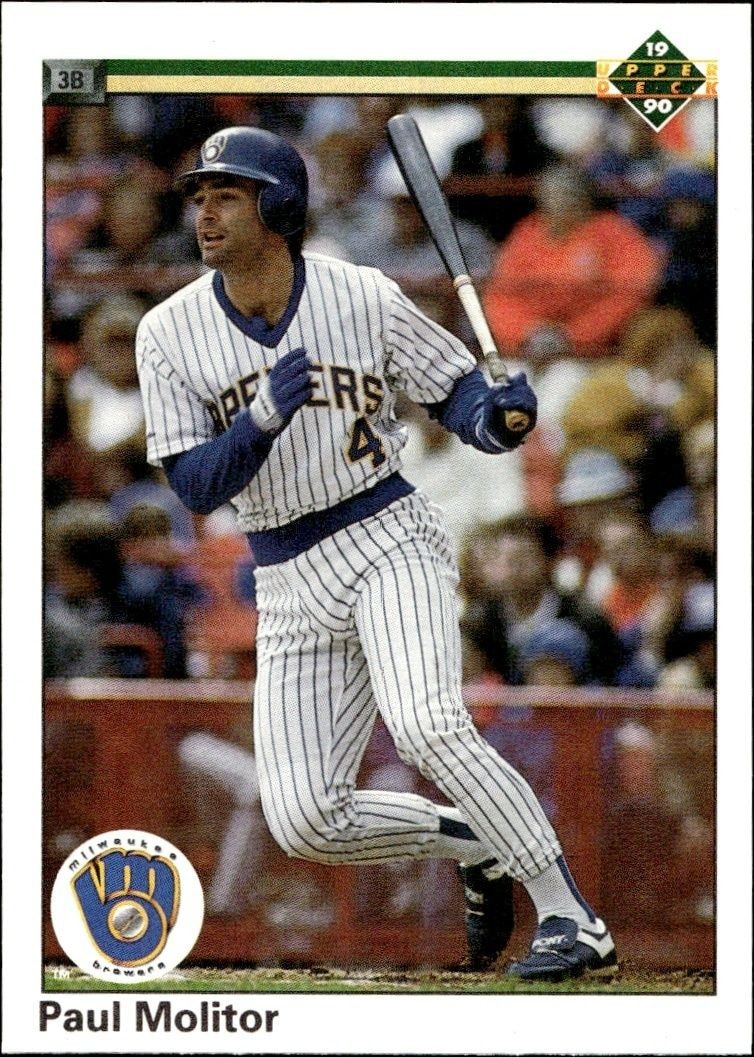
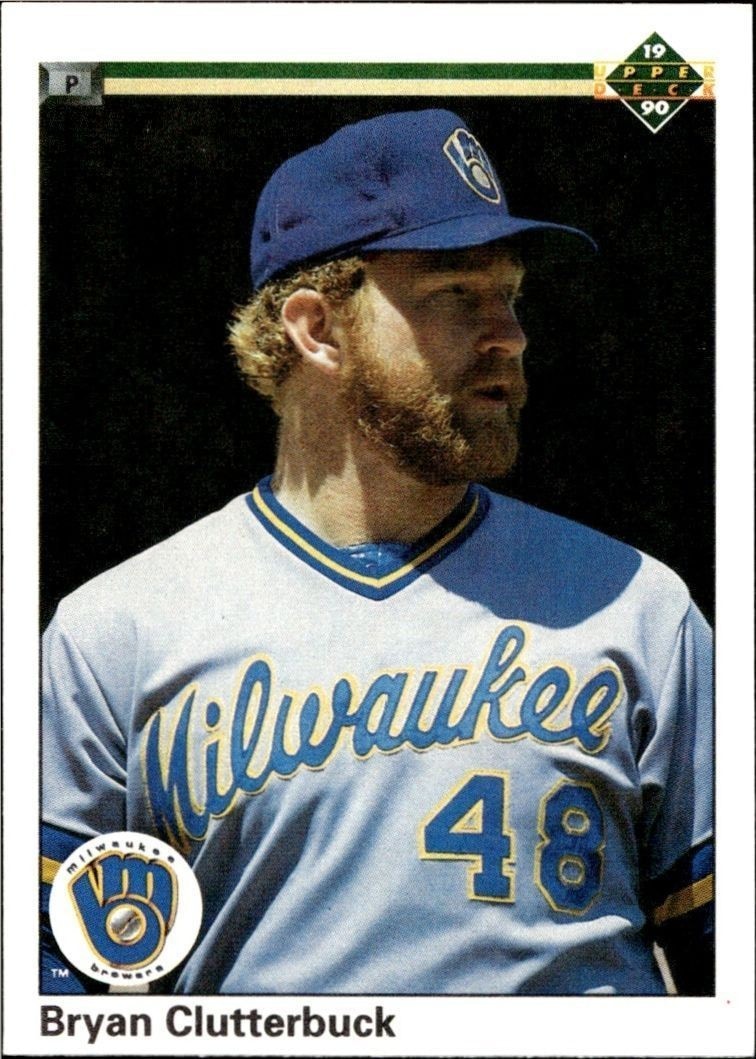
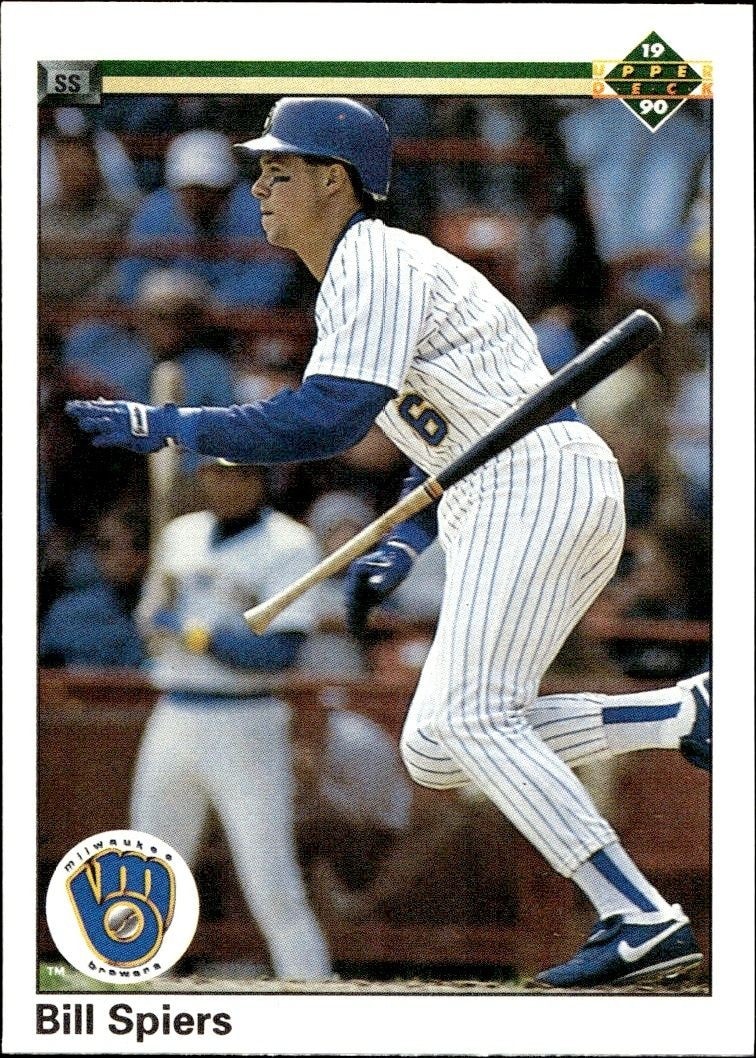
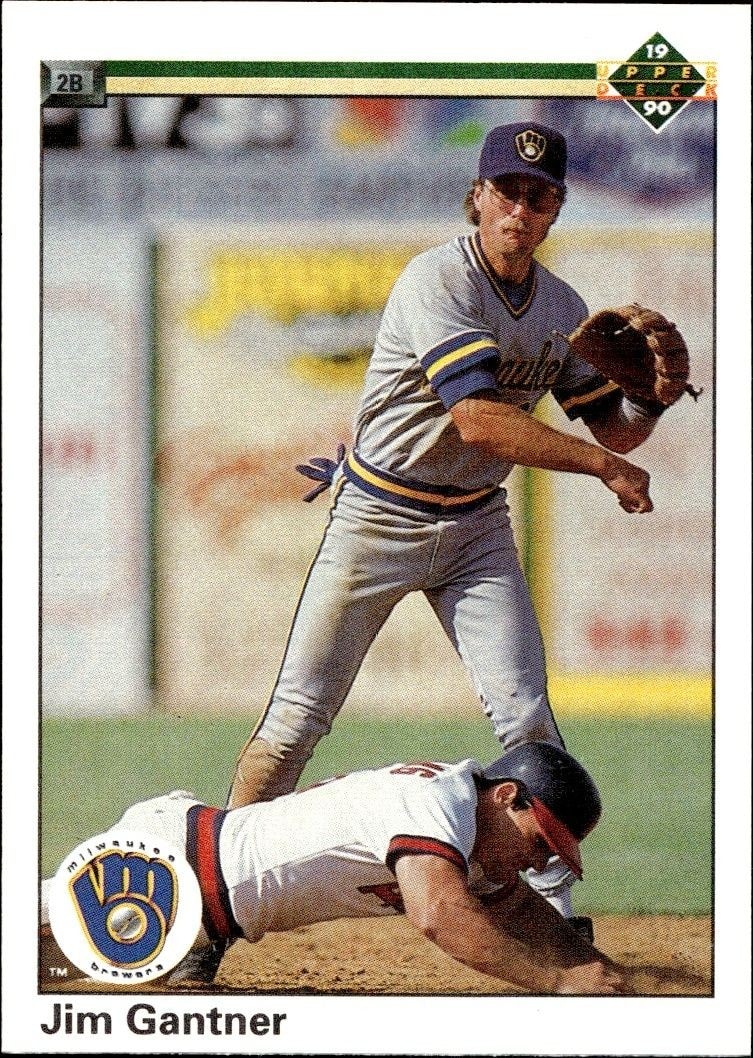
The 1983 Fleer Dwight Bernard #27 baseball card is a distinctive piece of vintage sports memorabilia, capturing the player during his tenure with the Milwaukee Brewers.
1983 • Fleer
Major League Baseball • Milwaukee Brewers
Excellent
27
New
Shipping Calculated at Checkout
30-day Returns| Condition | Value | Source | Trend | Price Details |
|---|---|---|---|---|
$1.73 | Guide Estimate | 0% | ||
$1.35As of 9/20/2026 | Completed Sales | |||
$12.90 | Guide Estimate | +0.1% | ||
$28.82 | Guide Estimate | +0.1% | ||
$52.45 | Guide Estimate | +0.1% | ||
$196.00 | Guide Estimate | 0% | ||
$60.00 | Guide Estimate | 0% | ||
$150.69 | Guide Estimate | +0.1% | ||
$90.00 | Guide Estimate | 0% | ||
Raw / Ungraded
PriceCharting Price Guide · Guide Estimate evidence · captured Oct 28, 2026
The 1983 Fleer Dwight Bernard #27 baseball card represents a significant entry in the history of modern sports card collecting. Issued during a pivotal era when Fleer re-entered the market, this release brought a fresh aesthetic to the hobby after years of absence. The card features Dwight Bernard, who wore the uniform of the Milwaukee Brewers during the 1983 season, offering a tangible link to that specific chapter of MLB history. Collectors often seek out 1983 Fleer products for their vibrant design elements and the nostalgic value they hold for those who grew up with the brand's revival. This product is part of a larger set that helped redefine the trading card industry in the 1980s. The #27 designation places it within the standard base set, making it a fundamental component for those looking to complete the 1983 Fleer collection. Dwight Bernard's appearance on card #27 serves as a reminder of the diverse roster of athletes who contributed to the game during this period. When considering the 1983 Fleer Dwight Bernard #27 baseball card, collectors appreciate its role in the broader narrative of the hobby's evolution. It is not just a single card but a piece of cultural history that reflects the growing popularity of baseball in the early 1980s. The card's enduring appeal lies in its ability to transport fans back to a time when collecting was becoming a mainstream passion. Whether you are a seasoned collector or just starting, adding this card to your portfolio connects you with the rich legacy of Fleer and the Milwaukee Brewers' storied past.
10/20/26
We'll pre-fill the product details from this catalog entry, so your listing lands on this exact page. Just add photos of your copy, pick its condition, and set your price.
The catalog profile below summarizes the card identity, featured subject, and notable collectible traits.
The subject, team, league, and sport context tied to this card.
Production details and format-specific attributes.
Material
Card Stock
Language
English
Compare prices, grades, photos, and shipping from approved sellers.
New
Excellent
See how many public collections currently include this card.
0 collectors have this card
This 1983 Fleer card of Dwight Bernard resides in a lower price tier typical for non-star roster players from this era. Its current valuation reflects standard market conditions for a base rookie card with no special attributes or grading premiums. The low price point suggests it serves primarily as a foundational piece for team-specific or year-set collectors rather than commanding significant speculative interest.
The card is identified as a standard base issue with no noted parallel, short-print, or serial-numbered attributes. This implies it shares the full print run of the 1983 Fleer Baseball set, resulting in a relatively high supply compared to specialty inserts. The absence of unique scarcity mechanics means its rarity is defined solely by the general availability of base cards from this specific product line.
As a rookie card, it carries the inherent structural demand associated with first-year player issues, though the lack of special parallels limits its premium potential. Collector interest is likely driven by Milwaukee Brewers nostalgia or complete set completionism rather than individual player stardom. Long-term value stability depends on the broader appreciation of 1980s Fleer sets, with limited upside due to the card's common status within the product.