1 / 2
About This Card
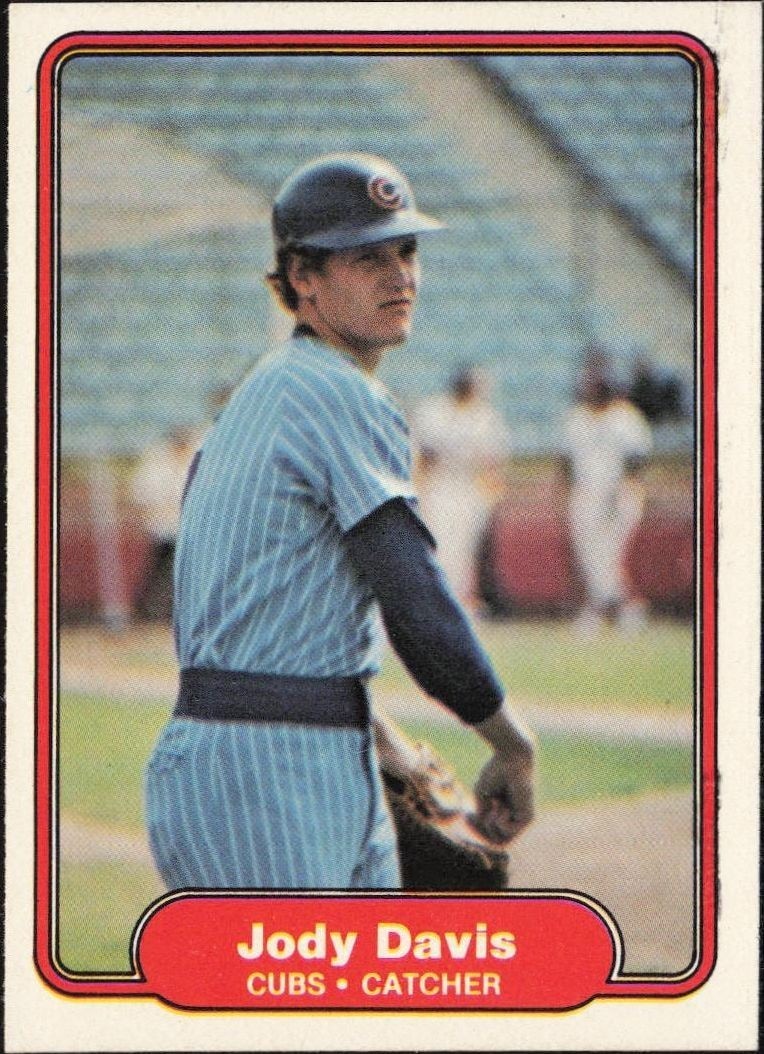
Explore the 1983 Fleer Jody Davis #494 Chicago Cubs baseball card, a significant piece of 1980s MLB history from Fleer's inaugural baseball release.
Jody Davis
1983 • Fleer
Major League Baseball • Chicago Cubs
Seller Offer
1 available$1.99
Raw/Ungraded Market: $1.38
Updated 10 days ago44% above
Condition
Excellent
Card Number
494
Loading express checkout
Primary Seller
New
Shipping Calculated at Checkout
30-day ReturnsMarket & Price History
Prices Captured Nov 4, 2026 Unless Another Date Is Shown
| Condition | Value | Source | Trend | Price Details |
|---|---|---|---|---|
$1.38 | Guide Estimate | |||
$1.99As of 4/15/2026 | Evidence Type Unavailable | |||
$39.00 | Guide Estimate | |||
$12.00 | Guide Estimate | |||
$29.99 | Guide Estimate | |||
$18.00 | Guide Estimate | |||
- $1.38
- Source
- Guide Estimate
- Trend
- Price Details
- $1.99As of 4/15/2026
- Source
- Evidence Type Unavailable
- Trend
- Price Details
- $39.00
- Source
- Guide Estimate
- Trend
- Price Details
- $12.00
- Source
- Guide Estimate
- Trend
- Price Details
- $29.99
- Source
- Guide Estimate
- Trend
- Price Details
- $18.00
- Source
- Guide Estimate
- Trend
- Price Details
30-day Price History
Raw / Ungraded
PriceCharting Price Guide · Guide Estimate evidence · captured Nov 4, 2026
History is building. At least two days of matching observations are needed to show a trend.
Each point is the last stored observation that day for this printing, condition, grader, autograph status and source. Gaps mean no observation; guide estimates and asking prices are not completed sales.Product Overview
Description
The 1983 Fleer Jody Davis #494 Chicago Cubs baseball card represents a pivotal moment in the history of sports trading cards. As part of Fleer's first major foray into the baseball market in over two decades, this release marked a significant shift in the industry, breaking Topps' long-standing monopoly on MLB licensed products. For collectors, cards from this year hold a unique place in the hobby, serving as the bridge between the classic designs of the 1970s and the modern era of sports card collecting. Jody Davis, the Chicago Cubs catcher, is featured on this card, offering a tangible connection to the team's roster during the early 1980s. The card, identified by the number 494 in the Fleer checklist, captures Davis during a period when he was a central figure for the North Side club. Fleer's design approach for this set was distinct, utilizing a clean layout that highlighted the player's image and statistics, which appeals to those who appreciate the straightforward aesthetic of vintage baseball memorabilia. Collecting from the 1983 Fleer set is often driven by an interest in the evolution of the hobby itself. Because Fleer re-entered the market after a long hiatus, their products are highly regarded for their historical significance. The Jody Davis #494 card is a standard issue within this set, making it a foundational piece for those building a complete collection of Fleer's first baseball era. Whether you are a dedicated Cubs fan or a historian of the sport, this card provides insight into the visual and commercial landscape of baseball in 1983. It remains a sought-after item for enthusiasts looking to preserve a piece of the game's mid-20th-century heritage.
Last Listing Activity
11/1/26
Seller Action
Have one of these to sell?
We'll pre-fill the product details from this catalog entry, so your listing lands on this exact page. Just add photos of your copy, pick its condition, and set your price.
Product Specs
Card Details
The catalog profile below summarizes the card identity, featured subject, and notable collectible traits.
Featured Subject
The subject, team, league, and sport context tied to this card.
Print Details
Production details and format-specific attributes.
Material
Card Stock
Language
English
Available Offers
Available Offer for This Card (1)
Compare prices, grades, photos, and shipping from approved sellers.
Featured Offer
New
Condition
Excellent
Seller PriceShipping Extra
$1.99
Collector Ownership
Owned by Collectors
See how many public collections currently include this card.
0 collectors have this card
SuperCatch Expert Analysis
Market Value Insight
This 1983 Fleer Jody Davis card represents a foundational entry into his career, trading at a modest premium relative to the broader set due to its status as a key early-year issue for the Chicago Cubs. While it lacks the high-end finish of later parallels, its condition sensitivity and age make it a staple for vintage collectors seeking authentic representation of his rookie-era tenure. The card holds a stable, accessible tier within the hobby, appealing to those focused on historical completeness rather than speculative growth.
Rarity Breakdown
As a base card with no noted special attributes, this item does not carry specific scarcity mechanics such as serial numbering, short-print status, or one-of-one designations. Its supply is determined primarily by its age and the original print run of the 1983 Fleer set, meaning it is widely available in ungraded or lower-grade states. The lack of limited-edition features implies that market value is driven more by condition rarity than by inherent production constraints.
Investment Outlook
The card benefits from rookie-card premium mechanics, as this issue captures Jody Davis during his initial emergence in Major League Baseball, a key driver for long-term collector interest. Its position within the 1983 Fleer set offers a niche appeal for vintage baseball enthusiasts, though the absence of parallel variations limits its upside compared to more specialized issues. Demand remains steady among completists and Cubs historians, providing a secure but modest growth trajectory for this entry-level vintage piece.
AI-Generated Editorial Analysis
FAQ
Frequently Asked Questions
Is the 1983 Fleer set considered vintage?
Yes, the 1983 Fleer baseball set is widely considered vintage. It is significant because it was Fleer's first major baseball release in over 20 years, marking a key era in the history of sports card manufacturing.
Who is Jody Davis on this card?
Jody Davis was the starting catcher for the Chicago Cubs during the early 1980s. This card, numbered 494, features him during his tenure with the team, a period when he was known for his power hitting and defensive skills.
Why is the 1983 Fleer set important to collectors?
Collectors value the 1983 Fleer set because it broke Topps' exclusive monopoly on MLB-licensed cards. It introduced a new design style and manufacturer to the market, making it a critical reference point for the evolution of baseball card design and the hobby itself.