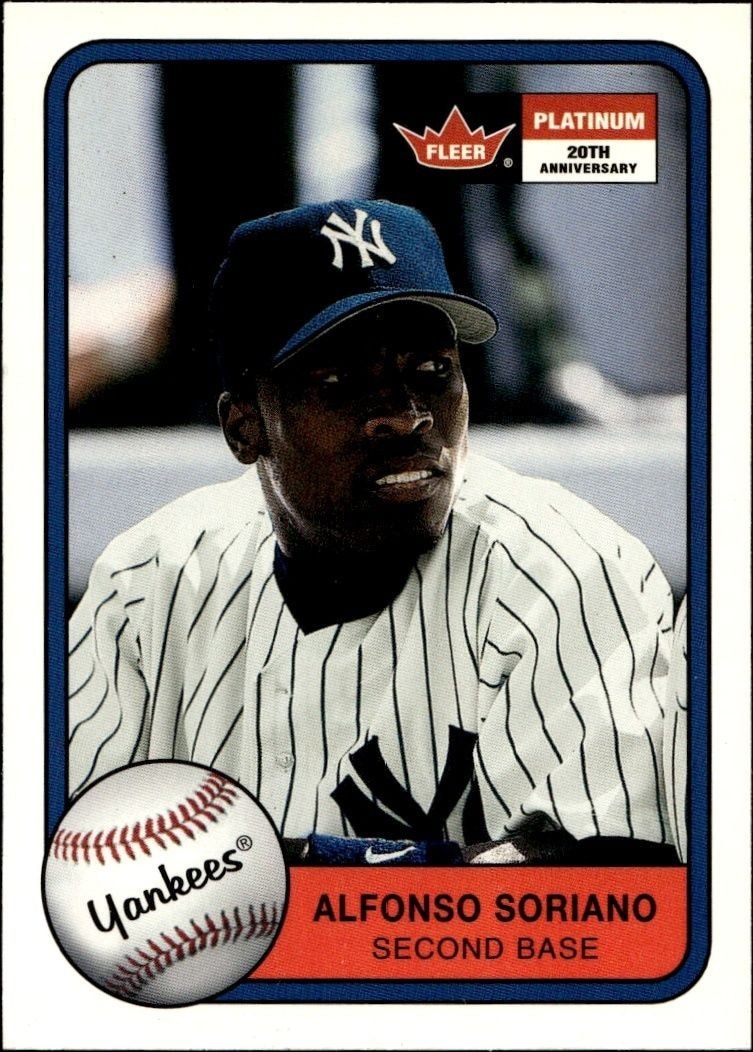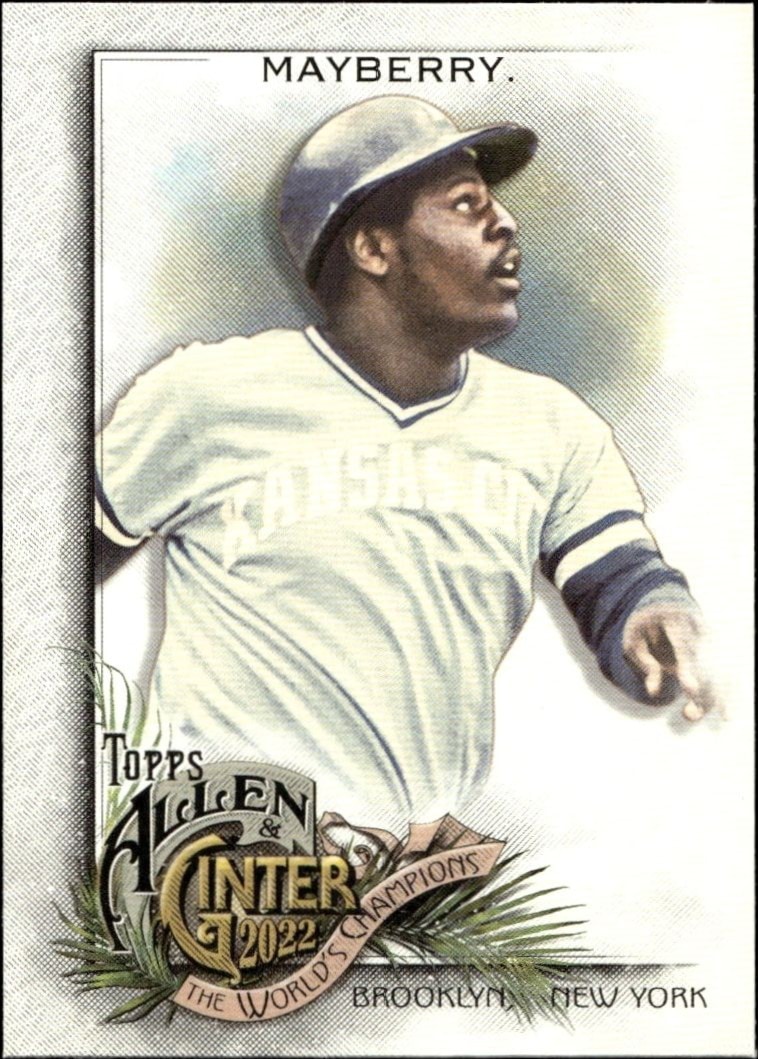

The 1983 Fleer John Mayberry #386 New York Yankees baseball card is a vintage sports collectible featuring the player in his Yankees uniform.
1983 • Fleer
Major League Baseball • New York Yankees
Near Mint
386
New
Shipping Calculated at Checkout
30-day Returns| Condition | Value | Source | Trend | Price Details |
|---|---|---|---|---|
$1.02 | Guide Estimate | |||
$1.50As of 4/15/2026 | Evidence Type Unavailable | |||
$411.00 | Guide Estimate | |||
$126.00 | Guide Estimate | |||
$316.11 | Guide Estimate | |||
$190.00 | Guide Estimate | |||
Raw / Ungraded
PriceCharting Price Guide · Guide Estimate evidence · captured Nov 4, 2026
History is building. At least two days of matching observations are needed to show a trend.
Each point is the last stored observation that day for this printing, condition, grader, autograph status and source. Gaps mean no observation; guide estimates and asking prices are not completed sales.This 1983 Fleer John Mayberry #386 baseball card features John Mayberry during his tenure with the New York Yankees. Released by Fleer, this sports card is part of the company's 1983 baseball set, a notable entry for vintage MLB collectors. The card identifies Mayberry as a New York Yankees player, capturing a specific era of the franchise's history. Collectors looking for 1980s Fleer baseball cards often seek this card number to complete their sets or add a classic Yankees player to their collection. John Mayberry's association with the Yankees is a key identifier for this card, distinguishing it from other releases featuring the same player on different teams. This product serves as a tangible link to the 1983 baseball season and the New York Yankees roster of that time. For those building a collection of vintage baseball cards, the 1983 Fleer John Mayberry #386 offers a straightforward and clear representation of the player. The card's catalog number, 386, helps collectors easily locate and organize this product within their broader Fleer baseball set.
5 days ago
We'll pre-fill the product details from this catalog entry, so your listing lands on this exact page. Just add photos of your copy, pick its condition, and set your price.
The catalog profile below summarizes the card identity, featured subject, and notable collectible traits.
The subject, team, league, and sport context tied to this card.
Production details and format-specific attributes.
Material
Card Stock
Language
English
Compare prices, grades, photos, and shipping from approved sellers.
New
Near Mint
See how many public collections currently include this card.
0 collectors have this card
FAQ
John Mayberry is listed as a player for the New York Yankees on this 1983 Fleer card.
No, this is not a rookie card. It is a regular issue card from the 1983 Fleer set.
This 1983 Fleer John Mayberry card represents a low-tier entry point within the broader vintage baseball market, reflecting its status as a base card from a non-premium era. While the New York Yankees affiliation provides inherent name recognition, the lack of special attributes or high-grade scarcity keeps its value significantly below that of key rookies or parallel varieties. It trades at a modest premium over raw, ungraded examples of similar vintage but remains accessible to budget-conscious collectors focusing on 1980s MLB staples.
The card lacks any scarcity mechanics such as serial numbering, short-print designation, or parallel variations, placing it firmly in the high-volume base set category. As a standard issue from Fleer's 1983 release, supply is abundant relative to demand, meaning individual copies do not benefit from limited edition constraints. The absence of unique identifiers means its rarity is driven solely by age and survival rate rather than intentional production limits.
As a non-rookie card from a period when Fleer's market share was limited compared to Topps or Bowman, this item lacks the rookie-card premium that typically drives long-term appreciation. Collector demand is likely driven by nostalgia for the early 1980s Yankees rather than speculative growth, making it a stable but low-growth holding. Investors should view this as a portfolio filler for set completion rather than a primary asset for capital appreciation.