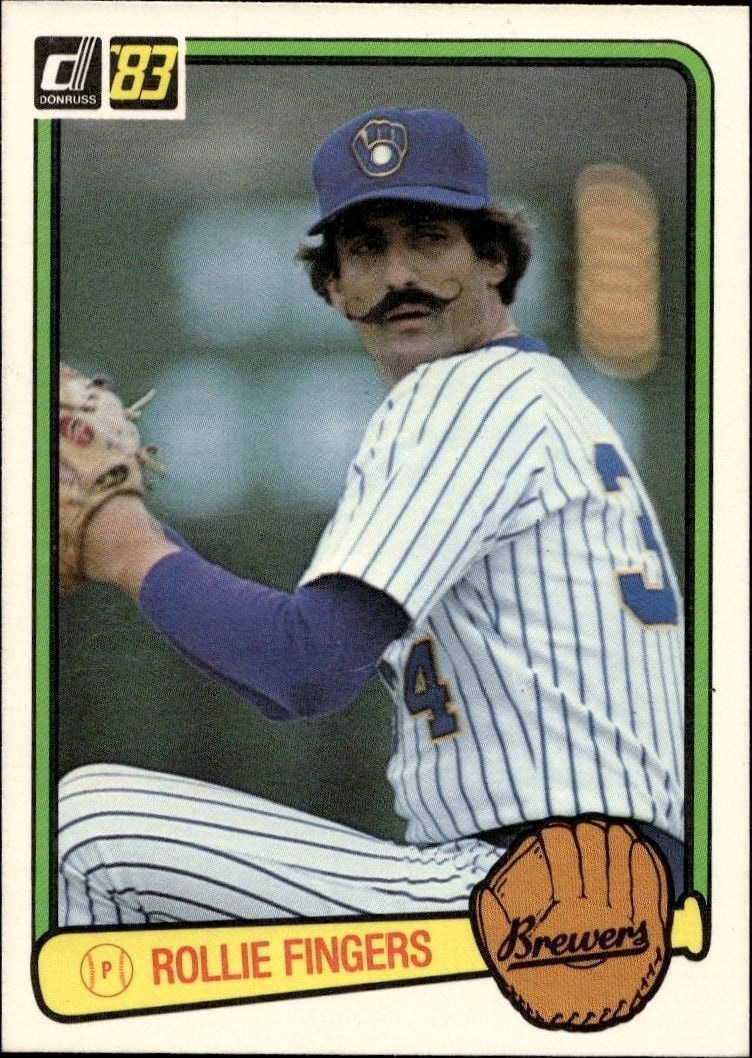

The 1983 Fleer Rollie Fingers #33 sports card captures a classic era of Milwaukee Brewers baseball. This numbered release is a staple for collectors of vintage Fleer products.
1983 • Fleer
Major League Baseball • Milwaukee Brewers
Excellent
33
New
Shipping Calculated at Checkout
30-day Returns| Condition | Value | Source | Trend | Price Details |
|---|---|---|---|---|
$1.00 | Guide Estimate | -34.2% | ||
$0.85As of 9/25/2026 | Completed Sales | |||
$0.99 | Guide Estimate | 0% | ||
$1.99 | Guide Estimate | 0% | ||
$14.68 | Guide Estimate | -1.6% | ||
$28.00 | Guide Estimate | +7.7% | ||
$37.00 | Guide Estimate | +5.7% | ||
$17.00 | Guide Estimate | +6.3% | ||
$28.56 | Guide Estimate | +6.4% | ||
$17.00 | Guide Estimate | +6.3% | ||
Raw / Ungraded
PriceCharting Price Guide · Guide Estimate evidence · captured Oct 18, 2026
The 1983 Fleer Rollie Fingers baseball card, numbered 33, represents a pivotal moment in the history of the Fleer brand. As one of the first major sets released by the company in the modern trading card era, this product holds significant nostalgic value for hobbyists who grew up with the distinct design language of the early 1980s. The card features Rollie Fingers, a prominent figure associated with the Milwaukee Brewers, offering a tangible connection to that specific team and time period. Collectors often seek out 1983 Fleer issues for their retro aesthetic and historical importance. For investors and set builders, owning a 1983 Fleer Rollie Fingers #33 card is an essential step toward completing the base set. The card serves as a standalone piece of memorabilia that stands on its own merits, regardless of whether it is part of a larger collection or a focused acquisition. The appeal of this card extends beyond simple nostalgia. It represents a time when Fleer was re-establishing itself in the marketplace, competing with established brands and introducing new designs that influenced future releases. Rollie Fingers, featured prominently in this release, adds to the card's desirability among fans of the Milwaukee Brewers and collectors of vintage baseball imagery. Whether you are looking to add a piece of history to your portfolio or complete a specific year's set, this card offers a direct link to the past. The 1983 Fleer Rollie Fingers #33 remains a sought-after item for those who appreciate the foundational years of modern trading card design.
2 hours ago
We'll pre-fill the product details from this catalog entry, so your listing lands on this exact page. Just add photos of your copy, pick its condition, and set your price.
The catalog profile below summarizes the card identity, featured subject, and notable collectible traits.
The subject, team, league, and sport context tied to this card.
Production details and format-specific attributes.
Material
Card Stock
Language
English
Compare prices, grades, photos, and shipping from approved sellers.
New
Excellent
See how many public collections currently include this card.
0 collectors have this card
This 1983 Fleer Rollie Fingers card represents a foundational entry for collectors focusing on Brewers-era history or Fleer’s early baseball production. While the base set is generally accessible, the specific combination of the Milwaukee Brewers tenure and the Fleer brand creates a distinct niche that commands stability among vintage baseball enthusiasts. It sits at an accessible price tier compared to more elusive parallels or rookie iterations of the same player.
As a standard base card from the 1983 Fleer set, this item does not carry inherent scarcity mechanics such as serial numbering, short-print status, or limited edition designations. The supply is determined by the original print run of the base set, which remains significantly higher than its parallel or specialty counterparts. Consequently, the card relies on condition rarity rather than intentional production limits for its collectibility.
The card’s value is driven primarily by the demand for 1980s Fleer products and the historical significance of Rollie Fingers’ tenure with the Milwaukee Brewers. Without parallel variants or rookie-card designation, the appreciation potential is tied to the general growth of vintage baseball cards and the preservation of high-grade examples. Collectors seeking to build comprehensive sets of this era or the player’s career will provide consistent, albeit modest, demand for this issue.