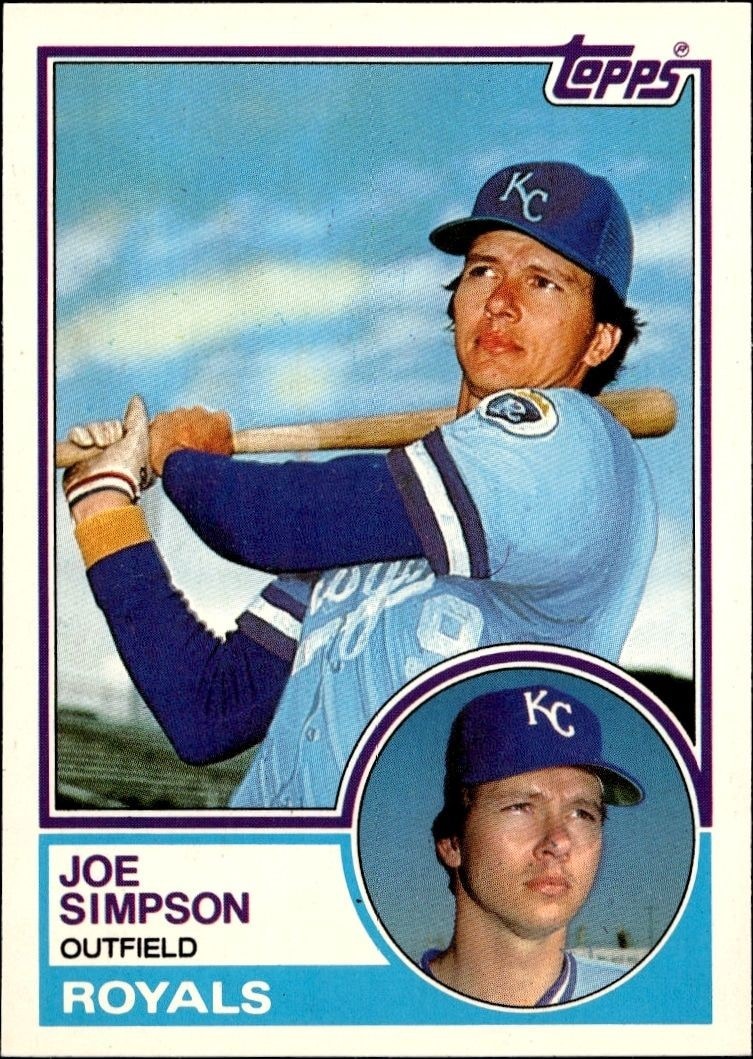

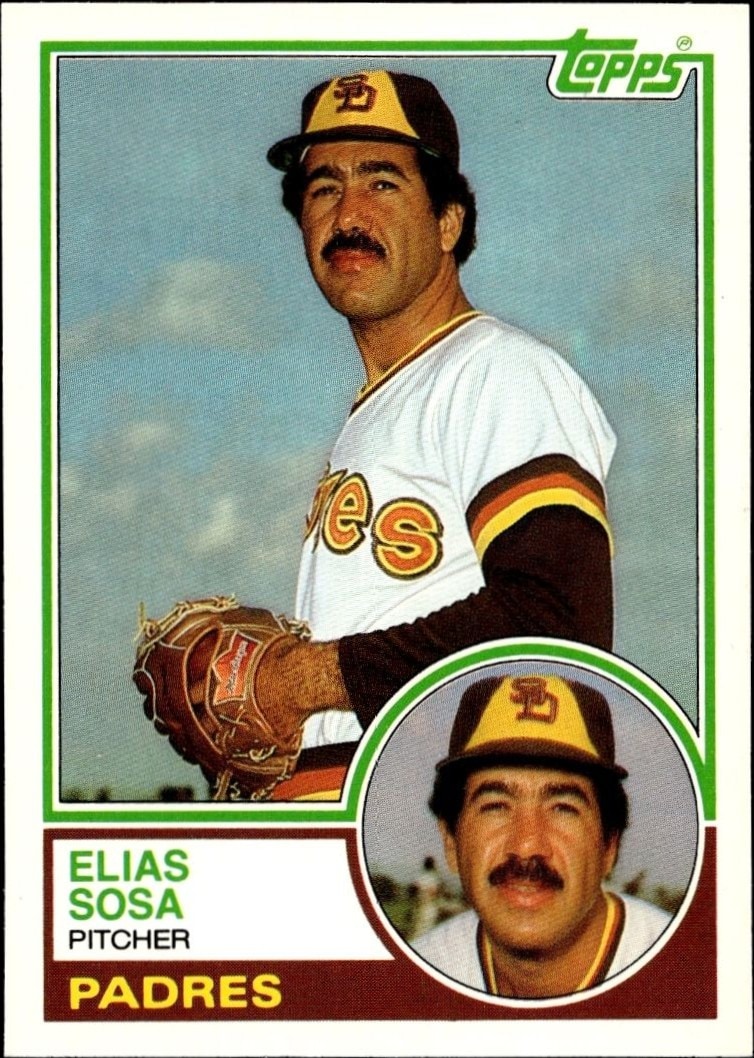
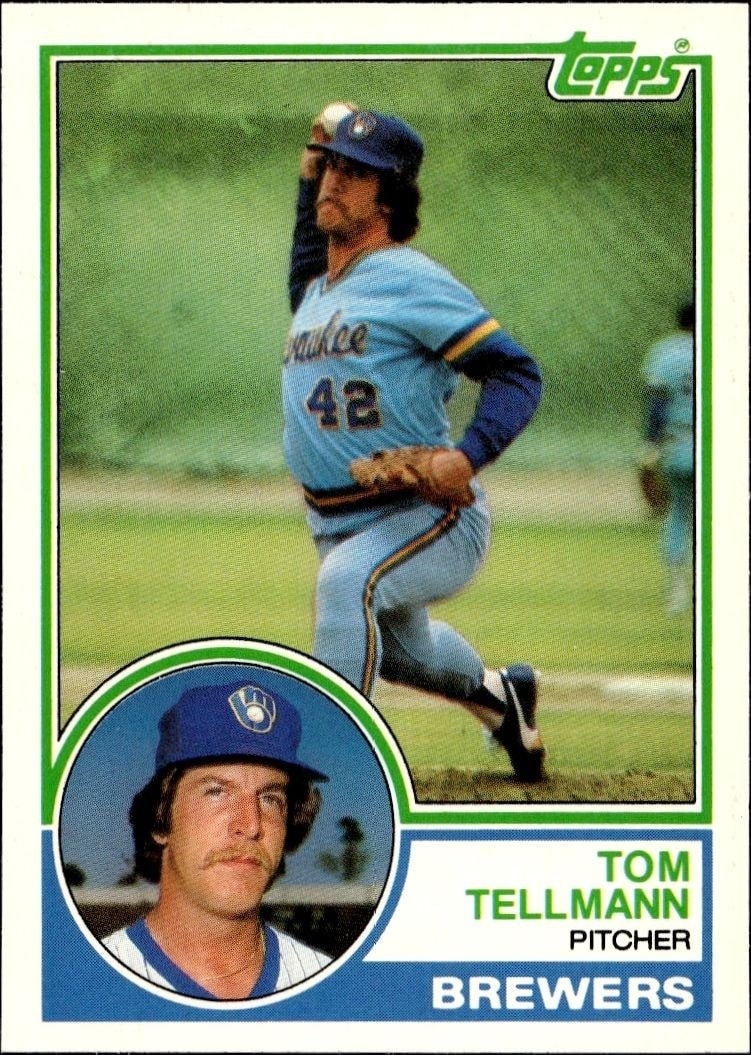

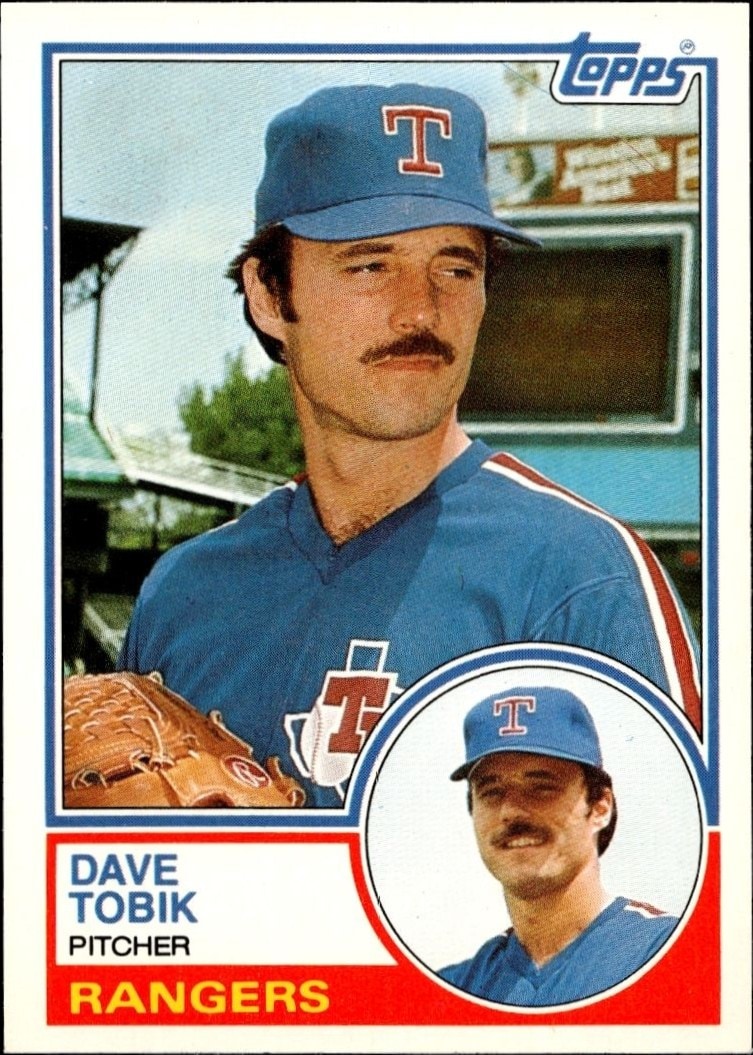


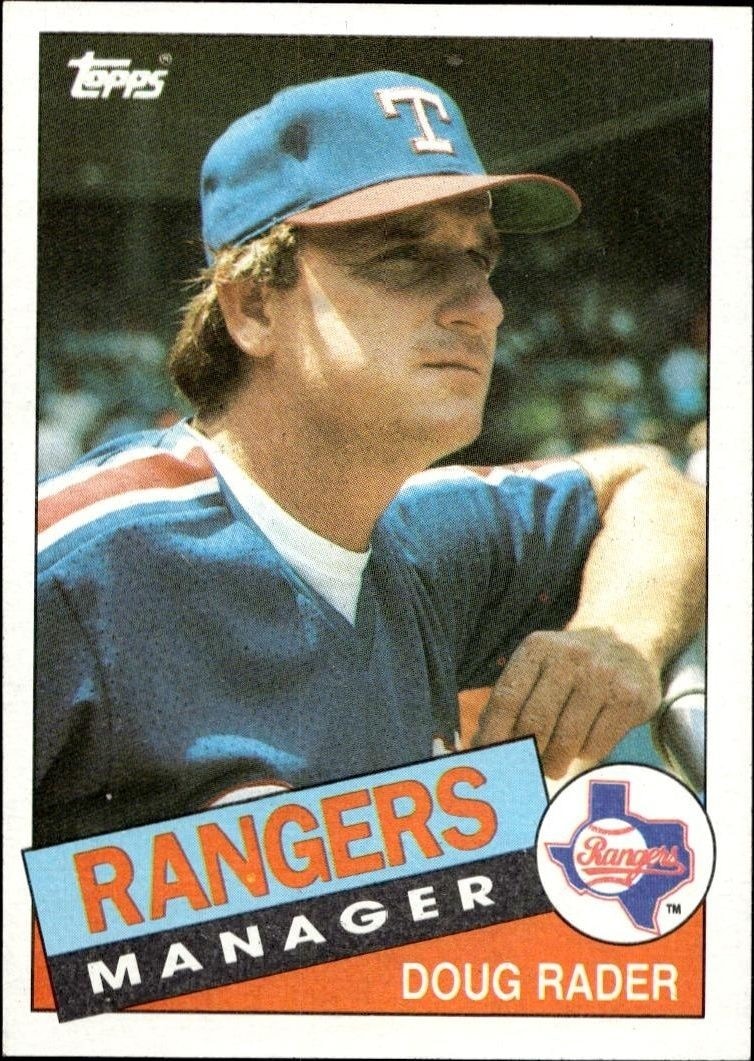

The 1983 Topps Traded Doug Rader #91T is a vintage baseball card featuring the Texas Rangers veteran, issued in the popular Traded series.
1983 • Topps • Traded
Major League Baseball • Texas Rangers
Near Mint
91T
New
Shipping Calculated at Checkout
Arrives in 5-7 daysEstimated delivery October 23, 2026 - October 25, 2026
Seller returns October 19, 2026.30-day Returns| Condition | Value | Source | Trend | Price Details |
|---|---|---|---|---|
$1.75 | Guide Estimate | |||
$64.00 | Guide Estimate | |||
$29.00 | Guide Estimate | |||
$49.02 | Guide Estimate | |||
$29.00 | Guide Estimate | |||
Raw / Ungraded
PriceCharting Price Guide · Guide Estimate evidence · captured Oct 16, 2026
History is building. At least two days of matching observations are needed to show a trend.
Each point is the last stored observation that day for this printing, condition, grader, autograph status and source. Gaps mean no observation; guide estimates and asking prices are not completed sales.The 1983 Topps Traded Doug Rader #91T stands as a definitive piece of vintage baseball memorabilia, capturing a specific moment in the career of the Texas Rangers veteran. Issued by Topps during a period when the Traded series was highly anticipated by collectors, this card offers a distinct alternative to the base set released earlier in the year. The Traded series was designed to highlight mid-season moves, trades, and rookies who joined teams after the initial print run, making cards like #91T particularly notable for their timely relevance to the 1983 MLB season. Doug Rader, a seasoned player with a strong presence in the major leagues, is featured on this card representing the Texas Rangers. For collectors focused on team history, this card provides a tangible link to Rader's tenure with the Rangers during the early 1980s. The Traded series cards are often sought after for their unique numbering system and the specific roster changes they document, adding a layer of historical context that base cards sometimes lack. Collecting the 1983 Topps Traded series allows enthusiasts to explore the dynamic nature of baseball rosters and the evolution of player teams during a pivotal decade. Cards from this set are valued not just for their visual appeal but for their role in documenting the sport's history. Whether you are building a comprehensive collection of Texas Rangers memorabilia or focusing on the broader Topps Traded set, the Doug Rader #91T card offers a meaningful addition to any hobbyist's shelf. Its enduring popularity among vintage collectors ensures that it remains a relevant and respected item in the marketplace for baseball card enthusiasts.
19 hours ago
We'll pre-fill the product details from this catalog entry, so your listing lands on this exact page. Just add photos of your copy, pick its condition, and set your price.
The catalog profile below summarizes the card identity, featured subject, and notable collectible traits.
The core identity of the card within the set.
The subject, team, league, and sport context tied to this card.
Production details and format-specific attributes.
Material
Card Stock
Language
English
Compare prices, grades, photos, and shipping from approved sellers.
New
Near Mint
See how many public collections currently include this card.
0 collectors have this card
This 1983 Topps Traded card of Doug Rader sits in an accessible entry-level price tier, reflecting his status as a veteran player rather than a rookie or active star. The lack of special attributes indicates it is a standard base parallel, trading at a modest premium typical for ungraded vintage baseball cards from this era. Its value is driven primarily by nostalgia and the Texas Rangers affiliation rather than high-end scarcity or condition rarity.
As a standard issue within the 1983 Topps Traded set, this card carries no serial numbering, short-print status, or unique parallel attributes that would constrain supply. It represents the broadest tier of availability within the product, meaning supply is limited only by the original print run and current preservation rates. Without special foil, autograph, or insert designations, it remains a common find for collectors assembling complete set runs.
Investment potential is modest, as this card lacks the rookie card premium or high-grade scarcity drivers that typically fuel significant appreciation in the vintage market. Collector demand is likely steady but niche, focused on those completing specific year or team sets rather than speculative growth. Long-term value stability relies on the overall health of the vintage baseball market rather than individual card mechanics.