



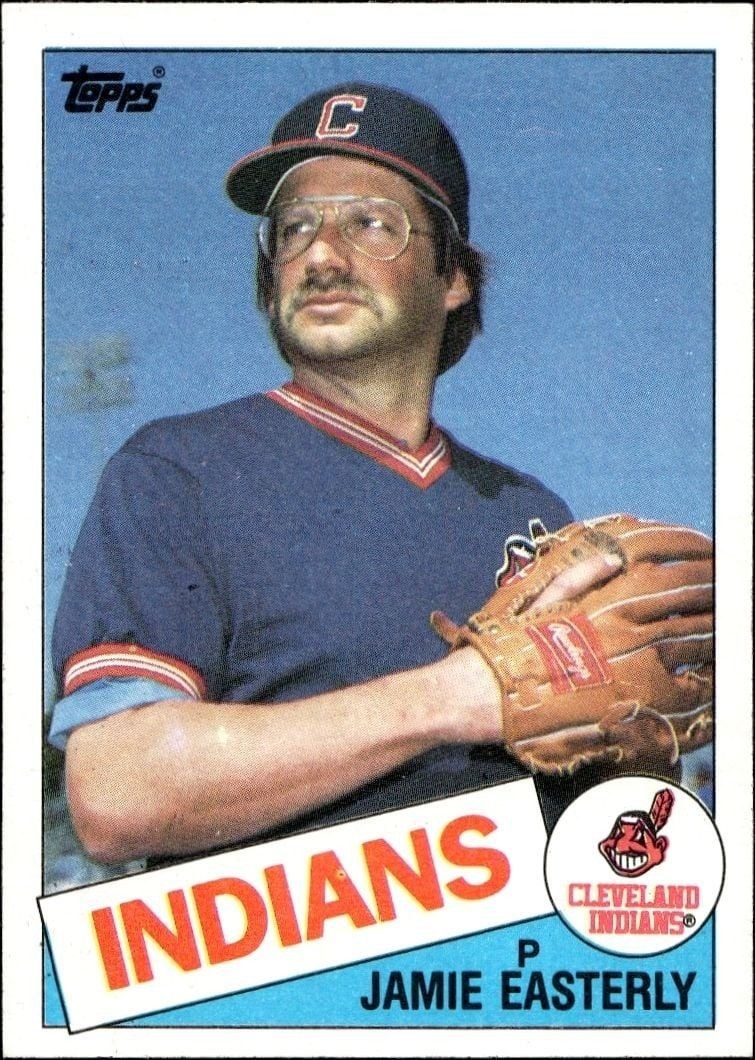

The 1983 Topps Traded Jamie Easterly #28T is a sought-after Cleveland Indians card from the iconic 1983 baseball season.
1983 • Topps • Traded
Major League Baseball • Cleveland Indians
Excellent
28T
New
Shipping Calculated at Checkout
Arrives in 5-7 daysEstimated delivery October 29, 2026 - October 31, 2026
30-day Returns| Condition | Value | Source | Trend | Price Details |
|---|---|---|---|---|
$1.59 | Guide Estimate | 0% | ||
$13.57 | Guide Estimate | 0% | ||
$15.00 | Guide Estimate | 0% | ||
$36.00 | Guide Estimate | 0% | ||
$11.00 | Guide Estimate | -35.3% | ||
$27.56 | Guide Estimate | 0% | ||
$17.00 | Guide Estimate | 0% | ||
Raw / Ungraded
PriceCharting Price Guide · Guide Estimate evidence · captured Oct 24, 2026
The 1983 Topps Traded Jamie Easterly #28T captures a specific moment in Cleveland Indians history during the 1983 MLB season. As part of the Topps Traded series, this card was released mid-year to feature new debuts and roster changes, making it a distinct segment of the broader 1983 Topps release. For collectors focused on Cleveland Indians memorabilia, this card represents a tangible piece of the team's lineup from that era. Jamie Easterly’s inclusion in this set highlights the dynamic nature of baseball rosters and the importance of traded series in completing full seasonal collections. The 1983 Topps brand remains a cornerstone for vintage baseball card enthusiasts, known for its standardized design and widespread distribution. Collectors often seek out the Traded subset to round out their 1983 collections, as these cards were produced in smaller quantities and distributed later in the year. Whether you are building a comprehensive Cleveland Indians team set or focusing on vintage Topps releases from the early 1980s, the 1983 Topps Traded Jamie Easterly #28T offers a valuable addition to any portfolio. The card’s enduring appeal lies in its connection to a specific team and season, making it a favorite among historians and enthusiasts of the game’s rich past. Investing in vintage sports cards requires attention to detail and a passion for the sport’s history. This card serves as a key component for those interested in the evolution of baseball card design and the players who defined the 1983 season. By acquiring this piece, collectors preserve a fragment of baseball heritage while adding a unique item to their collection.
3 days ago
We'll pre-fill the product details from this catalog entry, so your listing lands on this exact page. Just add photos of your copy, pick its condition, and set your price.
The catalog profile below summarizes the card identity, featured subject, and notable collectible traits.
The core identity of the card within the set.
The subject, team, league, and sport context tied to this card.
Production details and format-specific attributes.
Material
Card Stock
Language
English
Compare prices, grades, photos, and shipping from approved sellers.
New
Excellent
See how many public collections currently include this card.
0 collectors have this card
This 1983 Topps Traded card of Jamie Easterly represents a low-tier entry point within the broader vintage baseball market, reflecting his status as a journeyman player rather than a franchise cornerstone. The current pricing suggests minimal premium for condition or scarcity, indicating that demand is driven primarily by casual collectors filling specific team or set gaps rather than serious investment interest. Compared to contemporaneous rookie cards or star players from the same era, this issue trades significantly below average market value due to limited career longevity and recognition.
The card possesses no special scarcity attributes, such as short prints, serial numbering, or limited edition parallels, meaning it exists in a standard base distribution. Without unique production constraints or special foil treatments, the supply is determined solely by the original print run of the 1983 Topps Traded set, which is generally abundant in the secondary market. Consequently, the card relies entirely on its base status for availability, lacking the supply-side mechanics that typically drive premium valuations in vintage collecting.
As a non-rookie card from a mid-tier set, the investment potential is limited to niche team set completionists who specifically require a Cleveland Indians piece from this vintage. Collector demand is likely stagnant, with value driven by bulk acquisition rather than individual appreciation, making it suitable for portfolio diversification in low-cost vintage holdings rather than growth-oriented investment. The lack of special attributes or rookie status means it will likely track closely with general inflation in the hobby rather than outperforming broader market trends.