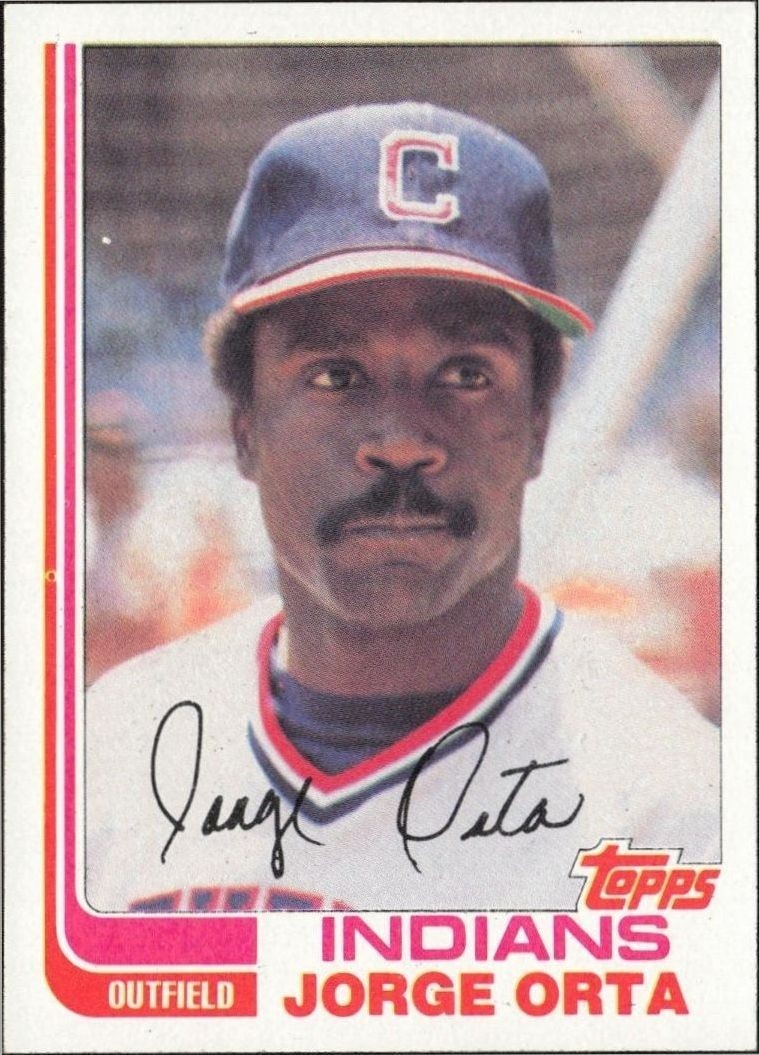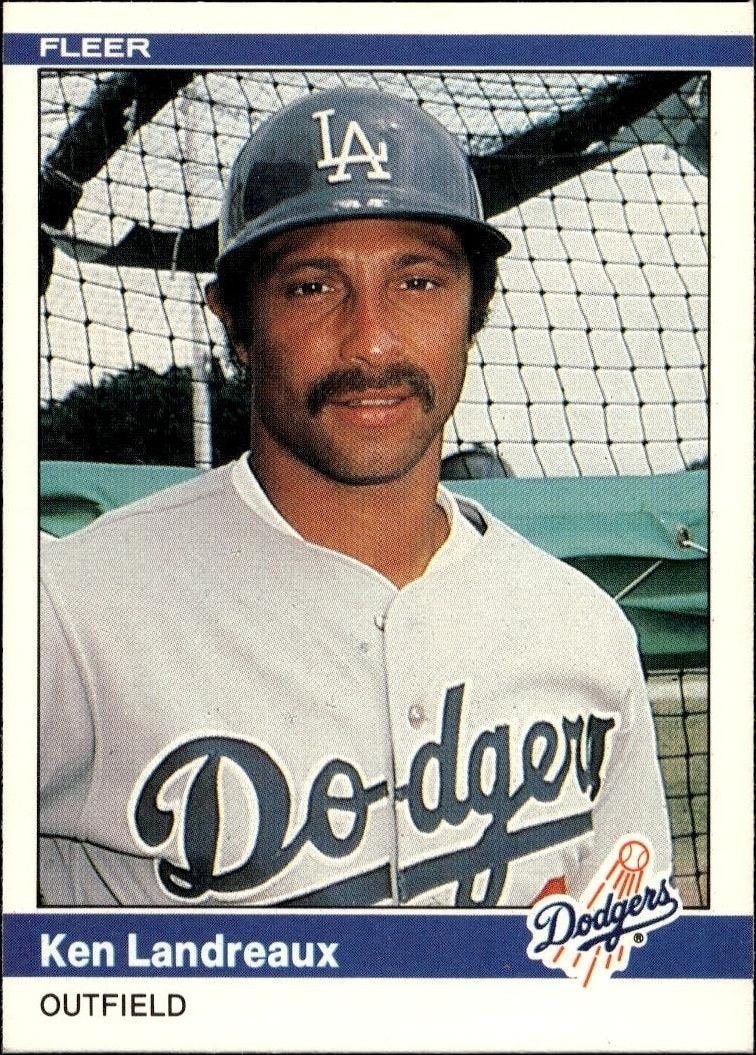









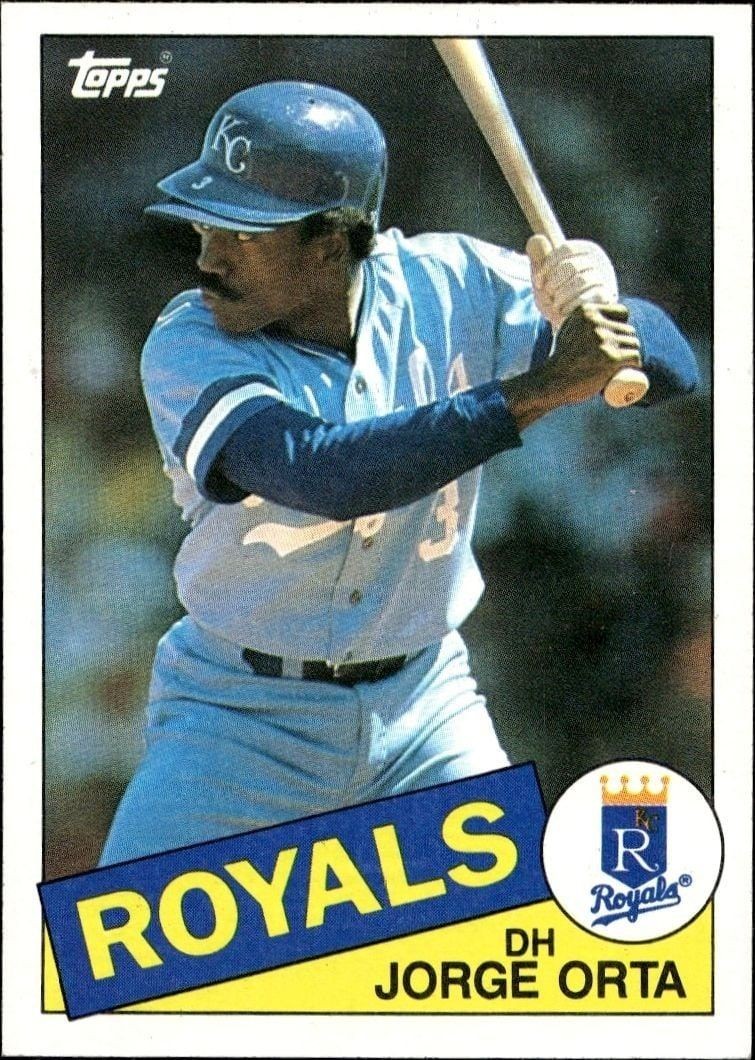
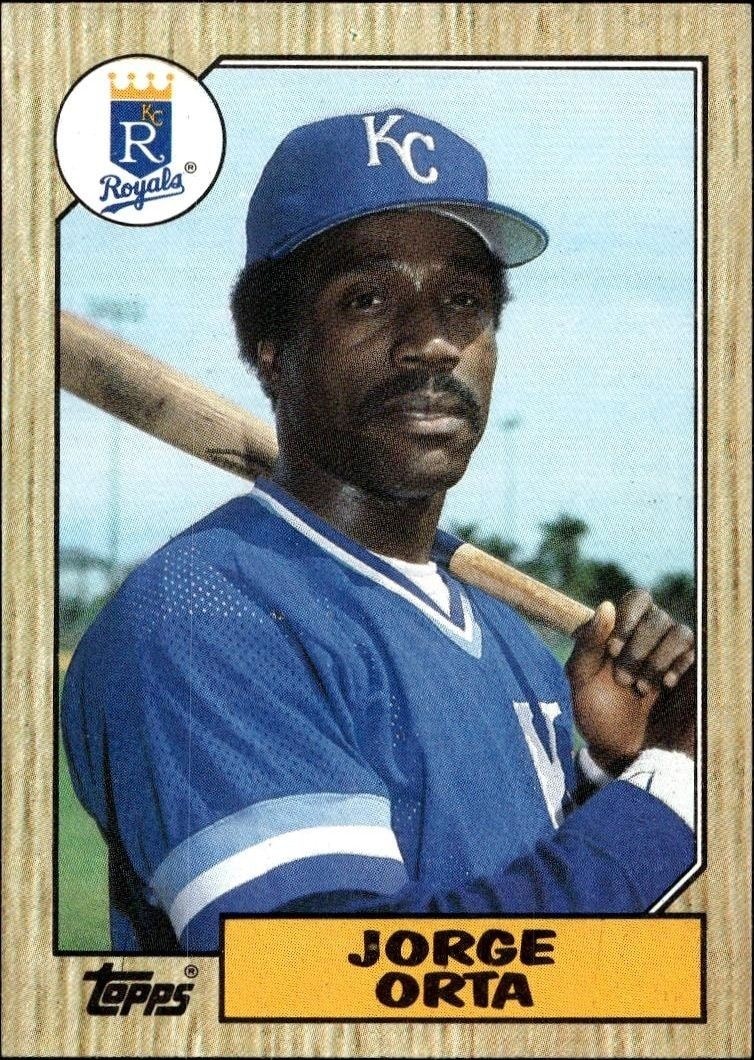
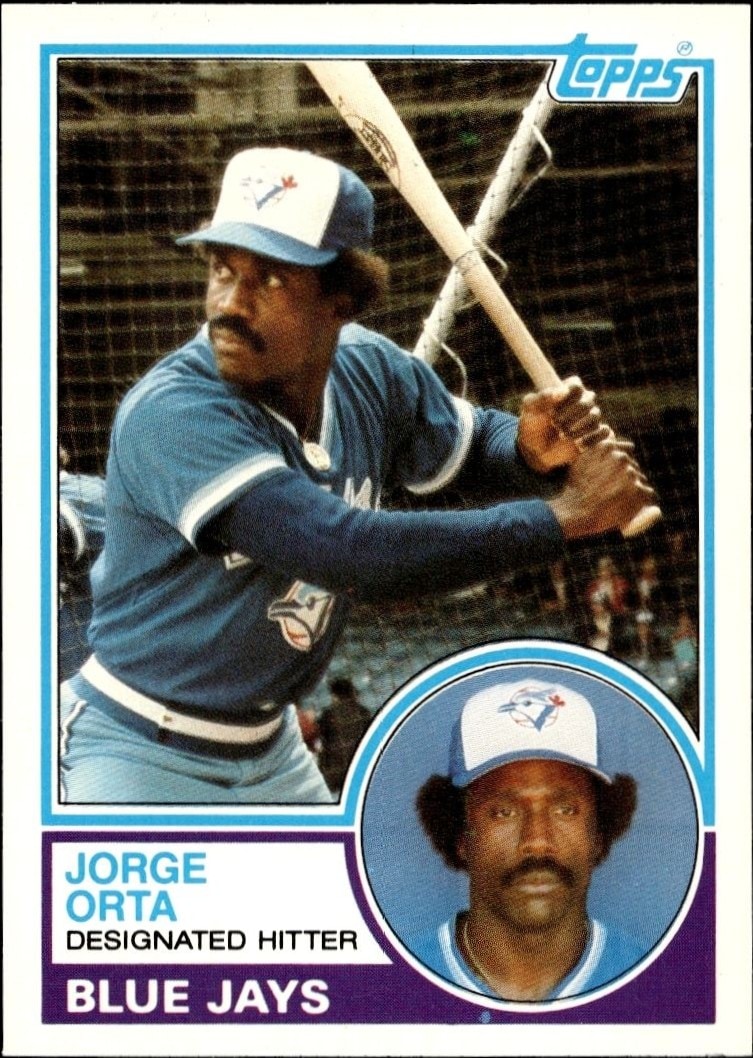
Explore the catalog listing for the 1984 Fleer Jorge Orta #166 baseball card, representing the Toronto Blue Jays era.
1984 • Fleer
Major League Baseball • Toronto Blue Jays
Excellent
166
New
Shipping Calculated at Checkout
Arrives in 4-6 daysEstimated delivery November 12, 2026 - November 14, 2026
30-day Returns| Condition | Value | Source | Trend | Price Details |
|---|---|---|---|---|
$0.99 | Asking Prices | 0% | ||
$40.00 | Guide Estimate | 0% | ||
$12.00 | Guide Estimate | -36.8% | ||
$31.00 | Guide Estimate | 0% | ||
$19.00 | Guide Estimate | 0% | ||
Raw / Ungraded
eBay Active Listings · Asking Prices evidence · captured Nov 3, 2026
The 1984 Fleer Jorge Orta #166 card stands as a notable entry in the history of vintage baseball collecting. Fleer re-entered the sports trading card market in the early 1980s, producing a set that is highly regarded by enthusiasts for its retro design and comprehensive coverage of the league. This release features Jorge Orta during his tenure with the Toronto Blue Jays, offering collectors a tangible connection to the franchise's development during that period. For hobbyists focused on team sets, this card is an essential component for anyone completing a full run of the 1984 Fleer baseball collection. The card number 166 places it firmly within the base set, allowing collectors to track down specific roster entries from that season. The identity of the player, combined with the team affiliation, makes this a targeted acquisition for Blue Jays memorabilia hunters or those building comprehensive career sets for Orta. Whether you are looking to fill a gap in your personal archive or acquire a piece of baseball history, this catalog entry represents the standard reference for this product. It serves as a fundamental building block for serious collectors who value the integrity of original releases from the Fleer brand.
6 days ago
We'll pre-fill the product details from this catalog entry, so your listing lands on this exact page. Just add photos of your copy, pick its condition, and set your price.
The catalog profile below summarizes the card identity, featured subject, and notable collectible traits.
The subject, team, league, and sport context tied to this card.
Production details and format-specific attributes.
Material
Card Stock
Language
English
Compare prices, grades, photos, and shipping from approved sellers.
New
Excellent
See how many public collections currently include this card.
0 collectors have this card
FAQ
No, the 1984 Fleer Jorge Orta #166 is not a rookie card. Jorge Orta made his MLB debut in 1973, long before this 1984 release.
This card features Jorge Orta while he was a member of the Toronto Blue Jays, as indicated by the team designation on the 1984 Fleer set.
The 1984 Fleer baseball set is popular among collectors for its retro design style and for marking Fleer's return to the sports card market after a long hiatus.
This 1984 Fleer card represents a foundational entry for Jorge Orta, capturing his tenure with the Toronto Blue Jays during a formative era for the franchise. As a standard base card from a vintage brand, it trades at a modest price tier relative to his more specialized or high-end variations. The current market reflects its status as an accessible piece for collectors focusing on early Blue Jays history rather than premium investment assets.
The card is identified as a standard base issue without any noted special attributes such as serial numbering, short-print designation, or parallel finishes. Consequently, it carries the highest supply level within the Fleer 1984 set, lacking the scarcity mechanics that typically drive value appreciation. Its availability is determined solely by the general print run of the base set rather than limited edition constraints.
As a non-rookie card from the mid-1980s, this item does not benefit from the rookie-card premium mechanics that typically drive long-term value growth. Collector demand is likely driven by nostalgia for the early Blue Jays era and the completionist needs of vintage set builders. While it serves as a stable, low-cost component for a complete set, it lacks the specific scarcity or player trajectory indicators that suggest significant market outperformance.