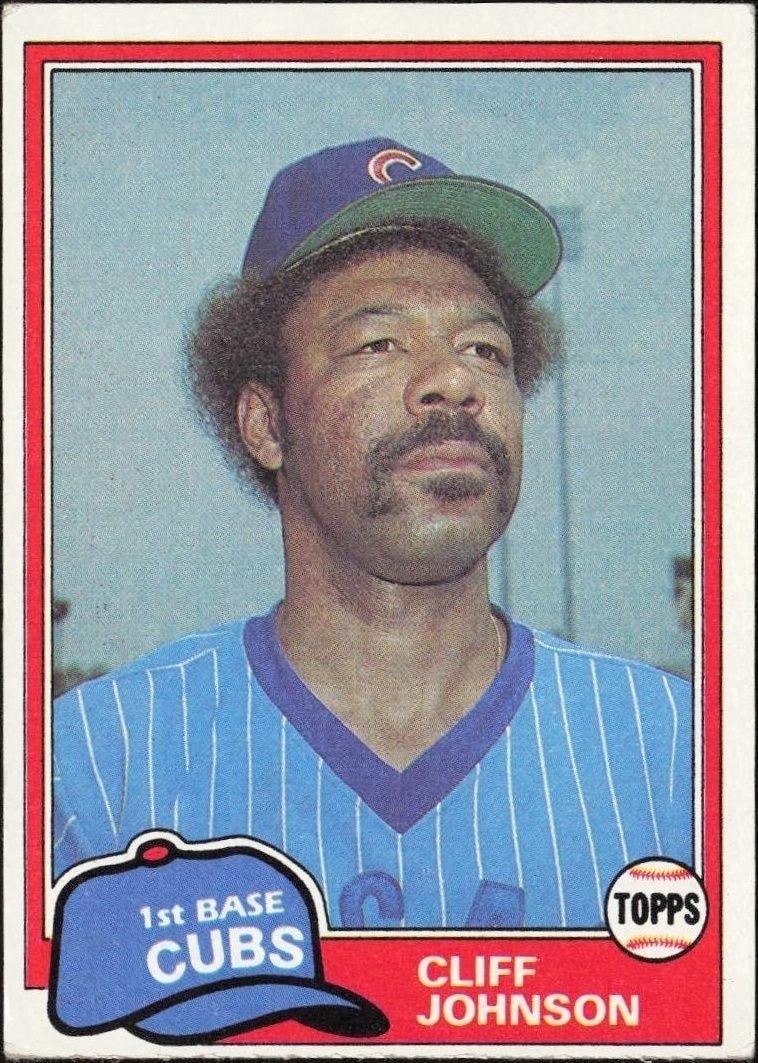






The 1985 Topps Cliff Johnson #4 card captures the Toronto Blue Jays second baseman during a pivotal era in franchise history, offering a tangible link to 1980s baseball collecting.
1985 • Topps
Major League Baseball • Toronto Blue Jays
Excellent
4
New
Shipping Calculated at Checkout
This seller is away until 10/19/2026 — orders are still accepted and ship after they return.30-day Returns| Condition | Value | Source | Trend | Price Details |
|---|---|---|---|---|
$1.40 | Guide Estimate | -1.4% | ||
$1.49As of 9/22/2026 | Completed Sales | |||
$10.85 | Guide Estimate | -0.3% | ||
$20.09 | Guide Estimate | +1.8% | ||
$43.51 | Guide Estimate | -0.2% | ||
$153.00 | Guide Estimate | 0% | ||
$70.00 | Guide Estimate | -1.4% | ||
$117.48 | Guide Estimate | -0.3% | ||
$70.00 | Guide Estimate | -1.4% | ||
Raw / Ungraded
PriceCharting Price Guide · Guide Estimate evidence · captured Oct 16, 2026
The 1985 Topps Cliff Johnson #4 baseball card serves as a definitive entry point for enthusiasts exploring vintage sports memorabilia from the mid-1980s. As card number four in the iconic Topps baseball series, this release features Cliff Johnson, who served as the primary second baseman for the Toronto Blue Jays during this period. Johnson’s presence on the roster provided stability at a critical position, making his card a staple for those tracking the development of the Blue Jays franchise during its formative years. This card highlights Johnson in his official Blue Jays uniform, representing the team as it transitioned into a competitive force in Major League Baseball. For investors and hobbyists alike, the 1985 Topps Cliff Johnson #4 card offers a chance to own a piece of baseball history that is both accessible and historically significant. Whether you are assembling a complete set of 1985 Topps cards or seeking specific players from the Toronto Blue Jays roster, this card represents a valuable addition to any collection. The enduring popularity of the Topps brand ensures that cards from this year remain highly sought after by collectors who appreciate the nostalgia and craftsmanship of 1980s baseball card design. Exploring the 1985 Topps Cliff Johnson #4 card allows collectors to delve into the rich tapestry of MLB history, connecting with the athletes and teams that shaped the sport during this dynamic decade.
16 hours ago
We'll pre-fill the product details from this catalog entry, so your listing lands on this exact page. Just add photos of your copy, pick its condition, and set your price.
The catalog profile below summarizes the card identity, featured subject, and notable collectible traits.
The subject, team, league, and sport context tied to this card.
Production details and format-specific attributes.
Material
Card Stock
Language
English
Compare prices, grades, photos, and shipping from approved sellers.
New
Excellent
See how many public collections currently include this card.
0 collectors have this card
This 1985 Topps card represents the baseline market tier for Cliff Johnson, reflecting its status as a standard base card from a mass-produced set. While the active listing indicates limited current liquidity, the valuation is consistent with entry-level inventory for players who were not primary stars on their respective teams. It trades at a modest level compared to specialty parallels or rookie variations, serving as an affordable entry point for collectors focusing on Blue Jays history.
The card possesses no special scarcity attributes, meaning it is a standard base issue with a large total supply. Without serial numbering, short-print status, or parallel finishes, the availability is unrestricted by manufacturing constraints. This lack of differentiating features places it in the most common tier of the 1985 Topps set, where supply far exceeds niche collector demand.
As a non-rookie card from a major brand, this item lacks the premium mechanics typically associated with long-term appreciation. Demand is likely driven by specific set completionists or fans of the Toronto Blue Jays rather than broader market speculation. Investors should view this as a low-risk acquisition for filling gaps in a collection rather than a vehicle for significant capital growth.