



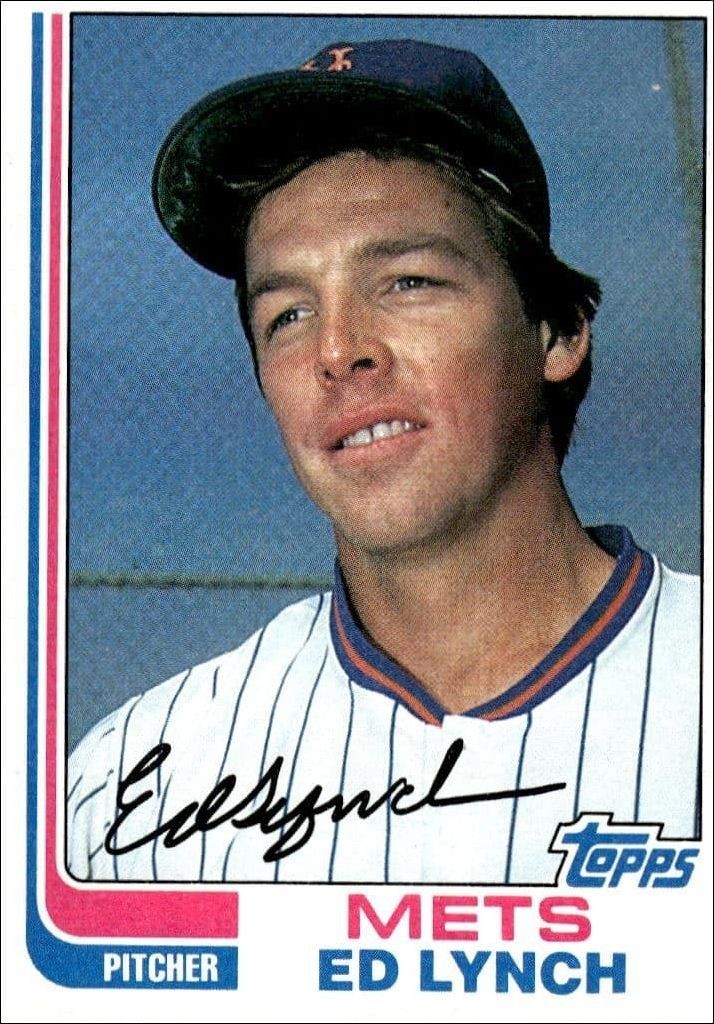


The 1985 Topps Ed Lynch #467 baseball card features the New York Mets player in a standard vintage design. This release is a key piece for collectors focused on 1980s baseball history.
1985 • Topps
Major League Baseball • New York Mets
Excellent
467
New
Shipping Calculated at Checkout
Arrives in 5-7 daysEstimated delivery October 23, 2026 - October 25, 2026
Seller returns October 19, 2026.30-day Returns| Condition | Value | Source | Trend | Price Details |
|---|---|---|---|---|
$1.49 | Guide Estimate | 0% | ||
$3.00 | Guide Estimate | 0% | ||
$3.29 | Guide Estimate | -0.3% | ||
$30.00 | Guide Estimate | 0% | ||
$33.00 | Guide Estimate | 0% | ||
$70.00 | Guide Estimate | 0% | ||
$32.00 | Guide Estimate | 0% | ||
$54.00 | Guide Estimate | 0% | ||
$32.00 | Guide Estimate | 0% | ||
Raw / Ungraded
PriceCharting Price Guide · Guide Estimate evidence · captured Oct 9, 2026
The 1985 Topps Ed Lynch #467 baseball card represents a specific moment in mid-80s sports memorabilia. As part of the extensive 1985 Topps set, this card identifies the player by his team affiliation at the time, providing a snapshot of the New York Mets roster during that season. Collectors often seek out individual cards from this era to understand the visual style and player distribution of Topps releases from the 1980s. Ed Lynch appeared on card number 467 in the base set, a position that places it within the latter half of the checklist. For those building comprehensive collections of 1985 Topps baseball cards, this entry is a necessary component. The card serves as a catalog reference for the player's tenure with the Mets, allowing hobbyists to track roster changes and team compositions from that specific year without relying on performance metrics or later career achievements. Vintage sports cards from 1985 remain popular among enthusiasts who appreciate the historical context of the sport. The 1985 Topps brand is recognized for its distinct design language of the period, making cards like #467 valuable for their archival role. Whether you are looking to complete a team set or add a specific player to your collection, this card offers a direct connection to the 1985 baseball season. The focus remains on the card's identity as a 1985 Topps issue, highlighting its role in the broader landscape of sports card collecting.
19 hours ago
We'll pre-fill the product details from this catalog entry, so your listing lands on this exact page. Just add photos of your copy, pick its condition, and set your price.
The catalog profile below summarizes the card identity, featured subject, and notable collectible traits.
The subject, team, league, and sport context tied to this card.
Production details and format-specific attributes.
Material
Card Stock
Language
English
Compare prices, grades, photos, and shipping from approved sellers.
New
Excellent
See how many public collections currently include this card.
0 collectors have this card
This 1985 Topps card of Ed Lynch represents a low-tier entry point within the broader Mets and baseball collectibles market, reflecting his status as a backup player rather than a primary star. The current valuation indicates it trades well below the premium commanded by franchise icons or rookie cards from the same era. Consequently, it serves primarily as a budget-friendly component for team-specific sets rather than a standalone investment vehicle.
As a standard base card from the 1985 Topps set, this item carries no special scarcity mechanics such as serial numbering, short-print status, or parallel variations. Supply is effectively unlimited relative to collector demand, as the base set was produced in high volumes for mass distribution. The absence of unique attributes means its scarcity is defined solely by the general availability of vintage mass-market baseball cards.
Investment potential is limited due to the lack of rookie card designation and the player's secondary role on the New York Mets roster. Collector demand for this specific item is driven almost entirely by the need to complete basic team sets rather than speculative growth. Long-term value stability is likely, but significant appreciation is improbable given the saturated supply of common vintage baseball cards.