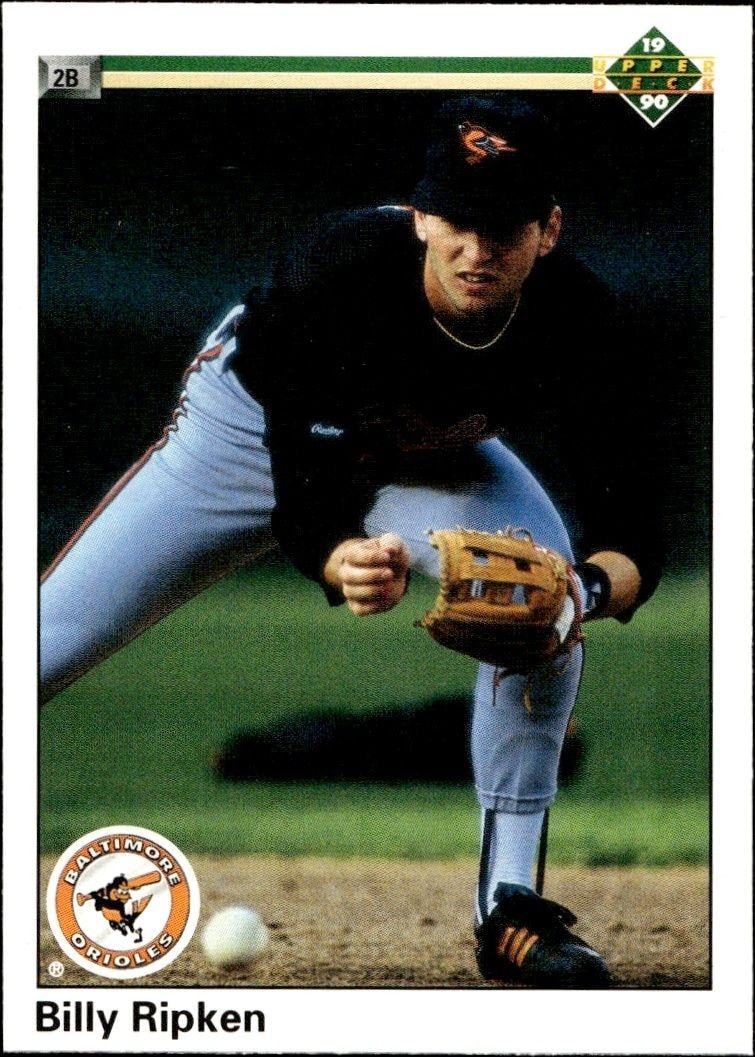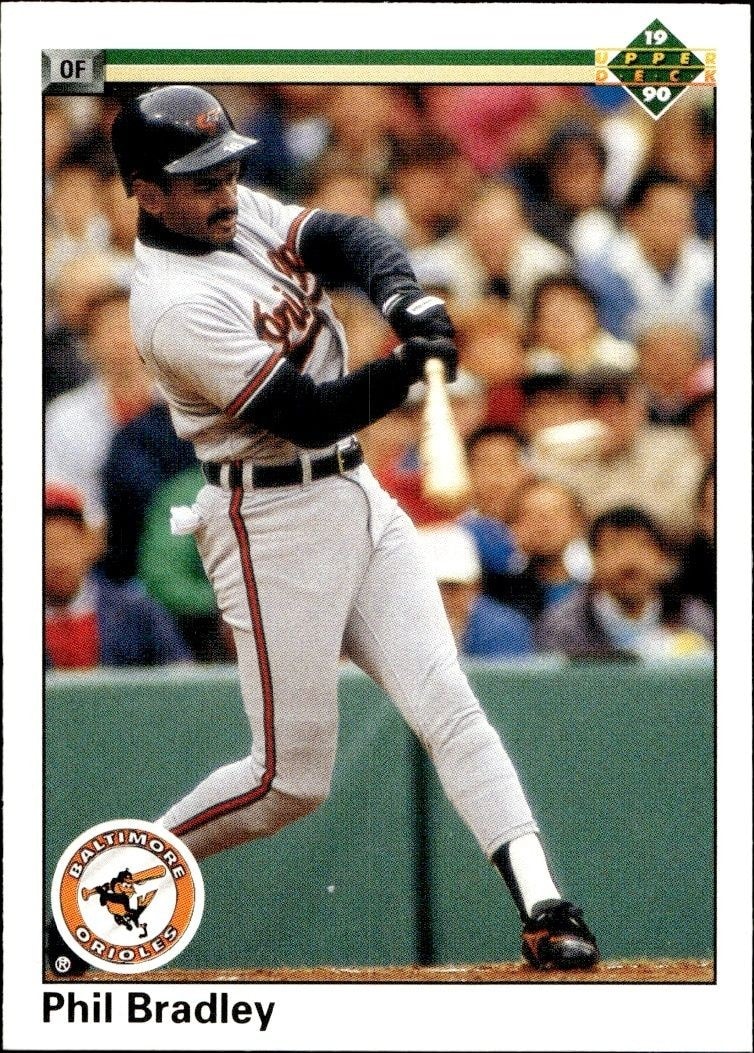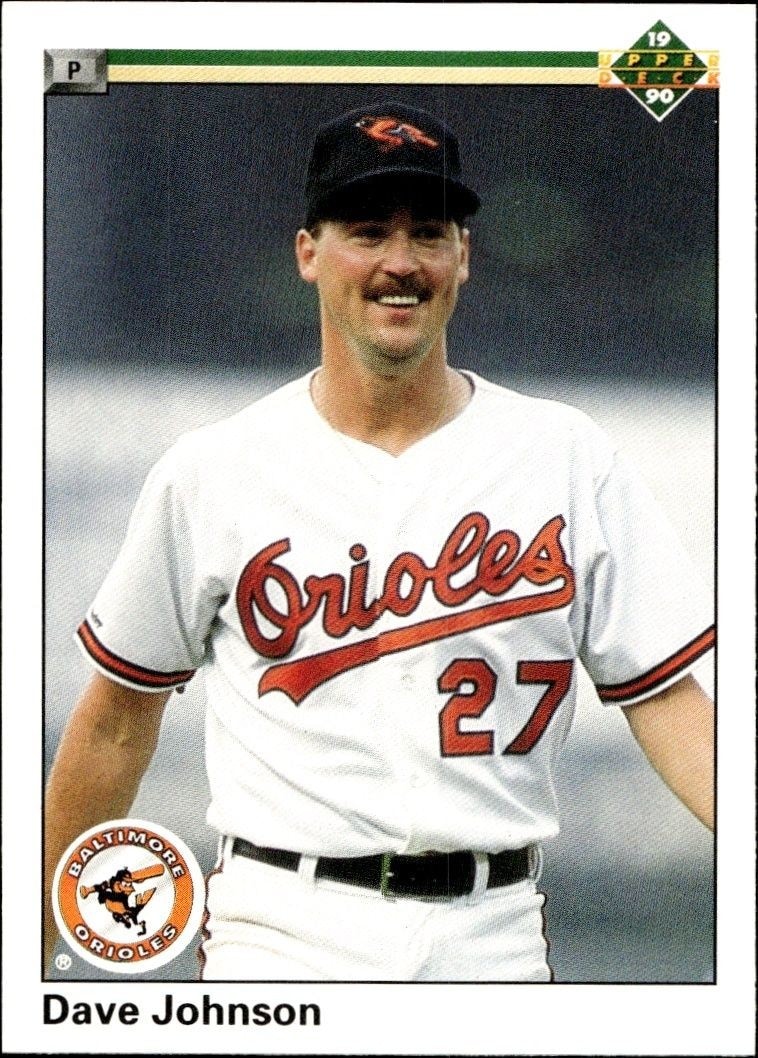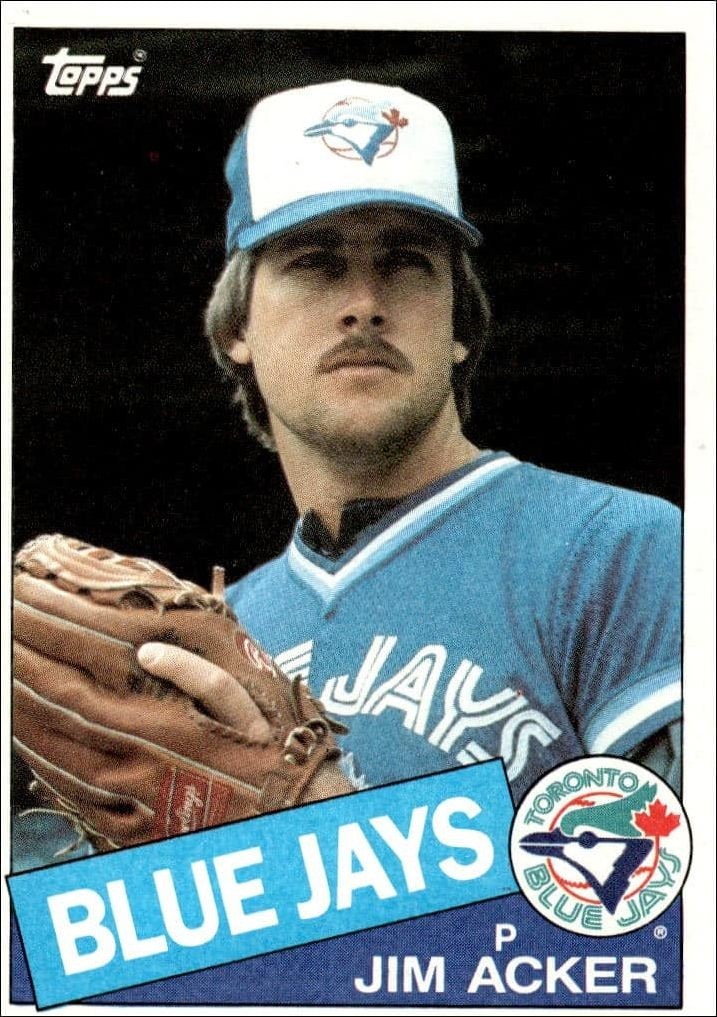





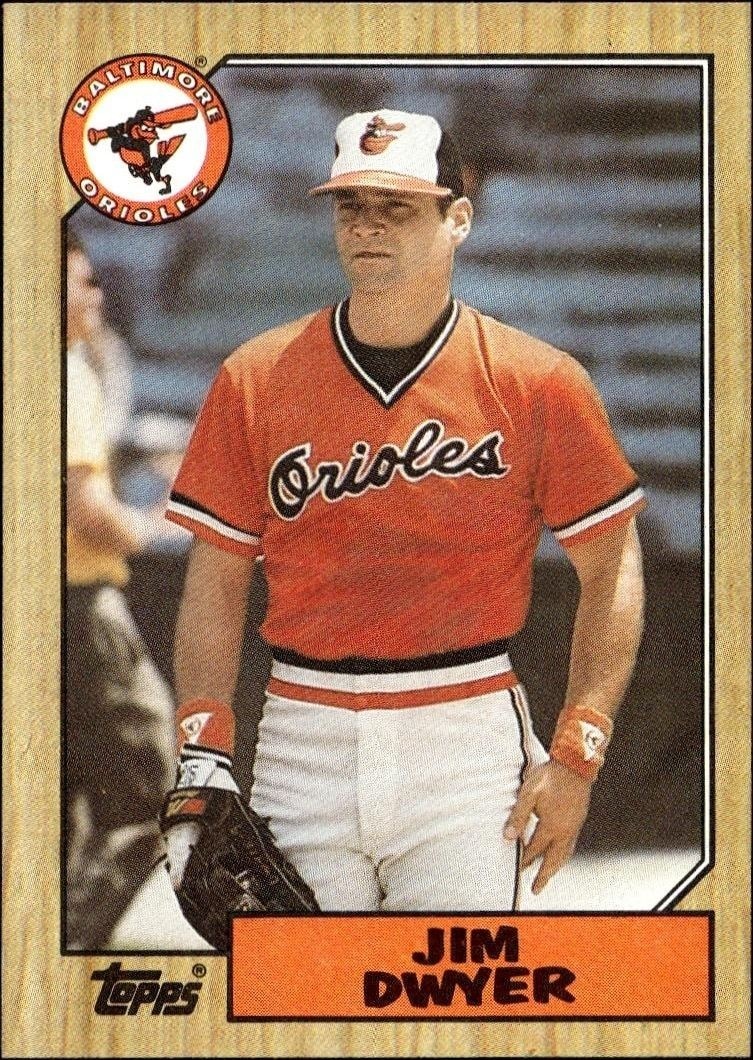
The 1985 Topps Jim Dwyer #56 card features the Baltimore Orioles player in a standard release from one of baseball's most iconic trading card brands.
1985 • Topps
Major League Baseball • Baltimore Orioles
Excellent
56
New
Shipping Calculated at Checkout
Arrives in 5-7 daysEstimated delivery October 29, 2026 - October 31, 2026
30-day Returns| Condition | Value | Source | Trend | Price Details |
|---|---|---|---|---|
$1.49 | Guide Estimate | |||
$6.99 | Guide Estimate | |||
$12.00 | Guide Estimate | |||
$44.84 | Guide Estimate | |||
$741.00 | Guide Estimate | |||
$342.00 | Guide Estimate | |||
$570.00 | Guide Estimate | |||
$342.00 | Guide Estimate | |||
Raw / Ungraded
PriceCharting Price Guide · Guide Estimate evidence · captured Oct 18, 2026
History is building. At least two days of matching observations are needed to show a trend.
Each point is the last stored observation that day for this printing, condition, grader, autograph status and source. Gaps mean no observation; guide estimates and asking prices are not completed sales.The 1985 Topps Jim Dwyer #56 card represents a specific entry in one of the most recognizable sets in sports trading card history. Released during a period when Topps dominated the market, this card captures Jim Dwyer during his tenure with the Baltimore Orioles. For collectors focusing on vintage baseball, the 1985 Topps set offers a consistent design language that defines the mid-80s aesthetic, making it a staple for those building comprehensive collections of the era. Jim Dwyer’s appearance on card #56 provides a tangible connection to his time on the Orioles roster. While he may not be the most high-profile name on the team, his inclusion adds depth to sets dedicated to Baltimore Orioles players or those tracking the careers of journeyman MLB athletes from this period. The 1985 Topps brand is widely respected for its durability and consistent printing quality, ensuring that these cards remain a reliable component of any vintage collection. Whether you are a serious investor in vintage sports memorabilia or a casual fan looking to complete a set of 1980s baseball cards, the Jim Dwyer #56 card offers a straightforward and authentic piece of baseball history. The 1985 Topps series continues to hold a significant place in the hobby, and this card serves as an essential entry for enthusiasts of the Baltimore Orioles and the broader MLB landscape of the mid-1980s.
3 days ago
We'll pre-fill the product details from this catalog entry, so your listing lands on this exact page. Just add photos of your copy, pick its condition, and set your price.
The catalog profile below summarizes the card identity, featured subject, and notable collectible traits.
The subject, team, league, and sport context tied to this card.
Production details and format-specific attributes.
Material
Card Stock
Language
English
Compare prices, grades, photos, and shipping from approved sellers.
New
Excellent
See how many public collections currently include this card.
0 collectors have this card
This 1985 Topps Jim Dwyer card trades at a modest entry-level price point, reflecting its status as a common base card from a standard production run rather than a high-tier investment piece. While it offers affordable access to a Baltimore Orioles player, its value is constrained by the sheer volume of similar ungraded cards available in the secondary market. The current listing activity suggests a liquid but low-premium market where condition variances have not yet significantly elevated the asking price above the baseline.
As a standard base card with no noted special attributes, this item carries no inherent scarcity mechanics such as serial numbering, short-print designations, or parallel finishes. The supply is effectively unlimited relative to collector demand, meaning it does not benefit from the limited-edition premiums seen in insert or parallel subsets. Consequently, its rarity profile is entirely dependent on physical preservation, as no production constraints exist to artificially restrict the available population.
The card lacks rookie-card status or unique set positioning, which limits its potential for significant appreciation driven by player career milestones or scarcity mechanics. Demand is likely driven primarily by vintage collection completists or specific Orioles memorabilia seekers rather than broad market speculation. Without special parallel variations or serial numbers to cap supply, the long-term value trajectory remains stable but modest, relying on general vintage market sentiment rather than intrinsic card-specific drivers.