





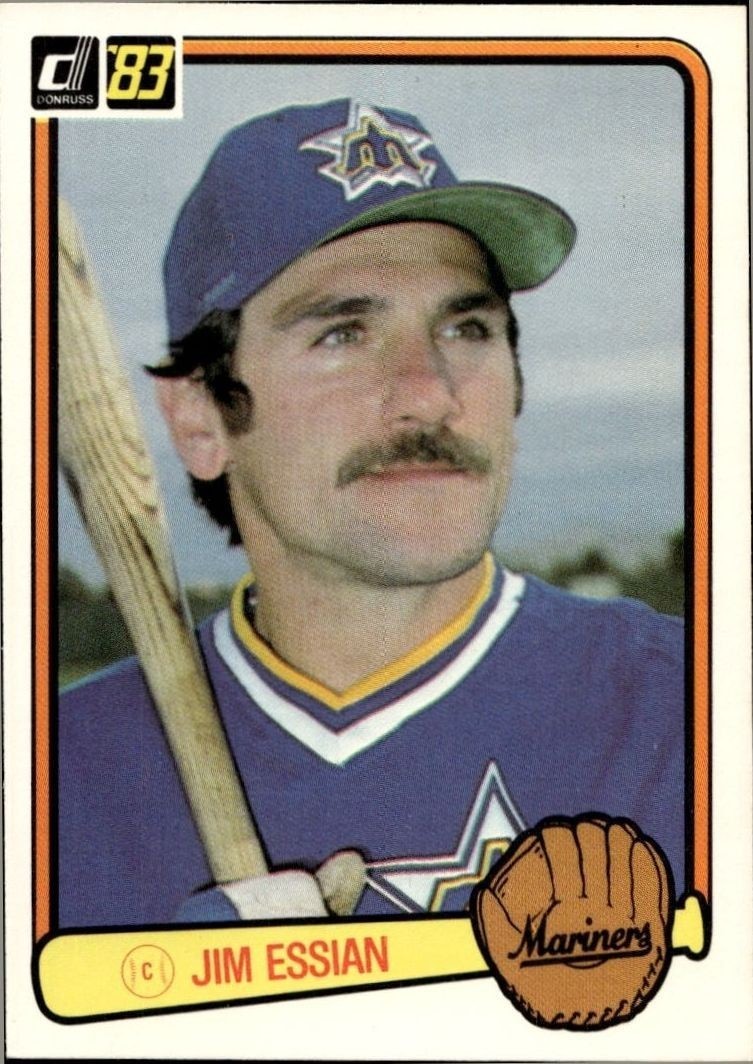
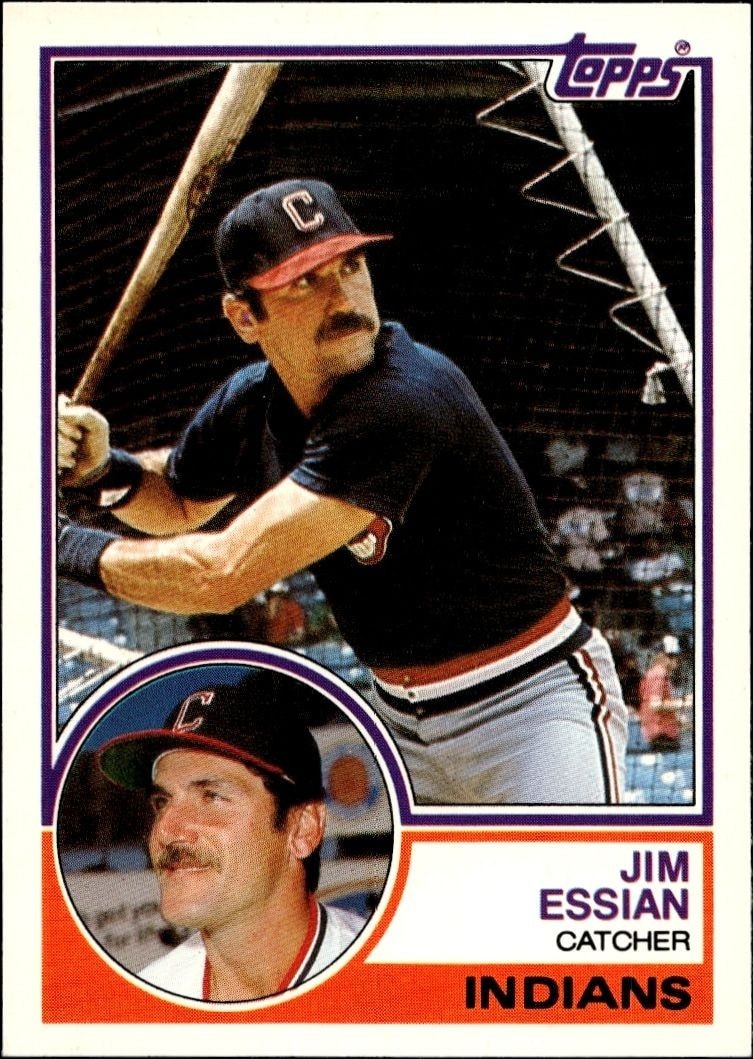
Discover the 1985 Topps Jim Essian #472 baseball card, featuring the Oakland Athletics player in this classic vintage issue.
1985 • Topps
Major League Baseball • Oakland Athletics
Excellent
472
New
Shipping Calculated at Checkout
Arrives in 5-7 daysEstimated delivery October 14, 2026 - October 16, 2026
30-day Returns| Condition | Value | Source | Trend | Price Details |
|---|---|---|---|---|
$1.78 | Guide Estimate | +0.6% | ||
$19.99 | Guide Estimate | 0% | ||
$22.00 | Guide Estimate | 0% | ||
$113.00 | Guide Estimate | 0% | ||
$52.00 | Guide Estimate | 0% | ||
$87.00 | Guide Estimate | 0% | ||
$52.00 | Guide Estimate | 0% | ||
Raw / Ungraded
PriceCharting Price Guide · Guide Estimate evidence · captured Oct 3, 2026
The 1985 Topps Jim Essian #472 baseball card represents a distinct snapshot of vintage sports memorabilia from the mid-80s era. As part of the renowned Topps brand, this release is a staple for enthusiasts who appreciate the foundational design language that defined baseball card collecting during that period. The card features Jim Essian, identified with the Oakland Athletics, offering collectors a tangible connection to the team's roster history. For dedicated collectors, this product serves as a key component for completing the broader 1985 Topps set. The catalog number 472 provides a specific reference point for organization and tracking within collections. While the visual presentation relies on the standard Topps aesthetic of the time, the primary value for many lies in the subject and the brand's historical significance in the hobby. Collecting vintage cards from the 1985 season appeals to those interested in the evolution of sports card design and player rosters from that specific year. Jim Essian's appearance on this card marks his presence within the Oakland Athletics lineup, making it a relevant piece for team-focused collectors or those tracking player career paths. The enduring popularity of Topps releases ensures that this card remains a recognizable and sought-after item for those looking to add a piece of baseball history to their inventory. Whether you are hunting for a specific player, team, or simply the iconic 1985 Topps brand, this card offers a clear and direct entry point into that segment of the hobby. It stands as a representative example of the mass-produced collectibles that built the modern trading card market, providing context and continuity for collectors who value the heritage of the sport.
5 days ago
We'll pre-fill the product details from this catalog entry, so your listing lands on this exact page. Just add photos of your copy, pick its condition, and set your price.
The catalog profile below summarizes the card identity, featured subject, and notable collectible traits.
The subject, team, league, and sport context tied to this card.
Production details and format-specific attributes.
Material
Card Stock
Language
English
Compare prices, grades, photos, and shipping from approved sellers.
New
Excellent
See how many public collections currently include this card.
0 collectors have this card
This 1985 Topps Jim Essian card represents a foundational entry into the vintage baseball market, trading at a modest price tier typical for non-star players from this era. While it lacks the premium valuation associated with rookie cards of Hall of Famers, its condition and authenticity place it within the accessible range for collectors focusing on team-specific or era-based sets. The single active listing suggests a stable but low-liquidity market, indicating that price discovery relies on niche demand rather than broad speculation.
As a standard base card from the 1985 Topps set, this item does not carry specific scarcity mechanics such as serial numbering, short prints, or parallel variants. Its availability is driven by the original print run's volume, meaning supply is relatively abundant compared to limited-edition parallels or inserts. The lack of special attributes positions it as a common component of the set, where rarity is determined more by condition survival than by intentional production constraints.
Investment potential is modest, as the card lacks a rookie-card premium or unique collector demand drivers inherent to star players. Value appreciation is likely tied to broader vintage baseball trends and the general collectibility of the 1985 Topps set rather than individual player performance metrics. Collectors may acquire this card for completionist purposes, but it does not exhibit the high-growth characteristics seen in graded rookie cards or limited-serial parallels.