





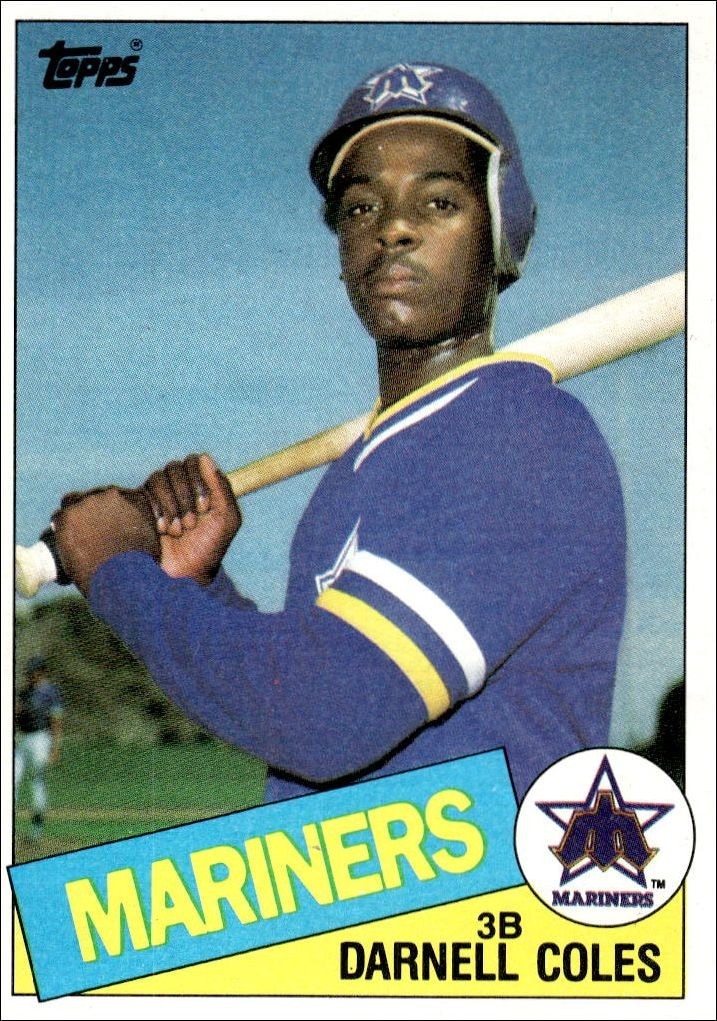
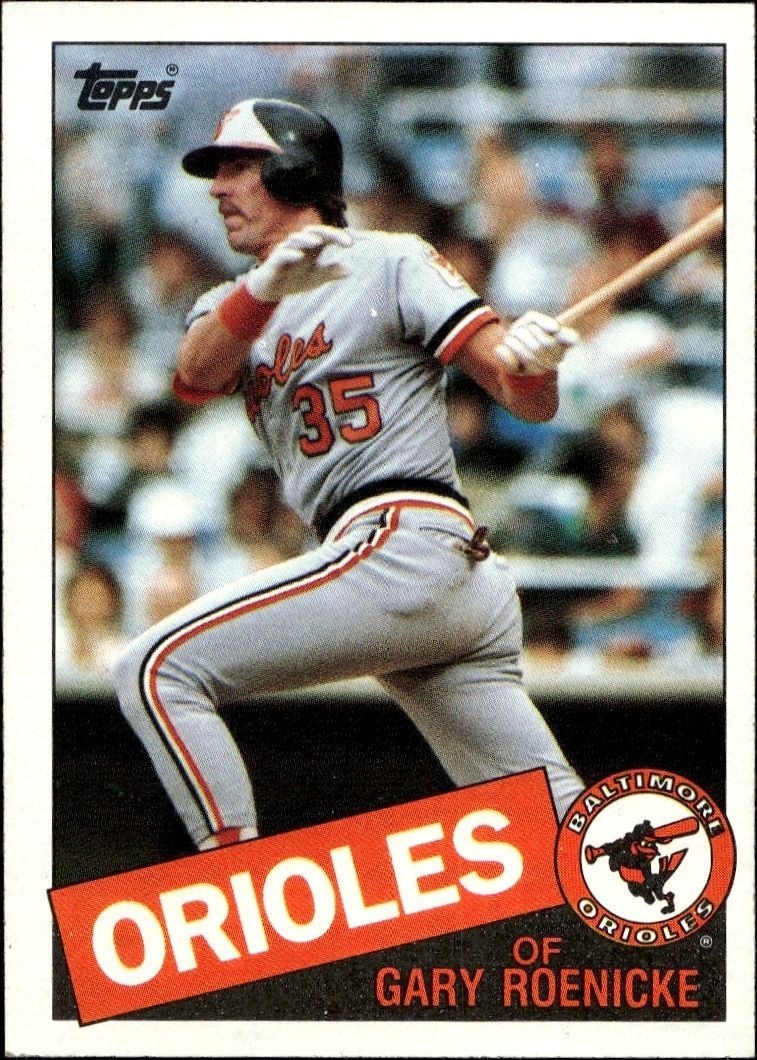

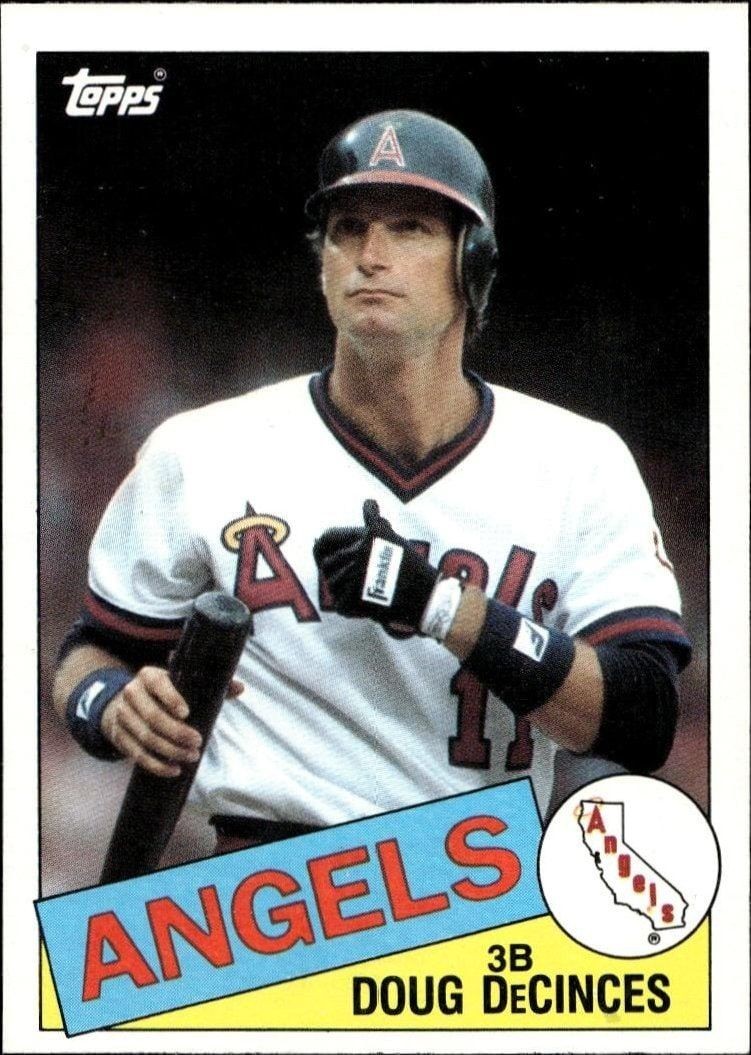


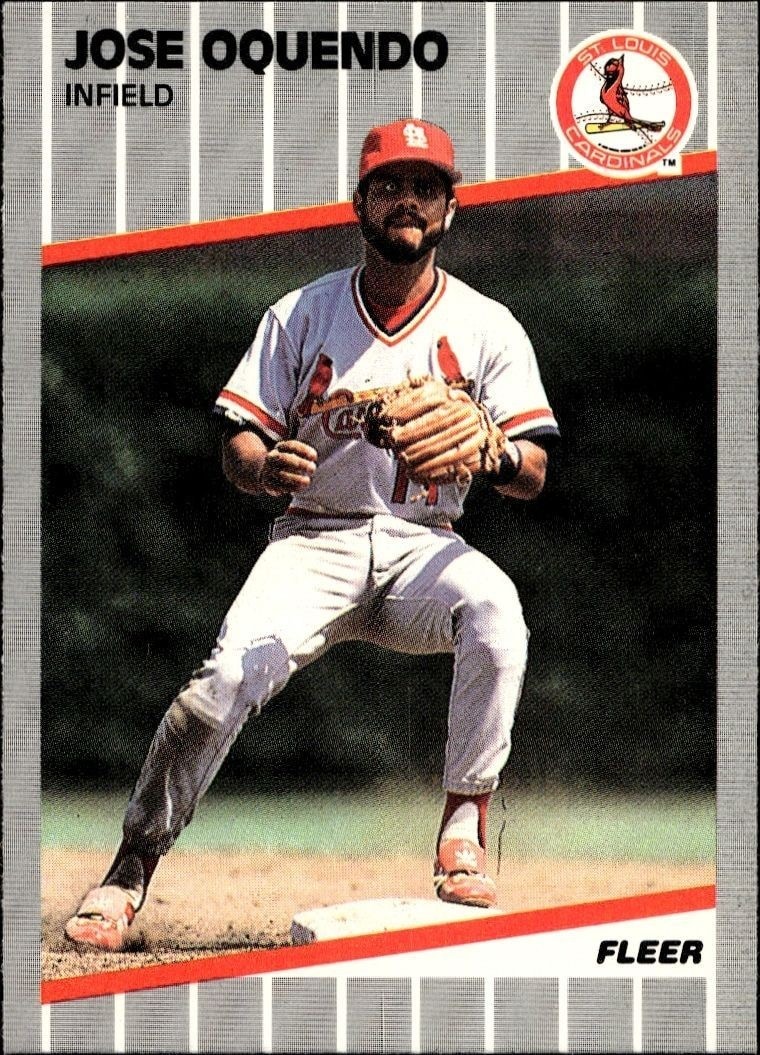
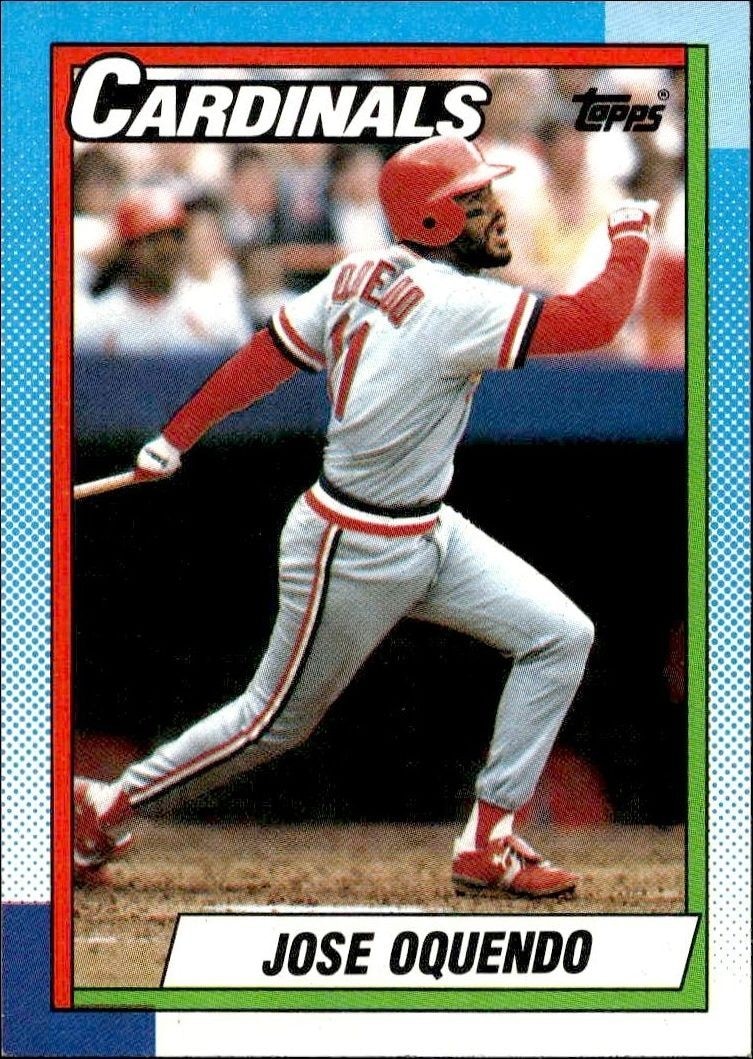
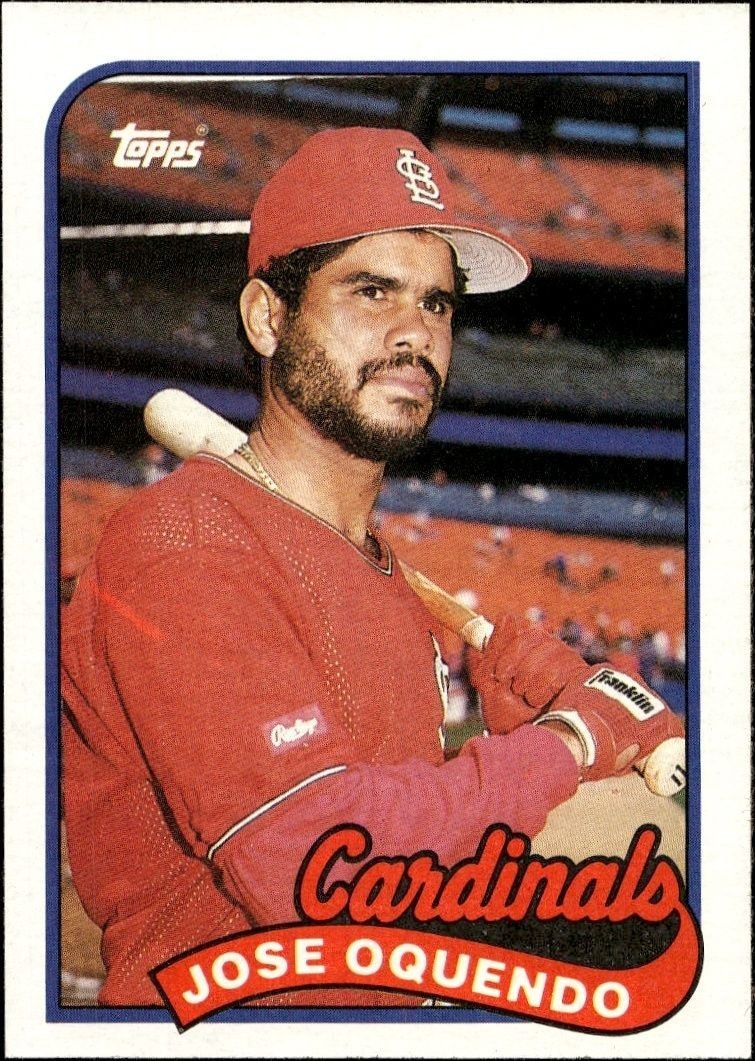
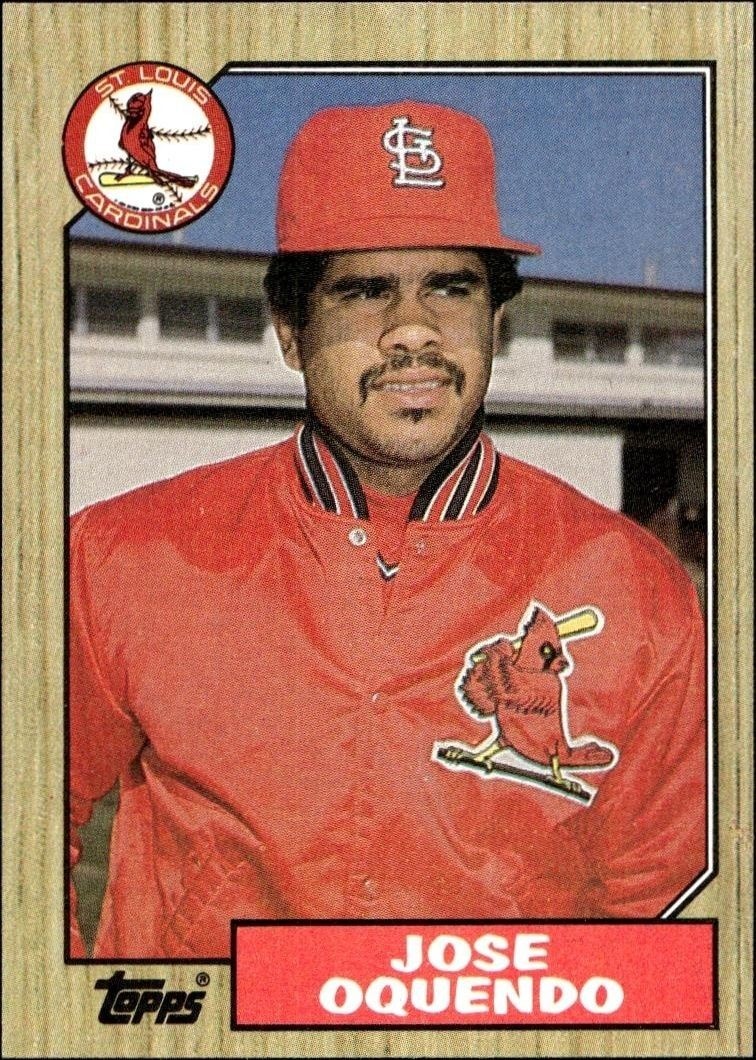


The 1985 Topps Jose Oquendo #598 is a classic baseball trading card featuring the New York Mets infielder. This product captures the design and identity of the 1985 Topps set.
1985 • Topps
Major League Baseball • New York Mets
Excellent
598
New
Shipping Calculated at Checkout
Arrives in 4-6 daysEstimated delivery November 12, 2026 - November 14, 2026
30-day Returns| Condition | Value | Source | Trend | Price Details |
|---|---|---|---|---|
$1.11 | Guide Estimate | +0.9% | ||
$9.99 | Guide Estimate | 0% | ||
$14.99 | Guide Estimate | 0% | ||
$16.00 | Guide Estimate | 0% | ||
$99.00 | Guide Estimate | 0% | ||
$31.00 | Guide Estimate | -32.6% | ||
$76.41 | Guide Estimate | +0.7% | ||
$46.00 | Guide Estimate | 0% | ||
Raw / Ungraded
PriceCharting Price Guide · Guide Estimate evidence · captured Oct 31, 2026
The 1985 Topps Jose Oquendo #598 represents a distinct entry in the history of Major League Baseball trading cards. Released during the mid-1980s, this card features the New York Mets infielder against the standard backdrop that defined the brand's visual identity during that era. Collectors often seek out this card number to complete base set collections or to focus on players who were integral to the Mets' roster during that competitive period. Jose Oquendo was known for his versatility on the field, playing multiple infield positions for New York. His appearance on card #598 in the 1985 Topps catalog provides a tangible connection to that specific season of MLB history. For investors and hobbyists alike, vintage cards from the 1980s offer a unique glimpse into the design aesthetics and player marketing strategies of the time. The straightforward layout and typography characteristic of Topps releases from this year make it a recognizable item for those tracking the evolution of sports memorabilia. Whether you are looking to add a piece of Mets history to your collection or explore the broader landscape of 1980s baseball, this card serves as a fundamental component of the era's catalog. The enduring appeal of these cards lies in their ability to preserve the image and stats of players like Oquendo for future generations of fans. By focusing on the identity of the card and the significance of the 1985 release, collectors can appreciate the card beyond just its market value. It stands as a record of Oquendo's tenure with New York, offering a direct link to the games played over three decades ago.
6 days ago
We'll pre-fill the product details from this catalog entry, so your listing lands on this exact page. Just add photos of your copy, pick its condition, and set your price.
The catalog profile below summarizes the card identity, featured subject, and notable collectible traits.
The subject, team, league, and sport context tied to this card.
Production details and format-specific attributes.
Material
Card Stock
Language
English
Compare prices, grades, photos, and shipping from approved sellers.
New
Excellent
See how many public collections currently include this card.
0 collectors have this card
FAQ
No, Jose Oquendo made his MLB debut in 1983, so the 1985 Topps card is not his rookie card. It features him in his third season with the New York Mets.
It remains a popular choice for those building vintage baseball collections.
Vintage Mets cards from this era capture the team's history during a competitive period. Collectors often seek these cards to complete sets or to honor players who contributed to the franchise during the 1980s.
This 1985 Topps card of Jose Oquendo represents a baseline entry point within the broader Mets and MLB collectible landscape, reflecting its status as a non-premium base card. While it holds nostalgic value for fans of the mid-80s era, it currently trades at a modest tier relative to high-grade or specialty parallels of the same player. The absence of special attributes keeps its valuation anchored to general market sentiment for vintage baseball rather than specific scarcity premiums.
As a standard base card with no noted special attributes, serial numbering, or short-print status, this item suffers from a high supply relative to demand. The lack of parallel variants or limited edition markers means it does not benefit from the scarcity mechanics that typically drive value in vintage sets. Its rarity is defined solely by its age and condition, rather than any constructed limitation in its production.
Investment potential is limited by the card's position as a common base issue, which lacks the rookie-card premium or exclusive design elements that attract serious investors. Demand is likely driven by casual collectors seeking affordable vintage Mets memorabilia rather than institutional buyers. Long-term appreciation is constrained by the abundant supply of similar base cards available in the market.
