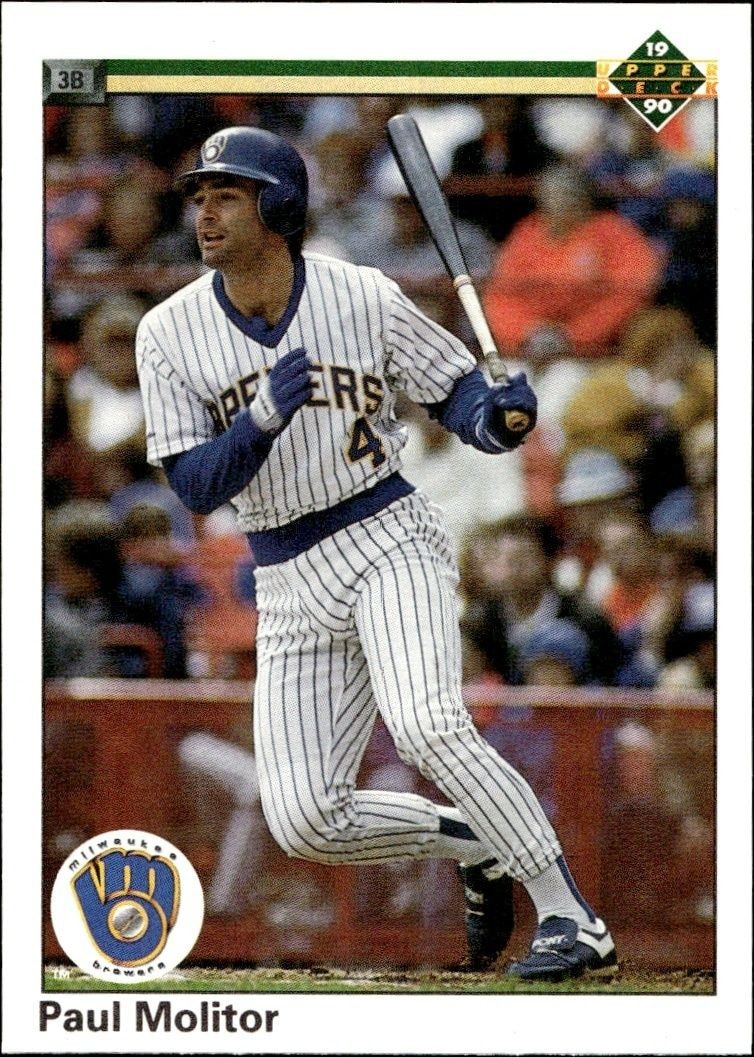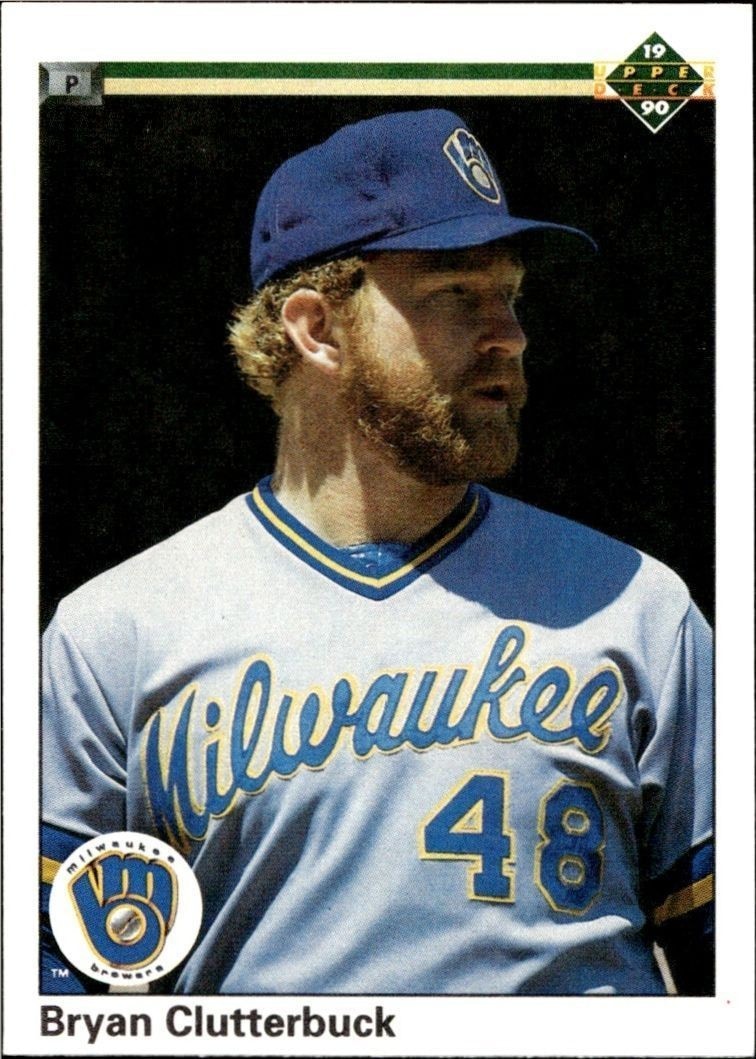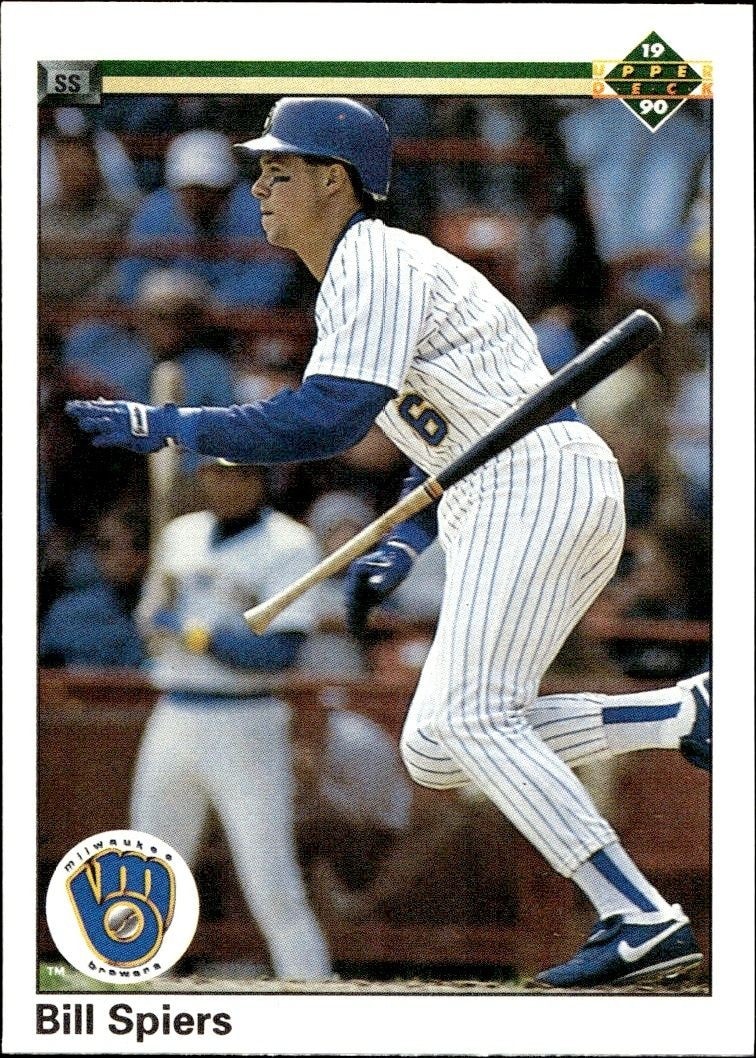

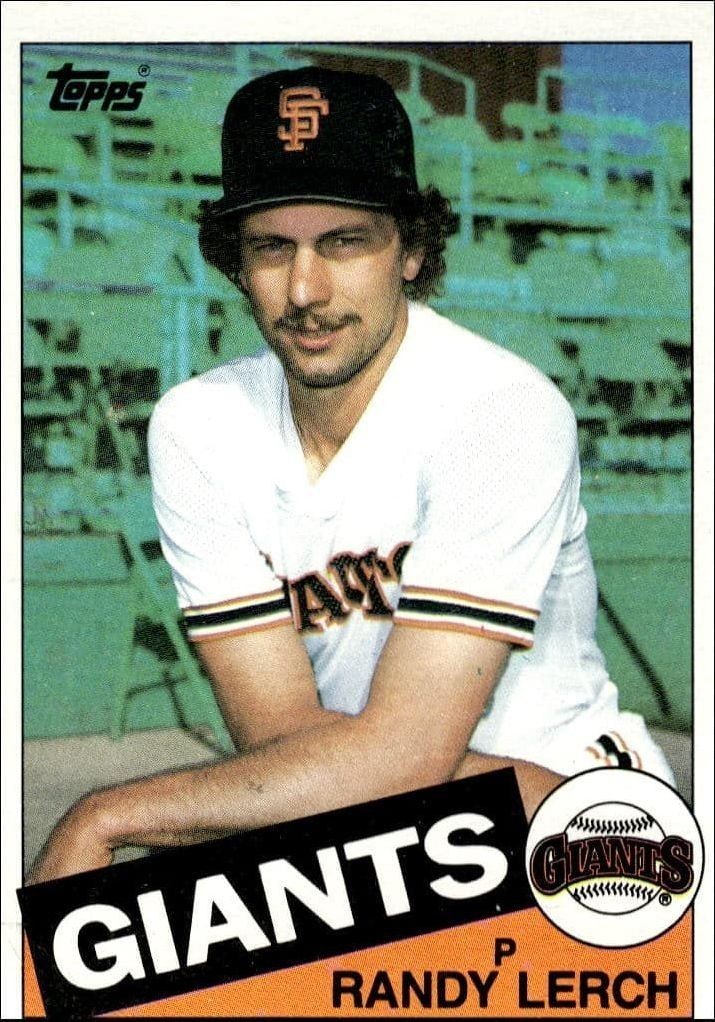




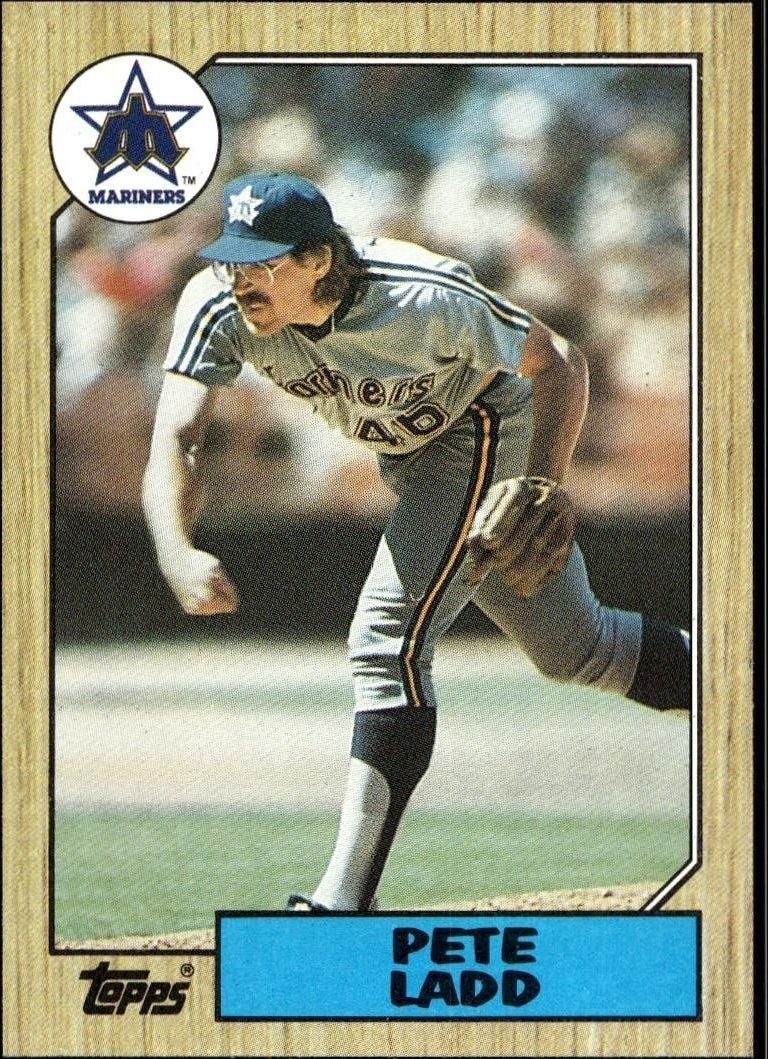
The 1985 Topps Pete Ladd #471 captures the pitcher's tenure with the Milwaukee Brewers, serving as a notable entry for collectors of vintage baseball memorabilia.
1985 • Topps
Major League Baseball • Milwaukee Brewers
Excellent
471
New
Shipping Calculated at Checkout
30-day Returns| Condition | Value | Source | Trend | Price Details |
|---|---|---|---|---|
$2.41 | Guide Estimate | 0% | ||
$9.66 | Guide Estimate | 0% | ||
$11.00 | Guide Estimate | 0% | ||
$42.00 | Guide Estimate | 0% | ||
$13.00 | Guide Estimate | 0% | ||
$32.39 | Guide Estimate | 0% | ||
$19.00 | Guide Estimate | 0% | ||
Raw / Ungraded
PriceCharting Price Guide · Guide Estimate evidence · captured Nov 6, 2026
The 1985 Topps Pete Ladd #471 serves as a tangible link to the Milwaukee Brewers' roster during a pivotal era in Major League Baseball history. As a standard issue from the 1985 Topps set, this card represents the classic design language that defined sports trading cards in the mid-1980s. Collectors often seek out this card number to complete their base set collections, appreciating the straightforward presentation typical of the brand's output during this period. Pete Ladd's appearance here documents his time with the Brewers, offering a snapshot of a player who contributed to the team's lineup during the 1984 and 1985 seasons. Whether you are a dedicated team collector focusing on Milwaukee Brewers history or a generalist assembling a complete year, this card fits seamlessly into any collection. The enduring appeal of 1980s Topps lies in its accessibility and the rich historical context it provides, allowing new and experienced collectors alike to engage with the sport's past. This product stands as a fundamental component for anyone interested in the evolution of baseball card design and the players who shaped the game during that decade.
6 days ago
We'll pre-fill the product details from this catalog entry, so your listing lands on this exact page. Just add photos of your copy, pick its condition, and set your price.
The catalog profile below summarizes the card identity, featured subject, and notable collectible traits.
The subject, team, league, and sport context tied to this card.
Production details and format-specific attributes.
Material
Card Stock
Language
English
Compare prices, grades, photos, and shipping from approved sellers.
New
Excellent
See how many public collections currently include this card.
0 collectors have this card
FAQ
Pete Ladd played for the Milwaukee Brewers during the 1985 season, as documented on card #471 of the 1985 Topps set.
No, the 1985 Topps Pete Ladd #471 is not a rookie card. It was released several years after his MLB debut, serving as a standard base card from that era.
This 1985 Topps Pete Ladd card occupies a niche tier within the broader baseball market, reflecting the player's role as a relief pitcher for the Milwaukee Brewers rather than a primary star. With such a low current market price, it trades significantly below premium rookie or star cards, serving primarily as an affordable entry point for collectors targeting specific team or era sets. The lack of special attributes keeps its value anchored to its status as a standard base card from a high-volume production year.
As a standard base card from the 1985 Topps set without noted serial numbering, short-print designation, or parallel variations, this item carries no inherent scarcity mechanics beyond its age and condition. The supply of available copies is determined by the original print run and the number of survivors in collectible condition, meaning it does not benefit from limited edition constraints or unique identifiers that typically drive rarity premiums. Its value is therefore derived from availability rather than exclusive scarcity features.
While this card lacks the rookie-card premium or high-demand star power that typically drives significant appreciation, it may hold steady value for specialized Brewers or 1980s Topps completists. The limited active listings suggest a thin market with low liquidity, meaning price stability is likely rather than aggressive growth. Investors should view this as a low-risk, low-reward component for set completion rather than a standalone asset with strong appreciation potential.