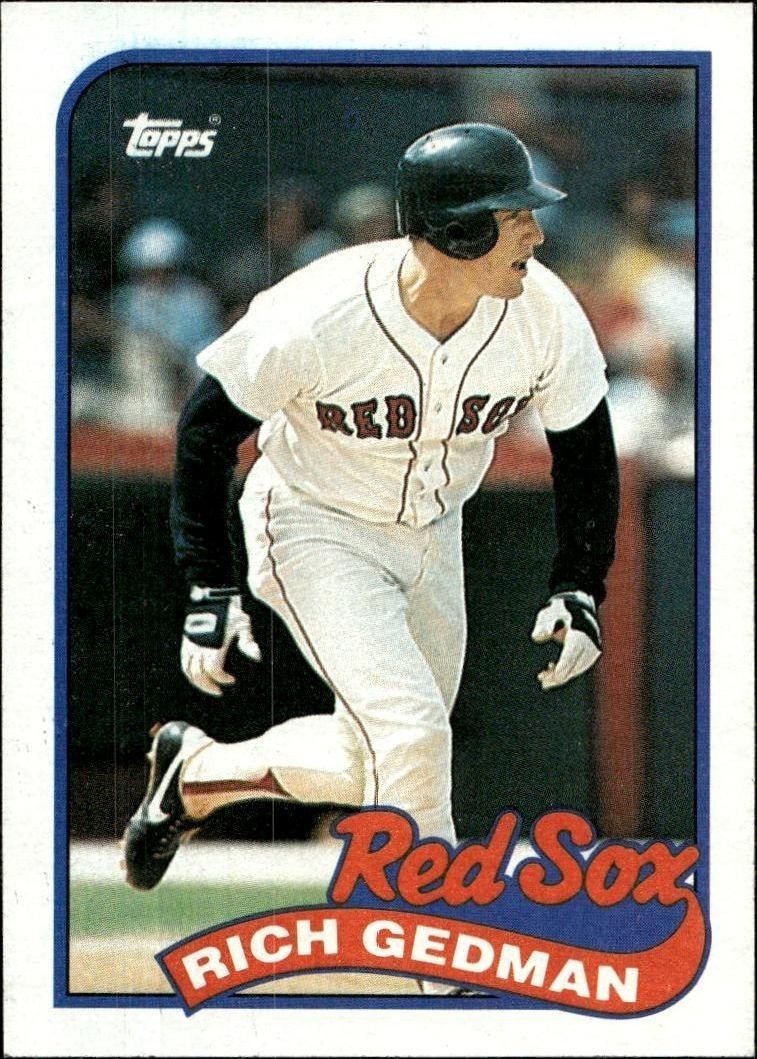





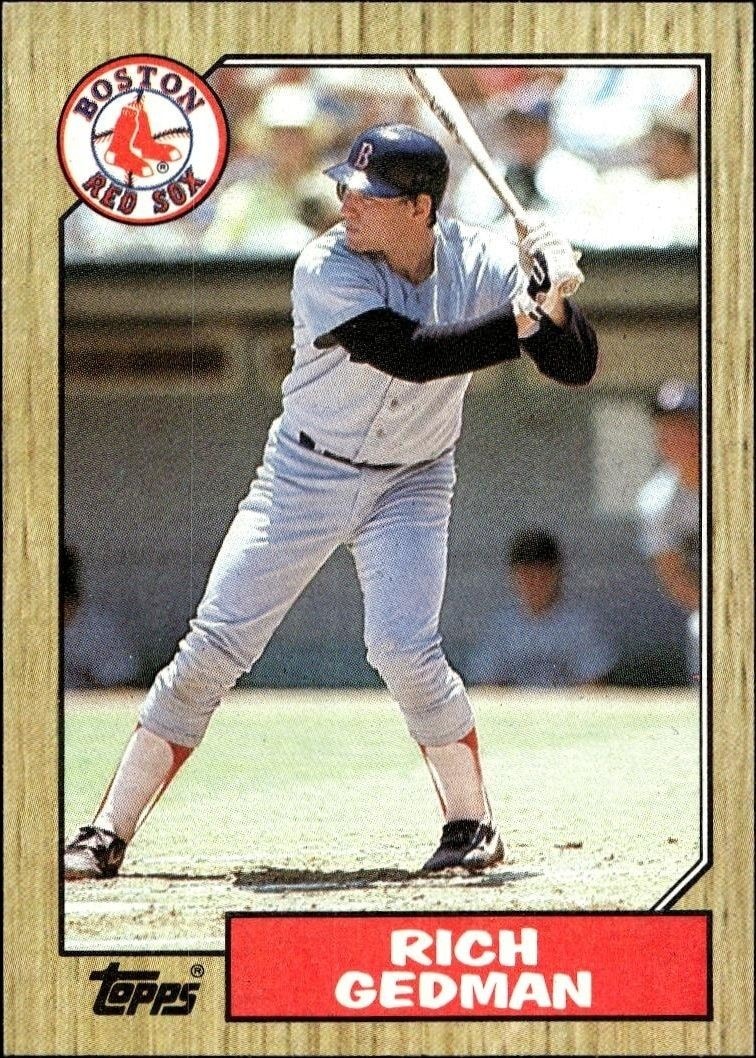


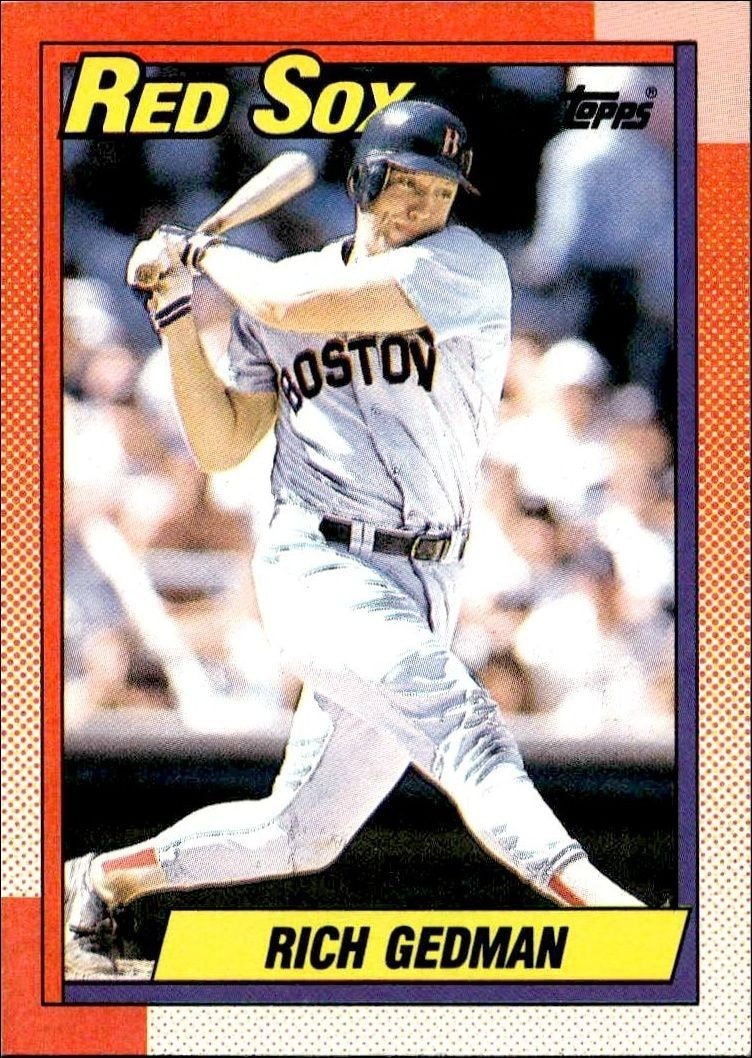
Explore the 1985 Topps Rich Gedman #529 baseball card, a classic piece of Boston Red Sox and MLB history available on SuperCatch.
1985 • Topps
Major League Baseball • Boston Red Sox
Excellent
529
New
Shipping Calculated at Checkout
This seller is away until 10/19/2026 — orders are still accepted and ship after they return.30-day Returns| Condition | Value | Source | Trend | Price Details |
|---|---|---|---|---|
$1.52 | Guide Estimate | |||
$3.25 | Guide Estimate | |||
$21.19 | Guide Estimate | |||
$23.00 | Guide Estimate | |||
$56.00 | Guide Estimate | |||
$26.00 | Guide Estimate | |||
$42.81 | Guide Estimate | |||
$26.00 | Guide Estimate | |||
Raw / Ungraded
PriceCharting Price Guide · Guide Estimate evidence · captured Oct 4, 2026
History is building. At least two days of matching observations are needed to show a trend.
Each point is the last stored observation that day for this printing, condition, grader, autograph status and source. Gaps mean no observation; guide estimates and asking prices are not completed sales.The 1985 Topps Rich Gedman #529 baseball card represents a specific moment in Boston Red Sox history, capturing the team during a pivotal era of American League baseball. As card number 529 in the flagship 1985 Topps set, this issue is part of one of the most recognized and widely distributed collections in sports card collecting. For dedicated hobbyists, this card serves as a tangible link to the mid-80s MLB landscape, where Gedman was a central figure behind the plate for the Red Sox. Collectors who focus on vintage baseball often seek out cards from this period to complete base set runs or to build specialized collections around team history. Whether you are a fan of the Boston Red Sox or simply appreciate the nostalgia of 1980s sports memorabilia, this card holds significant value as a piece of authentic sports history. The marketplace connects collectors with listings that meet their criteria for set completion or personal collection growth. By focusing on the identity of the card and its place within the broader 1985 Topps universe, collectors can evaluate the release based on its historical context rather than transient market fluctuations. This approach ensures that the appreciation for the card remains rooted in its significance to the sport and the era it represents. For those interested in the broader context of baseball trading cards, the 1985 Topps set remains a foundational release for many collectors. Understanding the role of players like Rich Gedman within the team's lineup adds depth to the collecting experience.
1 day ago
We'll pre-fill the product details from this catalog entry, so your listing lands on this exact page. Just add photos of your copy, pick its condition, and set your price.
The catalog profile below summarizes the card identity, featured subject, and notable collectible traits.
The subject, team, league, and sport context tied to this card.
Production details and format-specific attributes.
Material
Card Stock
Language
English
Compare prices, grades, photos, and shipping from approved sellers.
New
Excellent
See how many public collections currently include this card.
0 collectors have this card
This 1985 Topps card represents a baseline entry for Rich Gedman, trading at a modest price point that reflects its status as a common base card rather than a premium variation. While Gedman was a key figure for the Boston Red Sox during this era, the lack of special attributes limits its price tier to the lower end of the market. It serves as an accessible acquisition for collectors focusing on specific team rosters or vintage sets rather than high-value individual investments.
As a standard base card with no noted special attributes, this item does not benefit from serial numbering, short-print designations, or parallel finishes that typically constrain supply. The scarcity is driven entirely by the natural attrition of vintage paper goods over time, meaning intact examples are less common than in modern productions but remain widely available compared to limited editions. Consequently, the card lacks the artificial supply caps that create rarity premiums in other segments of the hobby.
The card’s value proposition is tied to its role as a foundational piece for 1985 Topps set builders or Boston Red Sox team collectors rather than speculative growth. Without rookie card status or unique parallels, it offers stability through steady demand from completists but lacks the explosive upside seen in rarer parallels. Investors should view this as a low-risk, low-reward component for diversifying a vintage baseball collection rather than a primary vehicle for capital appreciation.