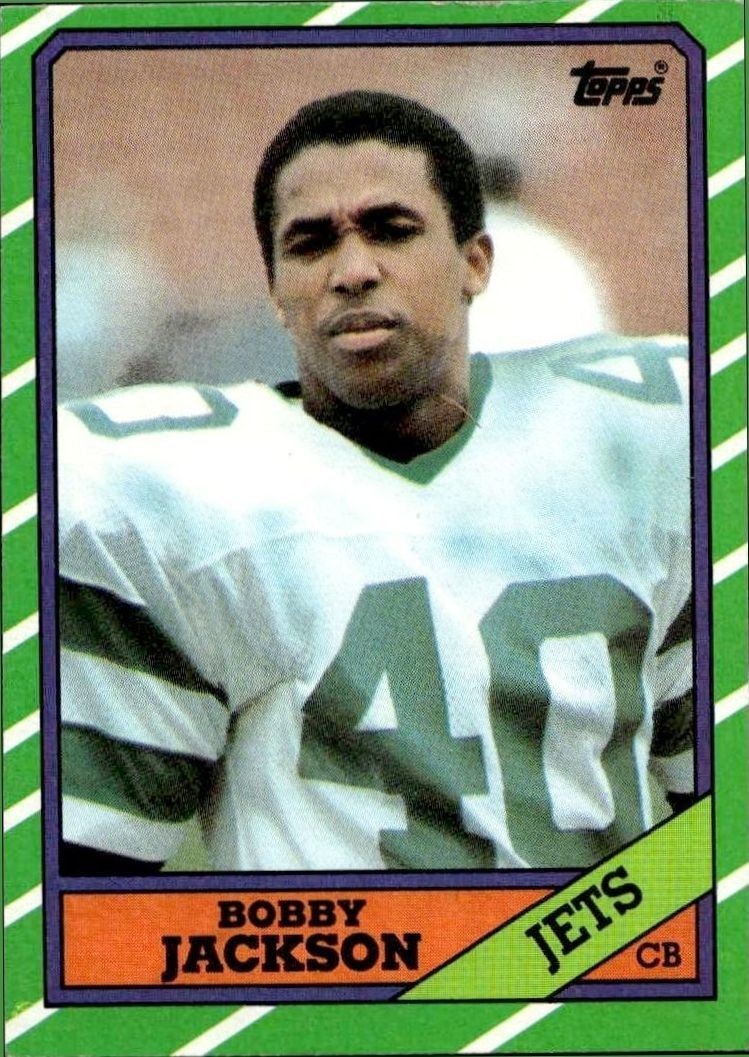


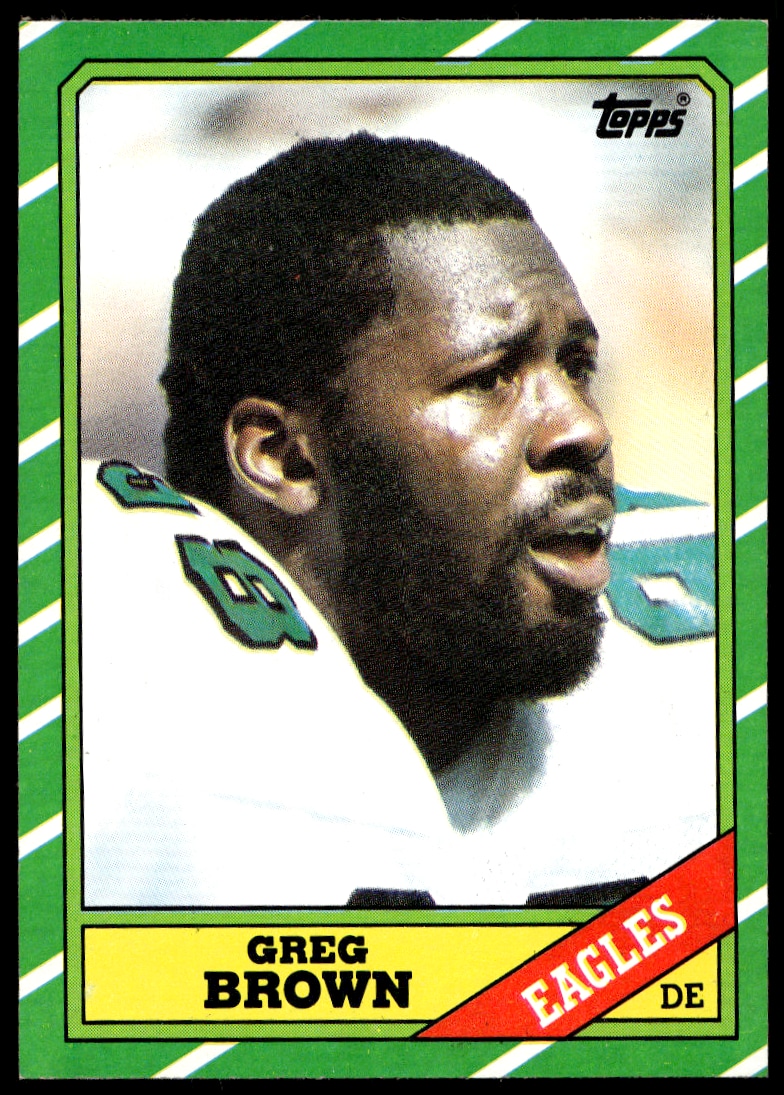
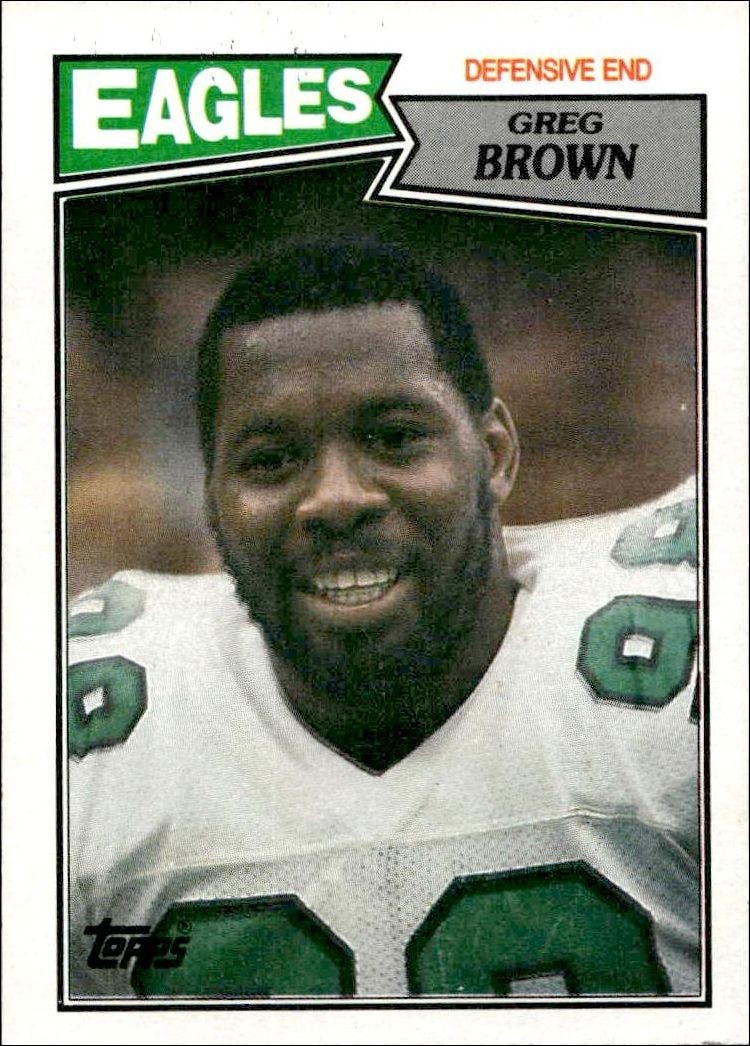
This catalog page features the 1986 Topps Greg Brown #276 football trading card, representing a specific issue from the NFL's 1980s era.
1986 • Topps
National Football League • Philadelphia Eagles
Excellent
276
New
Shipping Calculated at Checkout
Arrives in 5-7 daysEstimated delivery October 29, 2026 - October 31, 2026
30-day Returns| Condition | Value | Source | Trend | Price Details |
|---|---|---|---|---|
$0.98 | Guide Estimate | |||
$8.50 | Guide Estimate | |||
$14.99 | Guide Estimate | |||
$49.00 | Guide Estimate | |||
$65.00 | Guide Estimate | |||
$30.00 | Guide Estimate | |||
$49.99 | Guide Estimate | |||
$30.00 | Guide Estimate | |||
Raw / Ungraded
PriceCharting Price Guide · Guide Estimate evidence · captured Oct 15, 2026
History is building. At least two days of matching observations are needed to show a trend.
Each point is the last stored observation that day for this printing, condition, grader, autograph status and source. Gaps mean no observation; guide estimates and asking prices are not completed sales.Greg Brown was a defensive back for the Philadelphia Eagles, and this card captures his profile during the 1986 NFL season. For collectors focused on Philadelphia Eagles history or NFL defensive backs, this entry serves as a tangible piece of that specific campaign year. The 1986 Topps set remains one of the most recognized brands in football trading card history. It is known for its consistent design and broad coverage of every active team. Greg Brown appears here as a key roster member, allowing enthusiasts to track the depth of the Eagles' secondary during a pivotal decade for the franchise. Whether you are building a team set or focusing on specific player careers, this card provides a direct link to the league's structure in the mid-1980s. Vintage football cards from this era hold significant appeal for investors and hobbyists alike. Collectors often seek these cards to complete base sets or to document the careers of players who contributed to the Eagles' roster during this period. The card's straightforward presentation highlights the player's role without the distractions of later, more complex design trends, offering a clean look at the athlete in his prime. By focusing on the catalog identity, collectors can identify the exact release year, brand, and card number without confusion. This approach ensures that you are acquiring the correct item for your collection, whether for personal enjoyment or historical documentation. The enduring popularity of the 1986 Topps set guarantees that cards like Greg Brown #276 remain relevant in the secondary market, maintaining their value as authentic artifacts of NFL history.
3 days ago
We'll pre-fill the product details from this catalog entry, so your listing lands on this exact page. Just add photos of your copy, pick its condition, and set your price.
The catalog profile below summarizes the card identity, featured subject, and notable collectible traits.
The subject, team, league, and sport context tied to this card.
Production details and format-specific attributes.
Material
Card Stock
Language
English
Compare prices, grades, photos, and shipping from approved sellers.
New
Excellent
See how many public collections currently include this card.
0 collectors have this card
This 1986 Topps Greg Brown card represents an entry-level tier within the NFL football collectibles market, reflecting its status as a standard base card from a high-volume production year. Its current valuation is modest, indicating it trades at the lower end of the price spectrum compared to premium parallels or rookie iterations of notable players. The card serves as an affordable foundational piece for collectors targeting specific franchises or vintage 1980s NFL sets.
As a standard base card with no noted special attributes, this item carries no serial numbering, short-print status, or unique parallel variations that would artificially constrain supply. It exists as part of the mass-produced main set, meaning its availability is determined by general market circulation rather than limited manufacturing runs. Consequently, it lacks the scarcity mechanics that typically drive significant premium valuations in the secondary market.
The investment potential for this specific card is limited by its position as a non-rookie, non-premium issue from a prolific era of football card production. While vintage 1980s cards maintain nostalgic demand, the lack of distinct rarity features suggests it will not appreciate significantly beyond general inflation trends. Collectors are more likely to acquire this for set completion purposes rather than as a standalone speculative asset.