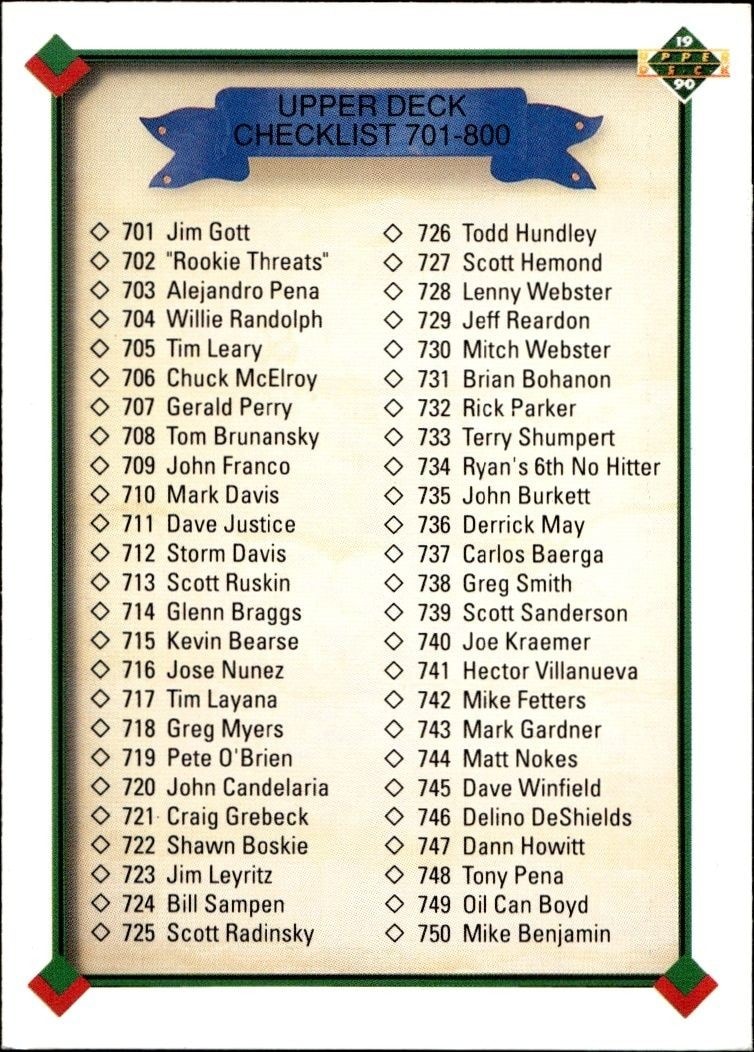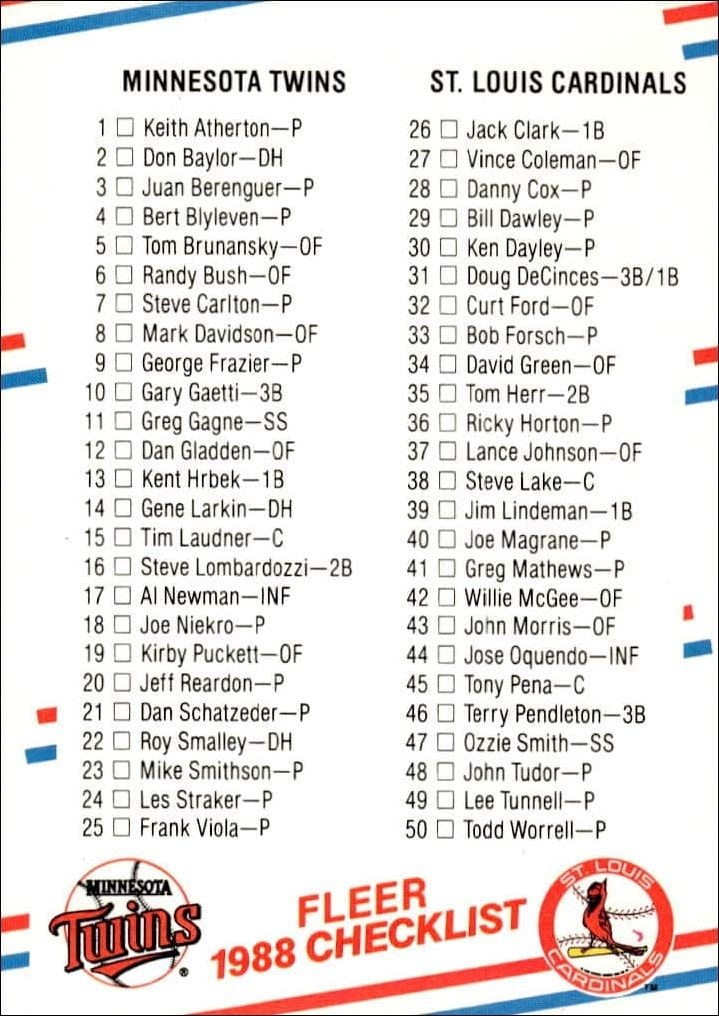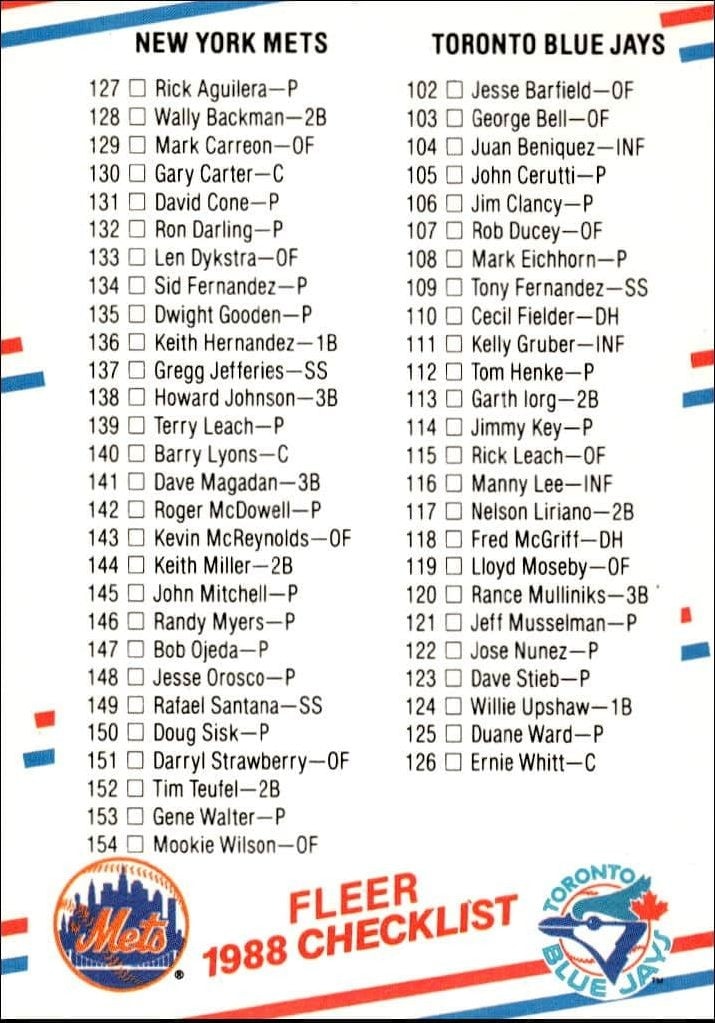
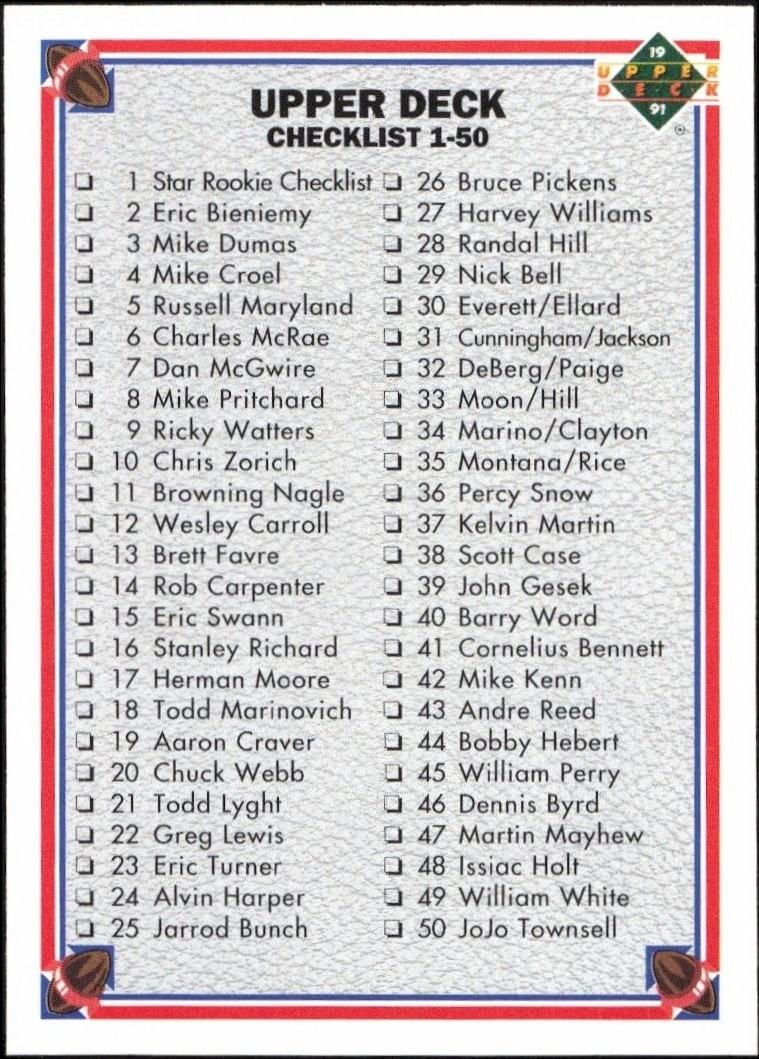


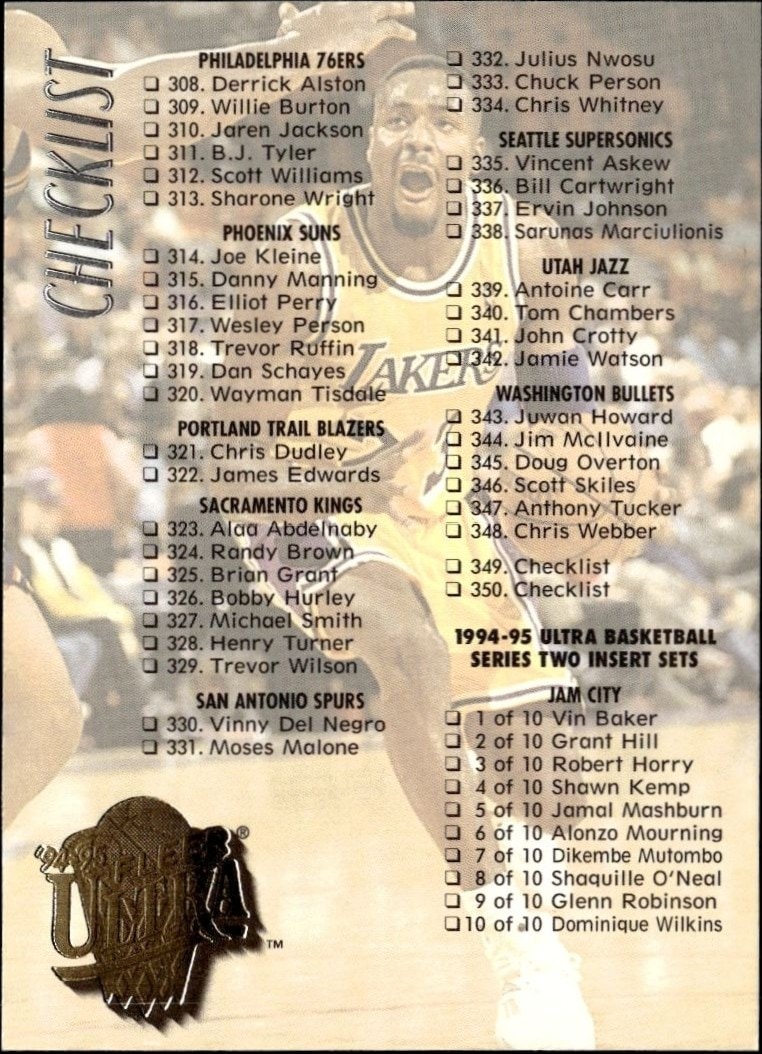


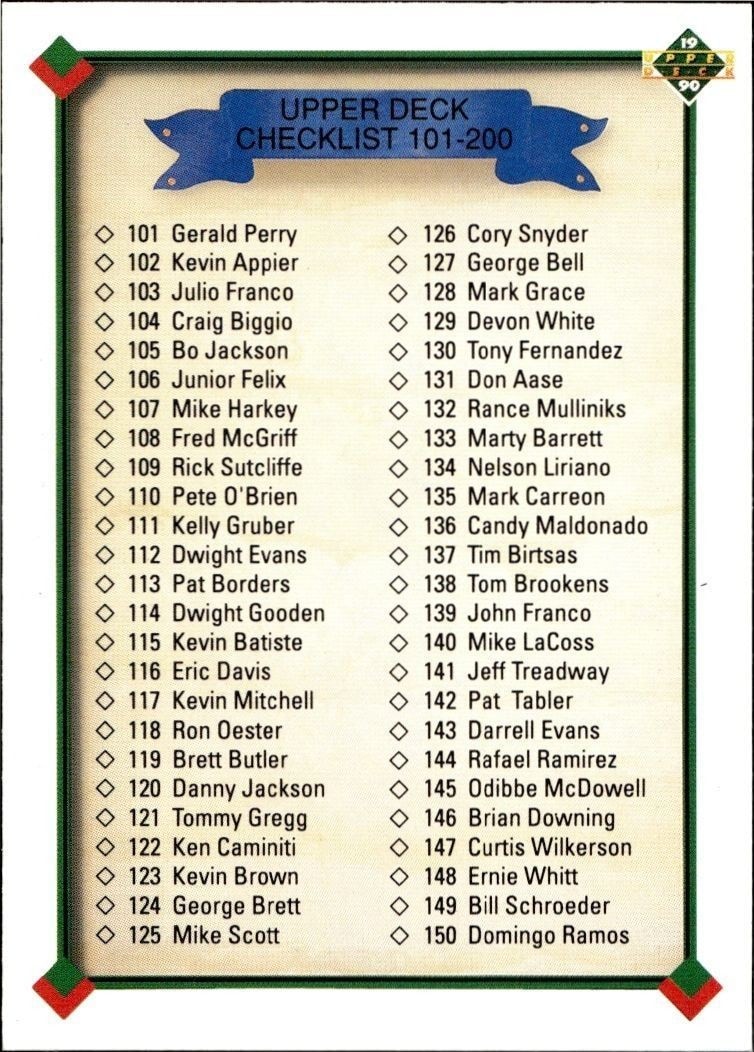
This product identifies the 1987 Donruss Checklist 500, a foundational reference card for the 1987 Donruss baseball trading card set.
1987 • Donruss
Major League Baseball
Near Mint
500
New
Shipping Calculated at Checkout
Arrives in 4-6 daysEstimated delivery October 30, 2026 - November 1, 2026
30-day Returns| Condition | Value | Source | Trend | Price Details |
|---|---|---|---|---|
$1.21 | Guide Estimate | |||
$7.00 | Guide Estimate | |||
$3.00 | Guide Estimate | |||
$5.24 | Guide Estimate | |||
$3.00 | Guide Estimate | |||
Raw / Ungraded
PriceCharting Price Guide · Guide Estimate evidence · captured Oct 18, 2026
History is building. At least two days of matching observations are needed to show a trend.
Each point is the last stored observation that day for this printing, condition, grader, autograph status and source. Gaps mean no observation; guide estimates and asking prices are not completed sales.The 1987 Donruss Checklist 500 serves as a vital organizational tool within the 1987 Donruss baseball trading card set. As the designated checklist card, it features a comprehensive list of players included in the base set, allowing collectors to track their progress and identify missing pieces. For those building a complete 1987 Donruss collection, this checklist card is an essential component. It provides context for the entire set, linking individual player cards to the larger roster. Whether you are a dedicated set builder or a casual collector interested in the history of 1980s baseball memorabilia, this card represents a key piece of the 1987 Donruss experience. Understanding the contents of this checklist helps enthusiasts navigate the diverse array of rookies and veterans featured in the 1987 Donruss base set. The 1987 Donruss Checklist 500 remains a significant item for anyone interested in the evolution of baseball card design. Its presence ensures that the narrative of the 1987 Donruss set is complete, offering both utility and historical context. Collectors value this card not just for its informational content, but for its role in preserving the integrity of the set. By acquiring this checklist, you support the preservation of a specific moment in baseball card history, ensuring that the 1987 Donruss set remains a cohesive and collectible entity for future generations.
6 days ago
We'll pre-fill the product details from this catalog entry, so your listing lands on this exact page. Just add photos of your copy, pick its condition, and set your price.
The catalog profile below summarizes the card identity, featured subject, and notable collectible traits.
The subject, team, league, and sport context tied to this card.
Production details and format-specific attributes.
Material
Card Stock
Language
English
Notable collectible traits associated with this card profile.
Compare prices, grades, photos, and shipping from approved sellers.
New
Near Mint
See how many public collections currently include this card.
0 collectors have this card
This checklist card sits at the absolute entry-level price tier of the 1987 Donruss set, reflecting its status as a non-holographic base component rather than a marquee player card. While it lacks the individual player allure that drives secondary market premiums for stars, it remains a functional piece for completists. The current valuation indicates it trades well below the average price point of any player-specific insert or short-print variant within the same brand release.
As a standard checklist card with no noted special attributes, this item represents the most common tier of production within the 1987 Donruss baseball set. It does not carry scarcity mechanics such as serial numbering, short-print status, or parallel finishes that would artificially constrain supply. Consequently, its availability is determined solely by the volume of base set production, making it widely accessible to collectors.
Investment potential is limited as checklist cards do not benefit from rookie-card premiums or player-performance-driven demand spikes. Collector interest is primarily driven by the mechanical need to complete a base set rather than speculative growth. Long-term value retention relies on steady, low-level demand from completists rather than active trading volume or appreciation trends.