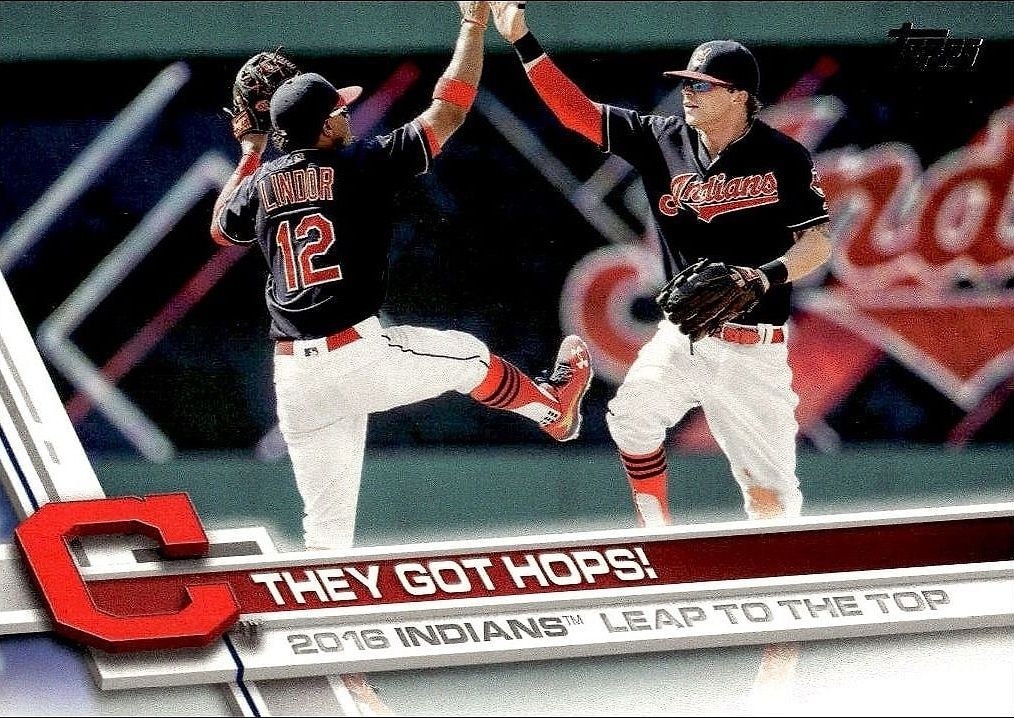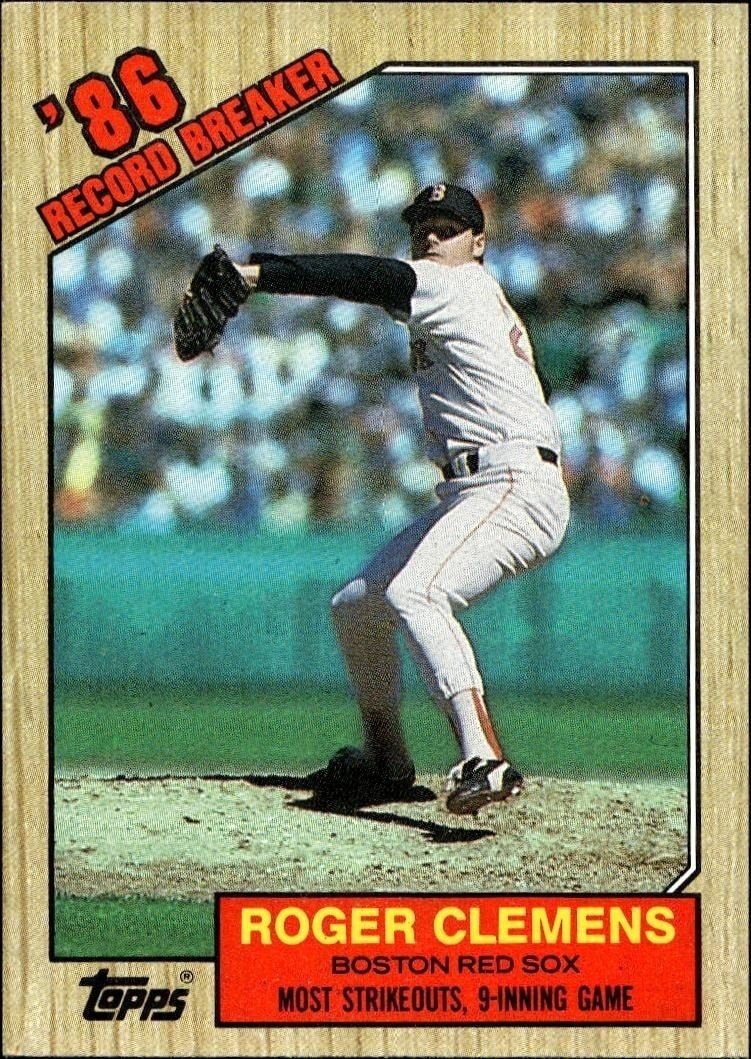


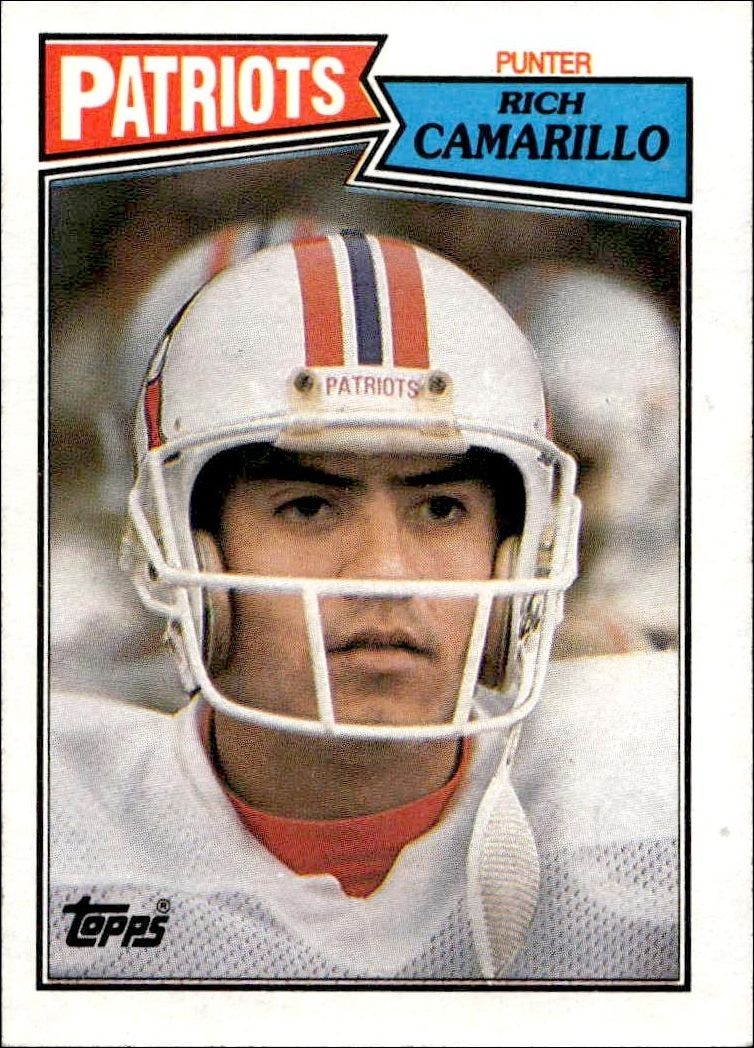

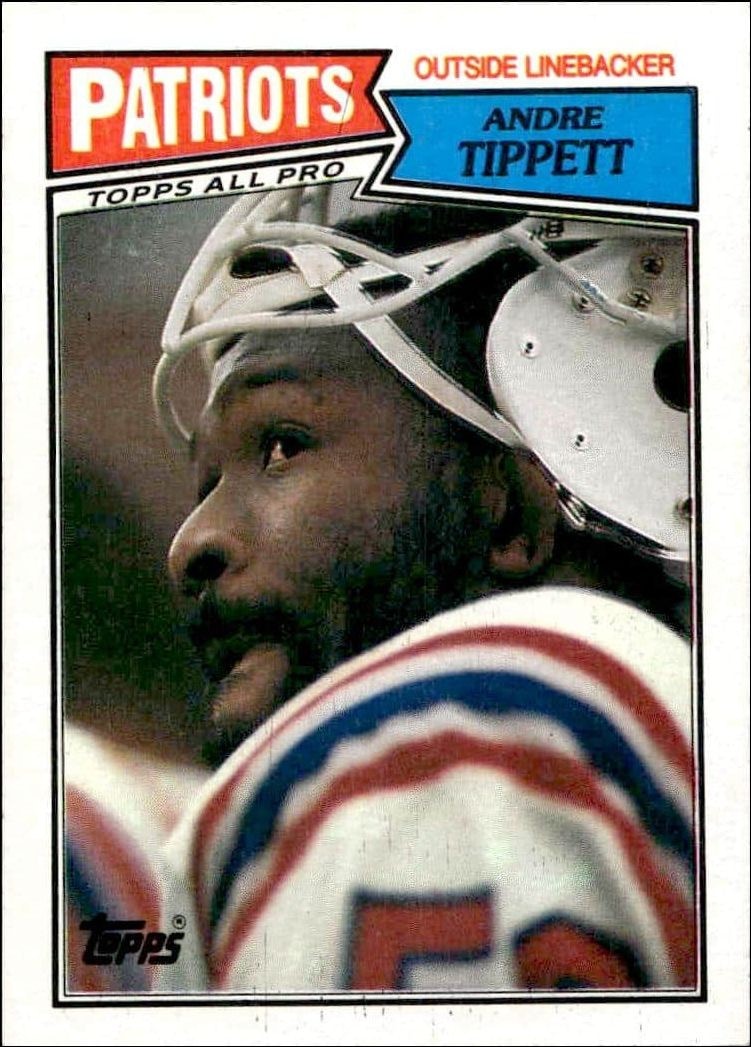


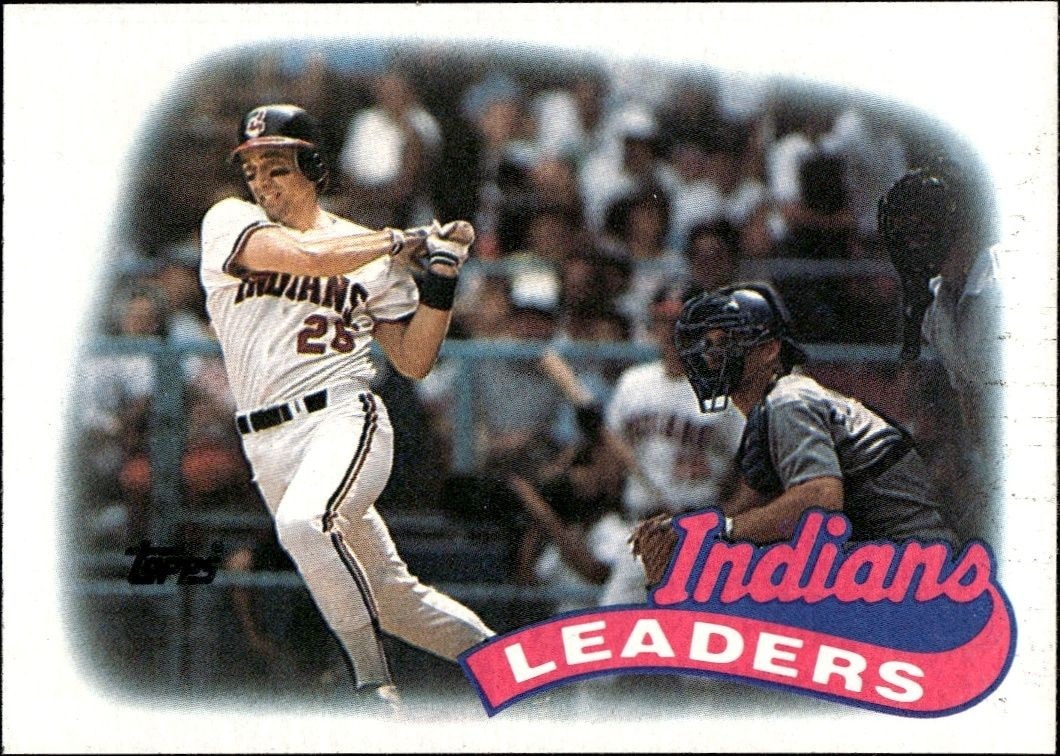
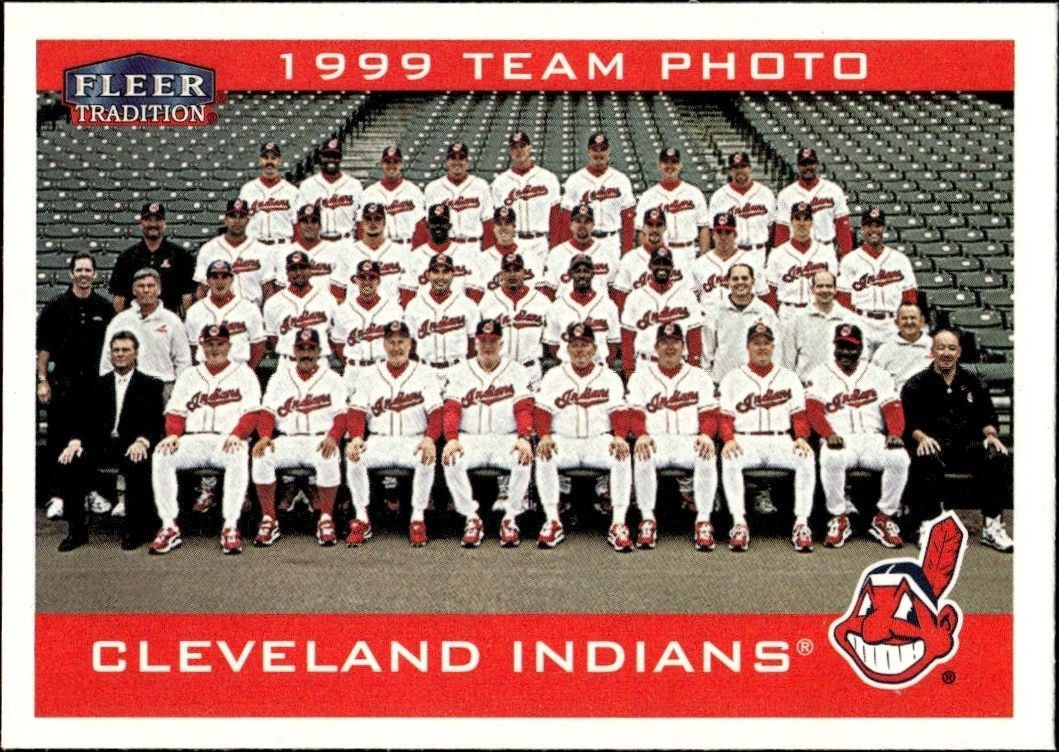
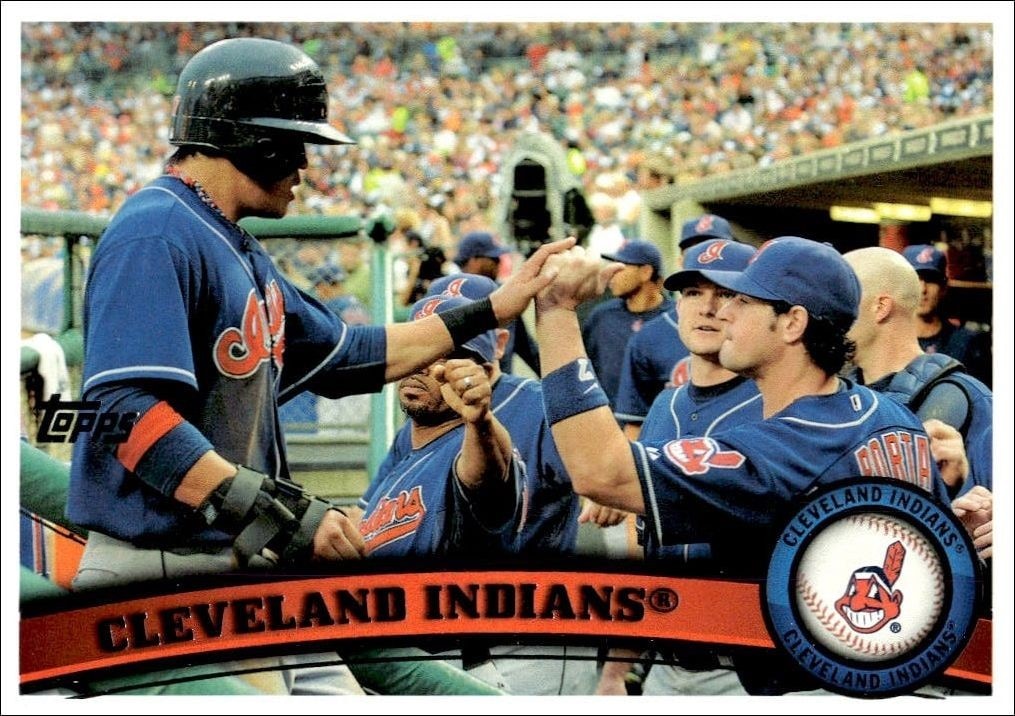
The 1987 Topps Team Leaders Cleveland Indians #11 card serves as a specific entry point for collectors of vintage baseball memorabilia and Cleveland Indians history.
1987 • Topps • Team Leaders
Major League Baseball • Cleveland Indians
Excellent
11
New
Shipping Calculated at Checkout
Arrives in 4-6 daysEstimated delivery October 23, 2026 - October 25, 2026
Seller returns October 19, 2026.30-day Returns| Condition | Value | Source | Trend | Price Details |
|---|---|---|---|---|
$0.79As of 9/19/2026 | Guide Estimate | |||
$1.25As of 9/19/2026 | Guide Estimate | |||
$6.13As of 9/19/2026 | Guide Estimate | |||
$7.00As of 9/19/2026 | Guide Estimate | |||
$34.00As of 9/19/2026 | Guide Estimate | |||
$16.00As of 9/19/2026 | Guide Estimate | |||
$26.23As of 9/19/2026 | Guide Estimate | |||
$16.00As of 9/19/2026 | Guide Estimate | |||
Raw / Ungraded
PriceCharting Price Guide · Guide Estimate evidence · captured Sep 20, 2026
History is building. At least two days of matching observations are needed to show a trend.
Each point is the last stored observation that day for this printing, condition, grader, autograph status and source. Gaps mean no observation; guide estimates and asking prices are not completed sales.The 1987 Topps Team Leaders Cleveland Indians #11 card represents a specific chapter in the evolution of baseball trading card design during the late 1980s. Released as part of Topps' supplemental Team Leaders subset, this product highlights key statistical performers from the Cleveland Indians roster, offering collectors a focused look at the team's composition during that era. Unlike the standard base set, Team Leaders cards often featured distinct borders and statistical summaries that appealed to hobbyists interested in data-driven collecting. For enthusiasts of Cleveland Indians history, this card provides a tangible connection to the franchise's past, allowing fans to track the progression of player performance and team dynamics from 1987. The card's identity as a subset release makes it particularly relevant for those seeking to complete specialized collections or explore the nuances of Topps' catalog expansion during this period. As vintage sports cards continue to gain attention for their historical significance, items like the 1987 Topps Team Leaders Cleveland Indians #11 offer a direct link to the sport's rich heritage. Collectors often seek out these specific subset cards to diversify their holdings beyond standard base sets, valuing the unique design elements and statistical focus that define the Team Leaders series. Whether for personal enjoyment or broader market interest, this card remains a notable entry for anyone tracking the legacy of Cleveland Indians baseball.
1 day ago
We'll pre-fill the product details from this catalog entry, so your listing lands on this exact page. Just add photos of your copy, pick its condition, and set your price.
The catalog profile below summarizes the card identity, featured subject, and notable collectible traits.
The core identity of the card within the set.
The subject, team, league, and sport context tied to this card.
Production details and format-specific attributes.
Material
Card Stock
Language
English
Compare prices, grades, photos, and shipping from approved sellers.
New
Excellent
See how many public collections currently include this card.
0 collectors have this card
As a base team card from a 1987 Topps set, this item sits well below the premium tier commanded by individual star-player cards from the same era. Its value is primarily driven by set completionists seeking full franchise representation rather than speculative demand for individual talent. Condition sensitivity is typical for vintage base parallels, where sharp corners and centering dictate its standing relative to other copies.
This card lacks any special scarcity attributes such as serial numbering, short-print status, or parallel finishes, placing it in the standard base tier of the 1987 Topps release. Consequently, its supply is determined solely by the original base print run, which remains significantly larger than limited-edition variants. The absence of unique identifiers means it does not benefit from the supply constraints that drive premiums in other segments of the hobby.
Demand is anchored by nostalgic franchise collectors and those assembling complete 1987 Topps baseball sets, ensuring steady but modest liquidity. The late-1980s positioning offers historical context without the intense speculation attached to rookie cards or championship-era stars. Long-term value stability relies on the enduring interest in set completion rather than appreciation driven by individual player performance or franchise accolades.