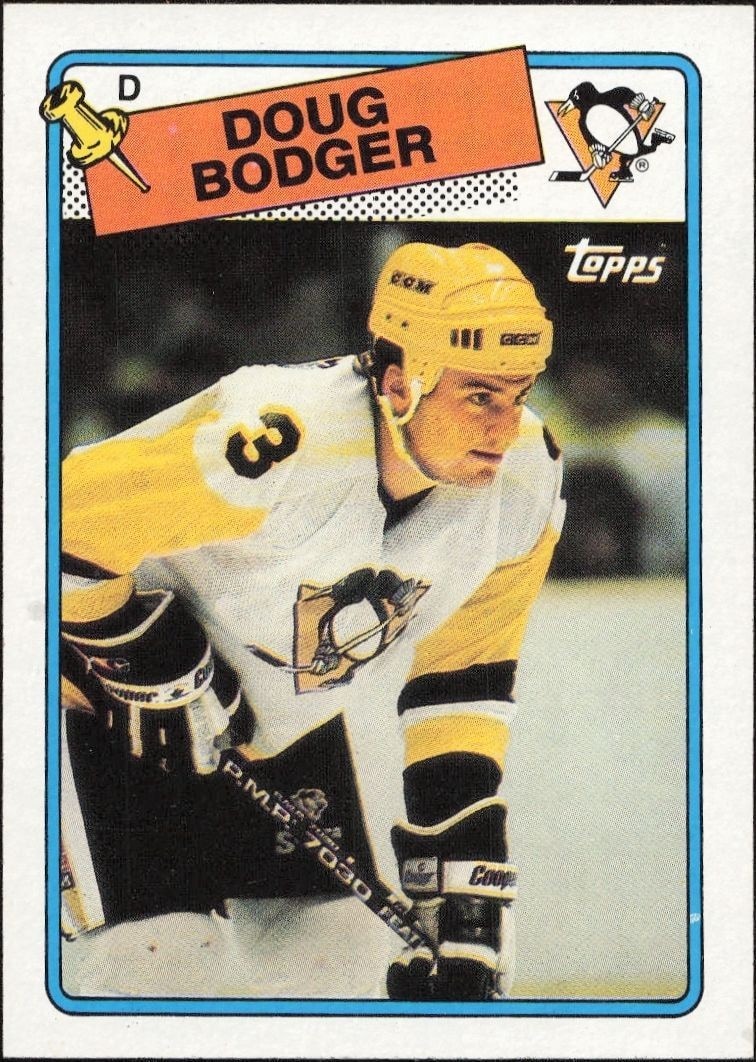





Explore the 1988-89 Topps Dave McLlwain #132 hockey card, a key piece for collectors of Pittsburgh Penguins history and late-80s NHL memorabilia.
1988-89 • Topps
National Hockey League • Pittsburgh Penguins
Excellent
132
New
Shipping Calculated at Checkout
Arrives in 4-6 daysEstimated delivery October 26, 2026 - October 28, 2026
30-day Returns| Condition | Value | Source | Trend | Price Details |
|---|---|---|---|---|
$1.37 | Guide Estimate | 0% | ||
$90.00 | Guide Estimate | 0% | ||
$42.00 | Guide Estimate | 0% | ||
$69.35 | Guide Estimate | 0% | ||
$42.00 | Guide Estimate | 0% | ||
Raw / Ungraded
PriceCharting Price Guide · Guide Estimate evidence · captured Oct 17, 2026
This entry captures McLlwain as a defenseman, offering a tangible connection to the team's roster during a pivotal era in NHL history. For collectors focusing on Pittsburgh Penguins memorabilia, this card represents a specific moment in the franchise's development following their early championship runs. Dave McLlwain played a role in the Penguins' defensive corps, contributing to the team's competitive efforts throughout the late 1980s. Collectors interested in the broader landscape of 1988-89 Topps hockey often seek out cards from this set due to its accessibility and the quality of its production. While McLlwain may not be the most ubiquitous name in the hobby, his presence on this card provides value for those building comprehensive sets or focusing on specific team histories. The 1988-89 Topps release remains a staple in sports card collecting, appealing to hobbyists who appreciate the nostalgia of the period. The card's design and composition reflect the stylistic trends of the time, making it a relevant piece for investors and casual collectors alike. Whether you are looking to complete a Pittsburgh Penguins team set or add a late-80s NHL piece to your collection, this card offers a straightforward addition to your portfolio. The marketplace caters to those who value authenticity and variety, allowing collectors to explore different conditions and seller options. By focusing on the catalog identity of the 1988-89 Topps #132 card, collectors can make informed decisions about acquiring this piece of hockey history without worrying about transient market fluctuations or specific listing details.
1 day ago
We'll pre-fill the product details from this catalog entry, so your listing lands on this exact page. Just add photos of your copy, pick its condition, and set your price.
The catalog profile below summarizes the card identity, featured subject, and notable collectible traits.
The subject, team, league, and sport context tied to this card.
Production details and format-specific attributes.
Material
Card Stock
Language
English
Compare prices, grades, photos, and shipping from approved sellers.
New
Excellent
See how many public collections currently include this card.
0 collectors have this card
This 1988-89 Topps card represents a standard base issue for a role player on a storied franchise, resulting in a low-tier market valuation relative to star counterparts. The absence of special attributes or high-grade designations suggests it trades at the baseline price point for the set, reflecting its status as a common entry-level collectible rather than a premium investment piece. Current pricing indicates stable, low-demand liquidity typical of mass-produced hockey cards from this era.
The card lacks any scarcity drivers such as serial numbering, short-print status, or parallel variations, making it a standard base card within the 1988-89 Topps Hockey set. This unmodified status implies a high supply relative to demand, as it was produced in large quantities without the supply constraints that characterize limited editions or unique inserts. Consequently, the card does not benefit from the scarcity premiums associated with specialized subsets or graded examples.
As a non-rookie, base-card entry for a player who served in a supporting role, the long-term appreciation potential is limited by the abundant supply and lack of unique attributes. Collector demand is likely driven by nostalgia for the Pittsburgh Penguins' late-80s era rather than individual player stardom, keeping the item in a niche, low-value category. Investors should view this as a casual acquisition for set completion rather than a vehicle for significant financial growth.