

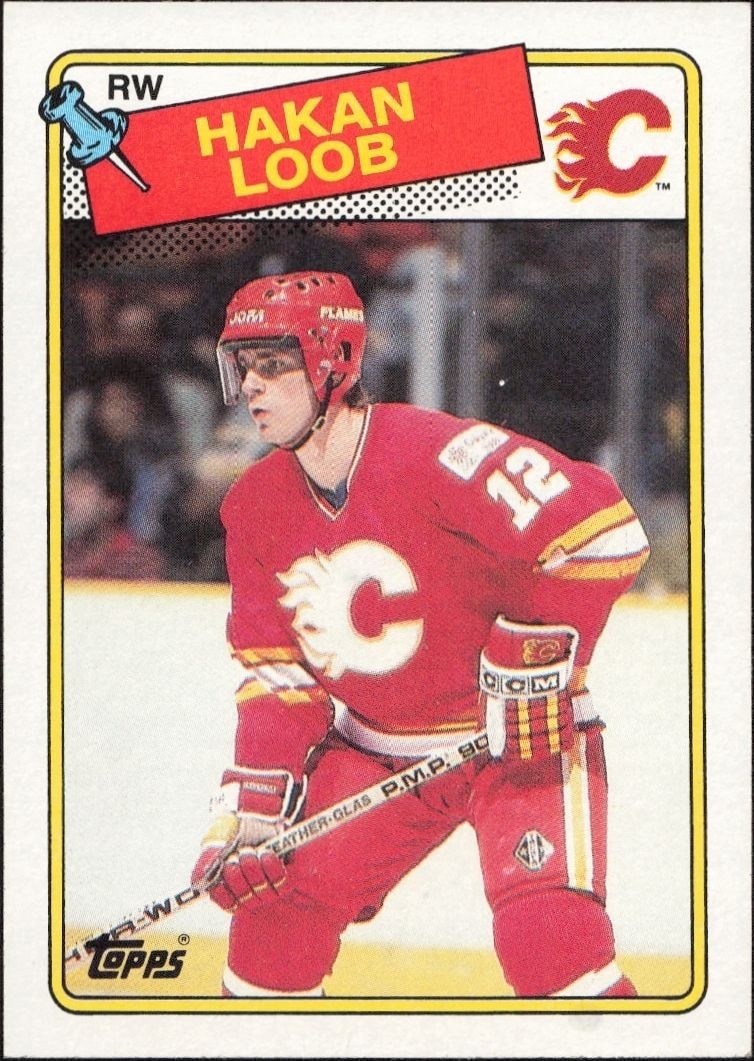



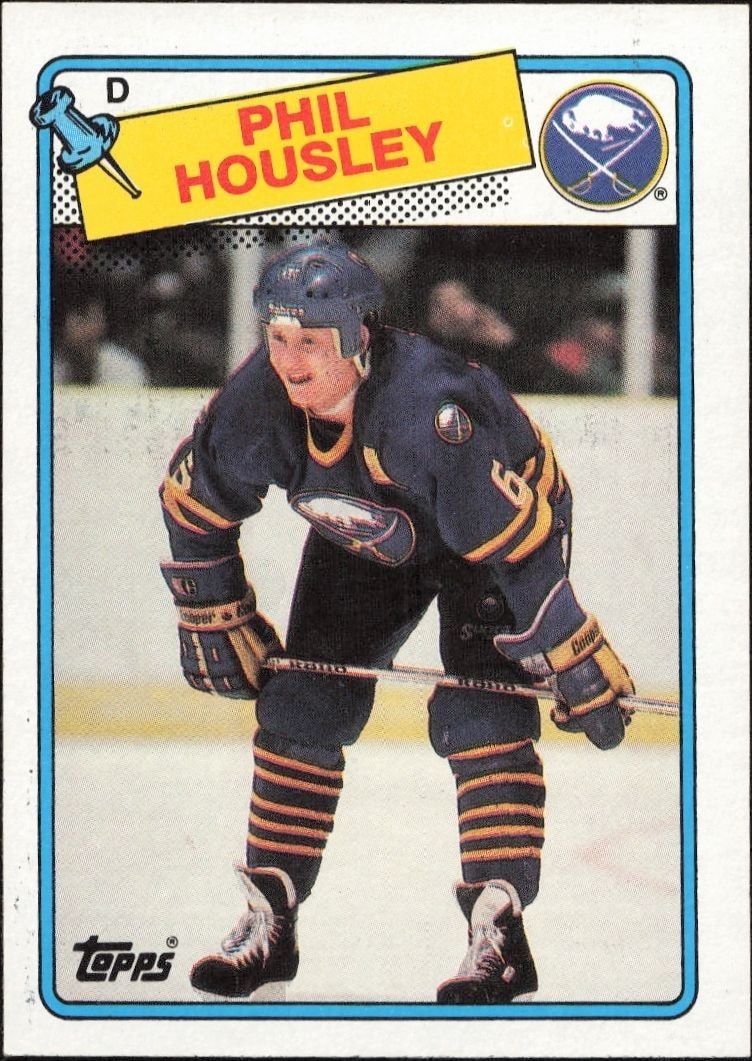


The 1988-89 Topps Greg Gilbert #83 New York Islanders hockey card features the player in his Islanders uniform. This standard sports card is a key piece for vintage NHL collectors.
1988-89 • Topps
National Hockey League • New York Islanders
Excellent
83
New
Shipping Calculated at Checkout
Arrives in 5-7 daysEstimated delivery October 23, 2026 - October 25, 2026
Seller returns October 19, 2026.30-day Returns| Condition | Value | Source | Trend | Price Details |
|---|---|---|---|---|
$0.85As of 9/19/2026 | Guide Estimate | |||
$11.75As of 9/19/2026 | Guide Estimate | |||
Raw / Ungraded
PriceCharting Price Guide · Guide Estimate evidence · captured Sep 20, 2026
History is building. At least two days of matching observations are needed to show a trend.
Each point is the last stored observation that day for this printing, condition, grader, autograph status and source. Gaps mean no observation; guide estimates and asking prices are not completed sales.The 1988-89 Topps Greg Gilbert #83 New York Islanders hockey card stands as a distinct artifact from a defining era in professional sports. This card number within the Topps hockey lineup captures Gilbert during his tenure with the Islanders, offering collectors a tangible connection to late-80s NHL action. The design reflects the straightforward, photo-centric aesthetic that characterized Topps releases during this period, prioritizing clear imagery of the athlete in team gear over complex graphical embellishments. For enthusiasts building a comprehensive library of vintage hockey cards, this product represents a crucial component of the 1988-89 set. It provides historical context to Gilbert’s career timeline and the franchise's roster composition at the time. The card’s standard production format makes it accessible for both novice hobbyists and seasoned investors looking to diversify their holdings with affordable vintage pieces. Whether used to fill gaps in a season-specific collection or to highlight the visual style of late-80s sports marketing, this card maintains its relevance in the broader landscape of sports memorabilia. Collectors often seek out these cards to complete base sets or to study the evolution of player photography and card design over the decades. The 1988-89 Topps series remains a foundational release for anyone interested in the history of the game.
23 hours ago
We'll pre-fill the product details from this catalog entry, so your listing lands on this exact page. Just add photos of your copy, pick its condition, and set your price.
The catalog profile below summarizes the card identity, featured subject, and notable collectible traits.
The subject, team, league, and sport context tied to this card.
Production details and format-specific attributes.
Material
Card Stock
Language
English
Compare prices, grades, photos, and shipping from approved sellers.
New
Excellent
See how many public collections currently include this card.
0 collectors have this card
Greg Gilbert's 1988-89 Topps card trades at a modest entry-level price point, reflecting his status as a role player rather than a franchise cornerstone. The current market positioning suggests it is accessible to budget-conscious collectors filling out base set requirements, with limited premium potential compared to star athletes from the same era. Its value is anchored by the nostalgic appeal of late-80s hockey rather than individual performance metrics.
As a standard base card within the Topps brand, this item carries no special scarcity mechanics such as serial numbering, short printing, or parallel variations. The supply is effectively unlimited relative to specialized inserts, meaning availability is driven by general distribution volume rather than intentional restriction. Collectors seeking unique attributes will find this card representative of the mass-produced nature of the primary product.
This card lacks the rookie-card premium or high-end parallel positioning that typically drives significant appreciation in the hockey market. Demand is likely sustained only by casual collectors completing specific year-set collections, offering stability rather than growth potential. Investors should view this as a low-risk acquisition for completion purposes rather than a vehicle for capital appreciation.