



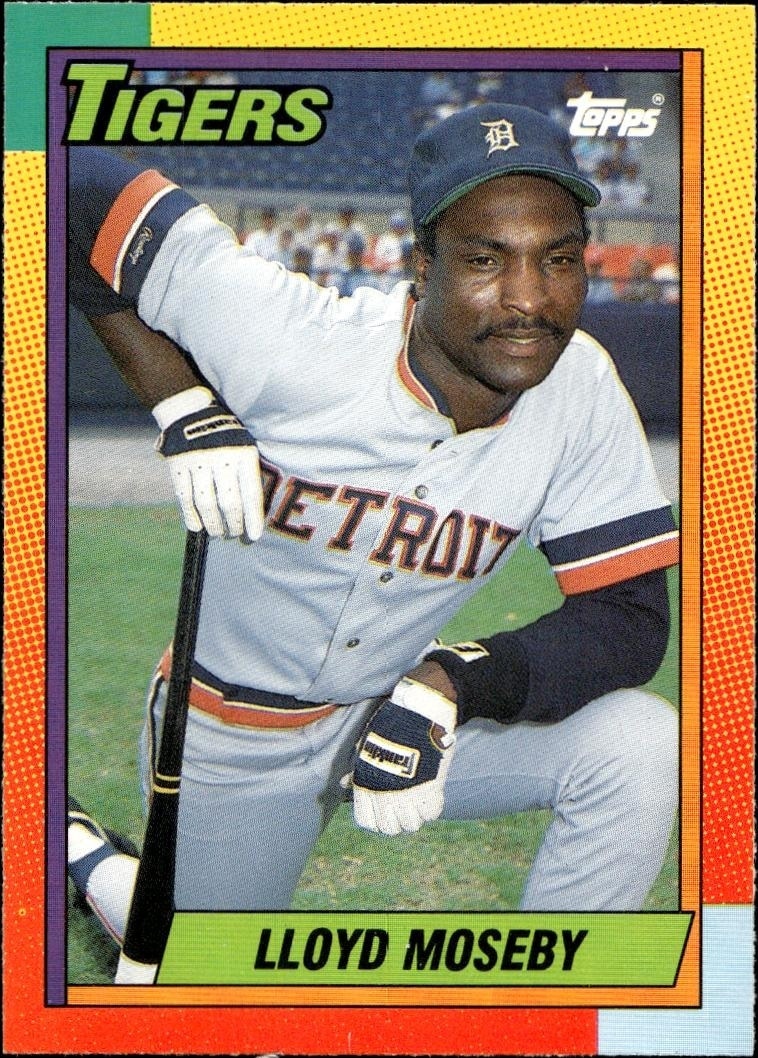
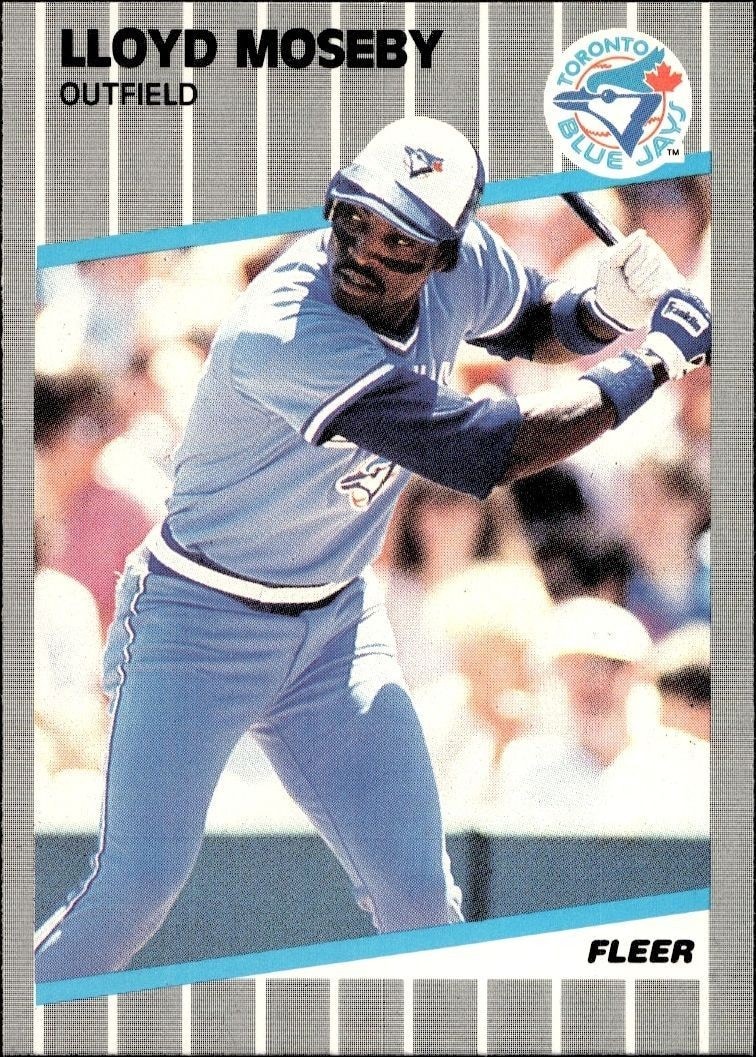
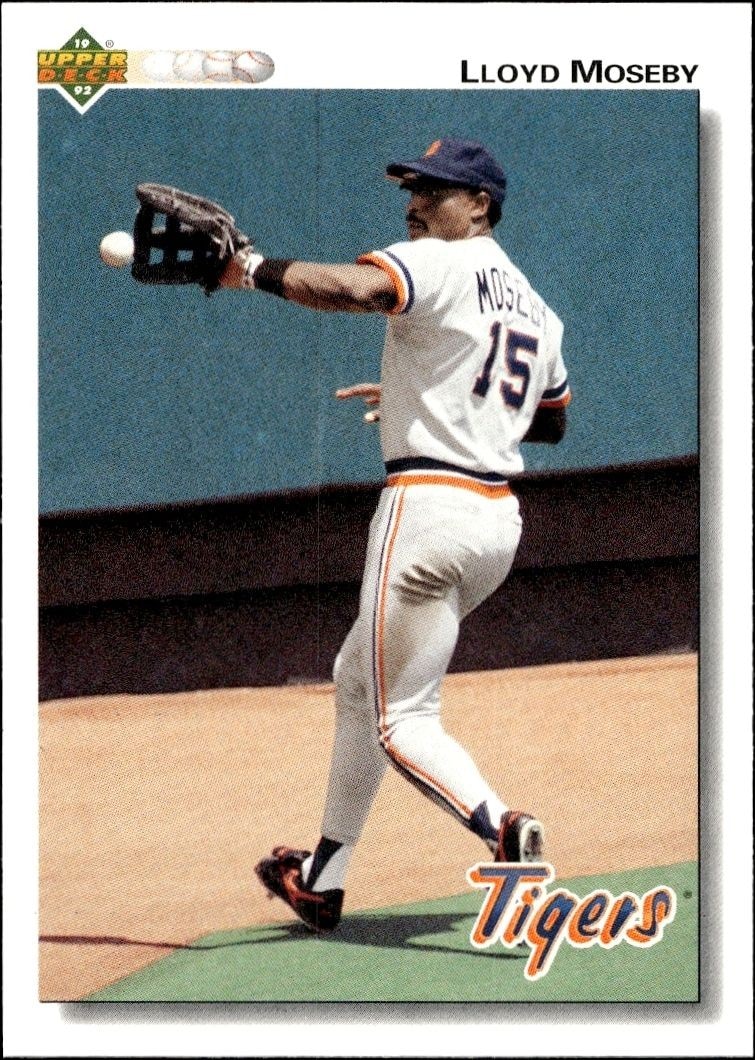


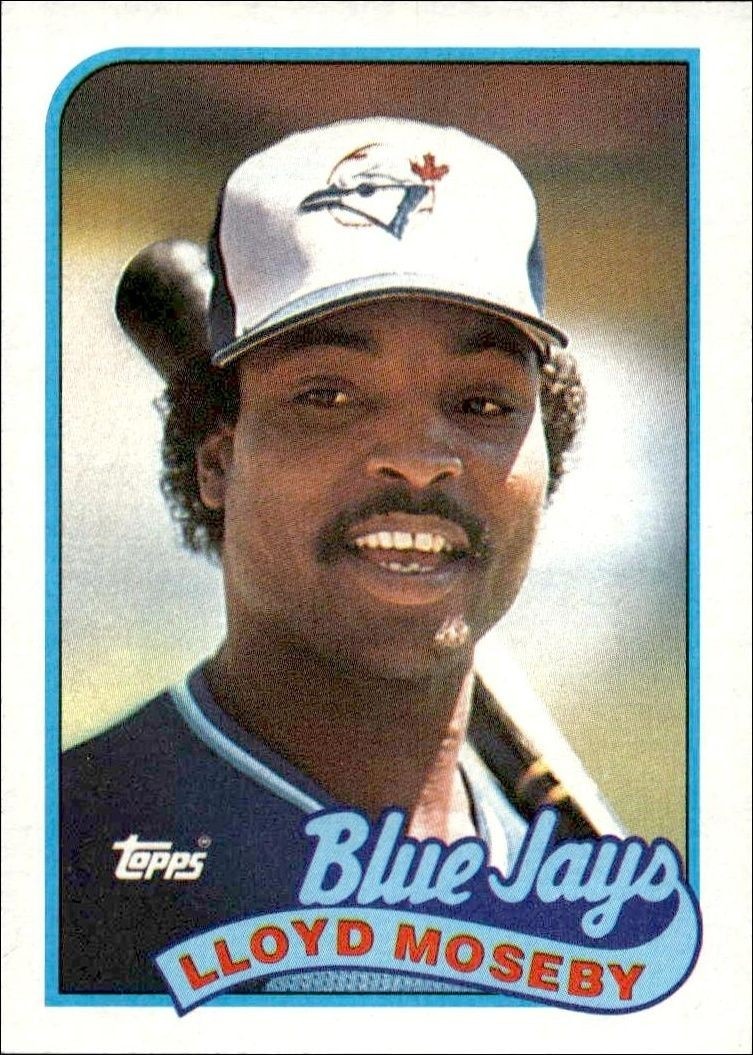
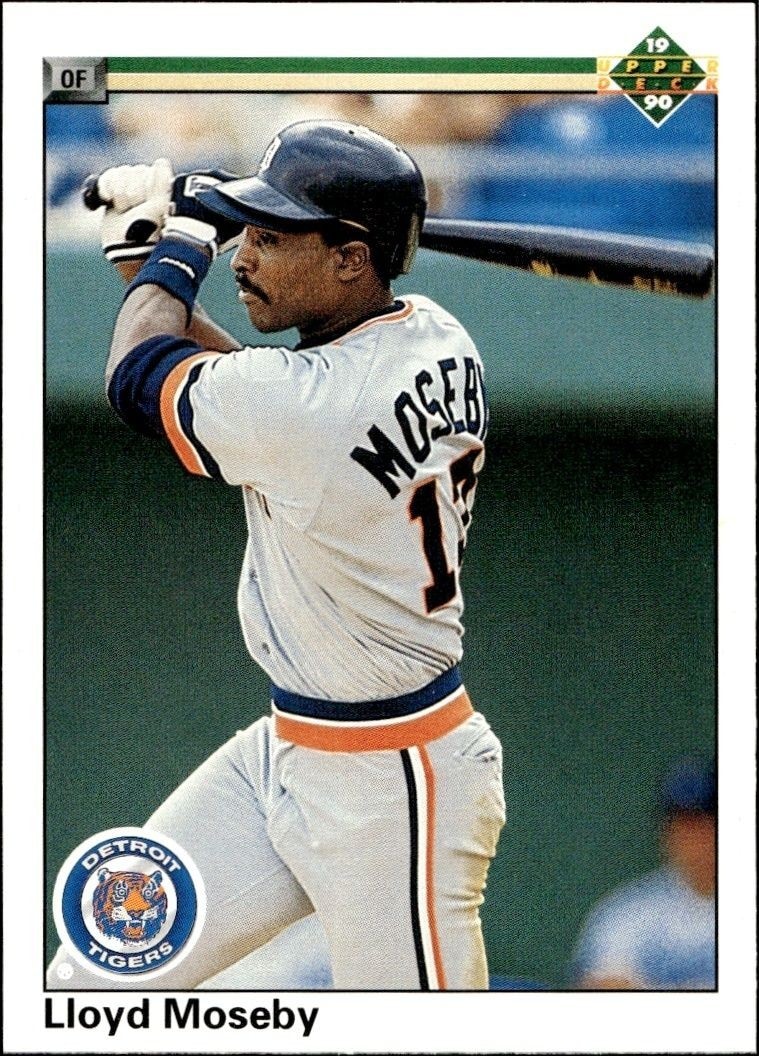
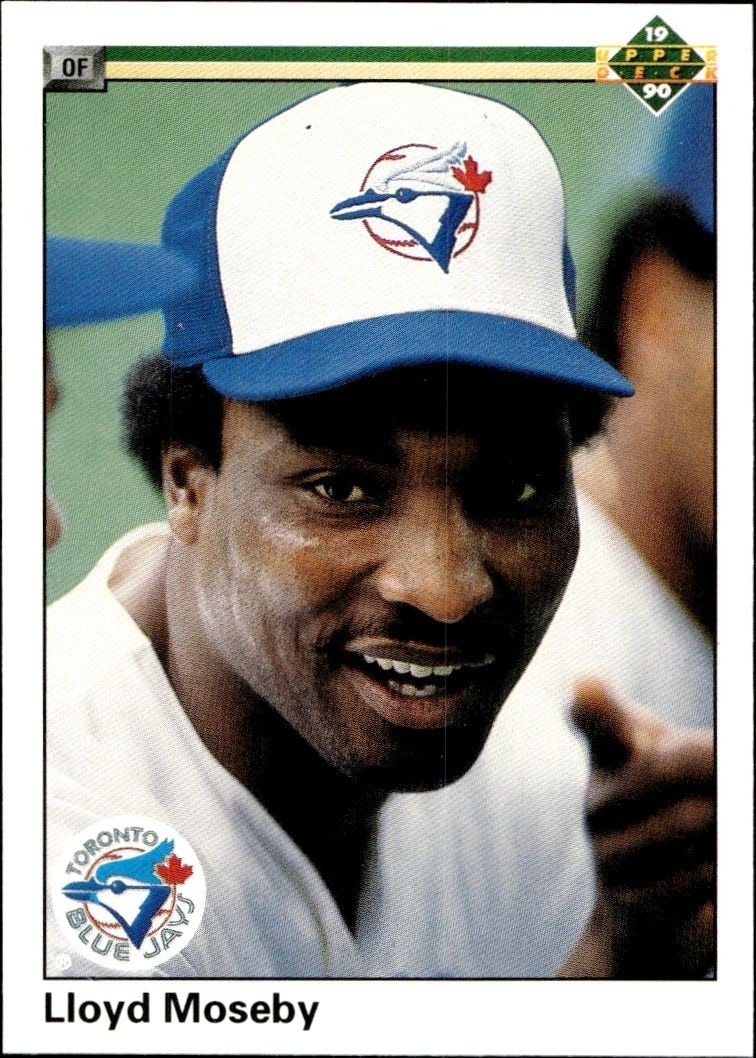
Explore the 1988 Donruss Baseball's Best Lloyd Moseby #199, a vintage Toronto Blue Jays sports card that captures the team's rising prominence in the late 1980s.
1988 • Donruss • Baseball's Best
Major League Baseball • Toronto Blue Jays
Excellent
199
New
Shipping Calculated at Checkout
Arrives in 5-7 daysEstimated delivery October 23, 2026 - October 25, 2026
Seller returns October 19, 2026.30-day Returns| Condition | Value | Source | Trend | Price Details |
|---|---|---|---|---|
$1.34 | Asking Prices | +3.1% | ||
Raw / Ungraded
eBay Active Listings · Asking Prices evidence · captured Oct 18, 2026
The 1988 Donruss Baseball's Best series remains a cornerstone for vintage baseball card collectors, offering a distinct visual identity that set it apart from other releases of the era. Lloyd Moseby, card number 199, is featured prominently in this collection, representing his tenure with the Toronto Blue Jays during a pivotal time in the franchise's history. As one of the key outfielders for the Blue Jays, Moseby's inclusion in this Donruss release provides collectors with a tangible link to the team's developing roster before their consecutive World Series appearances. For enthusiasts of 1980s sports memorabilia, this card serves as a vital component for those looking to complete the full Baseball's Best checklist. Collectors often seek out specific numbers like #199 to round out their sets, appreciating the historical context it provides regarding the Blue Jays' lineup during this period. Whether you are a dedicated Blue Jays fan or a generalist collector focusing on vintage baseball, the 1988 Donruss Baseball's Best Lloyd Moseby card offers a piece of sports history. It allows investors and hobbyists to acquire a direct connection to the late 1980s baseball landscape. The card's enduring appeal lies in its simplicity and the clarity with which it documents Moseby's contribution to the team during these formative years.
1 day ago
We'll pre-fill the product details from this catalog entry, so your listing lands on this exact page. Just add photos of your copy, pick its condition, and set your price.
The catalog profile below summarizes the card identity, featured subject, and notable collectible traits.
The core identity of the card within the set.
The subject, team, league, and sport context tied to this card.
Production details and format-specific attributes.
Material
Card Stock
Language
English
Compare prices, grades, photos, and shipping from approved sellers.
New
Excellent
See how many public collections currently include this card.
0 collectors have this card
This 1988 Donruss Baseball's Best card represents an entry-level tier for Lloyd Moseby collectibles, reflecting its status as a standard base issue rather than a premium insert. While Moseby holds significance as a key player during the Toronto Blue Jays' early championship era, this specific iteration lacks the scarcity or visual appeal that typically commands a premium over his more sought-after rookie or high-end parallels. The current market positioning suggests it trades at a modest level, suitable for completing base set requirements rather than serving as a primary investment piece.
The card is identified as a standard base issue with no noted special attributes such as serial numbering, short printing, or parallel finishes. Consequently, the supply is determined by the original print run of the 1988 Donruss Baseball's Best set, which is generally high compared to limited-edition releases. Without exclusive scarcity mechanics like one-of-one designs or low-number serials, the card remains widely available relative to its higher-tier counterparts in the same product line.
As a non-rookie card from a mid-career period, this item does not benefit from the rookie-card premium mechanics that typically drive long-term value appreciation for players of Moseby's stature. Collector demand is likely driven primarily by those assembling complete sets of the 1988 Donruss Baseball's Best series rather than speculative interest in the player's individual trajectory. Investment potential is therefore limited to modest gains associated with general vintage sports card market trends, rather than specific scarcity or milestone-driven demand.
