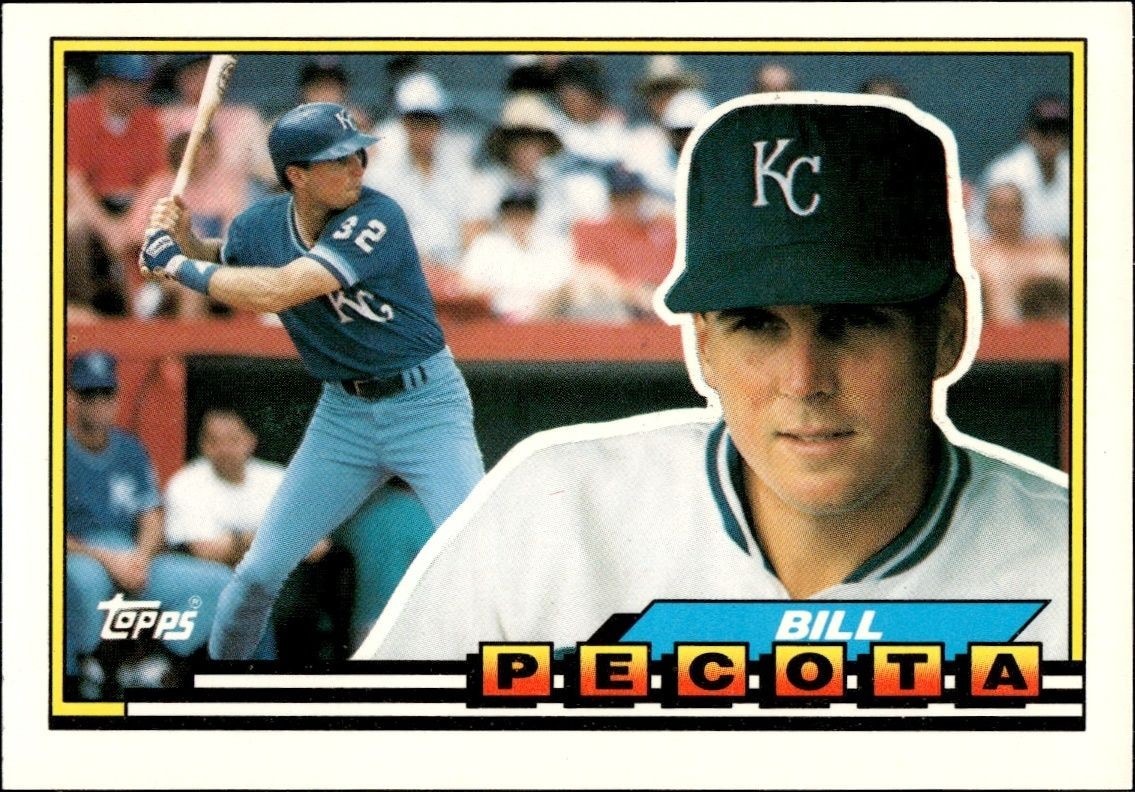


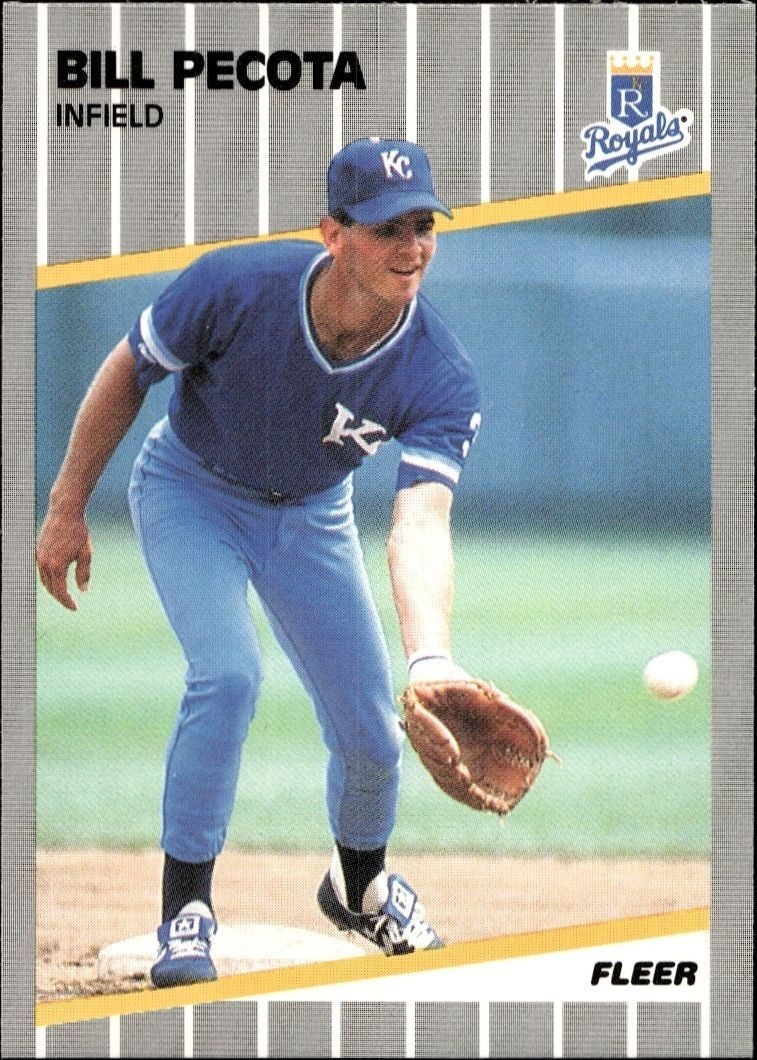
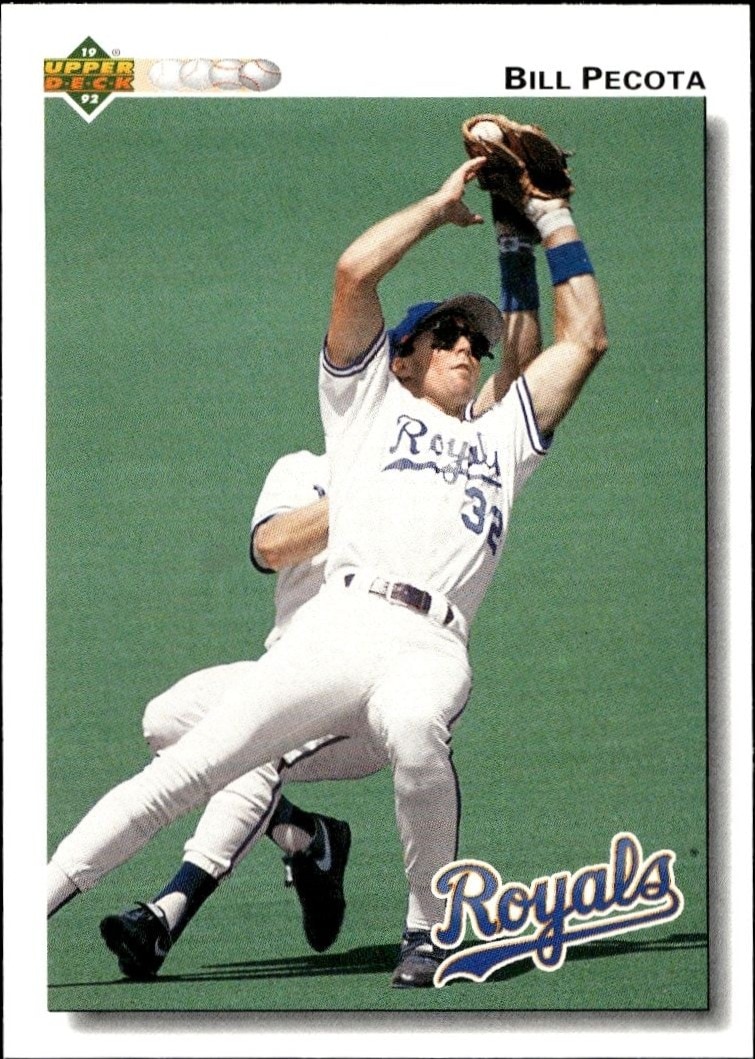
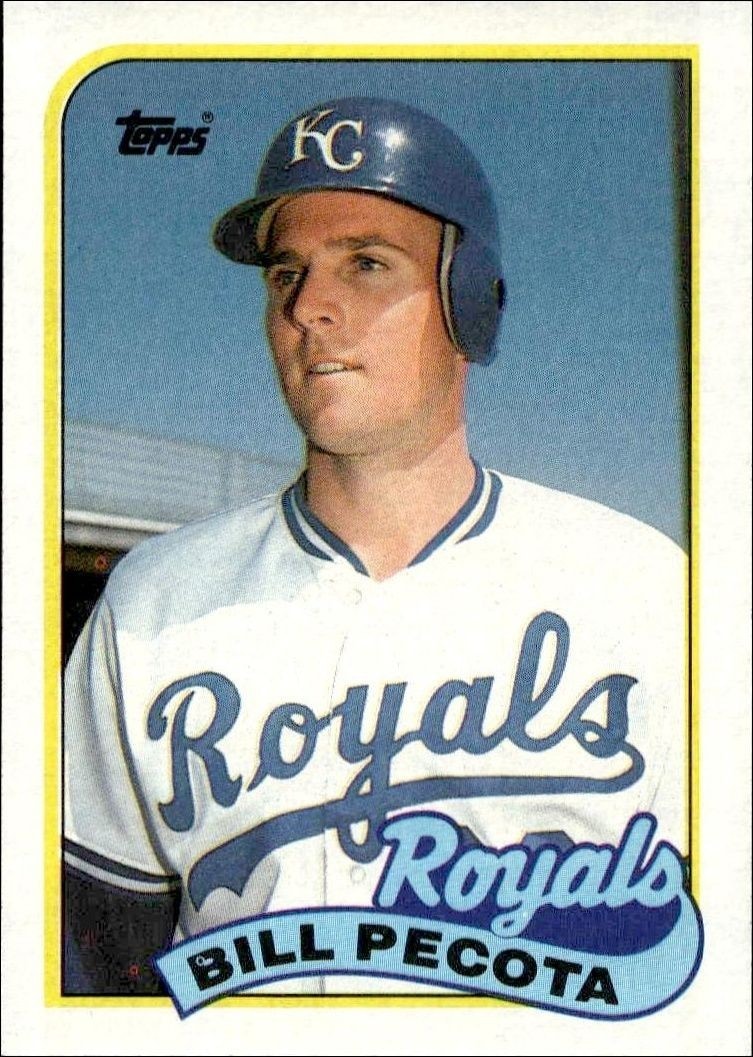
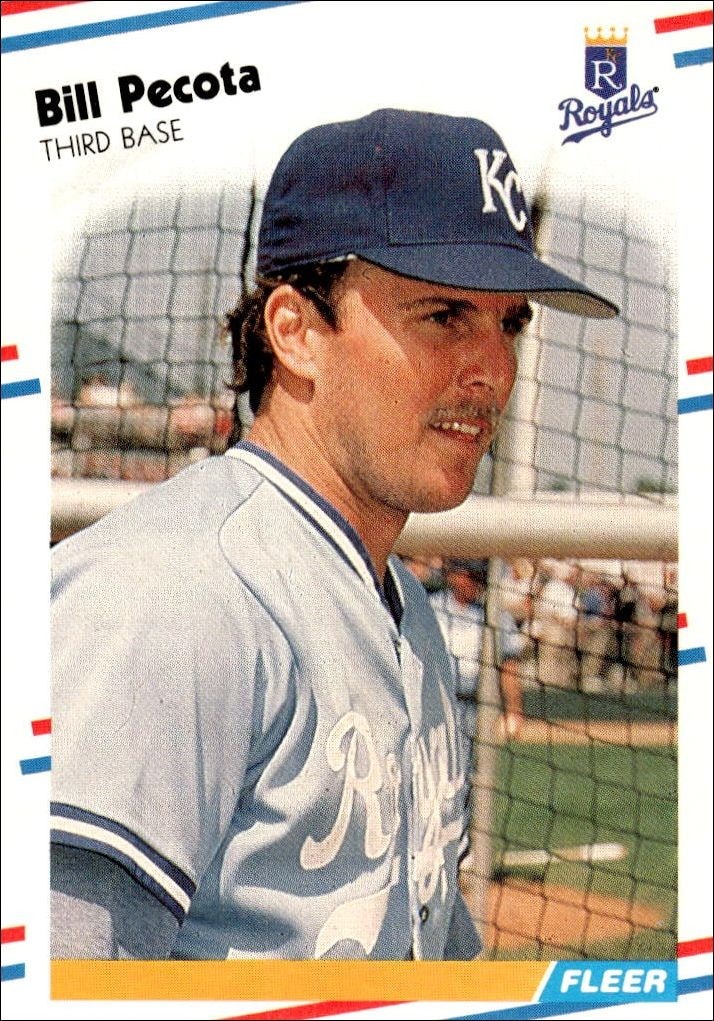
The 1988 Donruss Bill Pecota #466 baseball card represents a specific snapshot of the Kansas City Royals roster during the late 1980s MLB era.
1988 • Donruss
Major League Baseball • Kansas City Royals
Near Mint
466
New
Shipping Calculated at Checkout
Arrives in 4-6 daysEstimated delivery October 30, 2026 - November 1, 2026
30-day Returns| Condition | Value | Source | Trend | Price Details |
|---|---|---|---|---|
$0.99 | Asking Prices | 0% | ||
Raw / Ungraded
eBay Active Listings · Asking Prices evidence · captured Oct 17, 2026
The 1988 Donruss Bill Pecota #466 baseball card captures a moment from the late 1980s Major League Baseball landscape, specifically highlighting Bill Pecota’s tenure with the Kansas City Royals. As part of the iconic 1988 Donruss release, this card is recognized by collectors for its distinctive bright red border design that defined the brand's aesthetic during that period. For enthusiasts of vintage sports cards, this product provides access to a tangible piece of baseball history, allowing collectors to explore the rosters of teams from this era. Bill Pecota, listed as card number 466 in the set, offers a connection to the Kansas City Royals organization during a transitional time in franchise history. Collectors often seek out cards from the 1988 Donruss series due to the set's widespread distribution and the clarity of its photography, which remains a favorite among those who appreciate the straightforward design language of 1980s baseball card production. While Pecota was not a rookie in 1988, his inclusion in this base set makes it a relevant item for those building comprehensive collections of Royals players or focusing on the broader 1988 baseball card market. Whether you are looking to complete a base set of 1988 Donruss cards or acquire a specific player card to round out a team collection, this product serves as a foundational element for serious hobbyists. The 1988 Donruss Bill Pecota #466 card remains a popular choice for those interested in the visual and historical aspects of baseball trading cards from the late 1980s. By focusing on the catalog identity, collectors can appreciate the card as a standalone artifact of sports memorabilia, independent of any specific graded slab or market fluctuation.
6 days ago
We'll pre-fill the product details from this catalog entry, so your listing lands on this exact page. Just add photos of your copy, pick its condition, and set your price.
The catalog profile below summarizes the card identity, featured subject, and notable collectible traits.
The subject, team, league, and sport context tied to this card.
Production details and format-specific attributes.
Material
Card Stock
Language
English
Compare prices, grades, photos, and shipping from approved sellers.
New
Near Mint
See how many public collections currently include this card.
0 collectors have this card
This 1988 Donruss Bill Pecota card sits at the entry-level tier of the hobby, reflecting its status as a common base card from a mass-produced set. While it lacks the premium valuation seen in rookie cards or short-print parallels of the era, it remains an accessible piece for collectors focusing on Kansas City Royals history. The current market presence indicates a stable but low-demand environment typical for non-star players from this specific production year.
As a standard base card with no noted special attributes, this item carries the highest possible supply within the 1988 Donruss Baseball set. It does not benefit from serial numbering, short-print designations, or parallel variations that typically constrain availability. Consequently, the scarcity profile is entirely defined by its common status, meaning supply is abundant and not artificially limited by production caps.
Investment potential is limited due to the absence of rookie card status and the lack of distinctive parallel or short-print attributes that drive collector demand. While it serves as a historical artifact for Royals fans, it does not possess the scarcity mechanics or star-power appeal necessary for significant appreciation. Collectors are more likely to acquire this for bulk filling rather than as a standalone asset for value growth.