








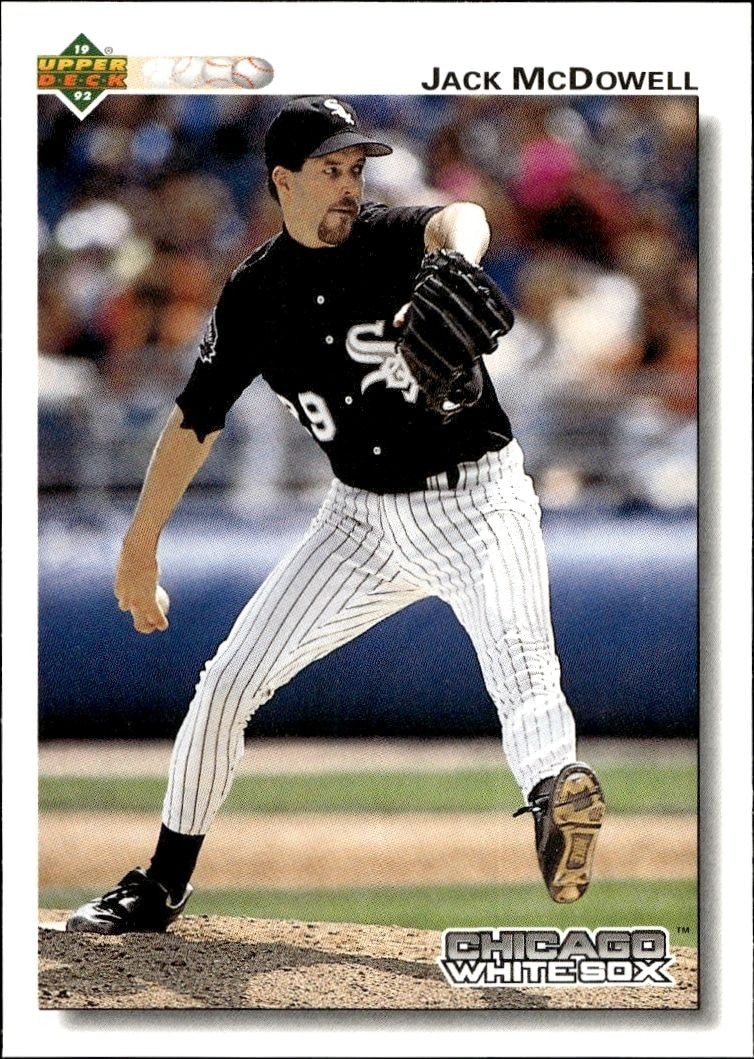
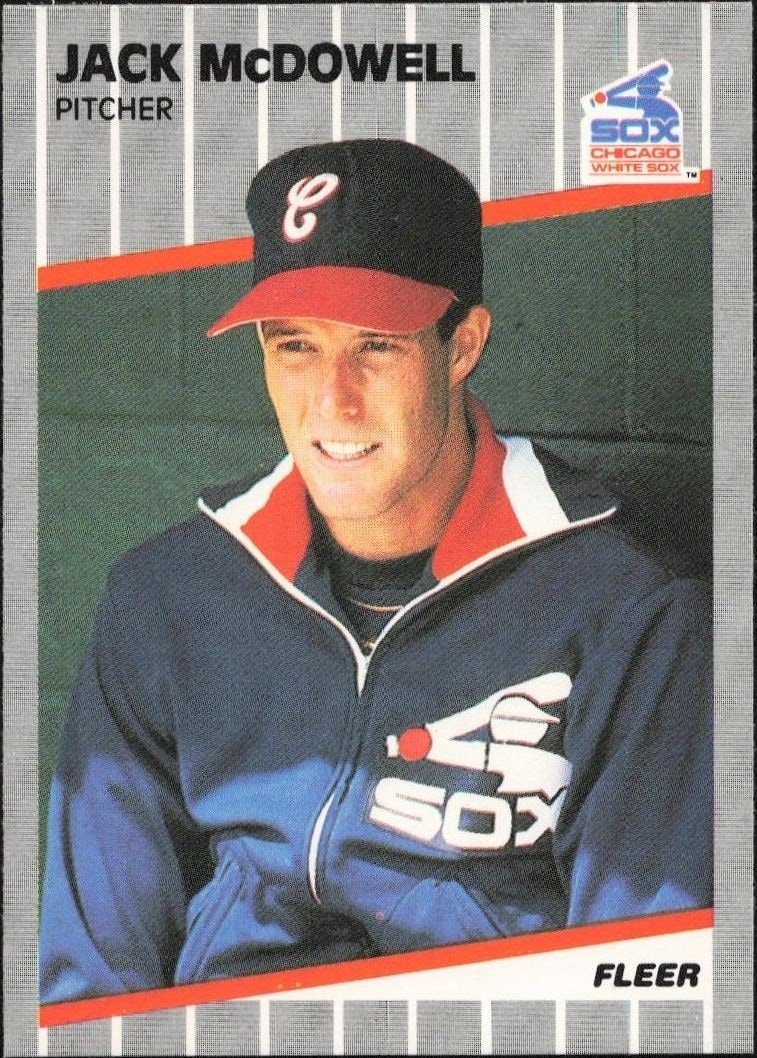



The 1988 Topps Traded #68T showcases Chicago White Sox pitcher Jack McDowell, a key insert for vintage baseball card sets.
1988 • Topps • Traded
Major League Baseball • Chicago White Sox
Excellent
68T
New
Shipping Calculated at Checkout
Arrives in 5-7 daysEstimated delivery October 29, 2026 - October 31, 2026
30-day Returns| Condition | Value | Source | Trend | Price Details |
|---|---|---|---|---|
$1.49 | Guide Estimate | 0% | ||
$0.99 | Guide Estimate | 0% | ||
$10.34 | Guide Estimate | 0% | ||
$13.16 | Guide Estimate | 0% | ||
$34.00 | Guide Estimate | 0% | ||
$45.00 | Guide Estimate | 0% | ||
$14.00 | Guide Estimate | -33.3% | ||
$34.99 | Guide Estimate | 0% | ||
$21.00 | Guide Estimate | 0% | ||
Raw / Ungraded
PriceCharting Price Guide · Guide Estimate evidence · captured Oct 24, 2026
Among these insert cards, number 68T highlights Jack McDowell of the Chicago White Sox, capturing the dynamic roster movements that define this era of sports card collecting. This product represents a distinct piece of baseball history, offering enthusiasts a tangible connection to the late 1980s professional landscape. Jack McDowell, featured here as a White Sox pitcher, adds significant narrative weight to the set for fans of the franchise and vintage baseball memorabilia. The card’s inclusion in the Traded subset distinguishes it from the base set, providing a unique identifier (#68T) that collectors use to organize and complete their collections. Whether you are building a complete set or targeting specific players like Jack McDowell, this card offers a focused addition to any baseball hobby collection. The enduring appeal of 1980s baseball cards continues to drive interest in this era, with the Traded subset remaining a popular category for both casual fans and serious investors in sports memorabilia. For those passionate about the Chicago White Sox or the broader history of MLB, this 1988 Topps Traded card stands as a valuable component of a well-rounded collection. It reflects the vibrant design and roster dynamics of the late 1980s, making it a relevant item for anyone interested in the evolution of baseball trading cards.
3 days ago
We'll pre-fill the product details from this catalog entry, so your listing lands on this exact page. Just add photos of your copy, pick its condition, and set your price.
The catalog profile below summarizes the card identity, featured subject, and notable collectible traits.
The core identity of the card within the set.
The subject, team, league, and sport context tied to this card.
Production details and format-specific attributes.
Material
Card Stock
Language
English
Compare prices, grades, photos, and shipping from approved sellers.
New
Excellent
See how many public collections currently include this card.
0 collectors have this card
This 1988 Topps Traded card of Jack McDowell represents a foundational entry into his career, currently trading at a modest price point that reflects its status as a common base parallel. While it lacks the premium valuation of graded examples or scarce parallels, it serves as an accessible threshold for collectors targeting early White Sox era memorabilia. The single active listing suggests a liquid but low-volume market where minor supply fluctuations can impact immediate availability.
As a standard base card from the 1988 Topps Traded set, this item carries no serial numbering, short-print designations, or unique one-of-one characteristics that would artificially constrain supply. Its scarcity is determined solely by general production volume and current survivorship rates among ungraded copies, making it widely available compared to parallel variants. The absence of special attributes means its rarity is purely qualitative, relying on the inherent nostalgia of the era rather than mechanical scarcity.
While this specific card is not a rookie, it captures McDowell's early MLB presence during a pivotal time for the Chicago White Sox, appealing to fans of the franchise's late-80s roster. Demand is likely driven by completists filling gaps in vintage Topps Traded sets rather than speculative growth, given the high print run of the base set. Long-term value appreciation will depend on broader market trends for 1980s baseball rather than individual card scarcity, making it a stable holding for portfolio diversification rather than a high-growth asset.