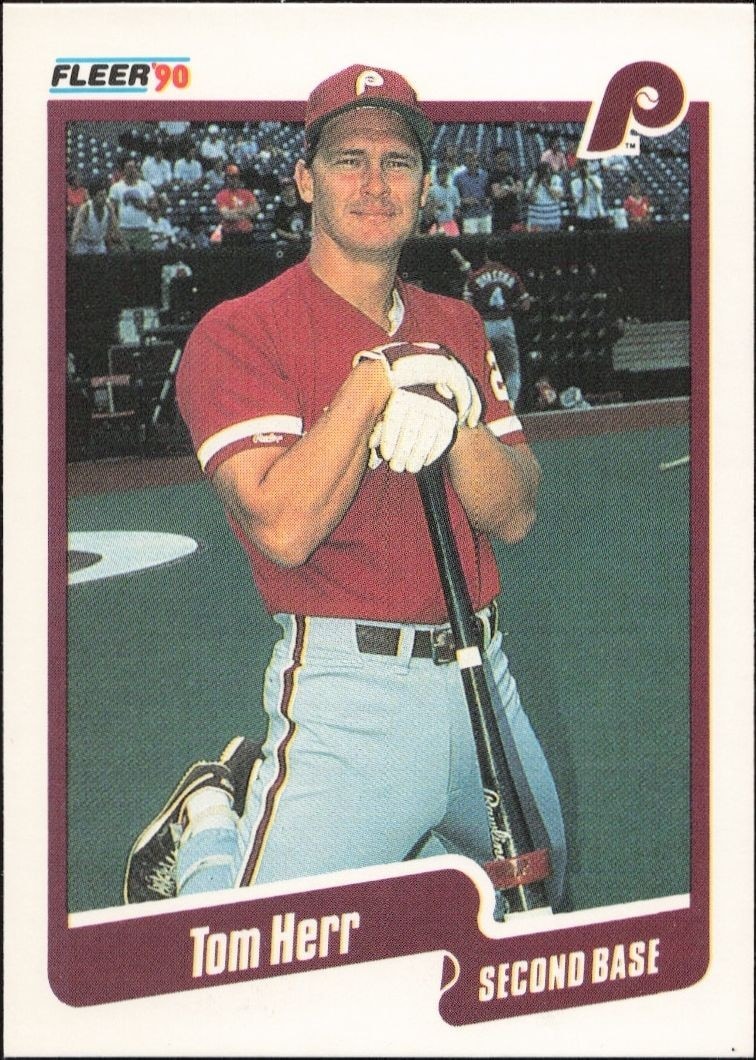






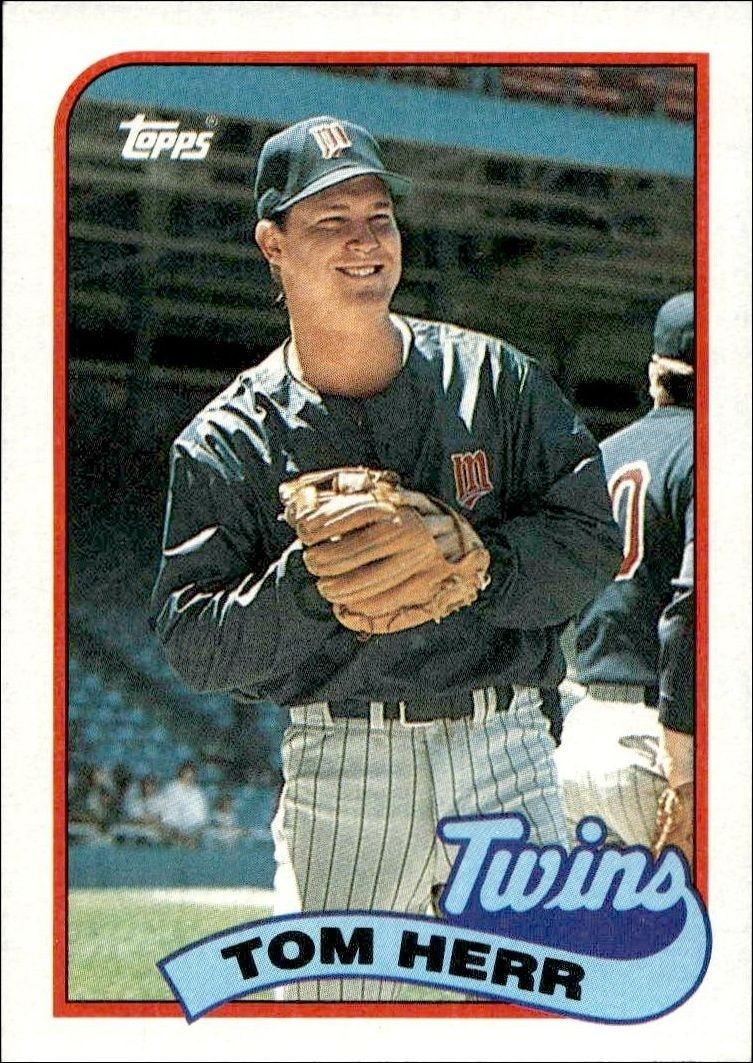


The 1988 Topps Traded Tom Herr #49T baseball card captures the Minnesota Twins player during a key period in his career. This vintage Topps Traded release offers collectors a tangible piece of baseball history with its distinctive traded set design.
1988 • Topps • Traded
Major League Baseball • Minnesota Twins
Excellent
49T
New
Shipping Calculated at Checkout
Arrives in 4-6 daysEstimated delivery October 24, 2026 - October 26, 2026
30-day Returns| Condition | Value | Source | Trend | Price Details |
|---|---|---|---|---|
$1.29 | Guide Estimate | -1.5% | ||
$32.00 | Guide Estimate | 0% | ||
$15.00 | Guide Estimate | 0% | ||
$24.39 | Guide Estimate | 0% | ||
$15.00 | Guide Estimate | 0% | ||
Raw / Ungraded
PriceCharting Price Guide · Guide Estimate evidence · captured Oct 16, 2026
The 1988 Topps Traded Tom Herr #49T baseball card represents a significant entry for collectors interested in vintage sports memorabilia from the late 1980s. As part of the Topps Traded series, this card differs from the regular base set, often featuring players who changed teams or had notable mid-season performances. Tom Herr, associated with the Minnesota Twins in this product, brings a layer of team history to this card. For collectors focusing on specific franchises or player careers, this card serves as a crucial piece in documenting his journey. Collecting this card allows hobbyists to dive into a specific era of baseball history. Whether you are building a complete set of the 1988 Topps Traded series or focusing on individual player collections, this card offers a direct connection to the sport's past. The catalog-identity nature of this product ensures that it stands as a definitive reference for Herr's time with the Twins in that specific year. By focusing on the catalog details, collectors can trust that they are viewing accurate information about the 1988 Topps Traded Tom Herr #49T baseball card. This approach helps in making informed decisions about adding this piece to your collection, ensuring that the focus remains on the card's historical and collecting value rather than transient market fluctuations.
19 hours ago
We'll pre-fill the product details from this catalog entry, so your listing lands on this exact page. Just add photos of your copy, pick its condition, and set your price.
The catalog profile below summarizes the card identity, featured subject, and notable collectible traits.
The core identity of the card within the set.
The subject, team, league, and sport context tied to this card.
Production details and format-specific attributes.
Material
Card Stock
Language
English
Compare prices, grades, photos, and shipping from approved sellers.
New
Excellent
See how many public collections currently include this card.
0 collectors have this card
This 1988 Topps Traded card of Tom Herr sits in an accessible entry-level price tier, reflecting his status as a solid veteran contributor rather than a franchise cornerstone. The current listing availability suggests a thin market with limited immediate liquidity, which can create slight volatility for quick transactions. As a base card from a high-volume set, it lacks the premium pricing power of parallels or rare inserts, trading strictly on its nostalgic value to collectors of 1980s baseball.
The card carries no specific scarcity attributes such as serial numbering, short printing, or parallel variations, meaning it exists in standard base distribution quantities. Supply is effectively unlimited relative to demand, as these cards were mass-produced and remain widely available in the secondary market. Without any unique identifiers or limited-edition markings, the item relies entirely on its condition and authenticity rather than inherent rarity for collector interest.
As a non-rookie card from a standard base set, this item does not benefit from rookie-card appreciation mechanics or scarcity-driven value retention. Demand is primarily driven by nostalgia for the late 1980s era and specific team completists rather than broad investor speculation. While it offers low barrier-to-entry exposure to the sport, it lacks the structural drivers typically associated with significant long-term capital appreciation.