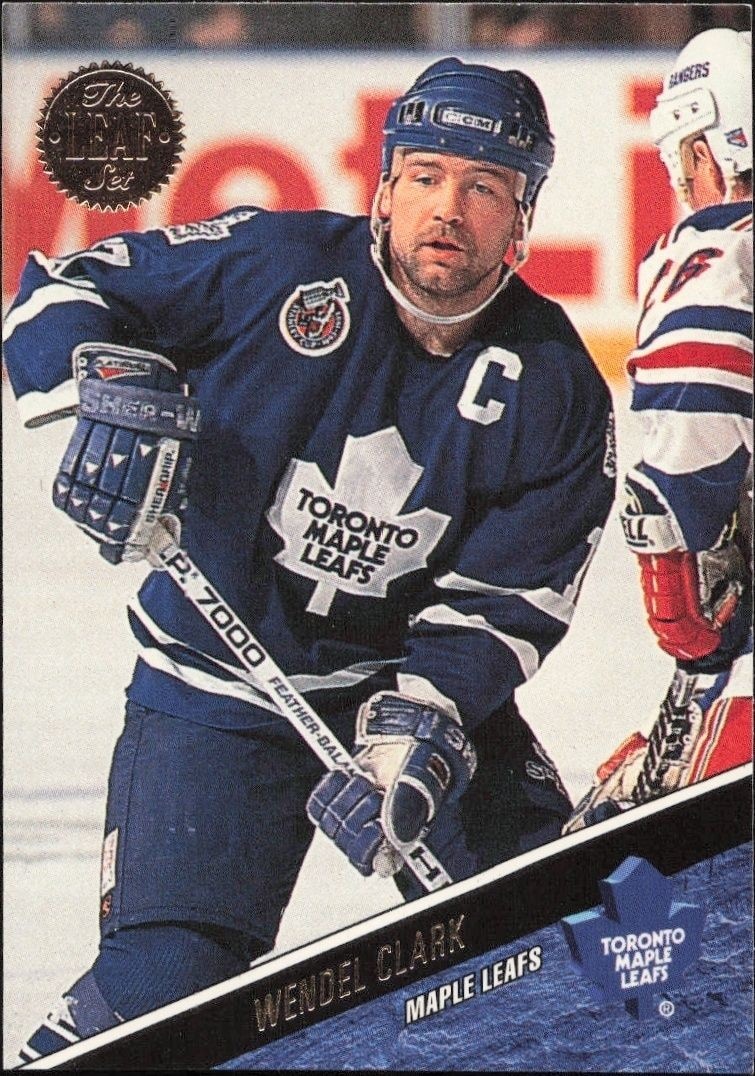

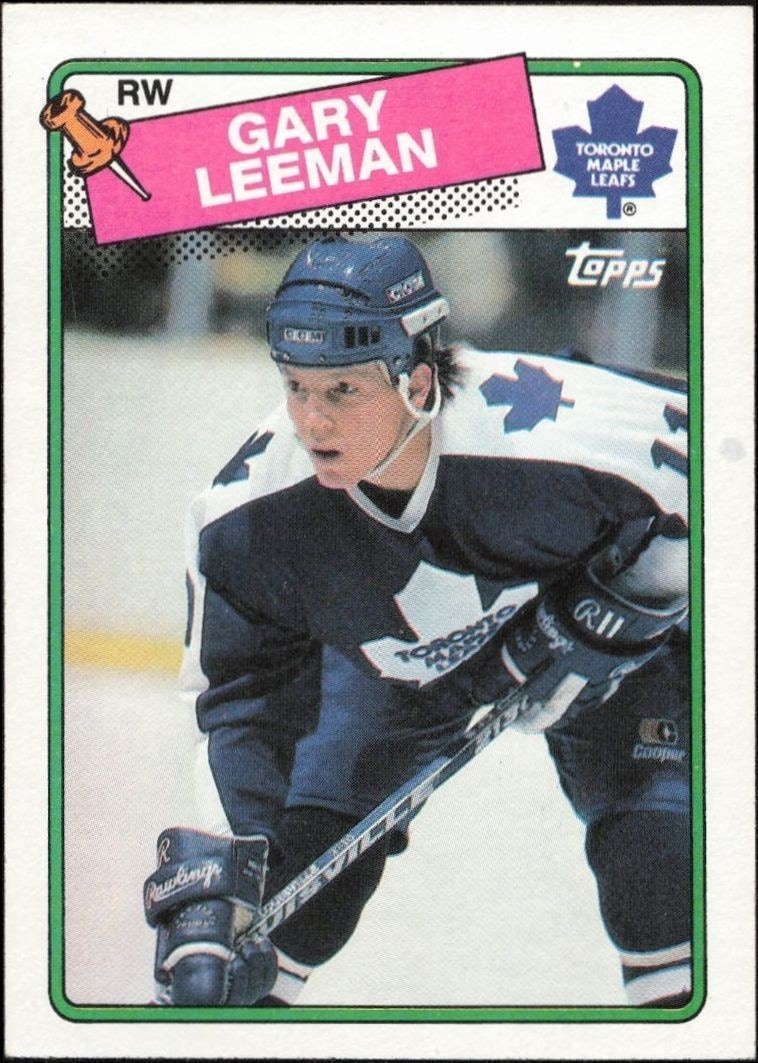
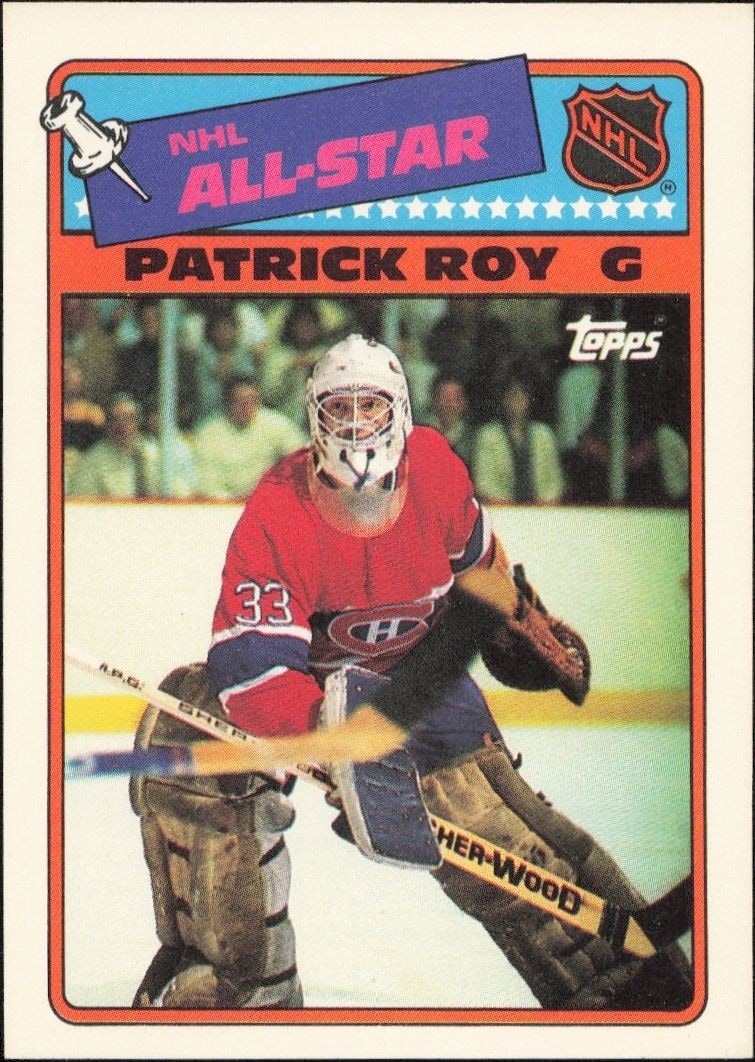
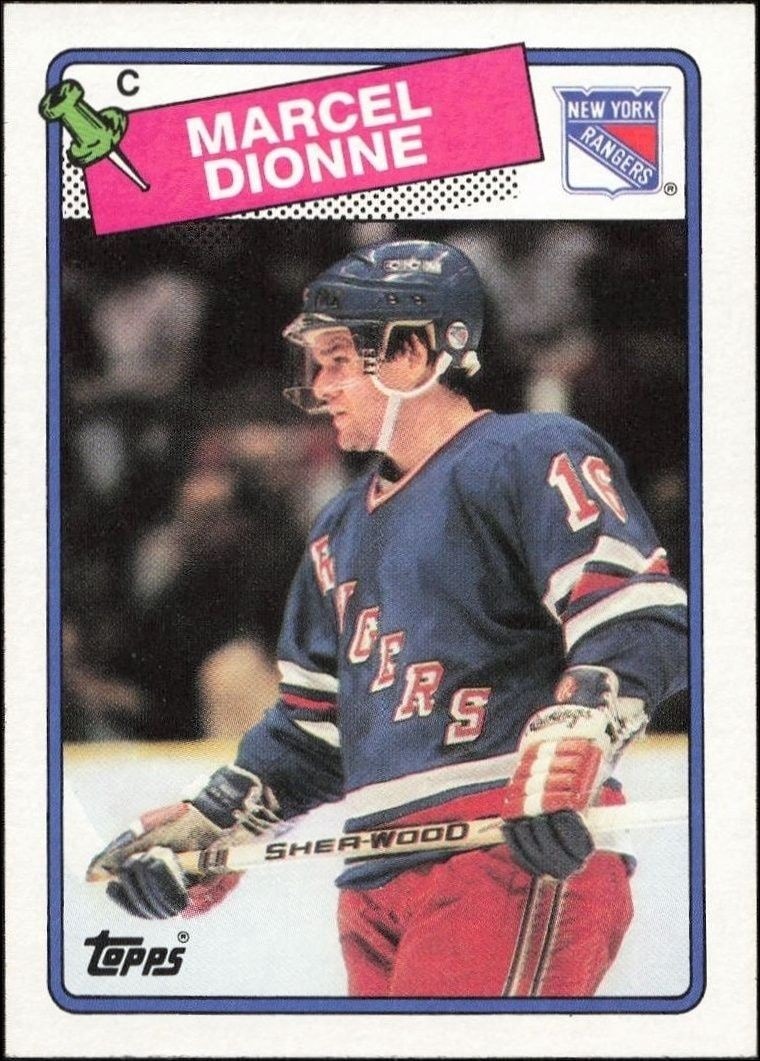
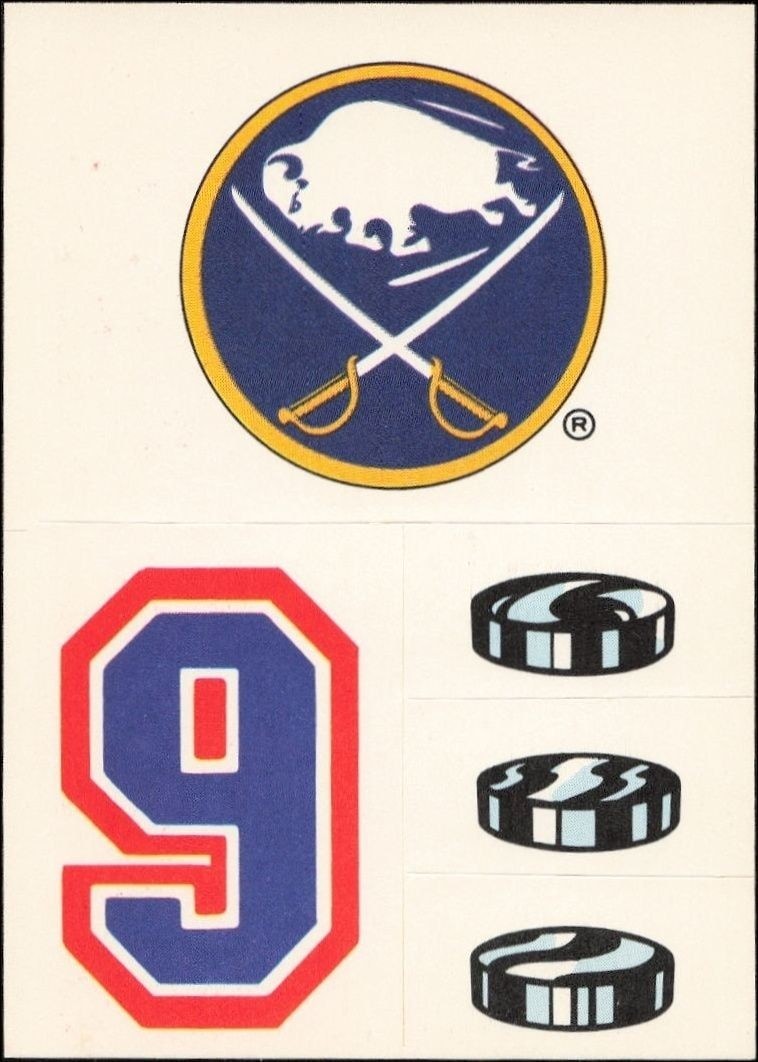

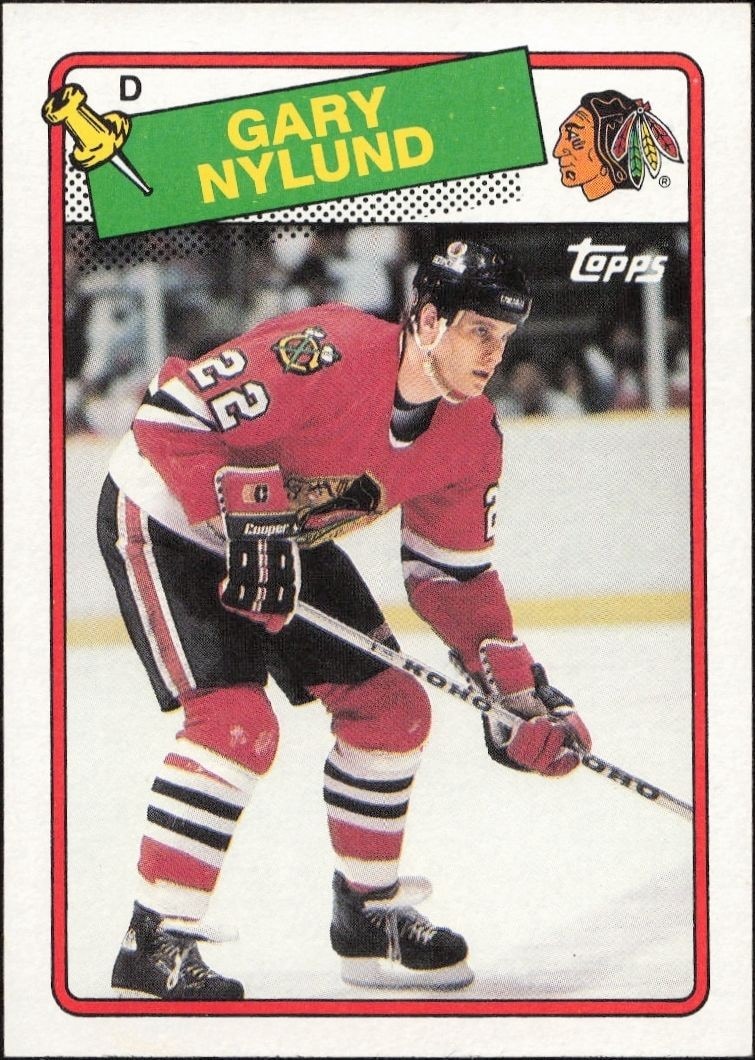
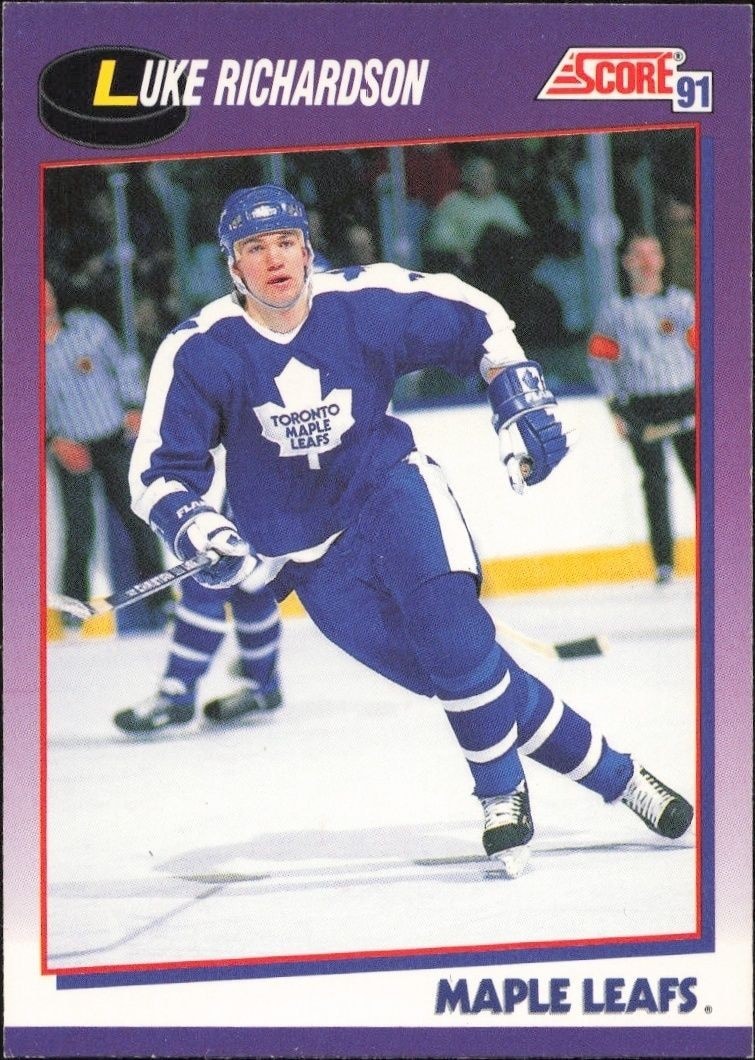
The 1989-90 Topps Sticker Inserts hockey card, card number 13, featuring the Toronto Maple Leafs. A distinct addition to any vintage NHL collection.
1989-90 • Topps • Sticker Inserts
National Hockey League • Toronto Maple Leafs
Near Mint
13
New
Shipping Calculated at Checkout
Arrives in 5-7 daysEstimated delivery October 23, 2026 - October 25, 2026
Seller returns October 19, 2026.30-day Returns| Condition | Value | Source | Trend | Price Details |
|---|---|---|---|---|
$0.99As of 9/27/2026 | Asking Prices | |||
Raw / Ungraded
eBay Active Listings · Asking Prices evidence · captured Sep 27, 2026
History is building. At least two days of matching observations are needed to show a trend.
Each point is the last stored observation that day for this printing, condition, grader, autograph status and source. Gaps mean no observation; guide estimates and asking prices are not completed sales.The 1989-90 Topps Sticker Inserts series offers a unique glimpse into the NHL landscape of the late 1980s and early 1990s. Card number 13 highlights the Toronto Maple Leafs, capturing the team's identity during a pivotal era in league history. As an insert release, this sticker format provides a distinct aesthetic compared to the base Topps hockey cards of the time, appealing to collectors who appreciate the variety within the 1989-90 Topps set. For enthusiasts of vintage sports memorabilia, this product serves as a tangible connection to the Toronto Maple Leafs during the 1989-90 season. The sticker insert category is known for its tactile quality and distinct finish, making these cards stand out in album layouts and binder pages. Collectors often seek out specific team inserts to complete thematic subsets or to round out their broader hockey collections. Whether you are building a complete set of the 1989-90 Topps Hockey Sticker Inserts or focusing on specific franchises, this card represents a key piece of the era's trading card landscape. The combination of the Topps brand, the iconic Maple Leafs name, and the insert designation makes it a notable item for hobbyists. As the market for vintage hockey cards continues to evolve, understanding the context of insert releases like this one helps collectors make informed decisions about their acquisitions. By focusing on the specific attributes of the 1989-90 Topps Sticker Inserts, collectors can appreciate the historical significance of each card within the broader scope of NHL trading card history. This product remains a relevant piece for those interested in the evolution of hockey card design and team representation during the turn of the decade.
15 hours ago
We'll pre-fill the product details from this catalog entry, so your listing lands on this exact page. Just add photos of your copy, pick its condition, and set your price.
The catalog profile below summarizes the card identity, featured subject, and notable collectible traits.
The core identity of the card within the set.
The subject, team, league, and sport context tied to this card.
Production details and format-specific attributes.
Material
Card Stock
Language
English
Compare prices, grades, photos, and shipping from approved sellers.
New
Near Mint
See how many public collections currently include this card.
0 collectors have this card
Team cards from the late 1980s typically trade at a distinct premium relative to base player cards from the same set, driven primarily by set completionists seeking the final pieces of their collection. As a checklist or logo card, its value is anchored by the scarcity of high-grade examples available on the secondary market rather than individual star power. The current listing environment suggests a niche demand where condition sensitivity plays a larger role in pricing than broad speculative interest.
This item appears to be a base parallel or checklist insert within the 1989-90 Topps Hockey set, lacking specific serial numbering or short-print designations that would artificially constrain supply. The absence of unique scarcity markers means its rarity is derived from the overall print run distribution of the main set rather than a limited subset. Consequently, the supply is determined by the total production volume of the base product rather than specialized manufacturing constraints.
The 1989-90 era represents a transitional period in hockey card design, offering steady demand from collectors focusing on franchise history rather than individual player trajectories. Long-term value preservation relies on the sustained activity of set builders who require specific team cards to complete their collections, creating a stable but modest ceiling. The card’s worth is tied to the enduring appeal of the franchise within the set, making it a functional asset for completionists rather than a high-growth speculative vehicle.