


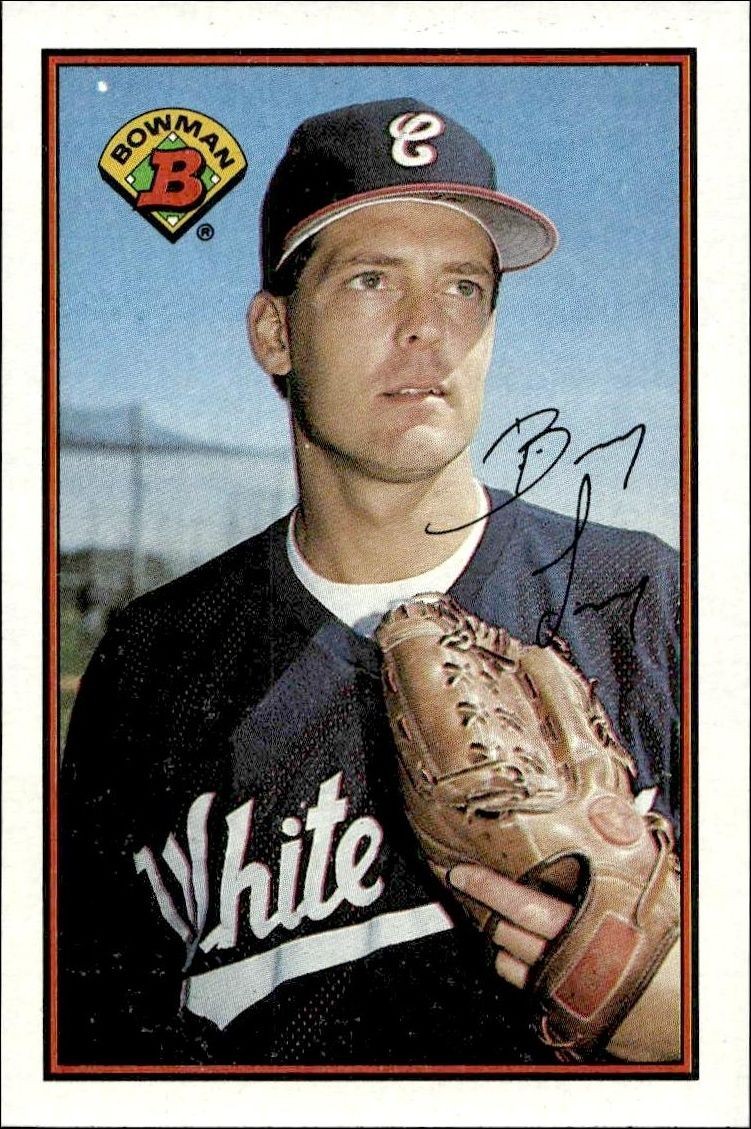

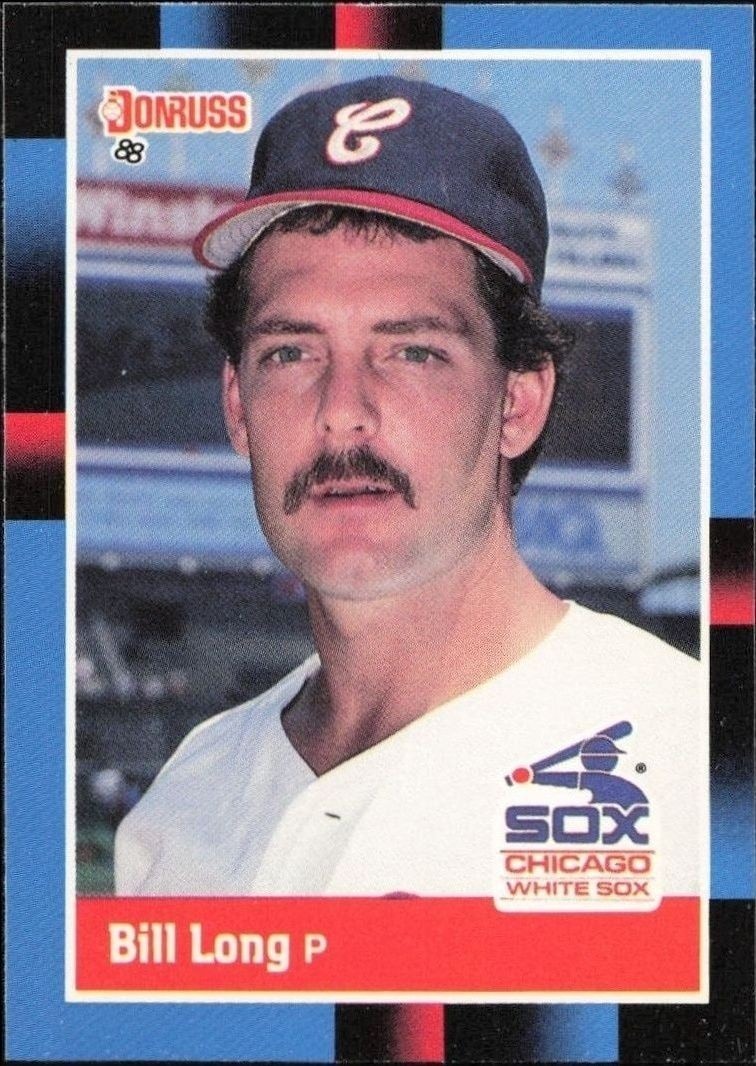

The 1989 Fleer #501 featuring Bill Long offers a classic snapshot of the Chicago White Sox player from this iconic trading card release.
1989 • Fleer
Major League Baseball • Chicago White Sox
Near Mint
501
New
Shipping Calculated at Checkout
Arrives in 4-6 daysEstimated delivery October 24, 2026 - October 26, 2026
30-day Returns| Condition | Value | Source | Trend | Price Details |
|---|---|---|---|---|
$1.00 | Guide Estimate | |||
Raw / Ungraded
PriceCharting Price Guide · Guide Estimate evidence · captured Oct 15, 2026
History is building. At least two days of matching observations are needed to show a trend.
Each point is the last stored observation that day for this printing, condition, grader, autograph status and source. Gaps mean no observation; guide estimates and asking prices are not completed sales.The 1989 Fleer baseball card series remains a staple for hobbyists seeking to complete their collections of vintage sports memorabilia. This release, cataloged as card number 501, features Bill Long during his tenure with the Chicago White Sox. For many collectors, acquiring cards from this era represents a tangible connection to the history of the game. Bill Long appeared in this 1989 Fleer set, providing a visual record of the player's time with the Chicago White Sox. The card's design reflects the aesthetic trends of late-1980s manufacturing, where Fleer established its distinct visual identity in the competitive trading card market. For investors and set builders alike, the 1989 Fleer Bill Long #501 serves as an essential component of the broader catalog. While some may focus on rookie cards or high-profile stars, the value of a complete set often relies on securing every number, including those featuring role players like Long. The card stands as a definitive piece of Chicago White Sox history within the context of the 1989 Fleer brand. Whether you are looking to complete a set of 1989 Fleer cards or add a piece of White Sox history to your portfolio, this card offers a straightforward yet meaningful addition to any collection. The enduring appeal of the Fleer brand ensures that cards from this year continue to attract attention from both casual fans and serious collectors of baseball trading cards.
2 hours ago
We'll pre-fill the product details from this catalog entry, so your listing lands on this exact page. Just add photos of your copy, pick its condition, and set your price.
The catalog profile below summarizes the card identity, featured subject, and notable collectible traits.
The subject, team, league, and sport context tied to this card.
Production details and format-specific attributes.
Material
Card Stock
Language
English
Compare prices, grades, photos, and shipping from approved sellers.
New
Near Mint
See how many public collections currently include this card.
0 collectors have this card
This 1989 Fleer Bill Long card represents a baseline entry-level asset within the Chicago White Sox roster collection, reflecting the market reality of a non-star player from a high-volume production year. The current valuation indicates a stable, low-tier position where condition becomes the primary differentiator for value retention. It trades as a standard base card without the premium associated with rookie status or star power.
As a standard base card from the 1989 Fleer set, this item lacks any serial numbering, short-print designations, or parallel variations that would artificially constrain supply. The scarcity is driven entirely by the natural attrition of older ungraded stock rather than intentional production limits. Consequently, the available pool of survivors is relatively large compared to specialty inserts or limited-edition parallels.
The investment profile is defined by its status as a non-rookie base card for a player who did not achieve long-term stardom, limiting speculative demand. Collector interest is primarily focused on completing team or set completions rather than individual appreciation. Future value growth is expected to be modest and closely tied to general nostalgia for late-80s baseball rather than player-specific performance metrics.