


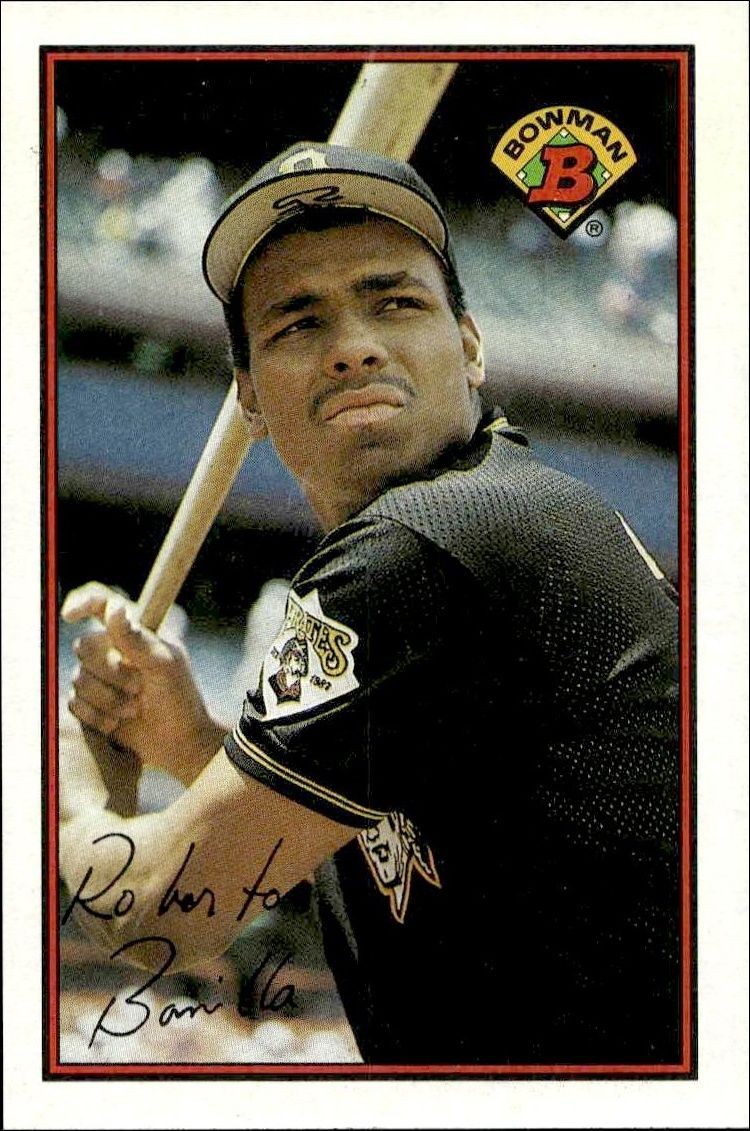
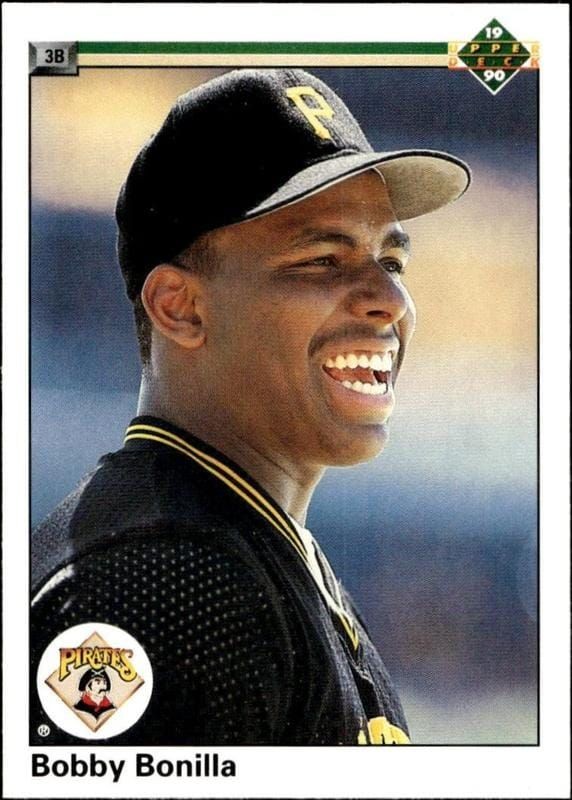
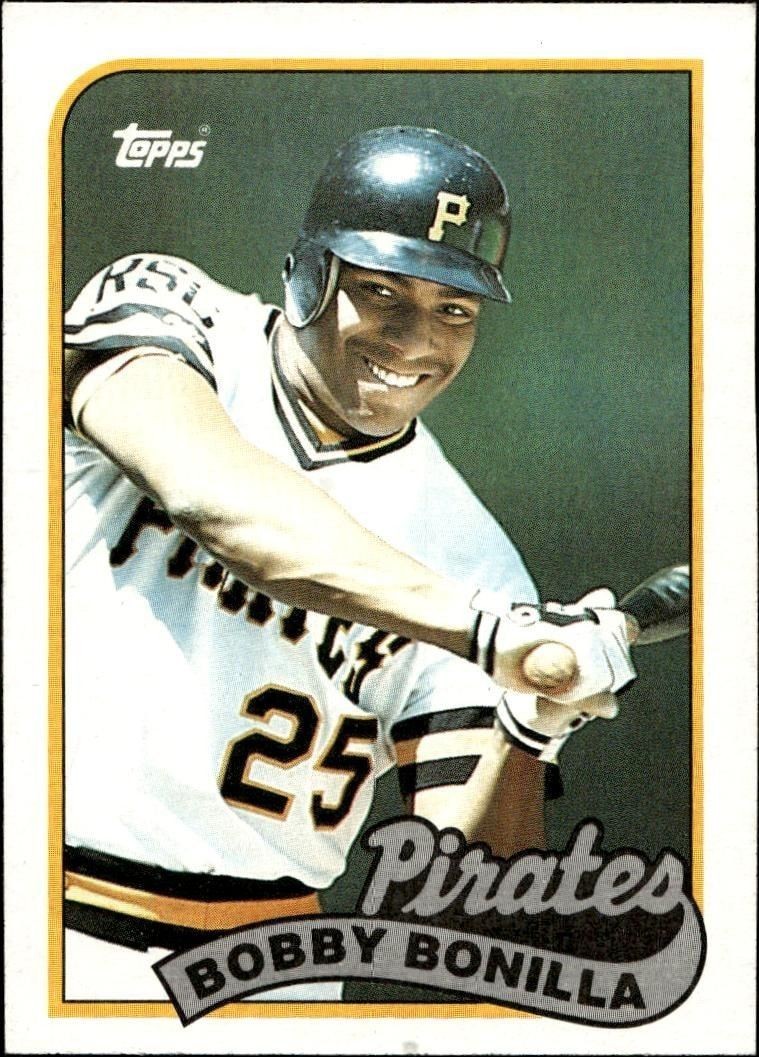
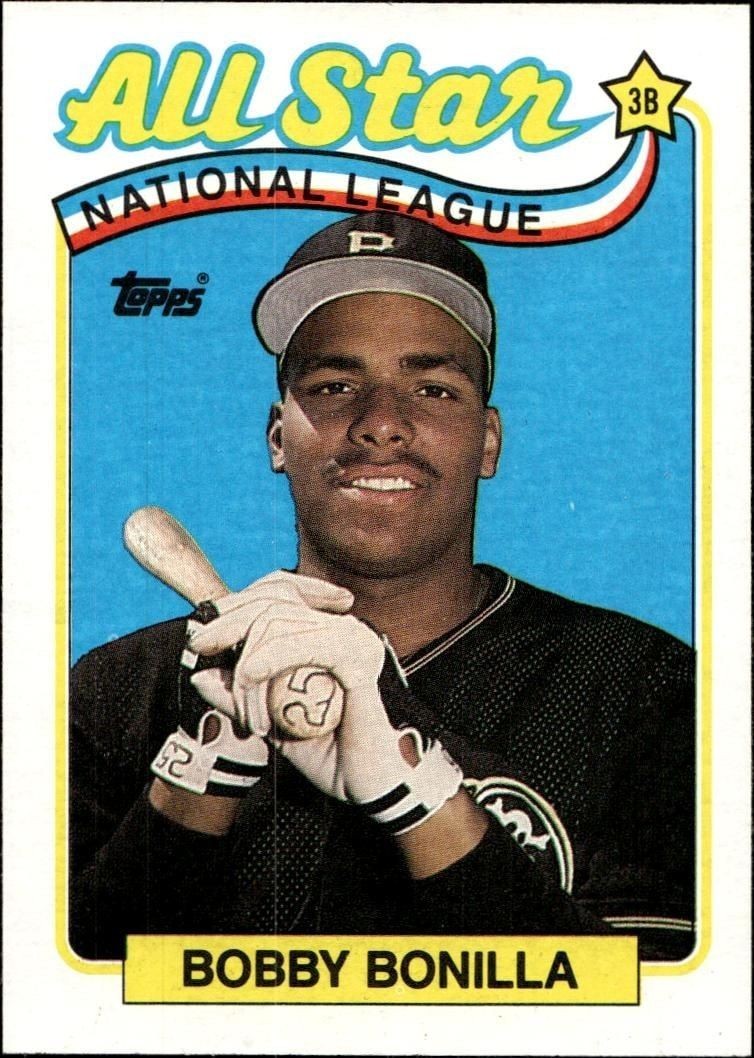
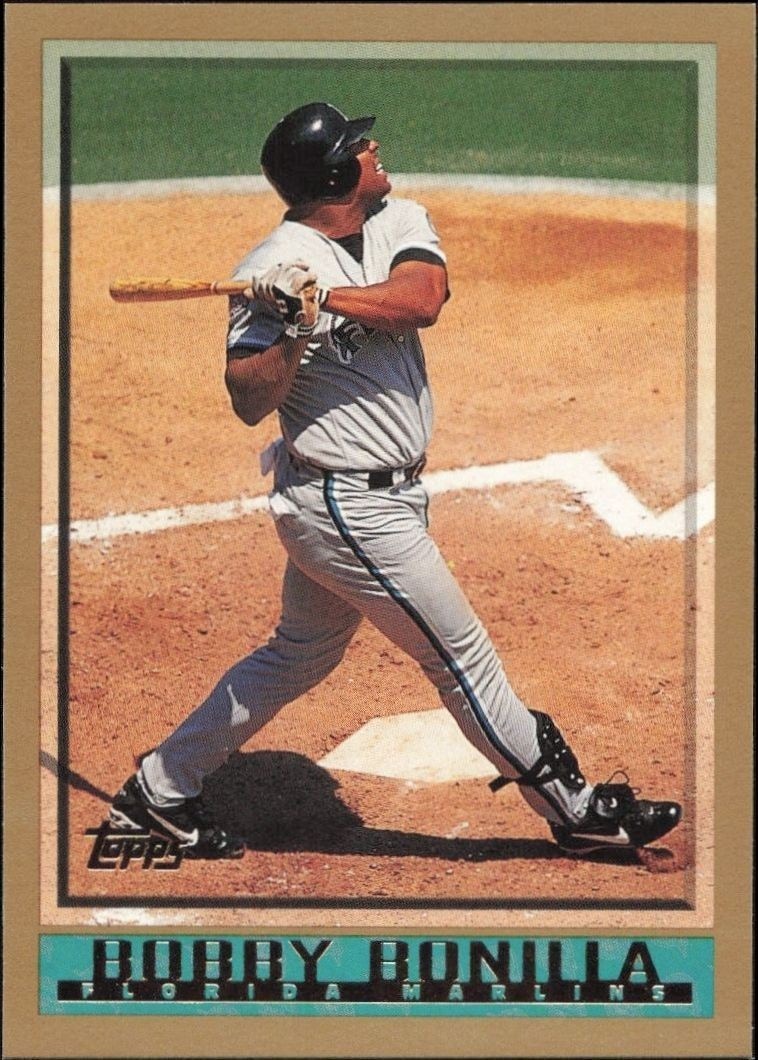

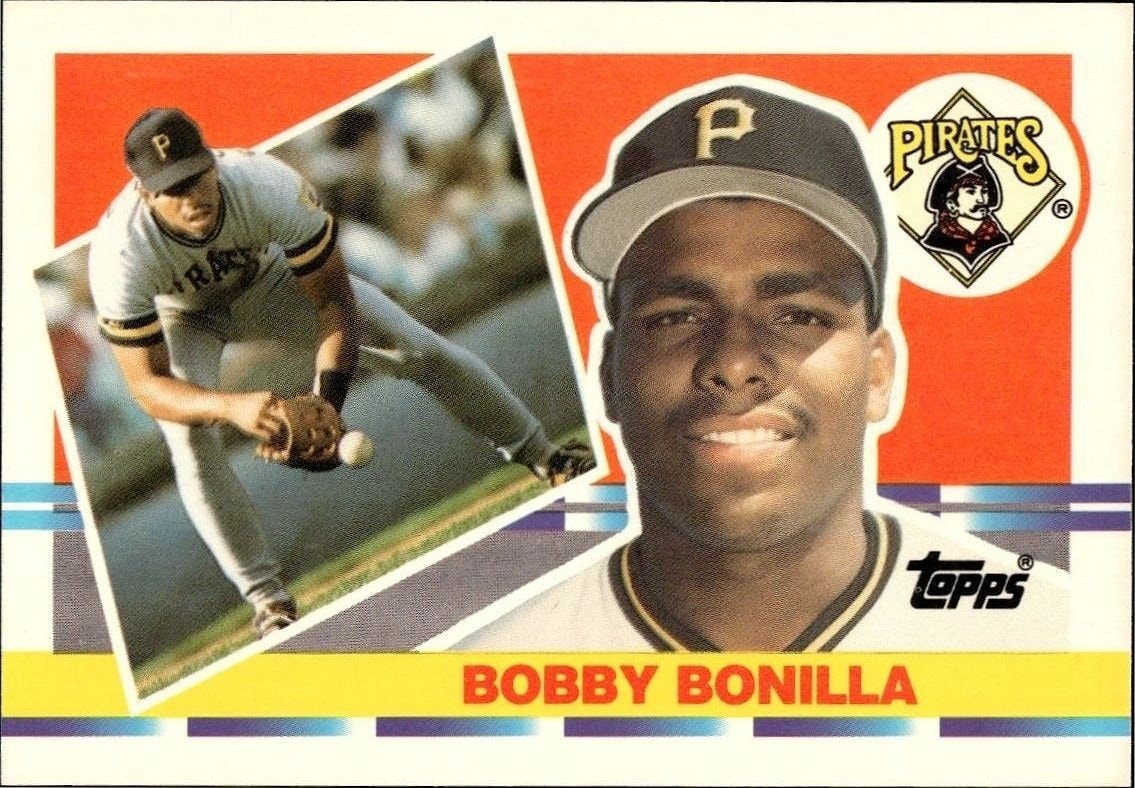
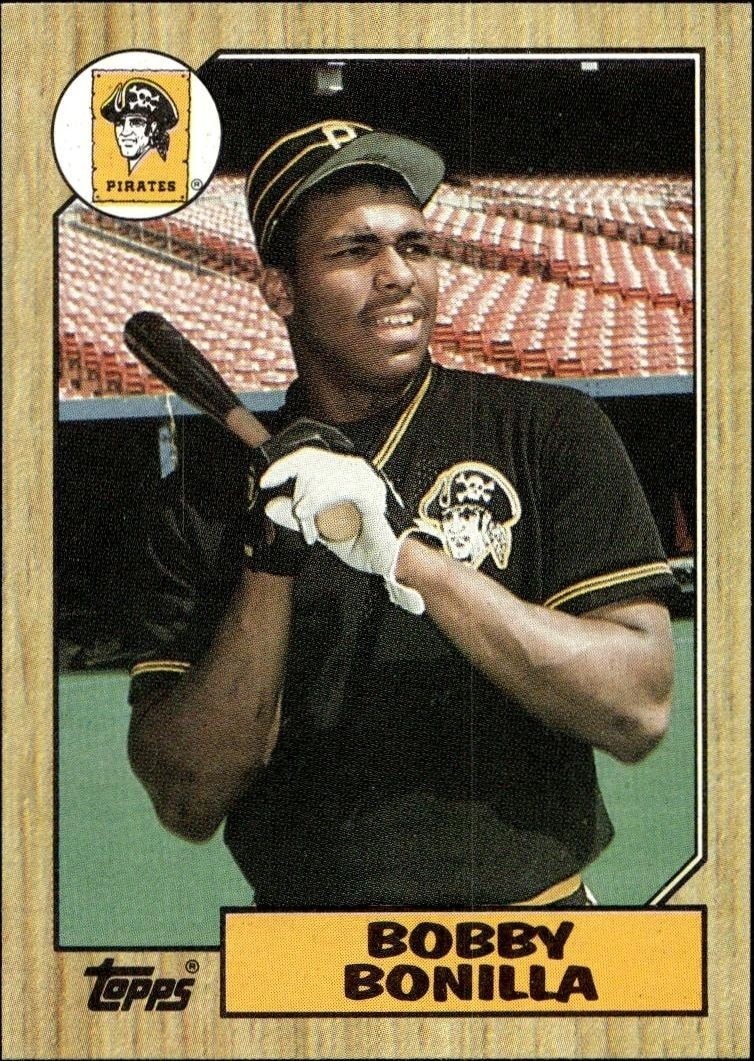


The 1989 Fleer Bobby Bonilla #203 baseball card represents a significant piece of Pittsburgh Pirates history from Fleer's landmark return to the trading card market.
1989 • Fleer
Major League Baseball • Pittsburgh Pirates
Excellent
203
New
Shipping Calculated at Checkout
Arrives in 5-7 daysEstimated delivery November 12, 2026 - November 14, 2026
30-day Returns| Condition | Value | Source | Trend | Price Details |
|---|---|---|---|---|
$1.00 | Guide Estimate | +1% | ||
$14.50 | Guide Estimate | 0% | ||
$16.00 | Guide Estimate | 0% | ||
Raw / Ungraded
PriceCharting Price Guide · Guide Estimate evidence · captured Oct 29, 2026
Released in 1989, this 1989 Fleer Bobby Bonilla #203 baseball card marks a pivotal moment in sports memorabilia history. It was part of Fleer's first major return to the trading card industry after an eleven-year hiatus, instantly becoming a cornerstone for vintage collectors. As a member of the Pittsburgh Pirates during this era, Bonilla’s presence on this card captures the team's lineup from a specific and memorable period in MLB history. Collectors often seek out this card number to build complete sets of the 1989 Fleer baseball series, which is widely regarded as one of the most iconic designs of the late 1980s. The card features Bobby Bonilla in his Pirates uniform, serving as a tangible link to his career achievements and the team's performance during those seasons. For investors and hobbyists alike, the 1989 Fleer set holds a unique place in the hobby due to its distinctive artwork and historical significance as the brand's comeback release. Owning a 1989 Fleer Bobby Bonilla #203 card allows enthusiasts to preserve a piece of baseball heritage. Whether you are completing a base set or focusing on Pirates legends, this card offers a direct connection to the late 80s baseball landscape. The combination of the Fleer brand legacy and Bonilla’s tenure with Pittsburgh makes this a staple in many vintage collections.
5 days ago
We'll pre-fill the product details from this catalog entry, so your listing lands on this exact page. Just add photos of your copy, pick its condition, and set your price.
The catalog profile below summarizes the card identity, featured subject, and notable collectible traits.
The subject, team, league, and sport context tied to this card.
Production details and format-specific attributes.
Material
Card Stock
Language
English
Compare prices, grades, photos, and shipping from approved sellers.
New
Excellent
See how many public collections currently include this card.
0 collectors have this card
FAQ
No, this is not Bobby Bonilla's rookie card. He made his MLB debut in 1985, and his actual rookie card is found in the 1986 Fleer baseball set.
The 1989 Fleer set is highly regarded because it marked the brand's return to the trading card market after an 11-year absence, featuring distinctive design elements that define the late 1980s aesthetic.
On the 1989 Fleer #203 card, Bobby Bonilla is depicted as a member of the Pittsburgh Pirates, reflecting his tenure with the team during that specific MLB season.
This 1989 Fleer Bobby Bonilla card sits at the entry-level price tier, reflecting its status as a common base card from a high-volume set. While Bonilla enjoyed a solid MLB career, this specific issue lacks the scarcity or condition premiums that drive higher valuations among serious collectors. It represents an affordable entry point for those building early-career portfolios but trades well below the market for his more sought-after rookie or parallel variations.
The card possesses no special scarcity attributes, indicating it is a standard base issue from the 1989 Fleer set. Without serial numbering, short-print designations, or parallel finishes, the supply is determined solely by the original print run of this mainstream product. Consequently, availability remains high, and the card does not benefit from limited-edition mechanics that typically constrain supply and drive rarity premiums.
As a non-rookie card from a mass-produced set, this item lacks the rookie-card premium mechanics that typically fuel long-term appreciation for collectors. Investment potential is limited by the abundance of ungraded examples and the lack of distinct parallel or short-print features to differentiate it from the broader set. Demand is likely driven primarily by budget-conscious collectors seeking basic team or player completions rather than speculative investors.