
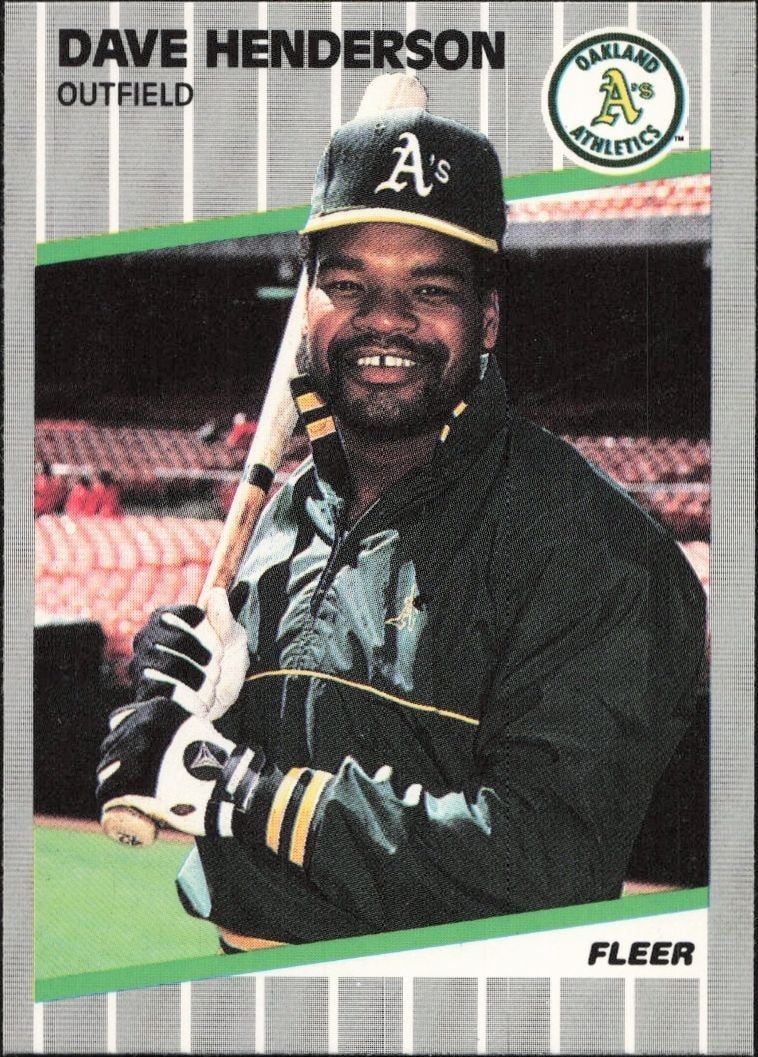


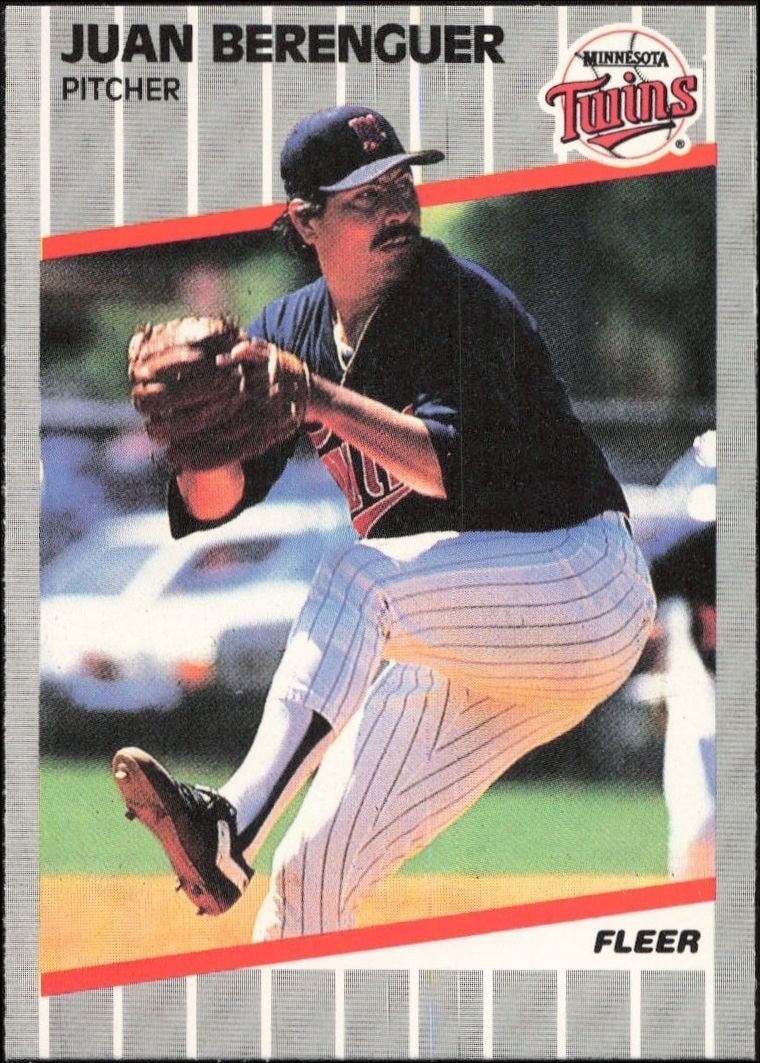
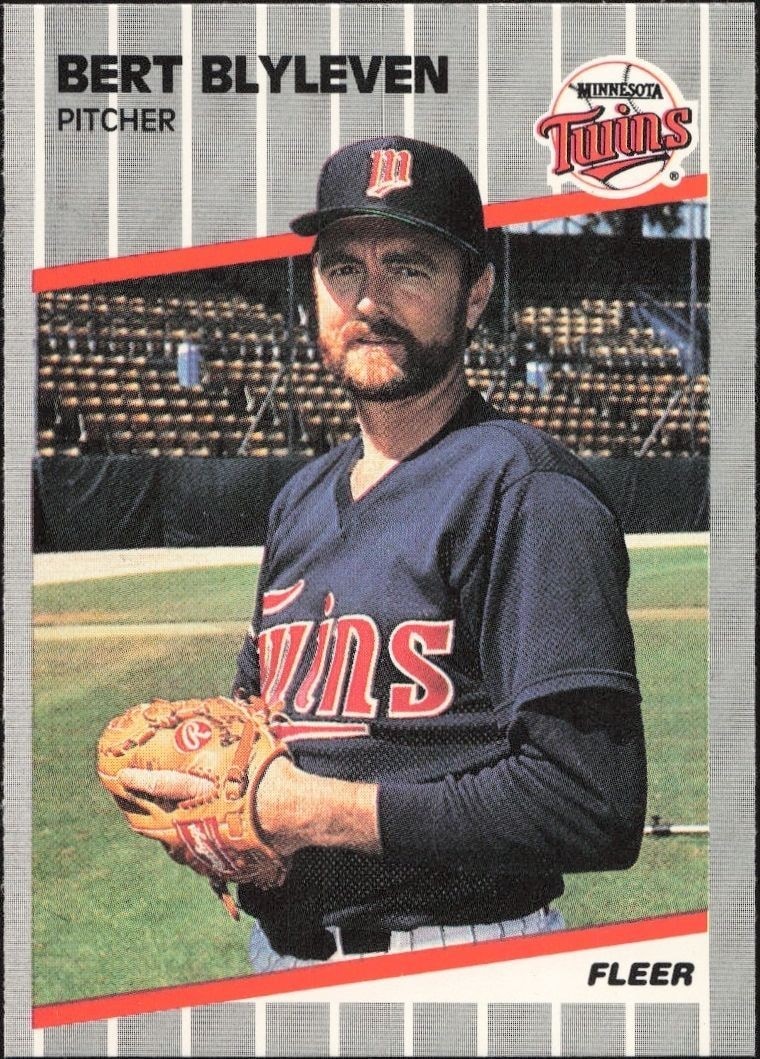
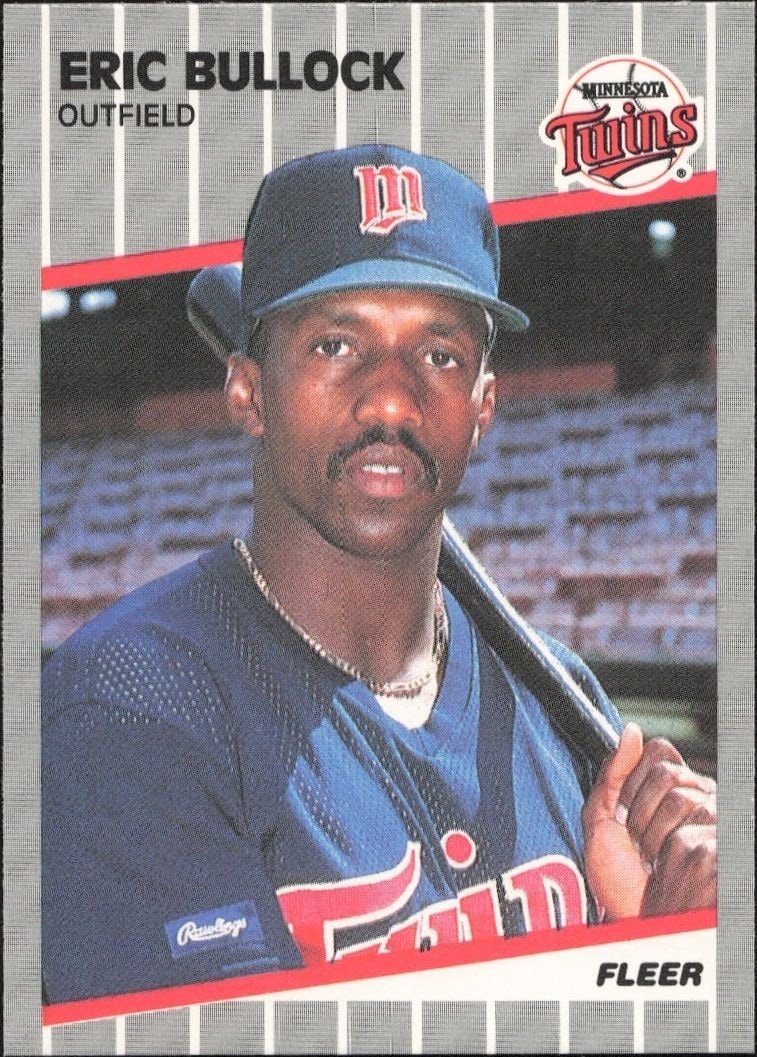


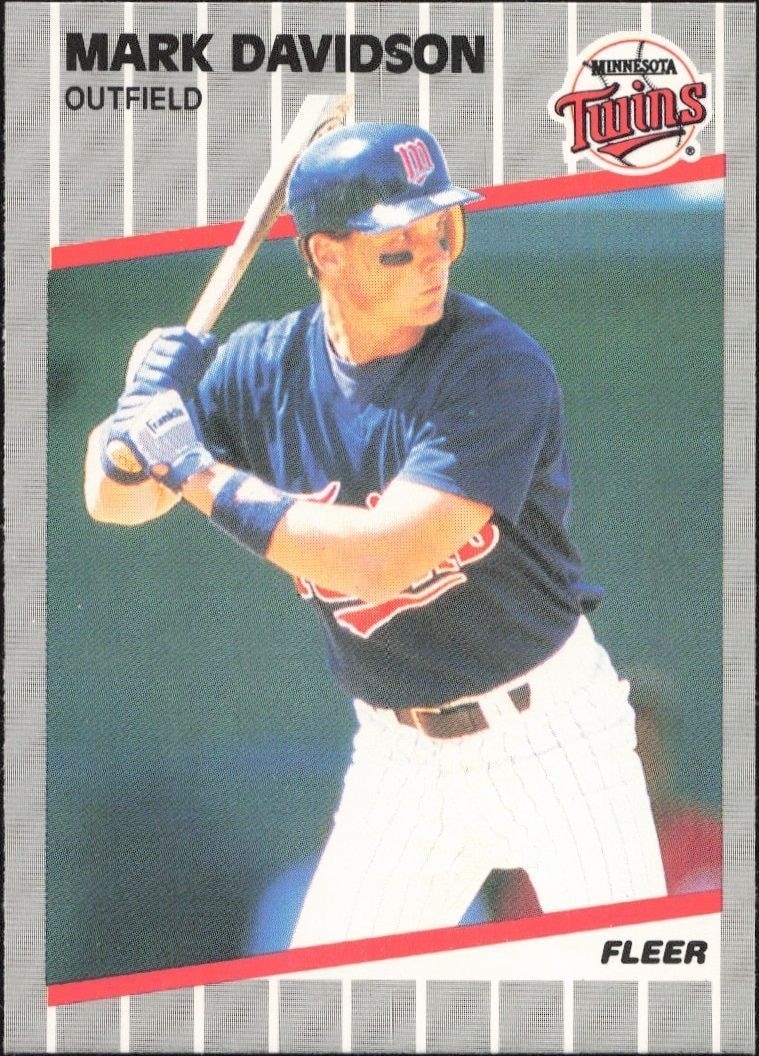
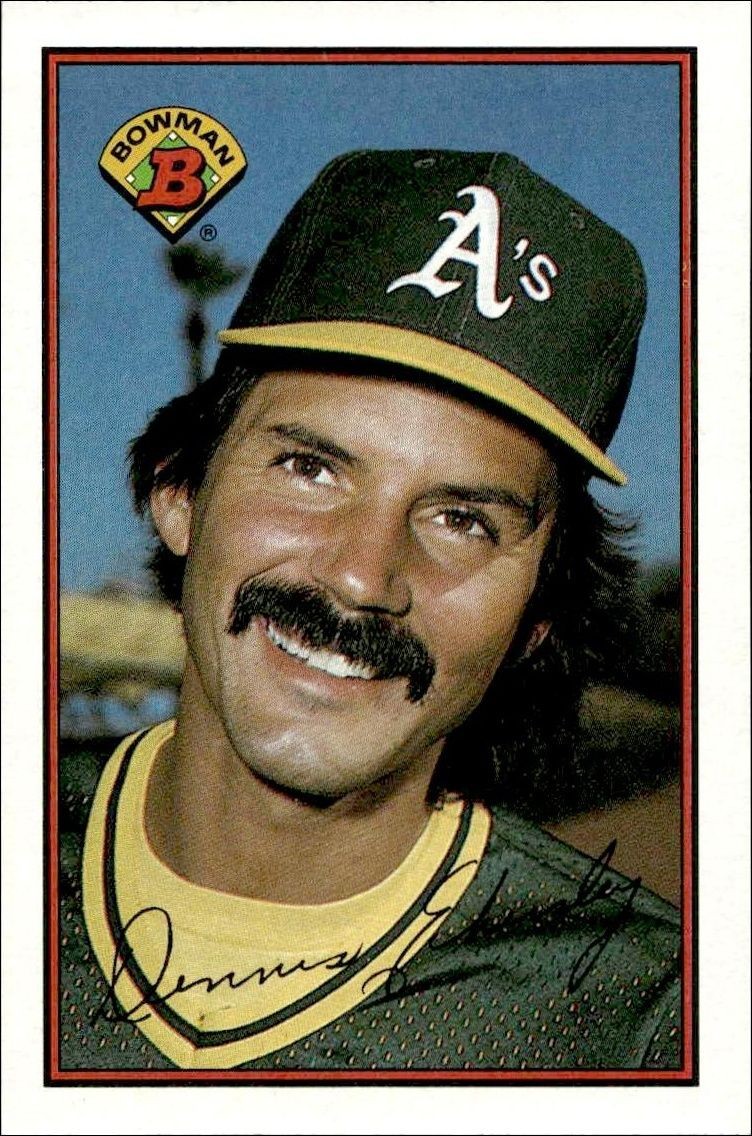
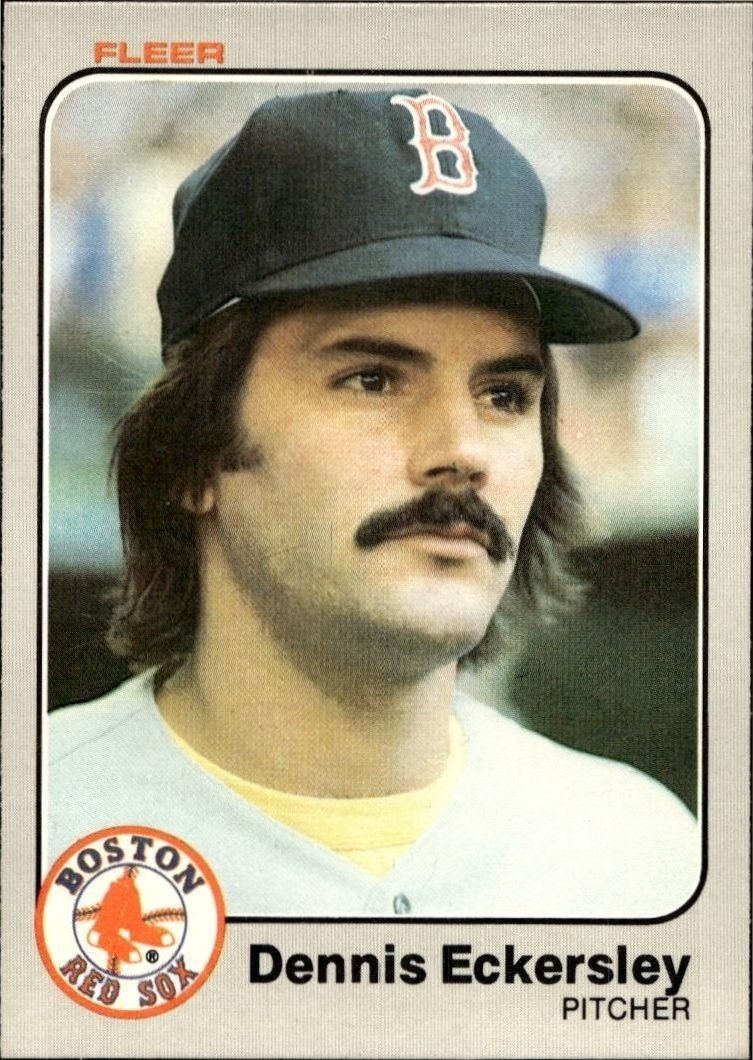

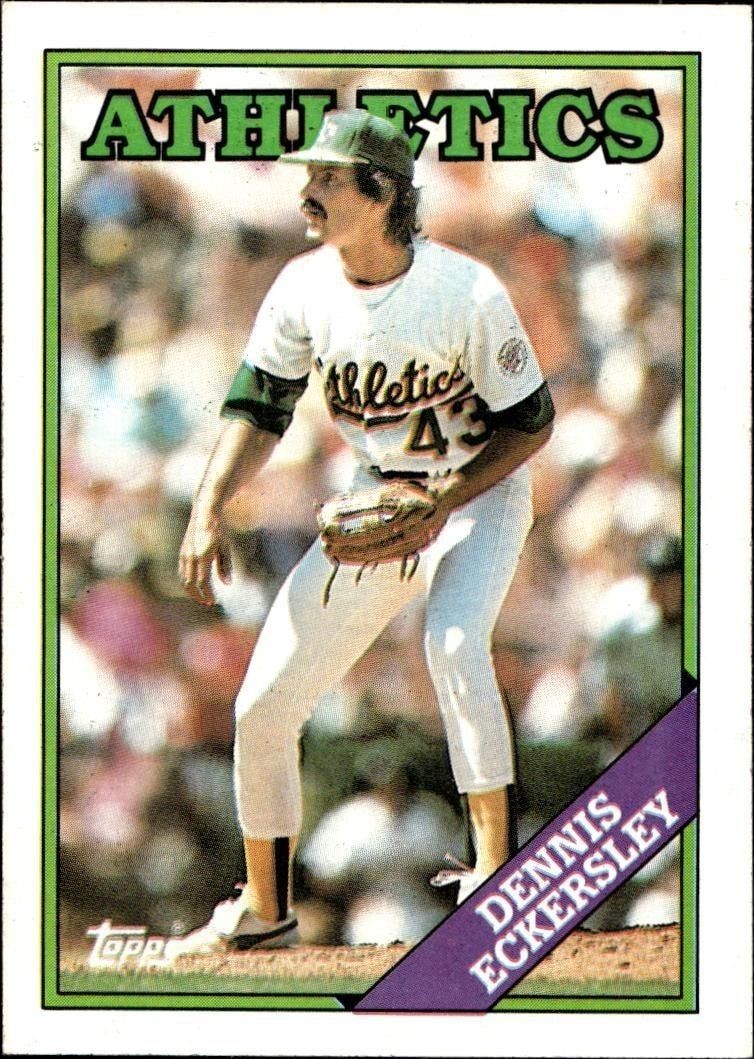


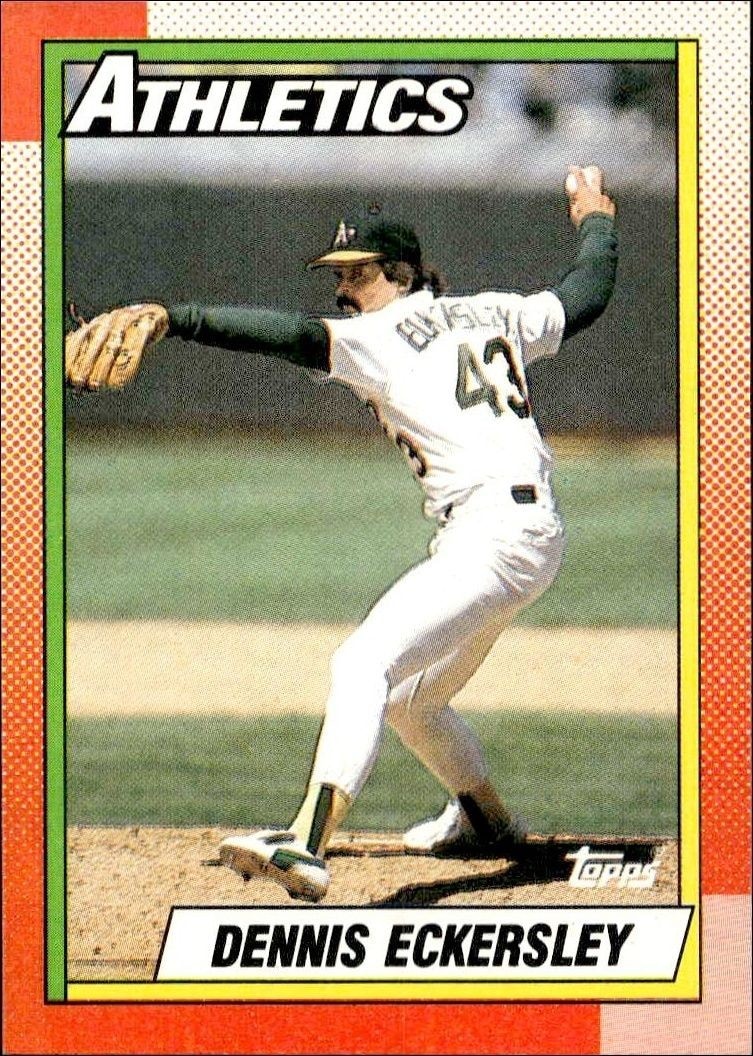

The 1989 Fleer Dennis Eckersley #7 card marks a pivotal moment in modern collecting history, representing Fleer's return to the baseball card market with a distinctive retro design.
1989 • Fleer
Major League Baseball • Oakland Athletics
Excellent
7
New
Shipping Calculated at Checkout
Arrives in 5-7 daysEstimated delivery October 23, 2026 - October 25, 2026
Seller returns October 19, 2026.30-day Returns| Condition | Value | Source | Trend | Price Details |
|---|---|---|---|---|
$3.25 | Guide Estimate | -7.1% | ||
$0.09As of 9/24/2026 | Completed Sales | 0% | ||
$7.84 | Guide Estimate | 0% | ||
$12.79 | Guide Estimate | -0.1% | ||
$23.00 | Guide Estimate | -8% | ||
$30.00 | Guide Estimate | -11.8% | ||
$14.00 | Guide Estimate | -12.5% | ||
$23.24 | Guide Estimate | -10.6% | ||
$14.00 | Guide Estimate | -12.5% | ||
Raw / Ungraded
PriceCharting Price Guide · Guide Estimate evidence · captured Oct 17, 2026
The 1989 Fleer Dennis Eckersley #7 card represents a significant milestone in the evolution of sports trading cards. Released during Fleer's historic return to the baseball industry, this product introduced a fresh visual identity that challenged the long-standing dominance of Topps. For collectors focusing on Oakland Athletics legends, Eckersley serves as a central figure in this release, capturing his tenure as one of the league's premier closers. Collectors often seek out this card number to complete their 1989 Fleer base set collections, valuing the brand's attempt to replicate the charm of earlier decades. The design features Eckersley in his Athletics uniform, providing a clear and vibrant image that has become a staple for fans of 1980s baseball memorabilia. Investing in this piece offers exposure to a specific era of card manufacturing where design innovation began to shift market dynamics. Whether you are building a team-specific collection of Oakland Athletics cards or a broader set of 1989 Fleer issues, this card provides a tangible connection to that transitional period. It remains a recognizable and respected entry for hobbyists who appreciate the brand's impact on the collecting landscape.
18 hours ago
We'll pre-fill the product details from this catalog entry, so your listing lands on this exact page. Just add photos of your copy, pick its condition, and set your price.
The catalog profile below summarizes the card identity, featured subject, and notable collectible traits.
The subject, team, league, and sport context tied to this card.
Production details and format-specific attributes.
Material
Card Stock
Language
English
Compare prices, grades, photos, and shipping from approved sellers.
New
Excellent
See how many public collections currently include this card.
0 collectors have this card
This 1989 Fleer card represents a baseline entry point for Dennis Eckersley, reflecting his status as a prominent Oakland Athletics pitcher during that era. Without special parallel or serial attributes, the card trades at a modest premium above raw base values due to name recognition, though it lacks the scarcity needed for significant tier elevation. The current listing activity suggests a stable but low-velocity market for this specific non-premium issue.
The card possesses no unique scarcity mechanics such as serial numbering, short-print status, or one-of-one designations, placing it firmly within the standard base set distribution. Supply is determined by the original print run of the 1989 Fleer baseball set, which was mass-produced for broad retail distribution. Consequently, the scarcity is driven purely by the age of the product and the general condition distribution of ungraded base cards from this period.
As a standard base card from a pre-1990 set, this item serves primarily as a fill-in piece for comprehensive Eckersley or Athletics collections rather than a standalone investment vehicle. Collector demand is driven by the nostalgia of late-1980s baseball and Eckersley's role with Oakland, but the lack of special attributes limits upward price appreciation. It remains a liquid asset for casual collectors but does not exhibit the scarcity mechanics required for strong long-term value retention.


