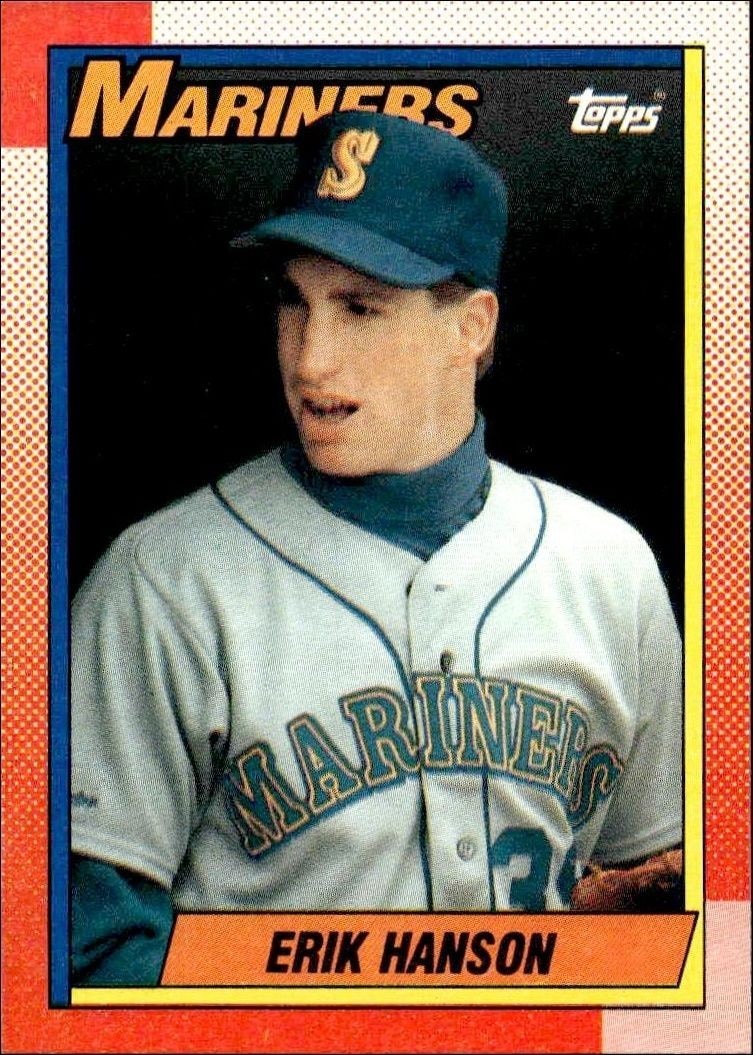


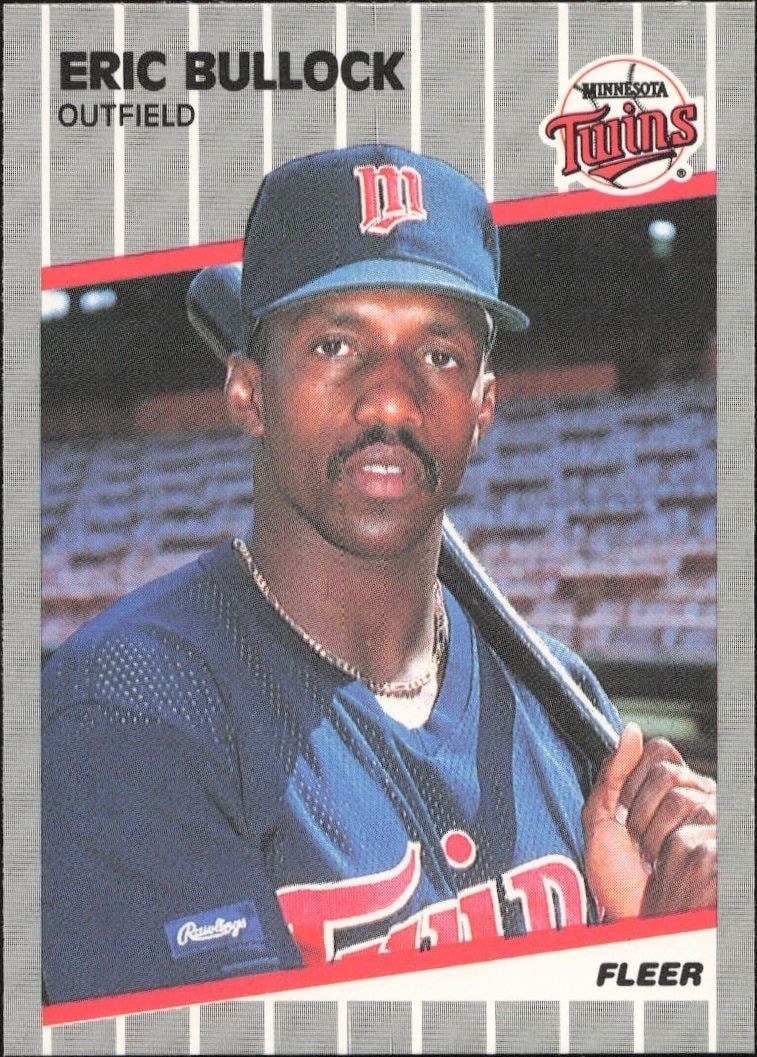
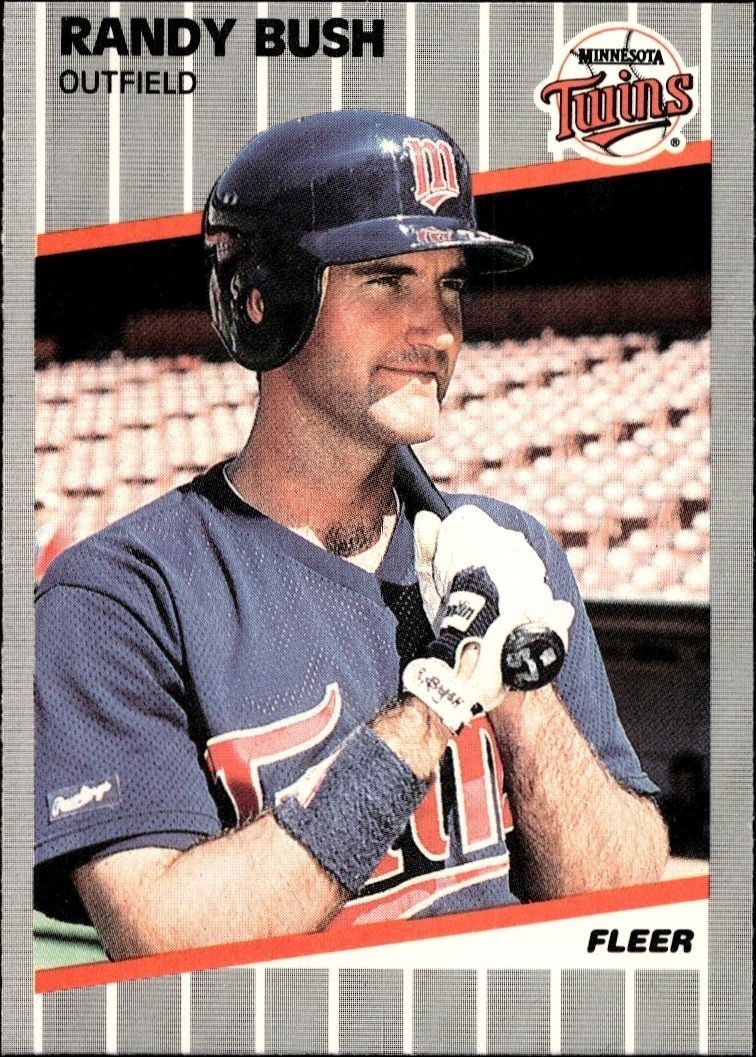

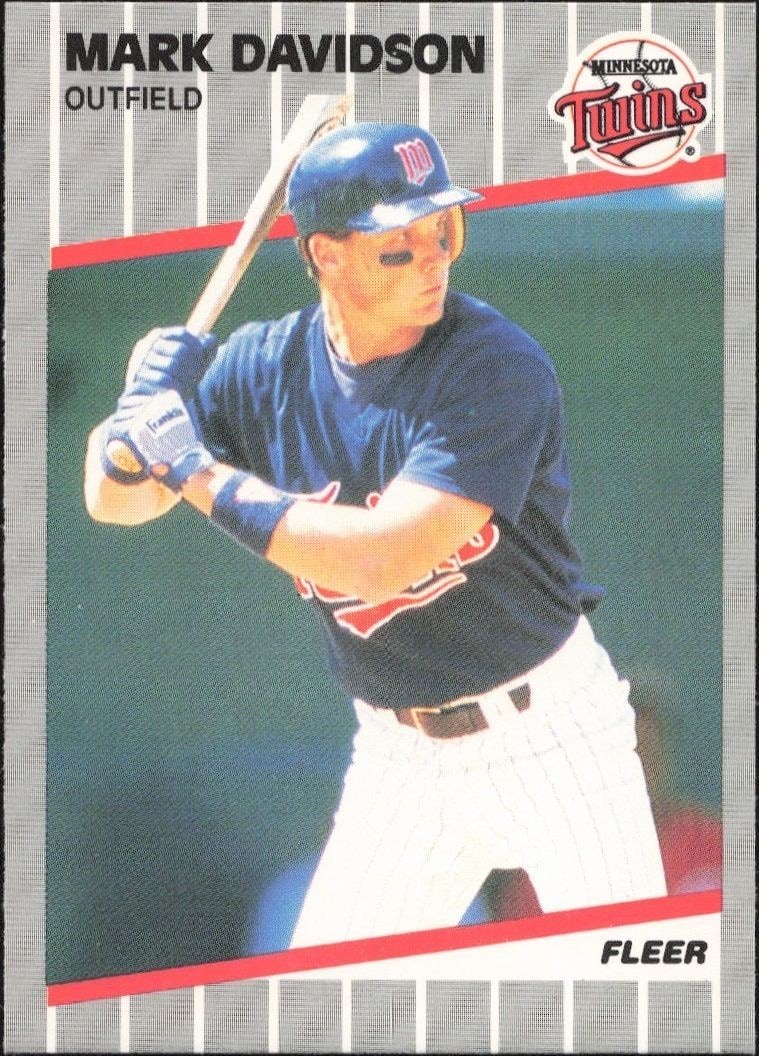
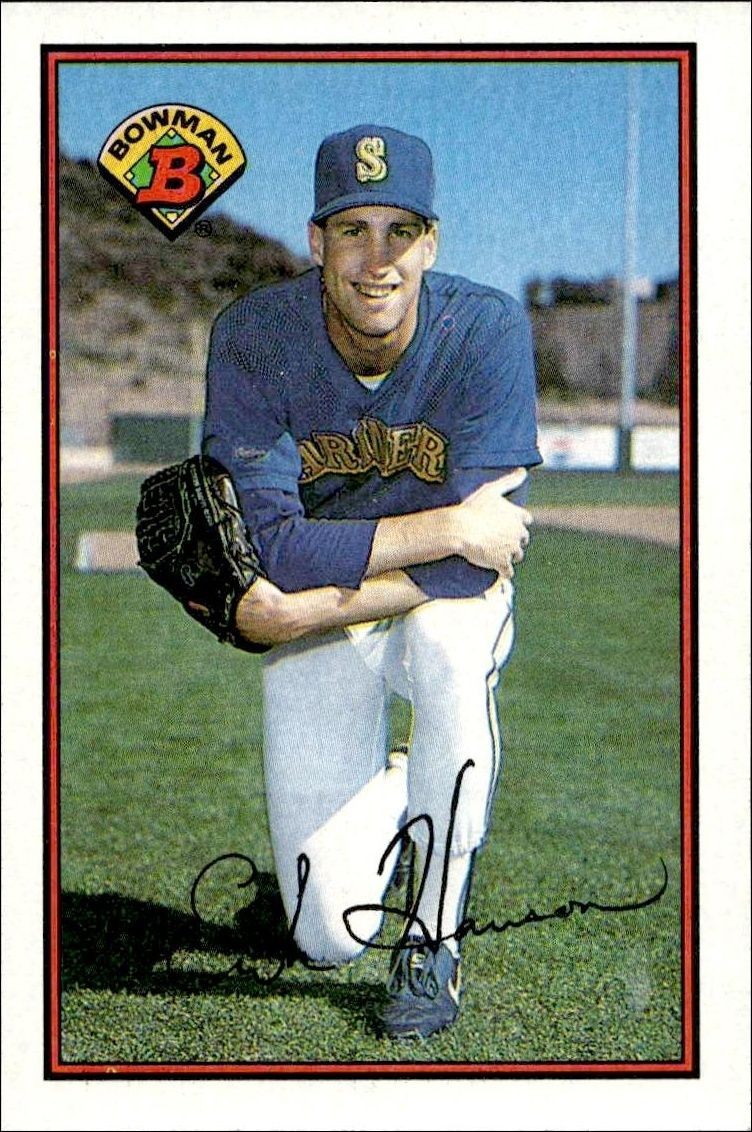

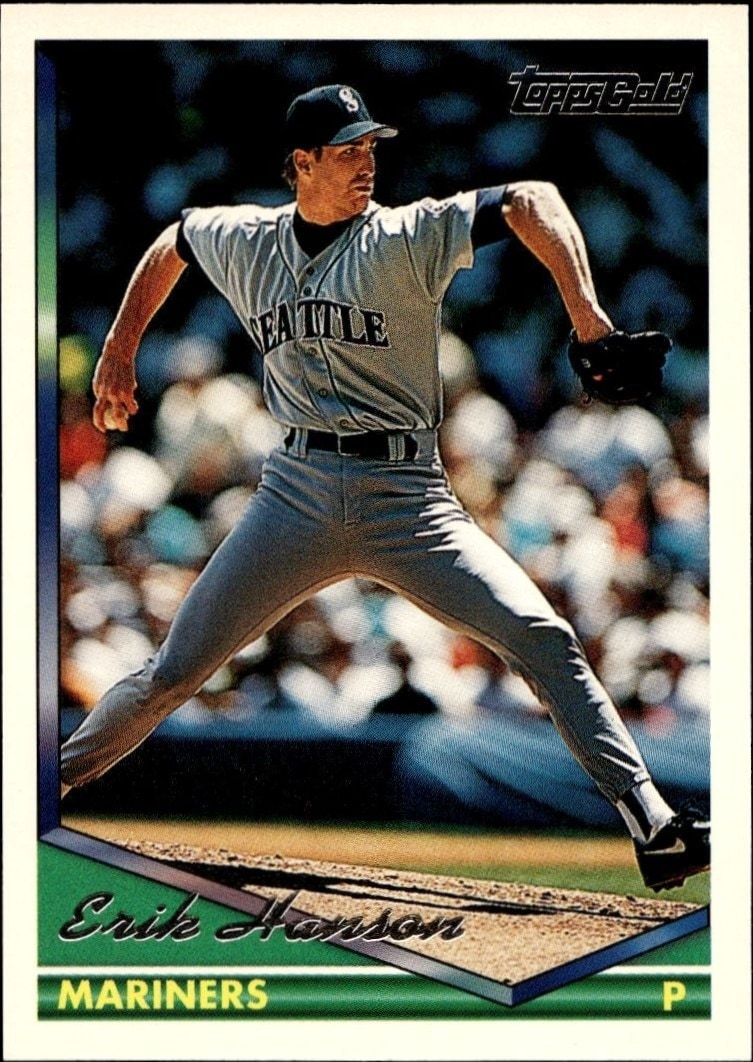
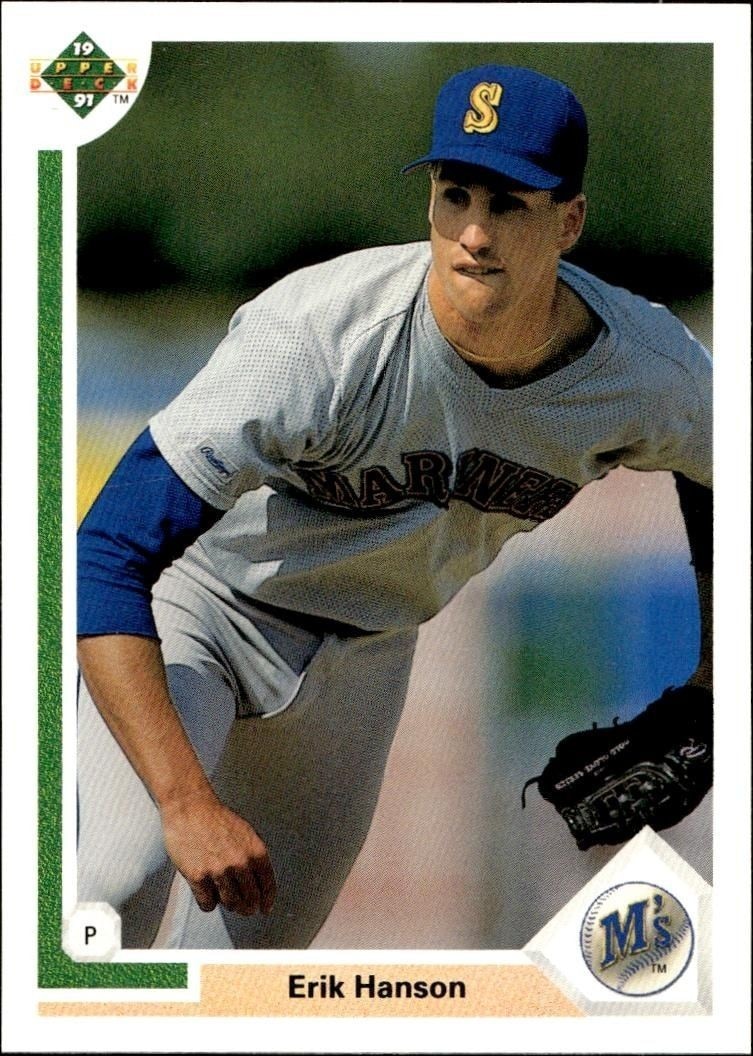
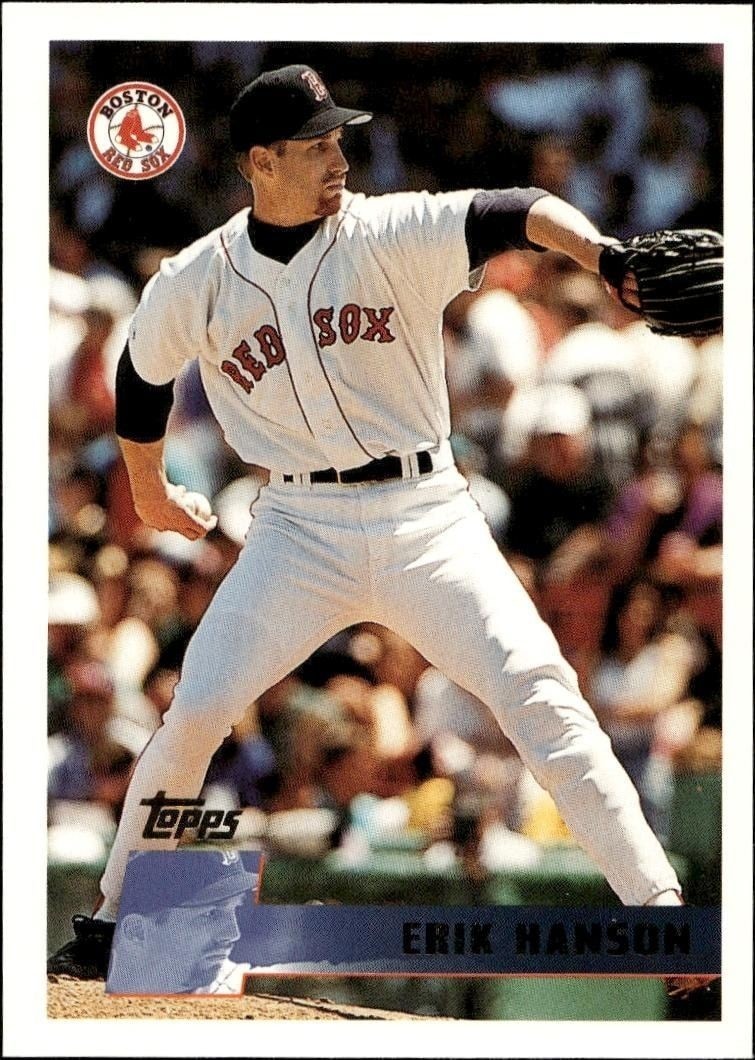
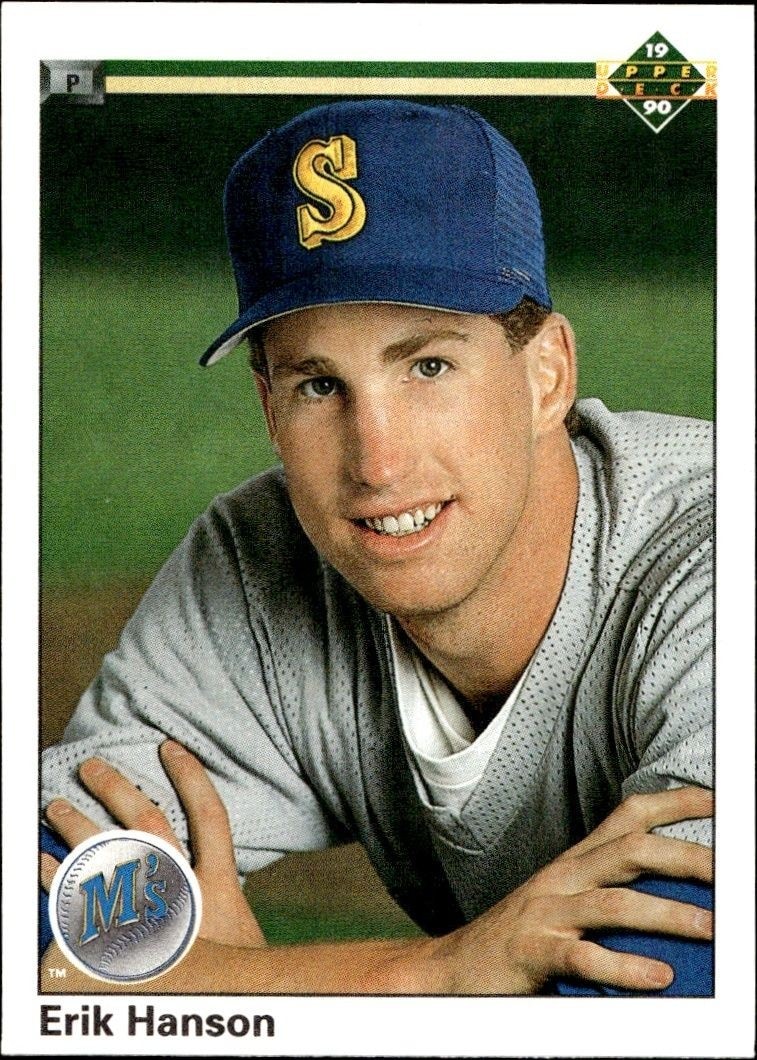
The 1989 Fleer Erik Hanson #549 baseball card captures the Seattle Mariners' roster from a pivotal era in franchise history.
1989 • Fleer
Major League Baseball • Seattle Mariners
Near Mint
549
New
Shipping Calculated at Checkout
Arrives in 5-7 daysEstimated delivery October 23, 2026 - October 25, 2026
Seller returns October 19, 2026.30-day Returns| Condition | Value | Source | Trend | Price Details |
|---|---|---|---|---|
$0.79As of 9/27/2026 | Guide Estimate | |||
$10.98As of 9/27/2026 | Guide Estimate | |||
$12.00As of 9/27/2026 | Guide Estimate | |||
Raw / Ungraded
PriceCharting Price Guide · Guide Estimate evidence · captured Sep 27, 2026
History is building. At least two days of matching observations are needed to show a trend.
Each point is the last stored observation that day for this printing, condition, grader, autograph status and source. Gaps mean no observation; guide estimates and asking prices are not completed sales.The 1989 Fleer Erik Hanson #549 baseball card stands as a significant piece of vintage sports memorabilia, representing the Seattle Mariners during a formative period of the franchise. Released by Fleer, this set is widely recognized for reintroducing a major baseball card product to the market after a long hiatus, making it a cornerstone for collectors of 1980s baseball history. This card features Erik Hanson, a pitcher who contributed to the Mariners' lineup during the late 1980s. For collectors focused on Seattle Mariners history, Hanson’s presence in the 1989 Fleer base set offers a tangible connection to the team’s development through the decade. As a numbered entry in the 500-card base set, #549 is easily identifiable for those looking to complete their collection or add a specific player to their portfolio. Owning a 1989 Fleer card like Erik Hanson #549 allows enthusiasts to explore the nostalgia of pre-1990s baseball culture. These cards are often sought after by investors and hobbyists who appreciate the historical context they provide, capturing players and teams as they existed before the market expansion of the 1990s. Whether you are building a comprehensive team set or focusing on individual player achievements, this card serves as a valuable addition to any serious baseball collection. The enduring popularity of the Fleer brand ensures that cards from this era remain relevant and desirable in the secondary market, offering both sentimental and archival value to dedicated fans of the Seattle Mariners and vintage baseball cards.
1 day ago
We'll pre-fill the product details from this catalog entry, so your listing lands on this exact page. Just add photos of your copy, pick its condition, and set your price.
The catalog profile below summarizes the card identity, featured subject, and notable collectible traits.
The subject, team, league, and sport context tied to this card.
Production details and format-specific attributes.
Material
Card Stock
Language
English
Compare prices, grades, photos, and shipping from approved sellers.
New
Near Mint
See how many public collections currently include this card.
0 collectors have this card
This 1989 Fleer Erik Hanson card occupies the entry-level tier of the collection, reflecting its status as a standard base card with no special parallels or insert features. While the player holds niche significance as a Mariners starter during that era, the lack of unique attributes keeps it well below the premium brackets commanded by rookie cards or short-print variations. Current market activity suggests a stable, low-cost acquisition point for those seeking affordable vintage inventory.
As a standard base card from the 1989 Fleer set, this item carries no serial numbering, short-print designation, or parallel treatment to constrain its supply. The scarcity is purely determined by the original print run of the base set, making it widely available compared to insert subsets or special editions. Without any unique physical attributes, its rarity is defined by its age and condition rather than limited production mechanics.
The card functions primarily as a budget-friendly component for completing base set collections rather than a standalone investment vehicle. Demand is driven by collectors targeting specific years or teams rather than speculative growth, limiting its upside potential. Long-term value preservation relies heavily on maintaining high-grade condition, as raw copies of common base cards face significant competition from abundant supply.