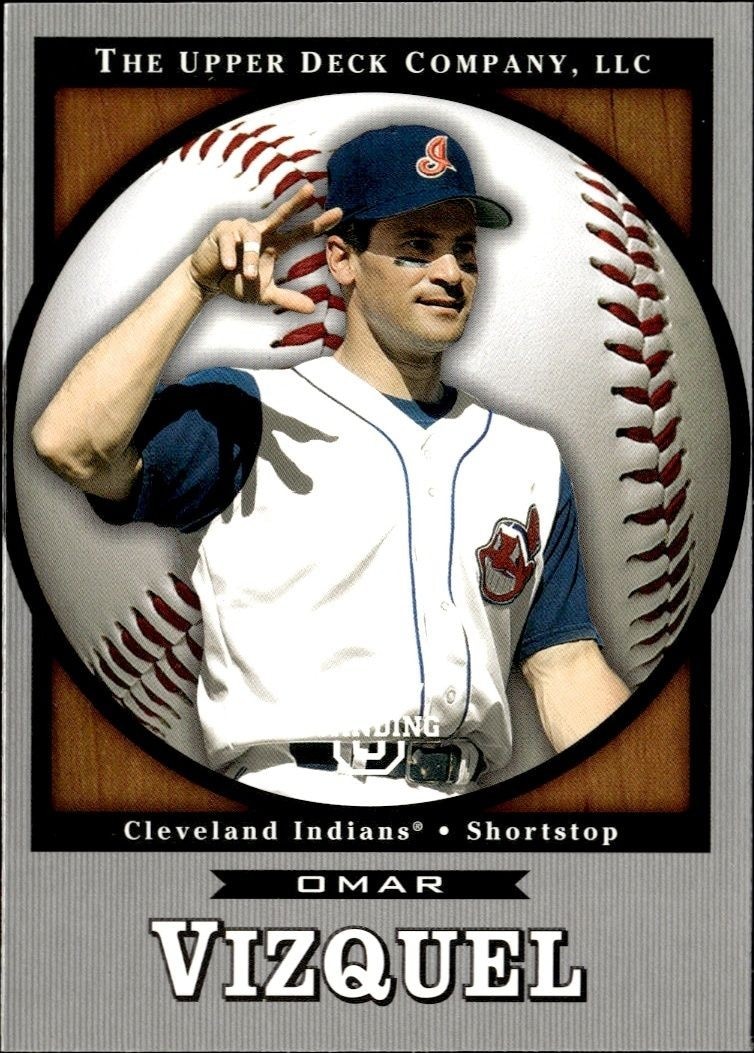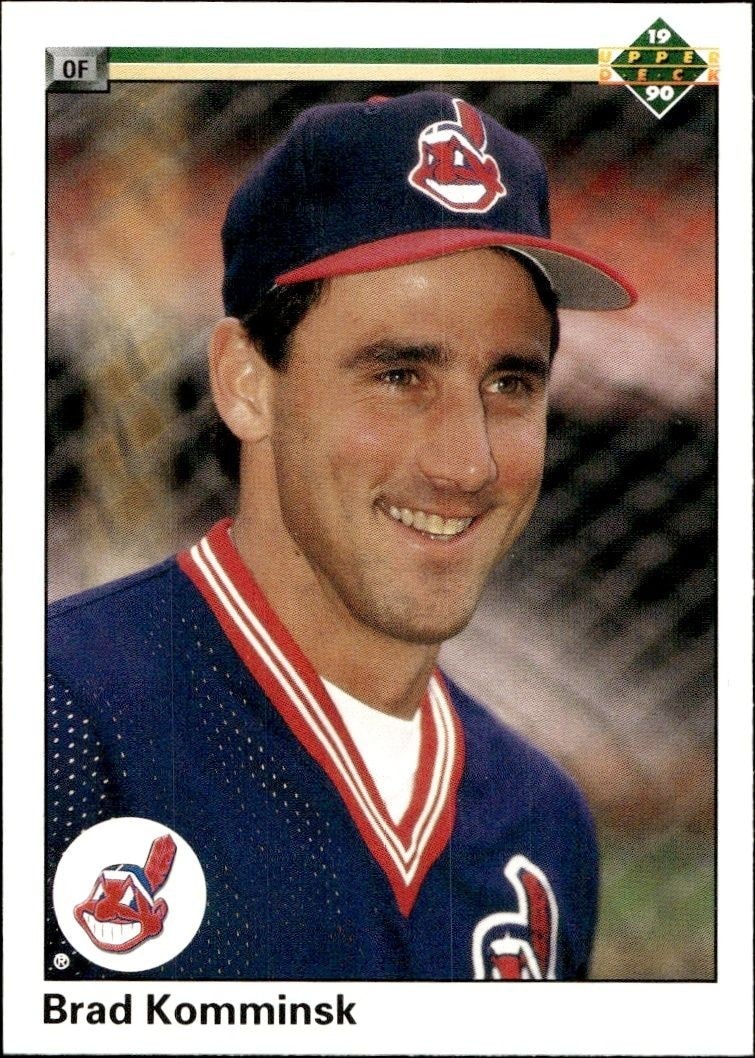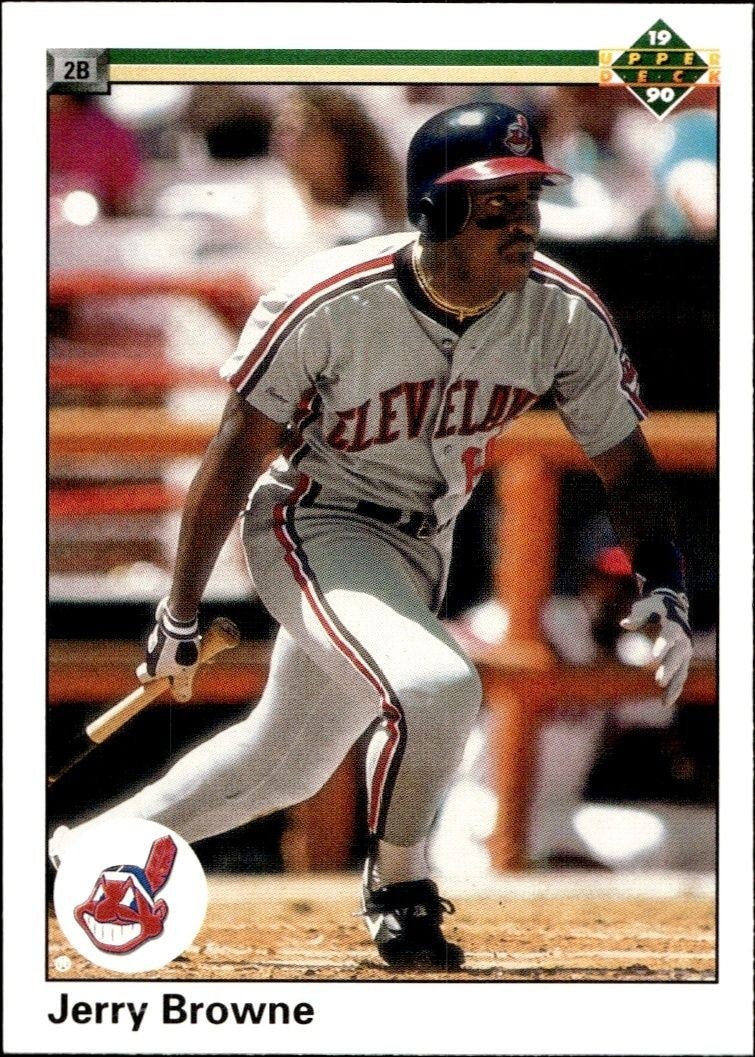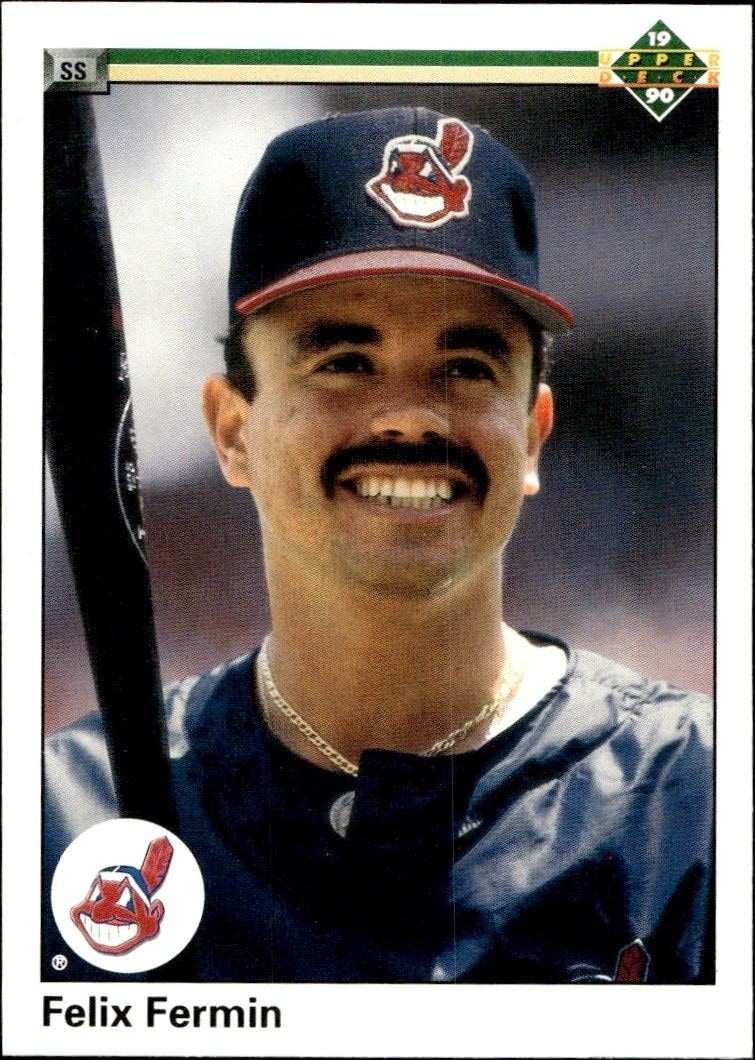



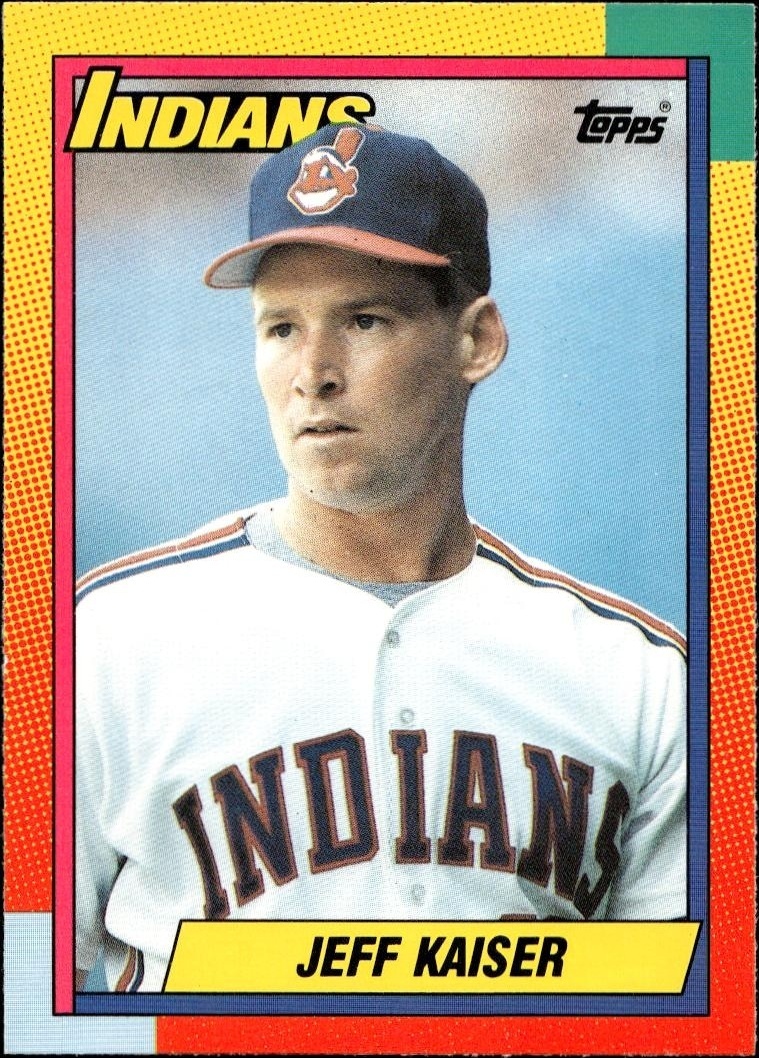
A catalog-level view of the 1989 Fleer Jeff Kaiser baseball card, identified by number 410. This Cleveland Indians issue represents a specific moment in Fleer's classic 1989 set design.
1989 • Fleer
Major League Baseball • Cleveland Indians
Excellent
410
New
Shipping Calculated at Checkout
Arrives in 5-7 daysEstimated delivery October 23, 2026 - October 25, 2026
Seller returns October 19, 2026.30-day Returns| Condition | Value | Source | Trend | Price Details |
|---|---|---|---|---|
$1.60As of 10/4/2026 | Guide Estimate | |||
Raw / Ungraded
PriceCharting Price Guide · Guide Estimate evidence · captured Oct 4, 2026
History is building. At least two days of matching observations are needed to show a trend.
Each point is the last stored observation that day for this printing, condition, grader, autograph status and source. Gaps mean no observation; guide estimates and asking prices are not completed sales.The 1989 Fleer Jeff Kaiser baseball card, designated as number 410 in the standard checklist, captures the Cleveland Indians player during his early professional career. Released in 1989, this issue is part of the broader Fleer set that defined late-80s sports card aesthetics for collectors of the era. For enthusiasts of vintage baseball memorabilia, this card serves as a tangible link to the MLB players of that specific year. Collectors often seek out this Fleer release to complete base sets or to build focused collections around Cleveland Indians history. The card's identity is firmly rooted in the 1989 manufacturer's design language, offering a distinct visual style that differentiates it from other contemporary brands. As a catalog entry, it represents the standard non-parallel version of the Kaiser issue, making it a foundational piece for set builders. This approach allows collectors to find the specific copy that matches their collecting goals, whether they are looking for raw cards for grading or already-certified examples. The focus remains on the historical significance of the 1989 Fleer brand and Jeff Kaiser's tenure with the Indians. For investors and hobbyists alike, understanding the context of the 1989 Fleer set is crucial. This card is not an autograph, memorabilia, or parallel variant, but rather a standard base card that represents the volume production of the time. Its value and appeal are derived from its place in the Fleer chronology and the player's association with the Cleveland franchise during the late 1980s.
22 hours ago
We'll pre-fill the product details from this catalog entry, so your listing lands on this exact page. Just add photos of your copy, pick its condition, and set your price.
The catalog profile below summarizes the card identity, featured subject, and notable collectible traits.
The subject, team, league, and sport context tied to this card.
Production details and format-specific attributes.
Material
Card Stock
Language
English
Compare prices, grades, photos, and shipping from approved sellers.
New
Excellent
See how many public collections currently include this card.
0 collectors have this card
This 1989 Fleer Jeff Kaiser card sits in the entry-level tier of vintage baseball collectibles, reflecting its status as a non-star, non-rookie issue from a mass-produced base set. The current market positioning indicates a low premium, typical for players who did not achieve sustained All-Star status or long-term franchise significance during their MLB tenure. Condition sensitivity likely dictates value more than rarity, with near-mint examples commanding modestly higher prices than average circulated copies.
As a standard base card within the 1989 Fleer set, this item carries no inherent scarcity mechanics such as serial numbering, short-printing, or parallel variations. The supply is effectively unlimited relative to collector demand, as it was printed in high volumes to fill the base set checklist. Consequently, the card relies entirely on the player's collectible appeal rather than any manufactured scarcity to retain value.
Investment potential for this specific card is limited due to the absence of rookie card designation and the lack of special parallels or inserts that typically drive collector demand. While vintage base sets maintain a niche following for completionists, the lack of unique attributes means the card will likely trade at or below the average market price for comparable 1980s non-star baseball cards. Long-term appreciation is unlikely without a significant shift in the player's historical recognition or broader market trends toward affordable vintage inventory.