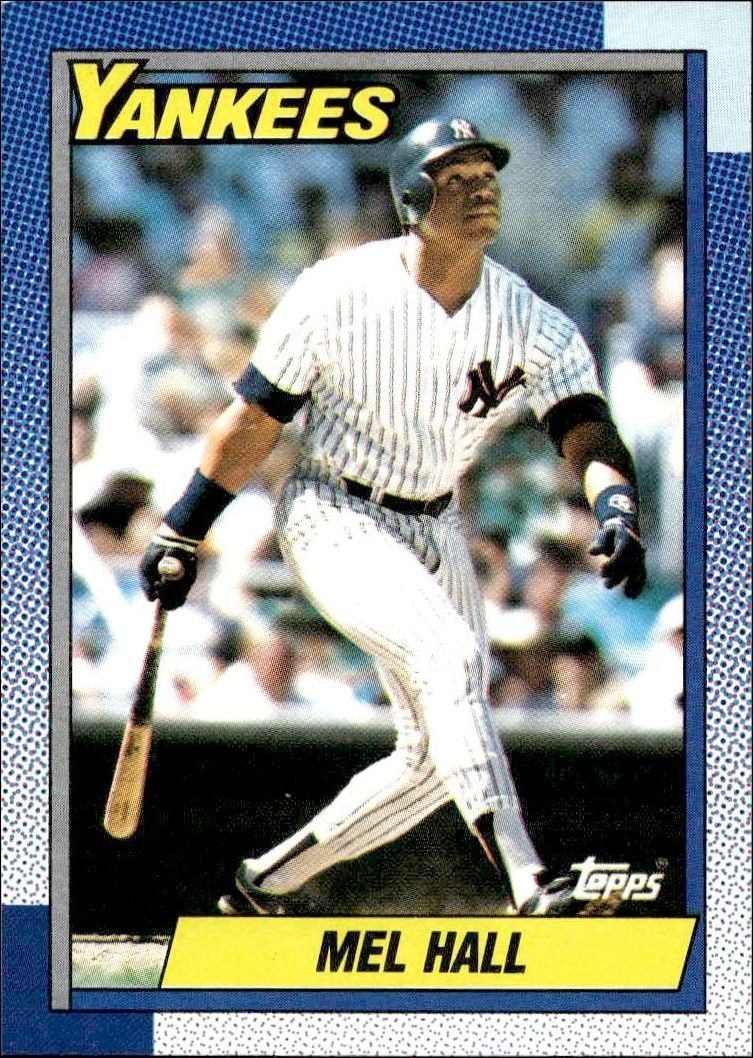



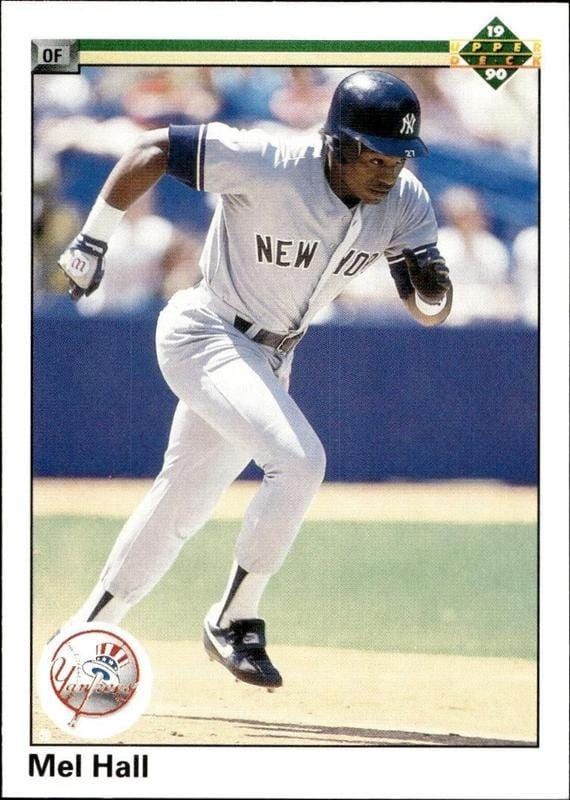
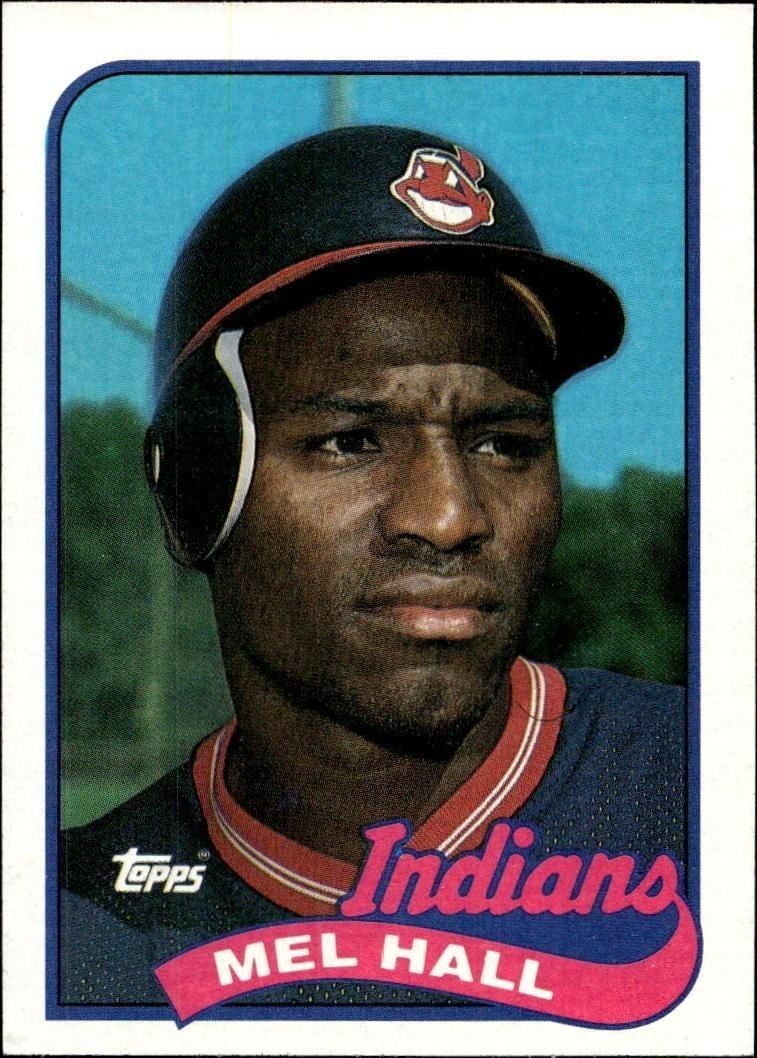

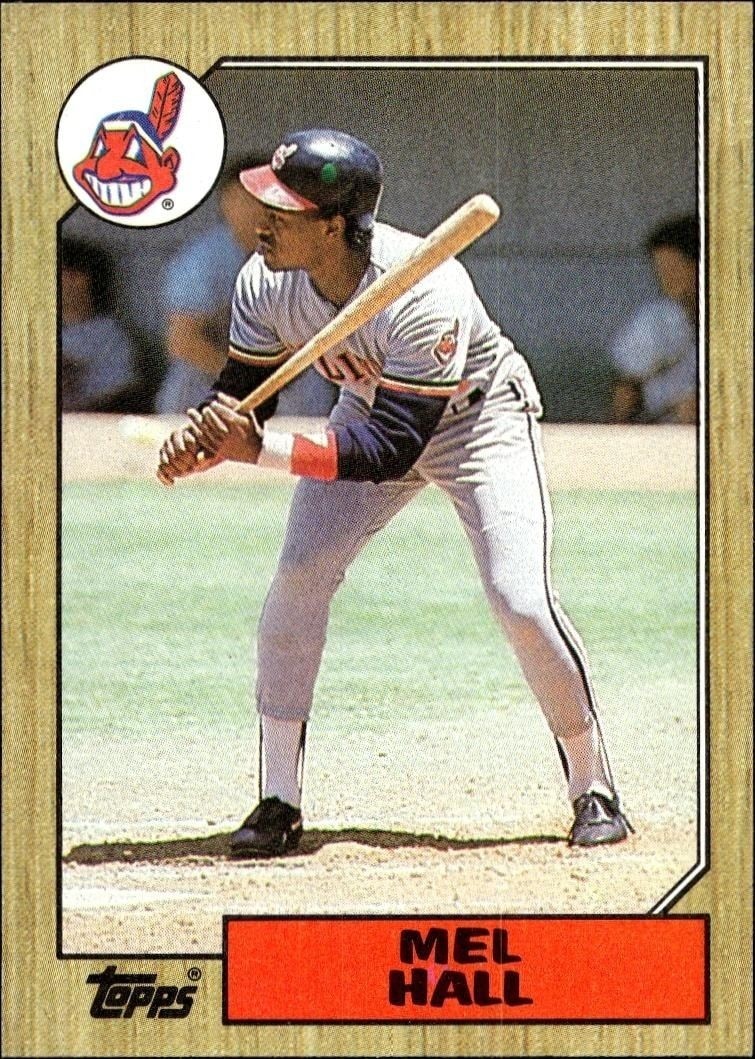
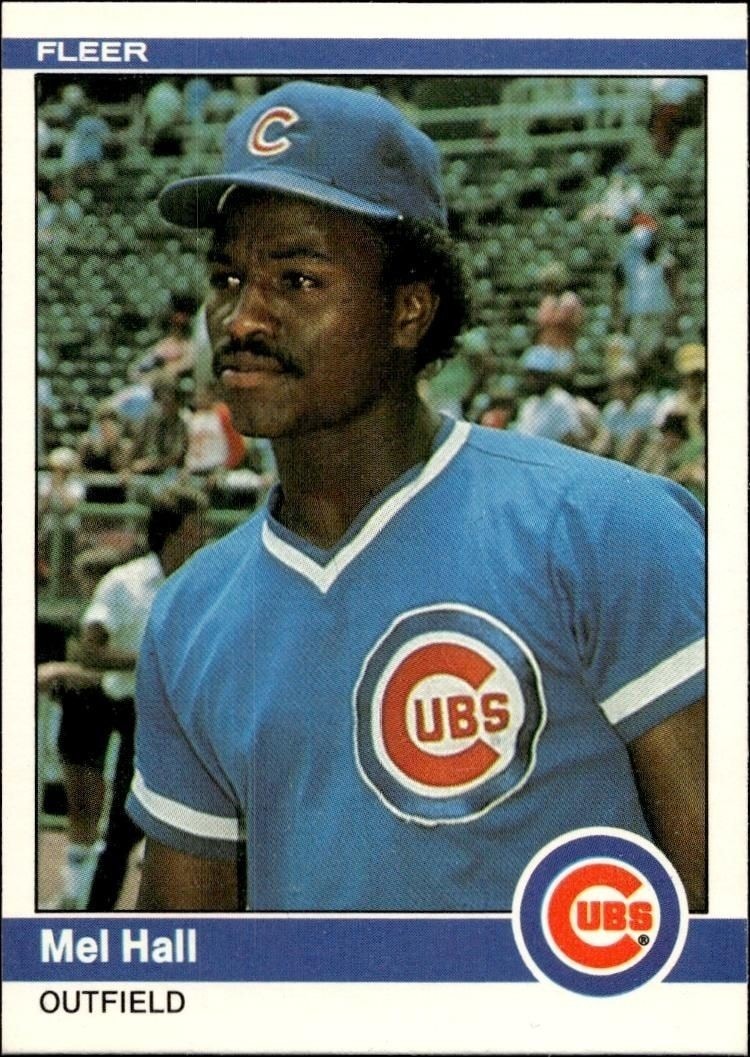
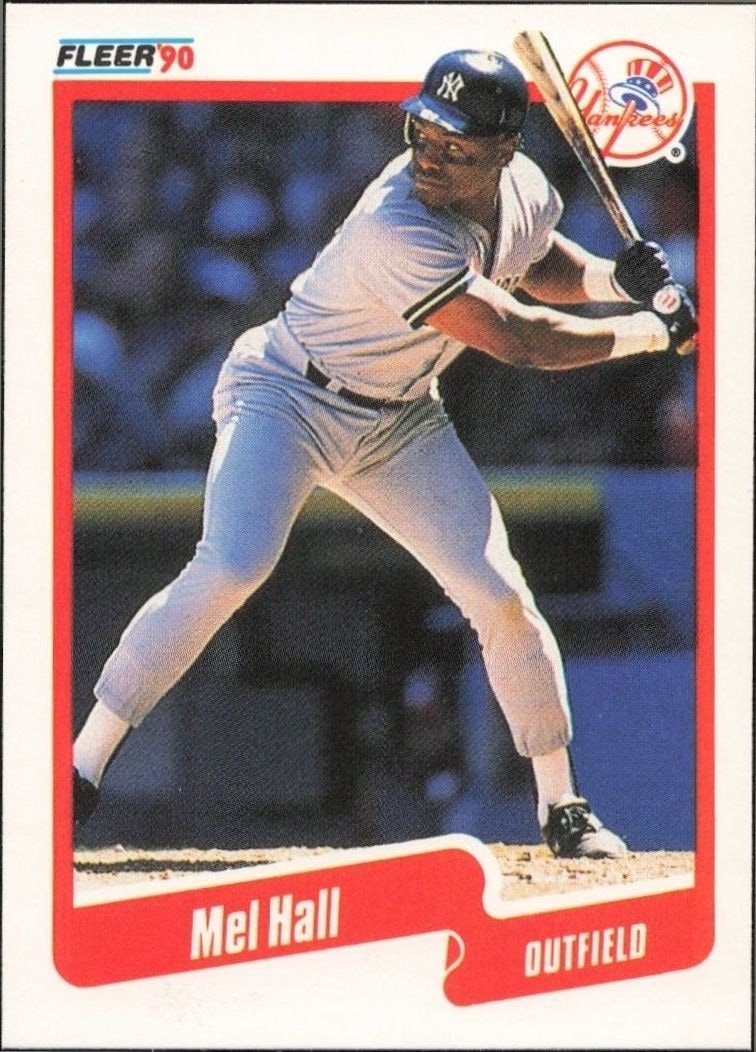
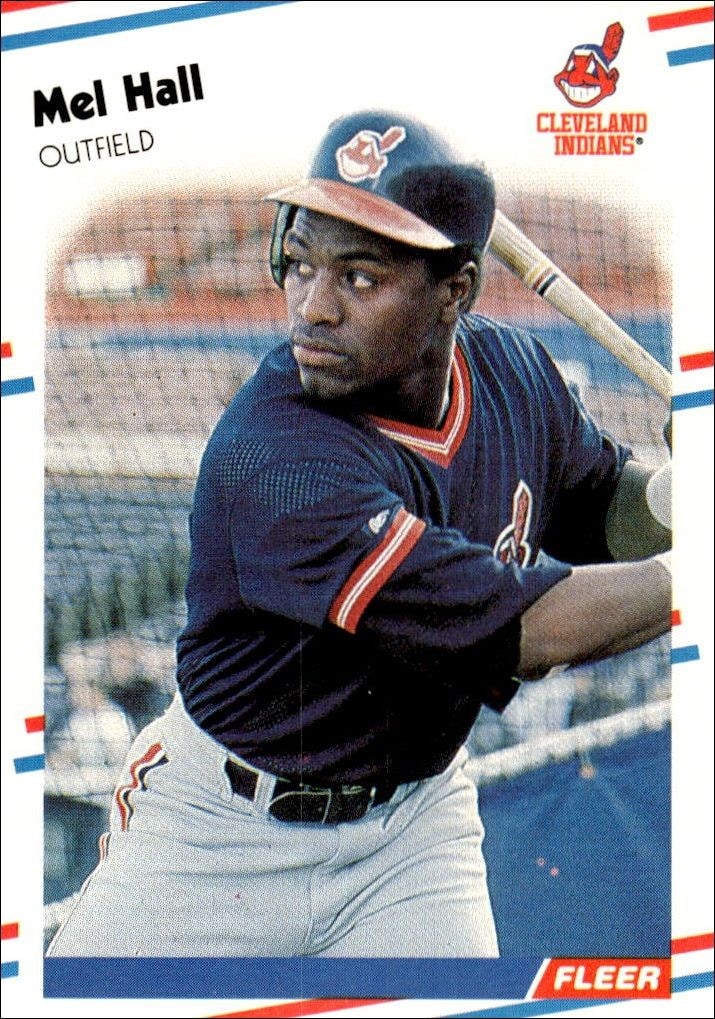
Identify the 1989 Fleer Mel Hall #406 baseball trading card, a staple of the historic Fleer debut set. This catalog entry covers all available listings for this card number.
1989 • Fleer
Major League Baseball • Cleveland Indians
Near Mint
406
New
Shipping Calculated at Checkout
Arrives in 5-7 daysEstimated delivery October 23, 2026 - October 25, 2026
Seller returns October 19, 2026.30-day Returns| Condition | Value | Source | Trend | Price Details |
|---|---|---|---|---|
$1.19As of 9/27/2026 | Guide Estimate | |||
Raw / Ungraded
PriceCharting Price Guide · Guide Estimate evidence · captured Sep 28, 2026
History is building. At least two days of matching observations are needed to show a trend.
Each point is the last stored observation that day for this printing, condition, grader, autograph status and source. Gaps mean no observation; guide estimates and asking prices are not completed sales.The 1989 Fleer Mel Hall #406 card represents a significant milestone in sports card collecting history. As part of Fleer's first major foray into the baseball market since the 1960s, this release revitalized interest in the hobby and established a new design standard for modern card production. Collectors often seek out this card number to complete their base set, recognizing the brand's role in bridging the gap between vintage and contemporary collecting eras. Mel Hall, depicted on card #406, brings attention to players who were active during this pivotal year. For investors and set builders, finding a clean example of this card can be a rewarding pursuit, as it serves as a tangible link to the late 1980s baseball landscape. Whether you are a long-time Fleer fan or a new collector exploring the brand's origins, this product offers a chance to own a piece of the set's legacy. The catalog aggregates listings from various sellers, allowing you to compare options for condition and value without the noise of individual store inventory fluctuations. When considering the 1989 Fleer Mel Hall #406, it is important to understand the context of the era. The late 80s saw a surge in card production and collector participation, making this release a cornerstone for those interested in the evolution of baseball trading cards. By focusing on the product's identity within the Fleer brand, collectors can appreciate its place in the broader narrative of sports memorabilia. This approach ensures that the value is derived from the card's historical significance and brand recognition rather than transient market trends. For those building a comprehensive library of Fleer products, this card is an essential component. The brand's return to the baseball market in 1989 was a major event, and owning cards from this debut set is a common goal for dedicated hobbyists.
20 hours ago
We'll pre-fill the product details from this catalog entry, so your listing lands on this exact page. Just add photos of your copy, pick its condition, and set your price.
The catalog profile below summarizes the card identity, featured subject, and notable collectible traits.
The subject, team, league, and sport context tied to this card.
Production details and format-specific attributes.
Material
Card Stock
Language
English
Compare prices, grades, photos, and shipping from approved sellers.
New
Near Mint
See how many public collections currently include this card.
0 collectors have this card
This 1989 Fleer Mel Hall card sits at the lower end of the pricing spectrum, reflecting its status as a standard issue within a high-volume production set rather than a premium parallel or insert. While Hall holds significance as a key player for the Cleveland Indians during that era, the lack of special attributes keeps this specific slab in the base tier, trading at a modest premium only due to the inherent scarcity of surviving copies in high grade. It represents an accessible entry point for collectors focusing on 1980s MLB nostalgia rather than high-end investment pieces.
The card lacks any special scarcity attributes such as serial numbering, short-print status, or unique parallels, meaning it is a standard base card from a massive print run. Without limited edition markers or one-of-one designations, the supply is dictated entirely by the original factory production volume, which was intentionally high to meet retail demand. Consequently, the rarity is defined by condition survival rather than intentional production limits, making high-grade examples relatively more scarce than raw ones but not exceptionally rare in the grand scheme.
As a non-rookie card from a widely produced set, this item does not carry the rookie-card premium mechanics that typically drive long-term value appreciation. Collector demand is likely driven by team-specific needs or general 1980s baseball nostalgia rather than speculative growth, limiting its potential for significant financial upside. It serves better as a foundational piece for completing a base set or a personal collection rather than a standalone investment vehicle with strong demand drivers beyond basic collectibility.